Trusted by 165+ Homeowners
Wall Water Damage Repair in Redan, GA
- Over 165 5-Star Reviews
- Free Estimates and Quotes
- 100% Satisfaction Guaranteed
- Child, Family & Pet Safe Steps
- 24-Hour Emergency Service
- Fully Licensed & Insured

Detecting and Repairing Hidden Wall Water Damage in Redan, GA
You’re walking through your home and notice it. A faint discoloration on your drywall, maybe a small bulge, or even a musty smell clinging to the air in one particular room. It’s not a giant flood, but it’s definitely water where it shouldn’t be. You’re probably wondering how long it’s been there and what that dampness is doing behind your walls. Addressing wall water damage needs a specific approach, and our team is here to help you understand exactly what’s going on. We know how unsettling it can be to find these subtle signs, and we’re equipped to handle the intricate work required to fix it right.
We’ve helped over 165 neighbors in your community restore their homes after water issues, and many trust us specifically for our detailed approach to wall water damage repair. Homeowners choose us because we focus on the science of drying and rebuilding, ensuring that the problem is solved from the inside out. You’ll appreciate our clear communication and our commitment to restoring your property’s integrity. We aim to make this process as straightforward as possible for you.
- We go beyond surface-level fixes, employing advanced moisture detection tools to pinpoint the exact source and spread of water within your walls, preventing future issues.
- Our specialized drying techniques use targeted equipment to remove moisture trapped behind drywall, ensuring your walls dry thoroughly and preventing mold growth.
- We carefully assess and replace damaged materials, matching textures and paint colors to restore your walls to their original condition, making the repair invisible.
The Technical Process for Wall Water Damage Repair
When water infiltrates your walls, it’s not just about the visible damage. It’s about the moisture that penetrates the insulation, framing, and drywall, creating a breeding ground for mold and structural weakening. A proper repair process demands more than just patching a hole; it requires meticulous investigation, controlled drying, and precise reconstruction. Cutting corners here can lead to recurring problems and significantly larger expenses down the line. Our crews understand these complexities and follow a strict protocol to ensure your walls are truly dry and sound.
Inspection and Moisture Mapping
This is where we get to the heart of the problem. Our technicians use specialized equipment like infrared cameras and moisture meters to detect and map out all affected areas, even those you can’t see. This helps us understand the full extent of the water intrusion, which is critical for accurate repair. We create a detailed picture of where the moisture is hiding, from the surface of the drywall to the studs behind it.
Containment and Water Extraction
Once we know where the water is, we set up containment barriers to prevent further spread of moisture and potential contamination. If there’s standing water or saturated materials, we’ll use professional-grade extraction equipment to remove as much excess water as possible. This step is crucial for starting the drying process effectively and protecting unaffected parts of your home.
Controlled Drying
This is a highly technical phase. We use industrial dehumidifiers and air movers strategically placed to accelerate the drying of your wall cavities and surrounding materials. We monitor humidity levels and moisture content closely, ensuring that your walls dry out completely and safely. This process can take several days, depending on the severity of the damage and the building materials involved.
Material Removal and Replacement
Often, saturated drywall, insulation, or even wood framing needs to be removed to allow for proper drying and to prevent mold. We carefully cut out and dispose of damaged materials. Then, we install new, high-quality materials to rebuild the affected wall sections, ensuring a solid and stable structure.
Restoration and Finishing
The final step is making your walls look like new again. This includes applying new drywall, texturing to match existing surfaces, priming, and painting. Our goal is to make the repaired area blend seamlessly with the rest of your room, leaving you with a perfectly restored wall.
Don’t let unseen moisture compromise your home’s structure and health. Call us immediately if you suspect wall water damage. We’re ready to start the assessment and repair process today.

Warning Signs You Need Wall Water Damage Repair
Catching water damage early is key to minimizing the cost and preventing more serious issues like mold growth and structural compromise. Your walls can tell you a lot if you know what to look for. Don’t dismiss subtle changes; they could be early indicators of a problem that needs attention now.
Discolored or Stained Walls
Look for yellow, brown, or reddish-brown stains that appear on your drywall. These are often signs of water that has seeped through the paint and paper, carrying minerals or rust from pipes with it. This is a clear indicator of water penetration.
Peeling or Bubbling Paint and Wallpaper
When paint or wallpaper starts to blister, bubble, or peel away from the wall surface, it’s usually because moisture is trapped underneath. The adhesive fails as the water saturates the materials. This means the wall behind it is likely damp.
Soft or Spongy Drywall
If you gently press on a section of your wall and it feels soft, spongy, or even crumbles, you’re likely dealing with severely water-damaged drywall. This material loses its structural integrity when saturated for too long and needs to be replaced. It’s a sign of significant saturation.
Musty Odors That Won’t Go Away
A persistent damp, earthy, or musty smell, especially in a specific area of your home, is a strong indicator of hidden moisture. This smell often comes from mold or mildew that has started to grow in the damp environment behind your walls. You need to address the moisture source to eliminate the odor.
Visible Mold Growth
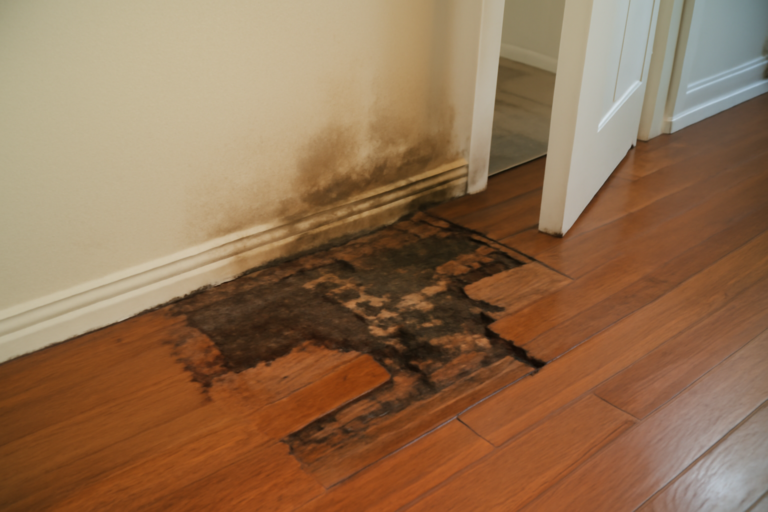
While mold can grow unseen behind walls, sometimes you might spot small patches of black, green, or white mold on the surface of your drywall or baseboards. This is a serious health concern and a direct result of prolonged moisture.
Warped Baseboards or Trim
If your baseboards or window and door trim are starting to look warped, cupped, or detached from the wall, it’s often because the wood is absorbing moisture from a leak behind the wall or from a flood that reached that level. This indicates water has compromised the materials.
Wall Water Damage Repair vs. DIY: When To Call a Professional
| Situation | DIY? | Call a Pro? | Why |
|---|---|---|---|
| Small, visible water spot from a recent spill | Yes, clean and dry immediately | No | Easy to manage, just requires quick cleanup and drying. |
| Minor paint bubbling from a condensation issue | Maybe | Yes | If it persists, there might be deeper moisture issues needing specialized tools to detect and dry. |
| Water stain from a pipe leak that’s now fixed | No | Yes | Even if the leak is stopped, moisture can be trapped behind the wall, requiring professional drying. |
| Visible mold growth on the surface | No | Yes | Mold can be a health hazard and requires containment and specialized removal. |
| Wall feels soft or crumbles to the touch | No | Yes | Indicates significant drywall saturation and potential structural damage needing expert assessment. |
| Persistent musty odor from a specific wall area | No | Yes | The odor signals hidden moisture and potential mold growth that needs professional investigation. |
For anything beyond a minor, superficial issue, calling our team is the smartest choice. We have the specialized equipment and expertise to accurately diagnose the problem, dry your walls thoroughly, and prevent future issues like mold and structural damage. Professional assessment is often crucial for these types of hidden problems.
Wall Water Damage Repair Cost In Redan, GA
The cost of repairing wall water damage in Redan, GA, can vary quite a bit. Factors like the size of the affected area, the depth of the water intrusion, the type of materials damaged, and how long the moisture has been present all play a role. These figures are estimates to give you a general idea of what to expect.
| Service | Typical Price Range | What Affects Cost |
|---|---|---|
| Initial Inspection & Moisture Detection | $300 – $800 | Complexity of the issue, need for advanced thermal imaging. |
| Containment Setup | $200 – $600 | Size of the affected area, number of rooms needing isolation. |
| Controlled Drying (Dehumidification/Air Movers) | $500 – $2,500 | Duration of drying needed, number and size of equipment used, total square footage. |
| Drywall Removal & Disposal | $400 – $1,200 | Quantity of material to remove, labor involved for careful cutting and debris hauling. |
| New Drywall Installation & Texturing | $500 – $2,000 | Square footage of new drywall, complexity of matching existing wall texture. |
| Priming & Painting | $300 – $1,000 | Number of coats needed, paint quality, matching existing colors perfectly. |
| Mold Remediation (if necessary) | $1,000 – $5,000+ | Severity and type of mold, extent of contamination, containment procedures required. |
Remember, these are just estimates. A thorough on-site assessment by our trained technicians is the only way to get an accurate quote for your specific situation. We offer free estimates for wall water damage repair.
Service Areas Near Redan, GA
Lithonia, Stone Mountain, Tucker, Decatur, Clarkston, Avondale Estates, Pine Lake, Snellville, Lilburn, Norcross, Chamblee, Doraville, Dunwoody, Brookhaven, Atlanta, Scottdale, Belvedere Park, Panthersville, Conyers, Ellenwood.
Common Questions About Wall Water Damage Repair
What is the first thing I should do if I see water damage on my wall?
The very first thing you should do is try to stop the source of the water if possible, like turning off a leaky faucet or shutting off the main water supply if a pipe has burst. Then, document the damage with photos for your records. After that, call our team immediately so we can begin the assessment and begin the drying process to prevent further damage.
How long does it take to repair wall water damage?
The timeline varies greatly depending on the extent of the damage. The drying process itself can take anywhere from 24 hours to several days, using our advanced equipment. Reconstruction, including drywall repair, texturing, and painting, can add another few days to the process. We’ll give you a more precise estimate once we’ve assessed your property.
Is wall water damage dangerous to my health?
Yes, it absolutely can be. Trapped moisture behind walls creates an ideal environment for mold and mildew growth. Inhaling mold spores can cause a range of health issues, from allergic reactions and asthma symptoms to more serious respiratory problems. Addressing the moisture source and drying thoroughly is crucial for your family’s health.
What kind of equipment do you use to dry out walls?
We use specialized, professional-grade equipment designed for effective water damage restoration. This includes industrial dehumidifiers to remove moisture from the air and your materials, and high-speed air movers to create airflow that accelerates evaporation. We also use advanced moisture meters and thermal imaging cameras to ensure we’re drying the affected areas completely and accurately.
Can I prevent water damage to my walls?
While not all water damage is preventable, you can significantly reduce the risk. Regularly inspect plumbing, appliances, and roofs for leaks. Ensure your gutters and downspouts are clear and directing water away from your foundation. Sealing any cracks in exterior walls can also help. For internal humidity issues, proper ventilation in bathrooms and kitchens is key.
Check Our Other Relevant Services

Jerry Johns is a licensed Damage Restoration Expert with over 20 years of hands-on experience helping homeowners and businesses navigate property crises. As a trusted authority in the field, Jerry combines technical precision with a compassionate approach to disaster recovery.
𝗖𝗲𝗿𝘁𝗶𝗳𝗶𝗰𝗮𝘁𝗶𝗼𝗻𝘀: Jerry holds multiple elite IICRC certifications, including Water Damage Restoration (WRT), Applied Microbial Remediation (Mold), Applied Structural Drying (ASD), Odor Control, and Fire and Smoke Restoration.
𝗙𝗮𝘃𝗼𝗿𝗶𝘁𝗲 𝗣𝗮𝘀𝘁𝗶𝗺𝗲: When he isn’t on a job site, Jerry is an avid outdoorsman who enjoys fly fishing and restoring vintage woodworking tools.
𝗕𝗲𝘀𝘁 𝗣𝗮𝗿𝘁 𝗼𝗳 𝘁𝗵𝗲 𝗝𝗼𝗯: Jerry finds the most fulfillment in seeing the relief on a client’s face when their property is finally restored to its pre-loss condition, turning a stressful disaster into a fresh start.