
Trusted by 165+ Homeowners
Water Damage Assessment in Belvedere Park, GA
- Over 165 5-Star Reviews
- Free Estimates and Quotes
- 100% Satisfaction Guaranteed
- Child, Family & Pet Safe Steps
- 24-Hour Emergency Service
- Fully Licensed & Insured
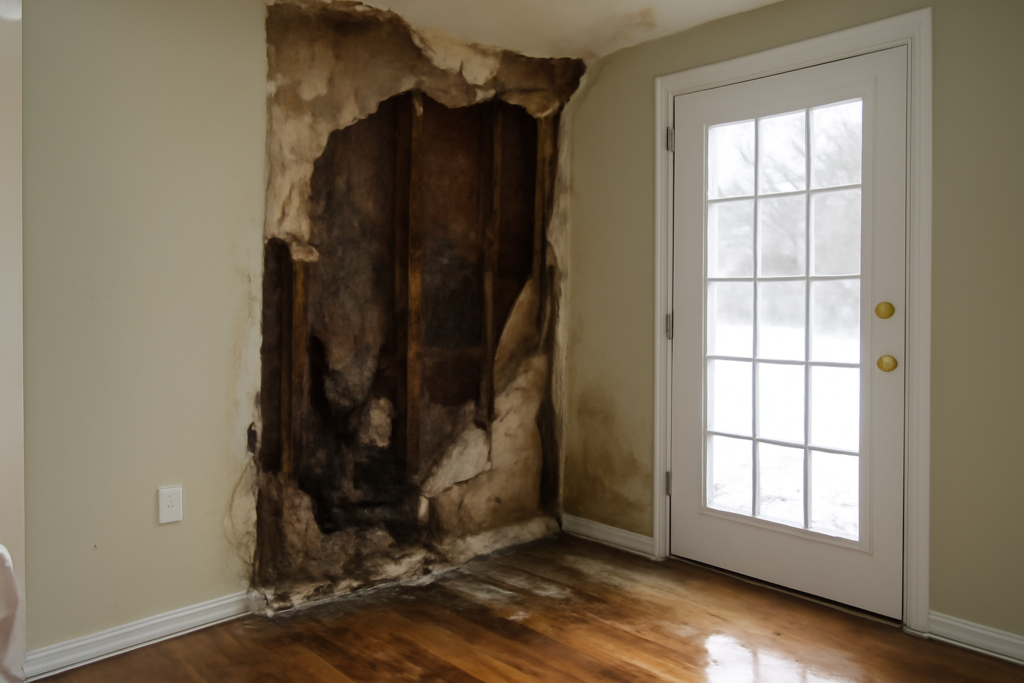
Your Home’s Silent Enemy: Understanding Water Damage Assessment in Belvedere Park, GA
You walk into your basement and catch a faint, earthy smell. Then you see it — a dark, damp stain spreading across the drywall, maybe even a slow drip from the ceiling. It’s not a flood, but it’s definitely water where it shouldn’t be. This subtle sign, or perhaps a patch of peeling paint, could mean hidden moisture is spreading. Ignoring it is a bad idea, as even small leaks can cause significant structural damage over time if not properly assessed. You need to know exactly what you’re dealing with, and that’s where a professional Water Damage Assessment becomes critical right here in Belvedere Park, GA.
We’ve helped over 165 local families in your neighborhood deal with unexpected water issues, earning their trust through clear communication and thorough assessments. Homeowners choose us because they know we don’t just guess; we use science and specialized tools to pinpoint the exact source and extent of water intrusion. You can rely on our team for an accurate diagnosis and a clear plan forward, ensuring your property is protected. We understand the unique challenges homes in this area can face, and we’re committed to providing reliable service.
- We use advanced moisture meters and thermal imaging cameras to detect water hidden behind walls and under floors, giving you a complete picture.
- Our detailed assessment identifies the root cause of the water intrusion, preventing recurrence and future headaches.
- You’ll receive a clear, easy-to-understand report outlining findings, recommended actions, and potential risks if left unaddressed.
The Technical Process: How We Conduct a Water Damage Assessment
A proper Water Damage Assessment isn’t just about looking around; it’s a scientific process designed to uncover every bit of moisture. Cutting corners here means missing critical issues that can lead to mold growth and structural compromise. Our team follows a meticulous protocol, employing specialized equipment to gather precise data. This thorough approach ensures we understand the full scope of the problem, from the initial leak point to the farthest reaches of dampness.
Initial Walkthrough and Visual Inspection
Our technicians start with a detailed visual inspection of the affected areas. We’ll look for obvious signs like water stains, mold, or damaged materials. This initial step helps us form a preliminary understanding of the situation and identify potential entry points for our specialized equipment. You’ll see our team carefully examining every surface.
Moisture Meter Readings
Using calibrated moisture meters, we take readings directly from building materials like drywall, wood, and carpet. This tells us exactly how saturated your materials are, even if they look dry on the surface. These precise moisture content readings are crucial for determining the true extent of the water damage. We often take readings in unaffected areas for comparison.
Thermal Imaging Inspection
A thermal imaging camera allows us to see temperature differences within your walls and ceilings. Cooler spots often indicate trapped moisture, even if no visible stain is present. This technology is invaluable for detecting hidden water sources and understanding how far moisture has spread unseen. It’s a non-invasive way to get a clearer picture.
Water Source Identification
Pinpointing the exact source of the water intrusion is paramount. Whether it’s a burst pipe, roof leak, or appliance malfunction, we’ll trace the water back to its origin. Understanding the source is key to preventing future damage and ensuring the problem is permanently resolved. We’re committed to finding the root cause.
Documentation and Reporting
Throughout the assessment, we meticulously document our findings with notes, photos, and moisture readings. This documentation forms the basis of your assessment report, which clearly outlines the water damage, its source, and our recommended remediation plan. You’ll get a detailed record of our findings for your own records or for insurance purposes.
Don’t wait for minor dampness to become a major issue. Call us today for a rapid and accurate assessment of your property’s condition. We’re ready to help you understand the situation and take the necessary steps immediately.

Warning Signs You Need Water Damage Assessment
Catching water damage early is the single most effective way to minimize repair costs and prevent more severe problems like mold growth and structural weakening. Your property might be telling you it needs attention long before a major leak occurs. Recognizing these subtle indicators can save you a lot of trouble down the line. Pay close attention to these signs; they’re your home’s way of asking for help.
Musty Odors That Won’t Go Away
A persistent, damp, or musty smell, especially in basements, bathrooms, or closets, is often the first indicator of hidden moisture. This odor usually comes from mold and mildew growing on damp materials. You can’t just mask this smell; it signals active mold growth that needs professional assessment.
Visible Water Stains or Discoloration
Any new or expanding brown or yellowish stains on ceilings, walls, or floors are clear signs of water intrusion. These marks indicate that water has saturated the material and is likely still present behind the surface. Don’t assume it’s old damage; new stains need immediate attention.
Peeling or Bubbling Paint and Wallpaper
When paint starts to blister or wallpaper begins to peel away from the wall, it’s often because moisture is trapped behind it. The moisture loosens the adhesive or compromises the integrity of the paint. This is a visual cue that water is compromising your finishes.
Warped or Sagging Drywall/Ceilings
Drywall and ceiling materials are not designed to hold significant amounts of water. If you notice sections that look warped, soft, or are visibly sagging, it means they’ve absorbed a considerable amount of moisture. This is a serious sign of structural compromise that requires urgent assessment.
Increased Humidity Levels
If your home feels unusually damp or humid, even when the air conditioning is running, there might be an unseen water source. High indoor humidity can create a breeding ground for mold and dust mites. You might notice condensation on windows or a generally clammy feeling indoors.
Soft Spots on Floors
Walking on certain areas of your carpet or wood flooring and noticing them feel soft, spongy, or give way slightly can indicate water damage underneath. This is particularly common in bathrooms, kitchens, or laundry rooms where leaks are more likely. These soft spots often mean subfloor damage is occurring.
Water Damage Assessment vs. DIY: When To Call a Professional
| Situation | DIY? | Call a Pro? | Why |
|---|---|---|---|
| A small, isolated water spot on a ceiling from a minor leak. | Yes, if very small and easily accessible. | Yes, if the stain is spreading or the ceiling material feels soft. | To ensure the source is identified and no hidden moisture remains. |
| Identifying the source of a faint musty smell in a closet. | Maybe, with careful inspection and basic tools. | Yes, if the smell persists or you suspect hidden mold. | Professionals have tools to detect mold and moisture behind walls. |
| Drying out a small, wet area after a spilled bucket of water. | Yes, with fans and dehumidifiers. | No, unless the area is large or doesn’t dry quickly. | For minor spills, basic drying techniques are usually sufficient. |
| Assessing damage after a burst pipe in a wall. | No. | Yes, immediately. | Hidden water can cause extensive damage and mold very quickly. |
| Determining the extent of water damage under a leaking sink. | Maybe, for very minor, superficial dampness. | Yes, for any significant dampness or if the leak is ongoing. | To check for subfloor and cabinet structural integrity. |
| Understanding the scope of water damage from a roof leak. | No. | Yes, immediately. | Roof leaks can saturate insulation and structural beams unseen. |
While DIY methods can handle very minor, surface-level dampness, professional Water Damage Assessment is crucial when there’s any doubt about the extent of the issue. Our team has the specialized equipment and training to find hidden moisture and accurately determine the source, saving you from costly mistakes and potential health hazards. For anything beyond a simple spill, calling in experts is the smart choice.
Water Damage Assessment Cost In Belvedere Park, GA
The cost of a professional Water Damage Assessment in Belvedere Park, GA can vary depending on several factors. These include the size of the affected area, the complexity of the water intrusion, and the types of specialized equipment needed for a thorough evaluation. These estimates provide a general idea, but a precise quote requires an on-site inspection.
| Service | Typical Price Range | What Affects Cost |
|---|---|---|
| Initial Visual Inspection & Consultation | $250 – $750 | Complexity of the visible damage and accessibility of the area. |
| Moisture Meter Readings & Data Collection | $400 – $1,200 | Number of readings taken and the size of the area being tested. |
| Thermal Imaging Scan | $500 – $1,500 | The size of the property and the extent of the suspected hidden moisture. |
| Water Source Identification | $600 – $2,000 | Difficulty in locating the source and the need for minor exploratory work. |
| Detailed Assessment Report Preparation | $300 – $800 | The level of detail required, including extensive documentation and recommendations. |
| Emergency Assessment Visit (After Hours/Weekend) | + $200 – $500 to base service cost | Urgency and time of day the assessment is requested. |
These figures represent typical ranges for the assessment itself, not the full restoration process. An on-site evaluation by our team is the best way to get an accurate estimate tailored to your specific situation. We offer free initial consultations to discuss your concerns.
Service Areas Near Belvedere Park, GA
Decatur, Avondale Estates, Scottdale, Gresham Park, Panthersville, Druid Hills, Clarkston, Tucker, Stone Mountain, Ellenwood, Conley, Redan, Lithonia, Pine Lake, Smoke Rise, North Druid Hills, Candler-McAfee, Belvedere Heights, Lake Claire, Oakhurst.
Common Questions About Water Damage Assessment
What is the difference between water damage assessment and water damage restoration?
Water damage assessment is the diagnostic phase where we identify the source, extent, and type of water intrusion using specialized tools and techniques. Water damage restoration is the subsequent process of cleaning, drying, and repairing the affected areas. You need a thorough assessment first to ensure the restoration is done correctly and effectively. Our team excels at both, starting with a precise assessment.
How quickly should I get a water damage assessment after discovering a leak?
You should schedule a water damage assessment as soon as possible after discovering any leak or signs of water intrusion. Even small amounts of water can spread rapidly behind walls and under floors, leading to mold growth and structural damage within 24-48 hours. Prompt assessment is key to minimizing damage and cost.
Will my homeowner’s insurance cover the cost of a water damage assessment?
Often, yes. Homeowner’s insurance policies typically cover the cost of assessing water damage, especially if it’s caused by a sudden and accidental event like a burst pipe. However, coverage for gradual damage or issues like sewer backup can vary. It’s best to check your specific policy details or contact your insurance provider. We can provide documentation to support your claim.
What kind of equipment does your team use for water damage assessments in the area?
Our team utilizes a range of advanced tools, including non-penetrating moisture meters, penetrating resistance meters, thermal imaging cameras, and hygrometers. These tools allow us to accurately measure moisture content in various materials, detect temperature anomalies indicating hidden water, and monitor humidity levels. This technological approach ensures we find all the water, even what’s invisible to the naked eye.
Can I prevent water damage, or is it always unexpected?
While some water damage is unexpected (like a sudden pipe burst), many issues can be prevented with regular maintenance. This includes checking hoses on appliances, inspecting roofs and gutters, sealing foundation cracks, and monitoring plumbing for early signs of wear. Regular maintenance can help prevent costly future problems. We can also advise on potential weak points in your home during an assessment.
Check Our Other Relevant Services
- Attic Water Damage Restoration in Belvedere Park, GA
- Cabinet Water Damage Repair in Belvedere Park, GA

Jerry Johns is a licensed Damage Restoration Expert with over 20 years of hands-on experience helping homeowners and businesses navigate property crises. As a trusted authority in the field, Jerry combines technical precision with a compassionate approach to disaster recovery.
𝗖𝗲𝗿𝘁𝗶𝗳𝗶𝗰𝗮𝘁𝗶𝗼𝗻𝘀: Jerry holds multiple elite IICRC certifications, including Water Damage Restoration (WRT), Applied Microbial Remediation (Mold), Applied Structural Drying (ASD), Odor Control, and Fire and Smoke Restoration.
𝗙𝗮𝘃𝗼𝗿𝗶𝘁𝗲 𝗣𝗮𝘀𝘁𝗶𝗺𝗲: When he isn’t on a job site, Jerry is an avid outdoorsman who enjoys fly fishing and restoring vintage woodworking tools.
𝗕𝗲𝘀𝘁 𝗣𝗮𝗿𝘁 𝗼𝗳 𝘁𝗵𝗲 𝗝𝗼𝗯: Jerry finds the most fulfillment in seeing the relief on a client’s face when their property is finally restored to its pre-loss condition, turning a stressful disaster into a fresh start.


