Trusted by 165+ Homeowners
Water Damage Cleanup in Tyrone, GA
- Over 165 5-Star Reviews
- Free Estimates and Quotes
- 100% Satisfaction Guaranteed
- Child, Family & Pet Safe Steps
- 24-Hour Emergency Service
- Fully Licensed & Insured

When Water Overwhelms Your Tyrone, GA Home
You walk into your kitchen, and there it is. A dark, spreading stain on the ceiling, dripping relentlessly onto your floor. Or maybe it’s the damp, musty smell that hits you first, a sure sign that water has found its way where it doesn’t belong. This isn’t just an inconvenience; it’s a potential structural threat that needs immediate attention. Dealing with unexpected water invasion in your property can feel overwhelming, but acting fast is key to preventing further damage and protecting your home’s integrity. We understand the stress this brings, and our team is ready to help you navigate this situation quickly and effectively.
Homeowners around here have trusted us for years to handle their water damage situations. With over 165 five-star reviews, you can see why our neighbors choose us for swift water removal and expert drying. We’re not just another service provider; we’re part of your community, dedicated to restoring your home with precision and care. We’ve seen it all, from minor leaks to significant flooding events, and we approach every job with the same commitment to getting it right.
- We focus on preventing mold growth by removing all hidden moisture sources, safeguarding your family’s health.
- Our advanced drying techniques use specialized equipment to quickly restore your home’s environment, minimizing disruption.
- We document the entire process, making insurance claims smoother and ensuring you understand exactly what was done to fix your property.
The Science of Water Damage Cleanup
Water damage cleanup isn’t just about mopping up puddles. It’s a technical process that requires understanding how water infiltrates materials and how to properly extract it and dry them out. When you try to tackle serious water issues yourself, you might miss hidden pockets of moisture, leading to long-term structural problems and unhealthy mold growth. Our crews utilize scientific principles and specialized equipment to ensure every drop of excess water is removed and your property is dried to safe levels, preventing future issues and ensuring a truly dry environment.
Step 1: Initial Water Extraction
The first crucial step involves removing standing water as quickly as possible. We use powerful, truck-mounted extraction units to remove the bulk of the water. This prevents further saturation of your carpets, subfloors, and walls. The faster we can extract the water, the less damage occurs and the sooner we can begin the drying process, saving you time and potential headaches.
Step 2: Structural Drying and Dehumidification
Once the standing water is gone, we bring in industrial-grade air movers and dehumidifiers. These machines work together to accelerate the evaporation of moisture from your structure. We carefully monitor humidity levels and air temperature to create the optimal drying environment, ensuring that materials like drywall and wood are dried thoroughly and safely, avoiding warping or deterioration. This phase is critical for preventing secondary damage.
Step 3: Moisture Detection and Assessment
Our technicians use advanced moisture meters and thermal imaging cameras to detect hidden moisture within walls, ceilings, and floors. This allows us to pinpoint exactly where water has penetrated, even in areas you can’t see. Identifying all affected areas is essential for a complete and effective drying plan, ensuring no moisture is left behind to cause problems later.
Step 4: Containment and Air Quality Management
If necessary, we set up containment barriers to prevent the spread of moisture and potential airborne contaminants during the drying process. We also use air scrubbers with HEPA filters to remove dust and particles from the air, promoting a healthier indoor environment for you and your family as we work. This step is vital for maintaining good indoor air quality throughout the restoration.
Step 5: Monitoring and Verification
Throughout the drying process, we regularly monitor moisture levels in all affected materials. We don’t leave until our instruments confirm that your property has been dried to industry standards. This meticulous verification ensures that the drying process is complete and that your home is safe and sound. Your satisfaction is our goal.
Don’t let water damage linger. Call us now for immediate professional assistance. We’re ready to deploy our specialized equipment and expertise to your property today.

Warning Signs You Need Water Damage Cleanup
Ignoring the subtle signs of water intrusion can turn a small issue into a major headache. Early detection is your best defense against costly repairs and potential health hazards. Keep an eye out for these common indicators, and if you spot them, it’s time to call in the experts for thorough water damage assessment.
Musty Odors That Won’t Go Away
A persistent damp or musty smell, especially in basements, bathrooms, or closets, is a strong indicator of hidden moisture. This odor often signals the beginning of mold growth, which thrives in damp conditions. Addressing the source of the water and drying affected areas immediately is crucial to preventing mold proliferation.
Visible Water Stains or Discoloration
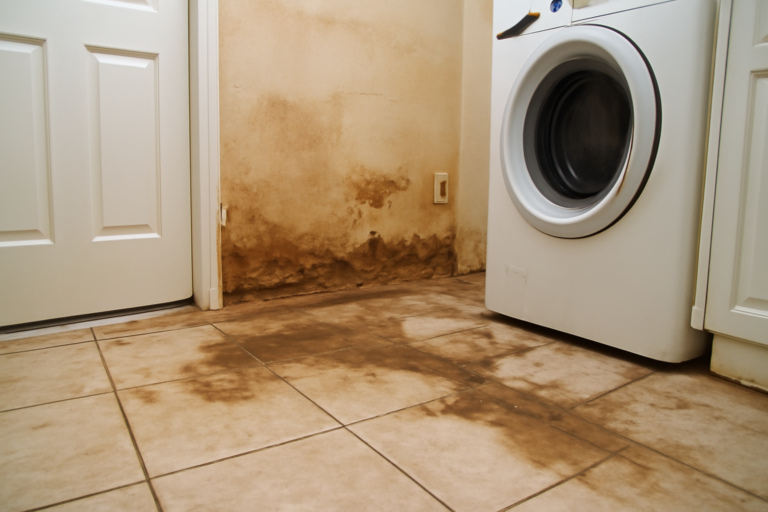
Any new or expanding water stains on ceilings, walls, or floors are a clear sign of a leak or past water intrusion. These marks aren’t just unsightly; they show that materials have been saturated and may be compromised. It’s important to investigate the cause and ensure these areas are properly dried to avoid structural damage.
Peeling or Bubbling Paint and Wallpaper
When paint starts to peel or wallpaper begins to bubble away from the wall, it often means moisture is trapped behind it. Water seeps into the adhesive and the wall material itself, causing it to break down. This is a clear signal that water has compromised the integrity of your finishes and requires professional drying attention.
Sagging Ceilings or Walls
A ceiling that appears to be dipping or walls that feel soft or spongy to the touch can indicate significant water saturation. These are serious signs that the structural integrity of your home may be compromised. Prompt intervention is necessary to prevent further collapse and ensure safety and stability.
Warped Flooring or Baseboards
Wood floors, laminate, or even vinyl can begin to warp, buckle, or cup when exposed to excess moisture. Similarly, baseboards might start to pull away from the wall or show signs of swelling. This indicates that water has saturated the flooring and subfloor, requiring immediate attention to restore your surfaces.
Unexplained Dampness or Condensation
Feeling dampness on surfaces where there shouldn’t be any, or noticing excessive condensation on windows or pipes, can point to an ongoing moisture problem. This could be due to poor ventilation or an undetected leak. Addressing this hidden moisture is key to maintaining a healthy home.
Water Damage Cleanup vs. DIY: When To Call a Professional
| Situation | DIY? | Call a Pro? | Why |
|---|---|---|---|
| Minor spill on tile floor (less than 5 sq ft) | Yes | No | Easily wiped up and dried with towels and fans. |
| Leaking pipe under sink with visible water | Maybe | Yes | Hidden water can spread; professional assessment is wise. |
| Saturated carpet in one small room from a burst pipe | No | Yes | Carpet needs specialized extraction and drying to prevent mold. |
| Basement flooded from heavy rain (6 inches or more) | Absolutely Not | Yes | Requires professional extraction, drying, and potential structural checks. |
| Water stain on ceiling from a roof leak | No | Yes | Need to fix the roof first, then dry and assess ceiling damage properly. |
| Dishwasher or washing machine hose leak under cabinets | No | Yes | Water can spread extensively within walls and subfloors. |
While small, contained spills on hard surfaces might be manageable yourself, anything involving carpets, subfloors, walls, or significant water volume requires professional intervention. Trying to handle larger water damage issues on your own can lead to mold, rot, and compromised structural integrity, costing you much more in the long run. Trusting the job to experienced technicians ensures it’s done right the first time, protecting your investment.
Water Damage Cleanup Cost In Tyrone, GA
The cost of water damage cleanup in Tyrone, GA, can vary significantly based on the extent of the damage, the size of the affected area, and the complexity of the restoration needed. These price ranges are estimates and can change depending on the specific circumstances of your situation. A detailed assessment of your property will provide a more accurate quote.
| Service | Typical Price Range | What Affects Cost |
|---|---|---|
| Water Extraction (per sq ft) | $0.50 – $2.00 | Amount of water, type of flooring, and accessibility. |
| Structural Drying (per day) | $300 – $800 | Number and type of drying equipment needed, duration of drying. |
| Dehumidification Services | $500 – $2,500 | Size of the space, humidity levels, and required drying time. |
| Moisture Assessment & Testing | $200 – $600 | Use of advanced tools like thermal cameras and moisture meters. |
| Containment Setup | $300 – $1,000 | Complexity of the affected area and size of containment required. |
| Mold Prevention Treatment | $400 – $1,500 | Area treated and type of antimicrobial application used. |
These figures represent typical costs for water damage cleanup services. For an exact price tailored to your specific situation, we offer free on-site estimates. Our team will thoroughly assess the damage and provide a transparent breakdown of the costs involved.
Service Areas Near Tyrone, GA
<peachtree City, Fayetteville, Brooks, Tyrone, Palmetto, Sharpsburg, Newnan, Senoia, Forest Park, Lovejoy, Jonesboro, Riverdale, Hampton, Morrow, Stockbridge, McDonough, Locust Grove, Griffin, Clarkston, Tucker.
Common Questions About Water Damage Cleanup
What is the first thing I should do when I discover water damage?
Your immediate priority should be to stop the source of the water if it’s safe to do so, and then to remove any standing water. For larger amounts of water, or if the source is unclear, it’s best to call us right away. We can begin the water extraction process quickly to minimize damage and prevent secondary issues like mold growth. Acting fast is the most important step.
How long does water damage cleanup usually take?
The timeline for water damage cleanup can vary greatly, typically ranging from a few days to a couple of weeks. It depends on the initial amount of water, the materials affected, and how quickly we can access the property. Our goal is to dry your home efficiently using advanced equipment, and we’ll provide you with an estimated timeline after our initial assessment, focusing on thorough drying and restoration.
Will water damage lead to mold?
Yes, if water damage is not properly addressed, mold can begin to grow within 24-48 hours. Mold thrives in damp, dark environments. Our water damage cleanup process includes aggressive drying and, if necessary, antimicrobial treatments to prevent mold from taking hold, ensuring a healthy indoor environment for your family.
What kind of equipment do you use for water damage cleanup?
We use professional-grade equipment designed for effective water removal and drying. This includes high-powered water extractors, industrial dehumidifiers, high-velocity air movers, and moisture meters. These tools allow us to remove water efficiently and monitor the drying process closely, ensuring your property is dried to industry-standard levels and preventing future issues.
Does my homeowner’s insurance cover water damage cleanup?
Typically, homeowner’s insurance policies cover water damage caused by sudden and accidental events like burst pipes or appliance malfunctions. Damage from gradual leaks or flooding may have different coverage. We work closely with insurance companies and can help document the damage to assist with your claim, providing clear records of our restoration work.
Check Our Other Relevant Services

Jerry Johns is a licensed Damage Restoration Expert with over 20 years of hands-on experience helping homeowners and businesses navigate property crises. As a trusted authority in the field, Jerry combines technical precision with a compassionate approach to disaster recovery.
𝗖𝗲𝗿𝘁𝗶𝗳𝗶𝗰𝗮𝘁𝗶𝗼𝗻𝘀: Jerry holds multiple elite IICRC certifications, including Water Damage Restoration (WRT), Applied Microbial Remediation (Mold), Applied Structural Drying (ASD), Odor Control, and Fire and Smoke Restoration.
𝗙𝗮𝘃𝗼𝗿𝗶𝘁𝗲 𝗣𝗮𝘀𝘁𝗶𝗺𝗲: When he isn’t on a job site, Jerry is an avid outdoorsman who enjoys fly fishing and restoring vintage woodworking tools.
𝗕𝗲𝘀𝘁 𝗣𝗮𝗿𝘁 𝗼𝗳 𝘁𝗵𝗲 𝗝𝗼𝗯: Jerry finds the most fulfillment in seeing the relief on a client’s face when their property is finally restored to its pre-loss condition, turning a stressful disaster into a fresh start.