Trusted by 165+ Homeowners
Water Damage Inspection in Hapeville, GA
- Over 165 5-Star Reviews
- Free Estimates and Quotes
- 100% Satisfaction Guaranteed
- Child, Family & Pet Safe Steps
- 24-Hour Emergency Service
- Fully Licensed & Insured

Expert Water Damage Inspection in Hapeville, GA
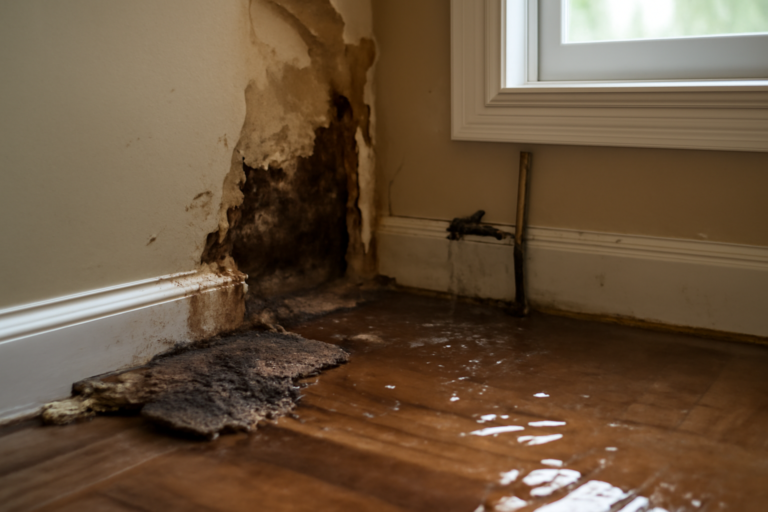
You walk into your basement, and there it is. A dark, spreading stain on the wall. Or maybe it’s that faint, musty smell you just can’t place. You’re staring at potential hidden water damage, and you know ignoring it won’t make it disappear. It’s crucial to get a professional assessment right away before it turns into a much bigger, more expensive problem for your Hapeville, GA home.
Over 165 five-star reviews tell the story: homeowners around here trust our team for thorough, accurate water damage inspections. We understand the unique challenges properties face in this area. That’s why we’re the first call for reliable moisture detection services when you suspect a problem.
- We use specialized equipment to pinpoint the exact source and extent of moisture, even behind walls and under floors.
- Our detailed inspection reports provide clear evidence and actionable steps, helping you understand the full scope of the issue.
- Getting a prompt, accurate inspection can prevent long-term structural damage and mold growth, saving you significant future costs.
How Our Water Damage Inspection Process Works
A proper water damage inspection isn’t just about spotting visible wet spots. It’s a technical process that requires specialized knowledge and equipment. Cutting corners here can lead to missed leaks, persistent mold, and ongoing structural compromise. We follow a disciplined, science-based approach to ensure nothing is overlooked on your property.
Initial Assessment and Visual Check
We start with a thorough visual inspection of the affected areas. This involves looking for obvious signs like discoloration, peeling paint, or standing water. We’ll also ask you about any recent events that might have caused the damage, like heavy rain or plumbing issues. This initial step helps us form a preliminary understanding of the situation.
Moisture Meter Readings
Our technicians use advanced, non-invasive moisture meters to measure the water content in building materials. This equipment can detect moisture levels deep within drywall, wood, and subflooring. We take readings in both affected and unaffected areas to establish a baseline and identify where moisture is traveling. This is a critical diagnostic step.
Thermal Imaging Technology
We employ thermal imaging cameras to visualize temperature differences on surfaces. Water intrusion often creates cooler spots due to evaporation. This technology allows us to see “behind the scenes” and identify hidden moisture pockets or leaks that aren’t visible to the naked eye. It’s an invaluable tool for locating hidden water.
Hygrometer and Humidity Testing
Hygrometers measure the relative humidity in the air. High humidity levels can indicate widespread moisture issues, even if there isn’t visible water. We conduct these tests in different rooms to assess the overall air quality and identify potential drying needs for the entire space. This helps us understand the scope of airborne moisture.
Detailed Reporting and Recommendations
After gathering all the data, we compile a comprehensive report. This document outlines our findings, including moisture readings, thermal images, and suspected sources of water. We’ll clearly explain the extent of the damage and provide professional recommendations for the next steps. You’ll get a clear action plan.
Don’t wait for small leaks to become big problems. If you suspect water damage, call us immediately for a professional inspection. We’ll provide the answers you need to protect your home.

Warning Signs You Need Water Damage Inspection
Catching water damage early is key to minimizing its impact on your home’s structure and your family’s health. Ignoring these subtle signs can lead to costly repairs and potential health hazards down the line. Pay close attention to what your home is telling you.
Musty Odors That Won’t Go Away
A persistent, earthy or moldy smell, especially in basements, bathrooms, or closets, is a strong indicator of hidden moisture. This odor often comes from mold and mildew growing in damp environments. It’s your nose telling you there’s a problem brewing unseen.
Visible Water Stains or Discoloration
Dark spots or rings on ceilings, walls, or floors are direct evidence of past or present water leaks. These stains can spread and worsen over time if the moisture source isn’t addressed. Always investigate these obvious signs of water.
Peeling or Bubbling Paint and Wallpaper
Moisture trapped behind paint or wallpaper can cause it to lose adhesion, leading to peeling or bubbling. This is a clear sign that water is penetrating the surface. It indicates a breach in your home’s barrier.
Warped or Sagging Floors and Ceilings
Waterlogged wood can swell and warp, causing floors to feel soft or uneven. Similarly, ceilings can sag under the weight of trapped moisture. This is a serious structural issue that demands immediate professional attention.
Unexplained High Humidity Levels
If your home feels unusually damp or clammy, even when the weather isn’t humid, it could signal a hidden leak or poor ventilation due to moisture. Consistently high indoor humidity creates an environment ripe for mold growth. This points to hidden moisture sources.
New or Worsening Allergies and Respiratory Issues
Mold and mildew thrive in damp conditions and can release spores into the air, triggering allergies, asthma, or other respiratory problems. If you or your family are experiencing unexplained health symptoms, your home’s air quality might be compromised. Protect your family’s health by addressing potential indoor air pollutants.
Water Damage Inspection vs. DIY: When To Call a Professional
| Situation | DIY? | Call a Pro? | Why |
|---|---|---|---|
| Damp spot on the ceiling after a heavy rain | Yes, if small and easily accessible | Yes, if it’s spreading or recurring | A pro can find the roof or gutter issue causing it. |
| Musty smell in the basement | No | Yes | DIYers often can’t find the source of hidden moisture. |
| Water around the base of your toilet | Yes, for a quick wipe-up | Yes, if the leak persists or seems significant | A pro can check the wax ring and subfloor for damage. |
| Visible crack in a basement wall with minor dampness | No | Yes | This could be a foundation issue requiring specialized assessment. |
| Condensation on windows | Yes, for monitoring | Yes, if it’s excessive or appears on interior walls | Could indicate poor insulation or bigger HVAC problems. |
| Water pooling after washing machine use | Yes, for immediate cleanup | Yes, if the source isn’t obvious or the water spread is large | A pro can check hoses, connections, and potential internal leaks. |
While minor, visible water might seem manageable for a DIY cleanup, anything more complex or hidden requires professional intervention. A thorough inspection by our trained technicians ensures you get an accurate diagnosis and prevent future issues. For anything beyond a surface spill, it’s best to call in the experts.
Water Damage Inspection Cost In Hapeville, GA
The cost for a water damage inspection in Hapeville, GA can vary based on several factors. These include the size of your property, the complexity of the suspected damage, and the extent of the investigation needed. These estimates provide a general idea, not a guaranteed price.
| Service | Typical Price Range | What Affects Cost |
|---|---|---|
| Standard Moisture Inspection (visual, basic meter readings) | $300 – $700 | Property size and number of areas inspected. |
| Advanced Inspection (includes thermal imaging, hygrometers) | $500 – $1,500 | The scope of technology used and the depth of investigation. |
| Detailed Water Source Identification | $700 – $2,000 | Complexity of the leak and accessibility of the source. |
| Pre-Dryout Assessment Report | $400 – $1,000 | Level of detail required for insurance or remediation planning. |
| Post-Remediation Verification Inspection | $300 – $800 | Ensuring all moisture has been successfully removed. |
| Emergency Water Discovery Inspection (after hours) | $600 – $2,000+ | Urgency, time of day, and required immediate response. |
Exact pricing is determined after an on-site assessment of your specific situation. We offer transparent estimates and can often schedule an inspection quickly. Getting a professional assessment is an investment in your home’s long-term health.
Service Areas Near Hapeville, GA
Palmetto, Tyrone, Jonesboro, College Park, East Point, Atlanta, Forest Park, Riverdale, Lovejoy, Morrow, Fayetteville, Stockbridge, Ellenwood, Lithonia, Clarkston, Chamblee, Doraville, Dunwoody, Sandy Springs, Roswell.
Common Questions About Water Damage Inspection
What is the difference between a water damage inspection and water damage restoration?
A water damage inspection is the diagnostic phase. It’s all about finding the source, extent, and type of water intrusion using specialized tools and techniques. Restoration, on the other hand, is the physical process of cleaning up the water, drying the structure, and repairing the damage. We perform the inspection first to ensure restoration efforts are targeted and effective. Without a proper inspection, restoration can be incomplete.
How long does a typical water damage inspection take?
Most inspections take anywhere from two to six hours, depending on the size of your property and the complexity of the suspected issue. A simple visual check might be quicker, but if we need to use thermal cameras and multiple moisture meters in various materials, it requires more time. We aim for thoroughness, not speed, to ensure accuracy. You’ll get a detailed report afterwards.
Is water damage inspection covered by homeowners insurance?
Often, yes. Homeowners insurance policies typically cover the cost of inspection if it leads to a covered claim, such as damage from a burst pipe or storm. However, if the inspection reveals damage from poor maintenance or a preventable issue, it might not be covered. It’s always best to review your policy or contact your insurance provider. We can help provide documentation for your claim.
What kind of equipment do you use for inspections?
Our team uses a variety of professional-grade tools. This includes non-penetrating and penetrating moisture meters to measure water content in materials, thermal imaging cameras to detect temperature differences indicating moisture, and hygrometers to assess indoor humidity levels. We also use borescopes for inspecting cavities and sometimes specialized listening devices for plumbing leaks. This equipment allows for a precise, non-destructive assessment.
How quickly should I schedule a water damage inspection after discovering a leak?
You should schedule a water damage inspection as soon as possible after discovering a leak or suspecting moisture. The longer water sits, the more damage it causes, and the higher the risk of mold growth. Even a small leak can create significant problems within 24-48 hours. Prompt inspection helps mitigate damage and speeds up the drying and repair process. Don’t delay getting a professional assessment.
Check Our Other Relevant Services

Jerry Johns is a licensed Damage Restoration Expert with over 20 years of hands-on experience helping homeowners and businesses navigate property crises. As a trusted authority in the field, Jerry combines technical precision with a compassionate approach to disaster recovery.
𝗖𝗲𝗿𝘁𝗶𝗳𝗶𝗰𝗮𝘁𝗶𝗼𝗻𝘀: Jerry holds multiple elite IICRC certifications, including Water Damage Restoration (WRT), Applied Microbial Remediation (Mold), Applied Structural Drying (ASD), Odor Control, and Fire and Smoke Restoration.
𝗙𝗮𝘃𝗼𝗿𝗶𝘁𝗲 𝗣𝗮𝘀𝘁𝗶𝗺𝗲: When he isn’t on a job site, Jerry is an avid outdoorsman who enjoys fly fishing and restoring vintage woodworking tools.
𝗕𝗲𝘀𝘁 𝗣𝗮𝗿𝘁 𝗼𝗳 𝘁𝗵𝗲 𝗝𝗼𝗯: Jerry finds the most fulfillment in seeing the relief on a client’s face when their property is finally restored to its pre-loss condition, turning a stressful disaster into a fresh start.