Trusted by 165+ Homeowners
Water Damage Insurance Claims in Dunwoody, GA
- Over 165 5-Star Reviews
- Free Estimates and Quotes
- 100% Satisfaction Guaranteed
- Child, Family & Pet Safe Steps
- 24-Hour Emergency Service
- Fully Licensed & Insured

Navigating Water Damage Insurance Claims in Dunwoody, GA
Did you know that over 90% of water damage claims involve some form of hidden mold growth that insurers often overlook? It’s true. That’s why understanding how to properly document and file your water damage insurance claim is crucial for getting your home in Dunwoody, GA back to normal. We’ve seen how overwhelming it can be to deal with water intrusion, and then face the complexities of an insurance claim on top of it all. You need a team that understands both the restoration science and the claims process. We’re here to help make that process as clear and manageable as possible for your specific situation and ensure you get the coverage you deserve.
Homeowners around here choose us because we’ve earned their trust, backed by over 165 five-star reviews from satisfied neighbors. We don’t just fix the visible damage; we diligently work to uncover all issues, providing the detailed documentation your insurance company needs. Our team is committed to helping you navigate the claims process smoothly, making sure your property is fully restored and that you feel confident throughout. We focus on getting your claim approved and paid, so you can focus on your family’s well-being.
- We specialize in detailed damage assessment specifically for insurance claims, ensuring no aspect of your water damage goes undocumented.
- Our technicians are trained to communicate effectively with adjusters, providing clear reports that support your claim’s validity and scope.
- We handle the complex task of estimating repair costs accurately, using industry-standard software to present a fair and comprehensive claim to your insurer.
How We Handle Your Water Damage Insurance Claim
Dealing with water damage insurance claims requires a methodical approach. It’s not just about drying things out; it’s about proving the extent of the damage to your insurance provider. When corners are cut, you might end up with incomplete drying, leading to mold and structural issues down the line, and a claim that doesn’t cover the full cost of repairs. Our process is designed to prevent this. We work directly with your insurance company to ensure your claim is handled efficiently and that all necessary restoration work is approved. We’ve developed a clear, step-by-step method to make sure your claim is as strong as possible.
Initial Damage Assessment and Documentation
The first step is a thorough inspection of your property. We use advanced moisture meters and thermal imaging cameras to identify all areas affected by water, even those you can’t see. This detailed documentation, including photos and readings, forms the basis of your claim. This phase typically takes 2-4 hours, depending on the size of the affected area and the complexity of the damage. We focus on providing your adjuster with clear photographic evidence and precise moisture readings to support your claim.
Emergency Water Extraction
Once the damage is documented, our crews begin immediate water extraction. We use powerful, truck-mounted extraction units to remove standing water quickly. This step is critical to prevent further damage and reduce drying time. This process can take anywhere from 4 to 12 hours, depending on the volume of water present. Rapid extraction is key to minimizing structural damage and preventing secondary issues like mold growth.
Structural Drying and Dehumidification
After extraction, we set up specialized drying equipment, including industrial-grade air movers and dehumidifiers. These machines work to remove moisture from the air and building materials, lowering humidity levels and preventing mold. This phase is ongoing and can take several days to weeks, monitored closely by our technicians. Proper drying is essential for preventing long-term structural integrity issues and ensuring a healthy indoor environment.
Mold Prevention and Remediation
Water damage often leads to mold growth, especially if not addressed promptly and thoroughly. We inspect for any signs of mold and, if found, implement safe and effective remediation protocols. Our goal is to prevent mold from becoming a problem in the first place through aggressive drying. If remediation is necessary, it’s handled by IICRC-certified technicians to ensure your home is safe. Addressing potential mold issues early is crucial for your family’s health and safety.
Insurance Claim Filing and Negotiation
We don’t just leave you with a bill and a dry house. Our team assists you in filing your claim, providing all necessary documentation, photos, and detailed reports to your insurance adjuster. We can even communicate directly with your insurance company on your behalf to explain the scope of work and costs. This collaborative approach helps ensure your claim is processed efficiently and that you receive the appropriate coverage for all necessary repairs. We aim to make the claims negotiation process as straightforward as possible for you.
Don’t let water damage leave you guessing about your insurance coverage. Let us help you document everything accurately and work towards a successful claim resolution. We’re ready to assess your property and start the process for you.

Warning Signs You Need Water Damage Insurance Claims Assistance
Catching water damage early is key to minimizing costs and preventing more serious issues. Ignoring these signs can lead to expensive structural problems and health hazards that your insurance might not fully cover if not reported promptly. Recognizing these indicators means you can act fast and get the professional help needed for your insurance claim. We’re here to help you identify these issues and ensure they’re properly addressed.
Musty Odors That Won’t Go Away
A persistent musty or earthy smell, especially in basements or bathrooms, is often a sign of hidden mold growth caused by moisture. This smell indicates an unseen water problem that needs immediate attention. You can’t see the mold, but the smell is a clear warning sign.
Visible Water Stains or Discoloration
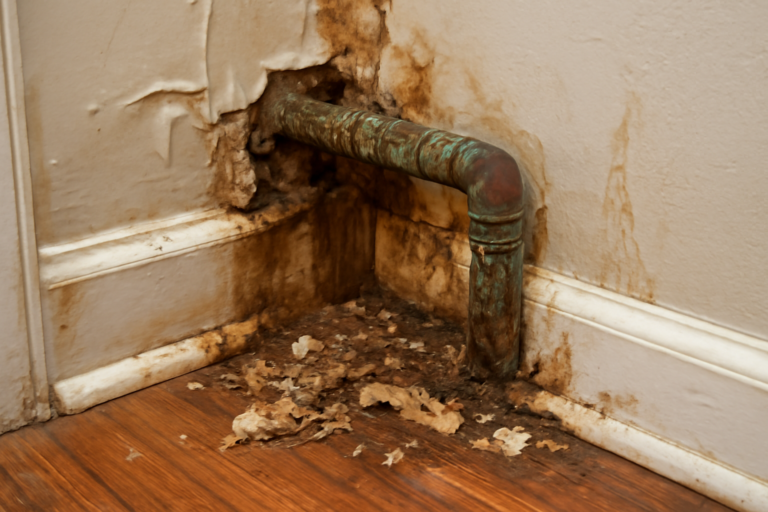
Look for dark spots, rings, or peeling paint on ceilings, walls, and baseboards. These are direct indicators of past or ongoing water intrusion. These stains mean the material has been saturated and may be weakening. Addressing these promptly can prevent further material breakdown.
Warped or Sagging Walls and Ceilings
When building materials absorb excessive moisture, they can swell, warp, or even sag under the weight of the water. This is a serious structural issue that requires professional assessment. This indicates significant water saturation and potential compromised structural support.
Soft or Spongy Flooring
Flooring materials like carpet, tile, or wood can become soft, loose, or develop soft spots when the subfloor beneath them is water-logged. This can lead to tripping hazards and further damage. It’s a sign that the underlying structure is compromised. You want to avoid expensive flooring replacement.
Increased Humidity Levels
A sudden spike in indoor humidity, making your home feel damp or clammy, can indicate a hidden leak or appliance malfunction. This creates an environment where mold thrives quickly. High humidity can also damage electronics and other belongings. Managing humidity is key to preventing secondary damage.
Peeling or Bubbling Paint or Wallpaper
Moisture trapped behind paint or wallpaper can cause it to blister, bubble, or peel away from the surface. This is a visual cue that water is present and damaging the finish. It’s a sign that the integrity of your walls is being affected. This indicates a need for professional moisture assessment.
Water Damage Insurance Claims vs. DIY: When To Call a Professional
| Situation | DIY? | Call a Pro? | Why |
|---|---|---|---|
| Small spill on hard floor (e.g., kitchen tile) | Yes | No | Easy to clean up and dry quickly, minimal risk of hidden damage. |
| Toilet overflow affecting a small area of tile | Yes | Maybe | If it soaked into grout or subfloor, a pro might be needed for thorough drying. |
| Water stain on ceiling from a minor roof leak | No | Yes | Hidden damage in insulation and drywall is likely, requiring professional assessment and repair. |
| Burst pipe flooding a significant portion of your home | No | Yes | Immediate extraction and drying are critical; professional equipment prevents widespread mold and structural damage. |
| Basement flood from heavy rains | No | Yes | Requires specialized equipment for extraction and drying to prevent long-term mold and structural issues. |
| Leaking appliance causing minor floor damage | Maybe | Maybe | If water is contained and dried within 24 hours, DIY might work, but check for subfloor saturation. |
For anything beyond a minor, easily contained spill, calling a professional is almost always the smarter choice for insurance claims. DIY efforts often miss hidden moisture, leading to costlier repairs and denied claims later. Professional intervention ensures thorough documentation and proper restoration, which is vital for a successful insurance claim. We help bridge the gap between your needs and your insurer’s requirements.
Water Damage Insurance Claims Cost In Dunwoody, GA
The cost of water damage insurance claims in Dunwoody, GA can vary significantly. Factors like the size of the affected area, the type of materials damaged, the source of the water, and the extent of structural damage all play a role. These are estimates to give you an idea, and an on-site assessment is always needed for an accurate quote. We aim for transparency in pricing.
| Service Aspect | Typical Price Range | What Affects Cost |
|---|---|---|
| Initial Inspection & Documentation | $300 – $800 | Complexity of damage, technology used (e.g., thermal imaging). |
| Water Extraction (per area) | $500 – $2,500 | Volume of water, square footage, accessibility of the area. |
| Structural Drying (equipment rental & monitoring) | $1,000 – $5,000+ | Duration of drying needed, number of units required, square footage. |
| Mold Prevention/Assessment | $400 – $1,000 | Size of area assessed, testing required. |
| Mold Remediation (if necessary) | $1,000 – $10,000+ | Severity of mold growth, square footage affected, containment needs. |
| Reconstruction & Repair Estimates | Varies widely | Scope of repairs, materials needed, complexity of reconstruction. |
These figures represent typical costs associated with addressing water damage for insurance purposes. An accurate estimate requires our team to visit your property, assess the damage, and understand the scope of work needed. We offer free initial assessments to help you get started. This allows us to provide a detailed proposal for your claim.
Service Areas Near Dunwoody, GA
Atlanta, Sandy Springs, Brookhaven, Chamblee, Doraville, Peachtree Corners, Norcross, Tucker, Marietta, Roswell, Alpharetta, Johns Creek, Milton, Duluth, Suwanee, Decatur, Smyrna, Vinings, Avondale Estates, Scottdale
Common Questions About Water Damage Insurance Claims
How long does a water damage insurance claim typically take?
The timeline for a water damage insurance claim can vary greatly. It depends on the severity of the damage, how quickly you report it, and the efficiency of your insurance company. Our team works to provide documentation promptly to expedite the process. We aim for swift claim processing so your repairs can begin sooner.
What if my insurance company denies my water damage claim?
If your insurance company denies your claim, don’t give up. We can help by providing additional documentation, expert assessments, and clear explanations of the damage. We can often work with adjusters to clarify the scope of work and ensure all covered damages are accounted for. Our goal is to help you get the coverage you’re entitled to.
How much does it cost to file a water damage insurance claim?
There’s typically no direct cost to you for filing a water damage insurance claim itself. Your insurance policy outlines coverage. Our service costs are usually covered by your insurance policy as part of the restoration process, especially for covered water damage events. We provide clear cost breakdowns for your claim.
Is mold damage covered by my homeowner’s insurance after water damage?
Coverage for mold resulting from water damage depends heavily on your specific policy and the cause of the water intrusion. If the water damage was sudden and accidental (like a burst pipe), mold is often covered. If it resulted from long-term neglect (like a slow leak), it might not be. We document all potential mold issues to support your claim. Understanding your policy’s specific mold coverage is important.
What should I do immediately after discovering water damage in my home?
First, ensure your safety by shutting off the water source if possible and avoiding electrical hazards. Document the damage with photos and videos. Then, contact us immediately. Prompt action is crucial for minimizing damage and ensuring your insurance claim is handled effectively. We provide immediate emergency response to secure your property.
Check Our Other Relevant Services

Jerry Johns is a licensed Damage Restoration Expert with over 20 years of hands-on experience helping homeowners and businesses navigate property crises. As a trusted authority in the field, Jerry combines technical precision with a compassionate approach to disaster recovery.
𝗖𝗲𝗿𝘁𝗶𝗳𝗶𝗰𝗮𝘁𝗶𝗼𝗻𝘀: Jerry holds multiple elite IICRC certifications, including Water Damage Restoration (WRT), Applied Microbial Remediation (Mold), Applied Structural Drying (ASD), Odor Control, and Fire and Smoke Restoration.
𝗙𝗮𝘃𝗼𝗿𝗶𝘁𝗲 𝗣𝗮𝘀𝘁𝗶𝗺𝗲: When he isn’t on a job site, Jerry is an avid outdoorsman who enjoys fly fishing and restoring vintage woodworking tools.
𝗕𝗲𝘀𝘁 𝗣𝗮𝗿𝘁 𝗼𝗳 𝘁𝗵𝗲 𝗝𝗼𝗯: Jerry finds the most fulfillment in seeing the relief on a client’s face when their property is finally restored to its pre-loss condition, turning a stressful disaster into a fresh start.