Trusted by 165+ Homeowners
Water Damage Repair in Irondale, GA
- Over 165 5-Star Reviews
- Free Estimates and Quotes
- 100% Satisfaction Guaranteed
- Child, Family & Pet Safe Steps
- 24-Hour Emergency Service
- Fully Licensed & Insured

When Water Causes Trouble: Expert Water Damage Repair in Irondale, GA
Here around Irondale, GA, we know how quickly summer thunderstorms can roll in, bringing heavy downpours that can overwhelm your home’s defenses. It’s not just the big storms, though. Even a slow, persistent leak from a faulty pipe or an appliance on the fritz can lead to significant water damage before you even realize there’s a problem. Addressing water issues promptly is key to preventing more serious damage and keeping your home healthy and safe. We’re here to help you navigate these unexpected events with confidence.
Homeowners in your neighborhood trust us because we understand the unique challenges water damage presents, especially in our local climate. We’ve helped over 165 families in the area restore their homes after water incidents, and they consistently share their positive experiences. When you’re dealing with water in your home, you want a team that’s not only skilled but also genuinely cares about getting things right the first time. We’re committed to providing reliable, effective solutions.
- We specialize in quickly identifying the source of water intrusion and stopping it, preventing further damage to your home’s structure and belongings.
- Our team uses advanced drying and dehumidification equipment to ensure your property is thoroughly dried, minimizing the risk of mold growth and secondary issues.
- We meticulously document the damage and the restoration process, which can be invaluable for insurance claims and your own records.
How We Tackle Water Damage Repair
When water invades your home, the clock starts ticking. The longer it sits, the more damage it causes, and the higher the potential for mold and structural compromise. That’s why our approach to water damage repair is thorough and systematic. We don’t just clean up the visible water; we focus on extracting every bit of moisture from your home’s materials, from the surface down to the subfloors. This careful process is essential for a complete and lasting restoration, ensuring your home is safe and sound. We’ve seen what happens when this is rushed, and it’s never good. Relying on us means you’re getting a team that’s dedicated to doing the job right and preventing future problems.
Step 1: Initial Assessment and Water Source Identification
The very first thing our crews do is thoroughly assess the situation. We’ll pinpoint exactly where the water came from – whether it’s a burst pipe, a leaky roof, or an appliance malfunction. This step is crucial because we can’t effectively repair the damage until the source is stopped. We use moisture meters and our trained eyes to understand the full scope. This initial inspection helps us create a precise plan for your home and estimate the necessary resources.
Step 2: Water Extraction
Once the source is secured, we get straight to removing the standing water. We use powerful, commercial-grade water extraction equipment. These machines are designed to pull out as much water as possible from carpets, padding, and subfloors. This step is vital because even a small amount of residual moisture can lead to bigger problems down the road. We work efficiently to remove bulk water quickly, setting the stage for the drying process.
Step 3: Structural Drying and Dehumidification
This is where the real magic happens, and it’s often underestimated. After the bulk water is gone, there’s still hidden moisture within your walls, floors, and ceilings. We bring in specialized drying equipment, including high-speed air movers and industrial dehumidifiers. These machines work together to accelerate evaporation and pull moisture out of the air. Proper drying can take several days, depending on the extent of the damage, but it’s absolutely critical for preventing mold and further structural issues. We monitor humidity levels closely to ensure your home is drying correctly and protecting your property.
Step 4: Mold Prevention and Remediation (If Necessary)
Mold can start to grow within 24-48 hours of water exposure. If we find any signs of mold during our assessment or drying process, we’ll address it immediately. Our team is trained in safe mold remediation techniques to remove any affected materials and treat the area. Preventing mold growth is a primary goal of our water damage repair service, ensuring your home’s air quality remains healthy. We take preventing mold seriously.
Step 5: Restoration and Rebuilding
Once everything is completely dry and mold-free, we move into the restoration phase. This can involve replacing damaged drywall, baseboards, flooring, or insulation. Our goal is to return your home to its pre-loss condition, or even better. We handle the necessary repairs, ensuring that everything is structurally sound and looks as good as new. You can count on us to restore your home’s integrity and beauty.
Don’t let water damage linger. The sooner you address it, the less impact it will have on your home and your wallet. Contact us today for a swift and professional response to water intrusion.

Warning Signs You Need Water Damage Repair
Spotting the early signs of water damage can save you a lot of headaches and money. Ignoring subtle clues can turn a small issue into a major repair job. Keep an eye out for these common indicators that water might be causing problems in your home. Acting fast when you notice these signs is the best way to protect your investment and your family’s health.
Musty Odors That Won’t Go Away
A persistent damp or musty smell, especially in basements, bathrooms, or closets, is often the first sign of hidden moisture or mold growth. It’s your home’s way of telling you something’s not right. This smell usually indicates water is trapped somewhere it shouldn’t be.
Visible Water Stains or Discoloration
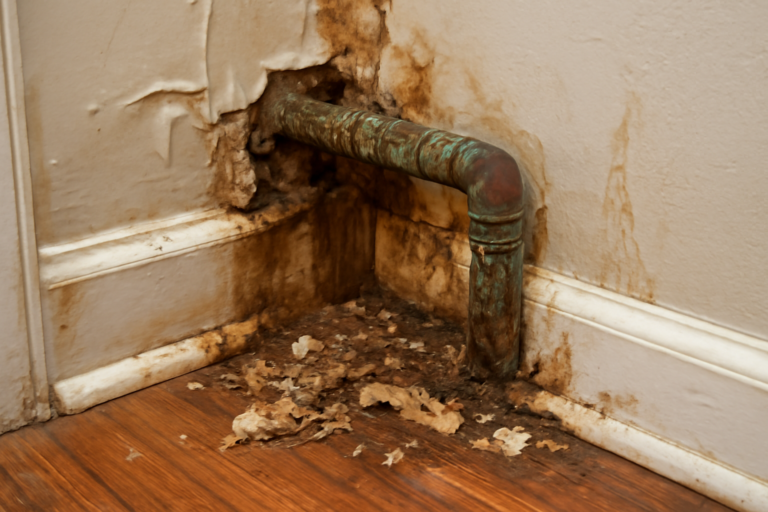
Look for discolored patches on ceilings, walls, or floors. These can appear as dark spots, rings, or peeling paint. These stains are clear evidence that water has been seeping into your building materials. They signal a need for immediate attention.
Warped or Sagging Walls and Ceilings
Water-logged drywall or plaster can become soft, warped, or even start to sag. This is a serious structural warning sign that indicates significant moisture saturation. It means the materials are losing their integrity and require professional assessment.
Peeling or Bubbling Paint and Wallpaper
Moisture trapped behind paint or wallpaper can cause it to peel, bubble, or blister. This is often seen around windows, doors, or in areas prone to leaks. It’s a visual cue that moisture is compromising finishes.
Soft or Spongy Flooring
If your carpet feels unusually damp or spongy underfoot, or if hard flooring like laminate or tile is lifting or feels soft, it’s a strong indication of water damage beneath the surface. This can lead to rot and structural decay if left unaddressed. Don’t ignore soft spots in your floors.
Increased Humidity or Condensation
A noticeable increase in indoor humidity, or excessive condensation on windows, can point to a water problem, especially if it’s accompanied by a damp smell. This suggests water vapor is accumulating, potentially leading to mold. It’s a sign of excessive moisture in the air.
Water Damage Repair vs. DIY: When To Call a Professional
| Situation | DIY? | Call a Pro? | Why |
|---|---|---|---|
| Small spill on a hard floor (e.g., kitchen tile) | Yes | No | Easy to clean up with towels and a mop, quick drying time. |
| Minor leak from a sink trap affecting only visible pipes | Maybe | Yes | Can be a tricky DIY fix; a pro ensures a proper seal and checks for hidden damage. |
| Water damage affecting drywall or plaster | No | Yes | Drywall absorbs water easily and needs specialized drying to prevent mold and structural issues. |
| Carpet soaking wet from a burst pipe or appliance leak | No | Yes | Requires powerful extraction equipment to remove deep moisture; DIY fans won’t dry it effectively. |
| Suspected mold growth, even if small | No | Yes | Mold requires professional containment and removal to prevent airborne spores and health risks. |
| Water damage in a finished basement or crawl space | No | Yes | These areas are enclosed and prone to hidden moisture, requiring expert assessment and drying techniques. |
While small, contained spills on non-porous surfaces are manageable for DIYers, anything more significant – especially involving carpets, drywall, or hidden areas – warrants professional attention. The risks of mold, structural damage, and inadequate drying are simply too high to tackle alone. We’re equipped to handle the complexities that DIY efforts can’t address, ensuring a complete and safe restoration.
Water Damage Repair Cost In Irondale, GA
The cost of water damage repair in Irondale, GA, can vary significantly based on the extent and type of water intrusion, the size of the affected area, and the materials that need repair or replacement. These figures are general estimates and a proper on-site assessment is always needed for an accurate quote. We aim to provide transparent pricing upfront.
| Service | Typical Price Range | What Affects Cost |
|---|---|---|
| Water Extraction and Drying | $500 – $3,500 | Amount of water, square footage, and drying time needed. |
| Moisture Assessment and Inspection | $100 – $500 | Complexity of the property and number of areas to check. |
| Structural Drying (Air Movers & Dehumidifiers) | $750 – $4,000+ | Duration of drying needed, number of units required. |
| Mold Prevention/Treatment | $500 – $2,000+ | Severity of mold, area affected, and type of treatment needed. |
| Drywall Replacement (per sheet) | $100 – $300 | Cost of materials and labor for removal and installation. |
| Flooring Repair/Replacement (e.g., carpet, laminate) | $500 – $5,000+ | Type of flooring, square footage, and underlayment damage. |
These ranges give you an idea of what to expect, but the best way to get a precise cost is to have our team visit your property. We offer free estimates for water damage repair so you know exactly what you’re getting into. We want to make the process as stress-free and affordable as possible.
Service Areas Near Irondale, GA
Avondale Estates, Belvedere Park, Candler-McAfee, Chamblee, Clarkston, Decatur, Druid Hills, Dunwoody, East Atlanta Village, Emory Grove, Fern Creek, Gresham Park, Lilburn, Lithonia, McAfee, North Decatur, North Druid Hills, Pine Hills, Redan, Smoke Rise, Stone Mountain, Tucker, Vinings, Waldo.
Common Questions About Water Damage Repair
How quickly do I need to address water damage?
You should address water damage as soon as possible. Within 24-48 hours, mold can begin to grow, and structural materials like drywall and wood can start to weaken. The longer you wait, the more extensive and costly the repairs will become. Our team is available to respond quickly and begin the drying and restoration process to minimize damage.
Will my homeowner’s insurance cover water damage repair?
Typically, homeowner’s insurance policies cover water damage caused by sudden and accidental events, like burst pipes or storm damage. However, they often exclude damage from slow leaks or lack of maintenance. It’s always best to review your specific policy or contact your insurance provider. We can help by providing detailed documentation of the damage and our repair process, which can be very useful when filing a claim. We want to make the insurance claims process smoother for you.
How long does water damage repair typically take?
The timeline for water damage repair varies greatly depending on the severity of the water intrusion, the types of materials affected, and the drying time required. Minor issues might be resolved in a few days, while extensive flooding could take weeks. Our priority is to dry your property thoroughly, which can take 3-7 days or longer. We’ll give you a realistic estimate after our initial assessment and keep you updated throughout the process. We strive for efficient, thorough restoration.
What are the health risks associated with untreated water damage?
Untreated water damage can lead to serious health risks, primarily from mold growth. Mold spores can cause allergic reactions, asthma attacks, and other respiratory problems. Prolonged exposure to mold and damp conditions can also contribute to sinus infections and other health issues. It’s crucial to ensure your home is completely dried and any mold is remediated to maintain a healthy living environment. We take these risks very seriously.
Can I dry out my wet carpet myself after a small leak?
For very small, contained spills on hard surfaces, you might be able to dry it yourself. However, for wet carpet, it’s generally not recommended. Carpets and their padding can hold a surprising amount of moisture deep down, and DIY methods like fans and portable dehumidifiers are rarely sufficient to dry them completely. This trapped moisture can lead to mold, mildew, and structural damage beneath the carpet. We use specialized equipment for effective carpet drying and restoration.
Check Our Other Relevant Services

Jerry Johns is a licensed Damage Restoration Expert with over 20 years of hands-on experience helping homeowners and businesses navigate property crises. As a trusted authority in the field, Jerry combines technical precision with a compassionate approach to disaster recovery.
𝗖𝗲𝗿𝘁𝗶𝗳𝗶𝗰𝗮𝘁𝗶𝗼𝗻𝘀: Jerry holds multiple elite IICRC certifications, including Water Damage Restoration (WRT), Applied Microbial Remediation (Mold), Applied Structural Drying (ASD), Odor Control, and Fire and Smoke Restoration.
𝗙𝗮𝘃𝗼𝗿𝗶𝘁𝗲 𝗣𝗮𝘀𝘁𝗶𝗺𝗲: When he isn’t on a job site, Jerry is an avid outdoorsman who enjoys fly fishing and restoring vintage woodworking tools.
𝗕𝗲𝘀𝘁 𝗣𝗮𝗿𝘁 𝗼𝗳 𝘁𝗵𝗲 𝗝𝗼𝗯: Jerry finds the most fulfillment in seeing the relief on a client’s face when their property is finally restored to its pre-loss condition, turning a stressful disaster into a fresh start.