
Trusted by 165+ Homeowners
Water Extraction Services in Lilburn, GA
- Over 165 5-Star Reviews
- Free Estimates and Quotes
- 100% Satisfaction Guaranteed
- Child, Family & Pet Safe Steps
- 24-Hour Emergency Service
- Fully Licensed & Insured

When Water Invades Your Lilburn Home: Fast Extraction is Key
You walk into your basement, or maybe just a downstairs hallway, and you see it. Water. It’s spreading across the floor, maybe pooling near the walls. You hear that faint gurgling sound, or perhaps it’s just the unsettling silence of a flooded room. The air might even carry that damp, musty smell of trouble. This isn’t just a spill; it’s a situation that needs immediate professional attention. You need to act fast to prevent deeper damage to your property.
Our neighbors in the area have trusted us for over 165 five-star reviews, especially when they need help with water extraction services. They know we understand the urgency and the science behind getting your home dry again. We’re not just about cleaning up; we’re about preventing long-term issues like mold and structural compromise. Getting the water out quickly and correctly is our top priority for your family.
- We use powerful, specialized equipment to remove standing water far more effectively than any home shop vac could.
- Our team works to extract water from carpets, subfloors, and even within walls, targeting hidden moisture sources.
- We understand the critical importance of rapid water removal to minimize the risk of secondary damage, like mold growth and warping.
The Science Behind Effective Water Extraction
When water gets into your home, it doesn’t just sit on the surface. It seeps into materials, creating hidden problems. Simply mopping up won’t cut it. Our approach to water extraction focuses on scientific drying protocols and meticulous moisture detection. We understand that what you can see is only part of the problem; it’s the moisture you *can’t* see that causes the most damage. Cutting corners here leads to bigger headaches later.
Initial Water Assessment
Our technicians first assess the type and extent of water damage. We identify the source and determine the best extraction strategy. This involves using moisture meters to map out the wet areas, ensuring no water is left behind. This crucial first step guides our entire operation.
Setting Up Containment
To prevent water from spreading to unaffected areas, we establish containment zones. This uses specialized barriers and equipment to isolate the wet environment. It’s a vital part of controlling the moisture migration and protecting the rest of your home.
Powerful Water Removal
This is where our specialized gear comes in. We deploy industrial-grade water extractors and pumps designed to remove large volumes of water quickly. These machines are far more powerful than anything you could rent, capable of sucking up water efficiently from carpets, padding, and hard surfaces.
Subsurface Water Extraction
Water often penetrates deep into carpets, padding, and even subfloors. We have techniques and equipment, like specialized mats and extractors, to pull this trapped moisture up. It’s about getting to the source of the wetness, not just the surface layer.
Air Mover and Dehumidifier Deployment
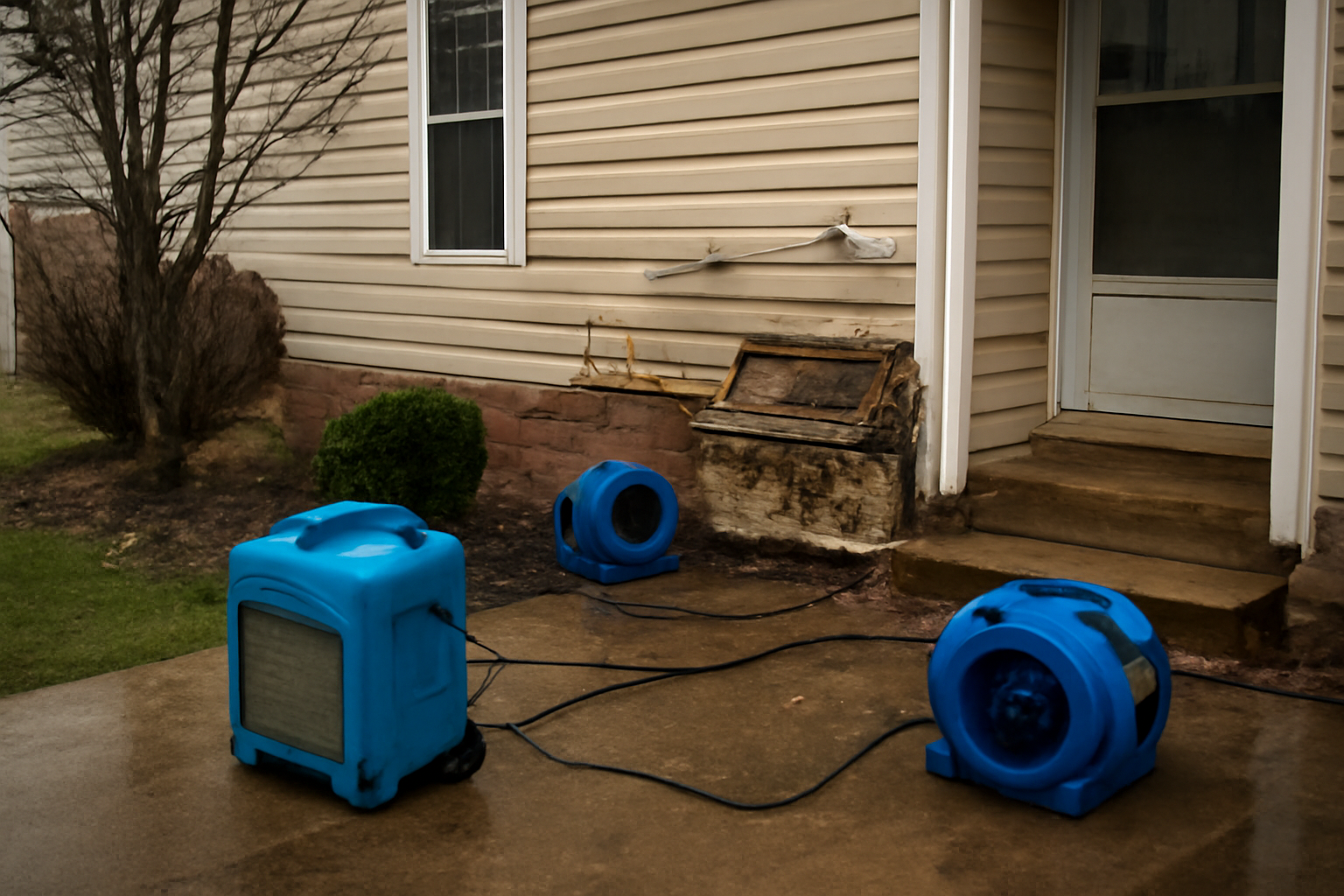
Once the bulk of the water is gone, our job isn’t finished. We strategically place high-speed air movers and industrial dehumidifiers. These work together to accelerate the drying process, removing residual moisture from the air and materials, and preventing mold before it starts.
Don’t wait for water to cause more damage. Call us now for fast, effective water extraction that protects your home.
Warning Signs You Need Water Extraction Services
Catching water issues early can save you a lot of money and stress. Ignoring subtle signs can turn a small problem into a major disaster. Your home might be telling you it needs our help even before you see a flood. These indicators are your best defense against widespread water damage.
Musty Odors That Won’t Go Away
That persistent damp, earthy smell, especially in basements or closets, is a classic sign of hidden moisture. If you can’t pinpoint the source but the smell lingers, it suggests water is actively present somewhere it shouldn’t be.
Visible Water Stains or Discoloration
Look for new or spreading stains on ceilings, walls, or floors. These often appear as yellow or brown marks and indicate that water has been absorbed by building materials. Early detection of stains is critical.
Peeling or Bubbling Paint/Wallpaper
When moisture gets behind paint or wallpaper, it causes them to lose their adhesion. You might see bubbling or peeling edges, especially near windows, doors, or plumbing fixtures. This is a clear visual cue of moisture intrusion.
Warped or Sagging Flooring
Hardwood floors can cup and warp, while laminate or vinyl can buckle when exposed to excess moisture. If your floors feel soft, spongy, or look uneven, it’s a strong indicator of water saturation beneath the surface.
Condensation on Windows or Walls
While some condensation is normal, excessive or persistent moisture buildup on interior surfaces can signal high humidity levels caused by a water problem. This creates a breeding ground for mold if not addressed.
Soft or Damp Drywall
Touch your walls, especially around baseboards or plumbing. If they feel soft, spongy, or noticeably damp, it means water has soaked into the drywall. This requires immediate extraction and drying.
Water Extraction Services vs. DIY: When To Call a Professional
| Situation | DIY? | Call a Pro? | Why |
|---|---|---|---|
| Small spill on a hard floor (e.g., kitchen tile) | Yes | No | Easy to mop up and dry thoroughly with towels. |
| Minor leak from a sink pipe, contained to one cabinet | Maybe | Yes | Easier to control, but professional drying ensures no hidden moisture remains. |
| Water damage covering a large carpeted area (e.g., living room) | No | Yes | DIY vacuums lack the power; professional equipment extracts deep moisture. |
| Water in the basement from a storm or foundation issue | No | Yes | Requires industrial pumps and drying systems to prevent mold and structural damage. |
| Water damage near electrical outlets or appliances | Absolutely Not | Yes | Extreme safety risk; professionals have the expertise and equipment to handle this. |
| Any situation where water has been standing for more than 24 hours | No | Yes | The risk of mold growth and structural compromise increases dramatically. |
For anything beyond a minor surface spill, calling a professional for water extraction is almost always the wiser choice. It ensures proper drying and prevents hidden damage.
Water Extraction Services Cost In Lilburn, GA
The cost for water extraction in Lilburn, GA, can vary greatly depending on the scale of the problem. Factors like the amount of water, the size of the affected space, the type of materials involved, and how long the water has been present all play a role. These are general estimates, not firm quotes.
| Service | Typical Price Range | What Affects Cost |
|---|---|---|
| Initial Water Extraction (up to 500 sq ft) | $500 – $1,500 | Volume of water and type of flooring. |
| Large Area Extraction (500 – 1500 sq ft) | $1,500 – $4,000 | Extent of saturation and accessibility. |
| Carpet and Pad Water Removal | $1 – $3 per sq ft | Thickness of carpet and pad saturation. |
| Subfloor Water Extraction | $500 – $2,000+ | Depth of water and complexity of removal. |
| Moisture Monitoring and Drying Equipment Rental | $300 – $1,000+ | Duration of drying and number of units needed. |
| Emergency Service Call (After Hours) | Additional 25-50% | Time of day, weekend, or holiday service. |
Getting an accurate estimate for your specific situation requires an on-site assessment. We offer free, no-obligation estimates so you know exactly what to expect.
Service Areas Near Lilburn, GA
Snellville, Tucker, Stone Mountain, Norcross, Lawrenceville, Duluth, Suwanee, Johns Creek, Chamblee, Decatur, Atlanta, Marietta, Sandy Springs, Alpharetta, Kennesaw, Woodstock, Canton, Cartersville, Hiram, Dallas.
Common Questions About Water Extraction Services
How quickly do you need to extract water after a flood?
Ideally, water extraction should begin within 24 hours of the water intrusion. The longer water sits, the more it saturates materials, making them prone to mold growth and structural weakening. Our team is ready to respond quickly to get the process started.
What’s the difference between water extraction and just drying?
Water extraction is the critical first step of removing the bulk of the standing or saturated water using powerful equipment. Drying is the subsequent process of removing residual moisture using air movers and dehumidifiers. You can’t effectively dry until the majority of the water is extracted.
Will insurance cover water extraction services?
In many cases, yes. Standard homeowner’s insurance policies typically cover water damage from sudden and accidental sources, like burst pipes or appliance malfunctions. We work with insurance adjusters to document the damage and ensure your claim is processed correctly.
How much does water extraction typically cost in Lilburn, GA?
Costs can range from a few hundred dollars for a small, contained spill to several thousand for extensive basement flooding. The price depends on the square footage affected, the amount of water, and the complexity of the job. We provide detailed estimates after assessing your property.
Can I prevent water damage from happening in the first place?
While not all water damage is preventable, regular maintenance can help. This includes checking hoses on appliances, inspecting plumbing for leaks, ensuring your sump pump is working, and maintaining your roof and gutters. Promptly addressing any small leaks is key.
Check Our Other Relevant Services
Serving Lilburn, GA And Nearby Areas


