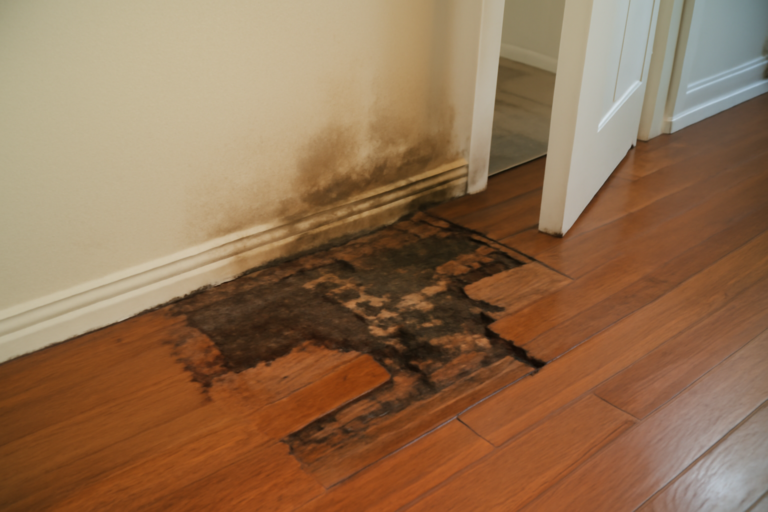
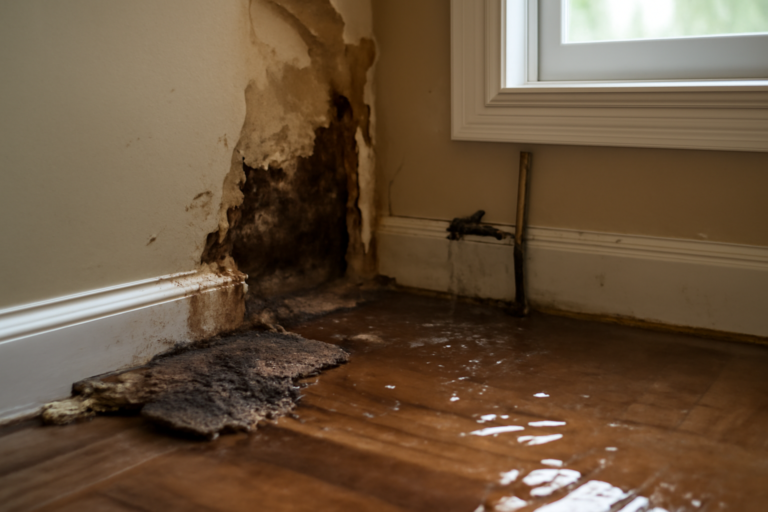
Trusted by 165+ Homeowners
Water Extraction Services in Marietta, GA
- Over 165 5-Star Reviews
- Free Estimates and Quotes
- 100% Satisfaction Guaranteed
- Child, Family & Pet Safe Steps
- 24-Hour Emergency Service
- Fully Licensed & Insured

Expert Water Extraction Services in Marietta, GA
Did you know that even a small water leak can affect over 1,000 square feet of your home within just 24 hours? That’s a lot of potential damage. When water invades your property, whether it’s from a burst pipe, a leaky appliance, or heavy rain, acting fast is crucial. Our team understands the urgency you’re facing right now. We’re here to help you navigate this stressful situation with practical, efficient water extraction.
Locally, homeowners trust our team for a reason. With over 165 five-star reviews, we’ve proven our commitment to restoring properties effectively. We don’t just remove water; we focus on preventing further damage and addressing the root cause. You’ll find our approach is direct and focused on getting your home back to normal as quickly as possible.
- We use specialized equipment to remove standing water quickly, minimizing damage to your floors, walls, and belongings.
- Our process helps prevent mold and mildew growth by thoroughly drying affected areas, protecting your home’s structure and your family’s health.
- We work closely with your insurance company, providing detailed documentation to help streamline your claim and manage costs effectively.
How Water Extraction Actually Works
A proper water extraction process is more than just mopping up a mess. It’s a scientific approach to removing moisture and preventing secondary damage. Cutting corners here can lead to persistent mold issues and structural problems down the line. We follow a meticulous procedure to ensure your property is dried correctly, protecting your investment. Working with insurance companies is a key part of this, and we’re skilled at documenting the damage to support your claim.
Initial Water Assessment and Containment
The first step involves a thorough assessment of the water source and the extent of the damage. We’ll identify the type of water (clean, gray, or black) and take immediate steps to stop the flow and prevent it from spreading further. This often involves shutting off water mains or isolating the affected area. We use industrial-grade containment barriers to protect unaffected parts of your property. This initial phase is critical for controlling the situation and setting the stage for effective drying.
Immediate Water Extraction
This is where we bring in our powerful equipment. We use truck-mounted and portable water extractors that are far more effective than anything you can rent. These machines can remove thousands of gallons of water per hour, rapidly lowering the moisture level in your home. The goal is to remove as much standing water as possible within the first 24-48 hours to prevent long-term damage. You’ll see a significant difference quickly.
Advanced Drying and Dehumidification
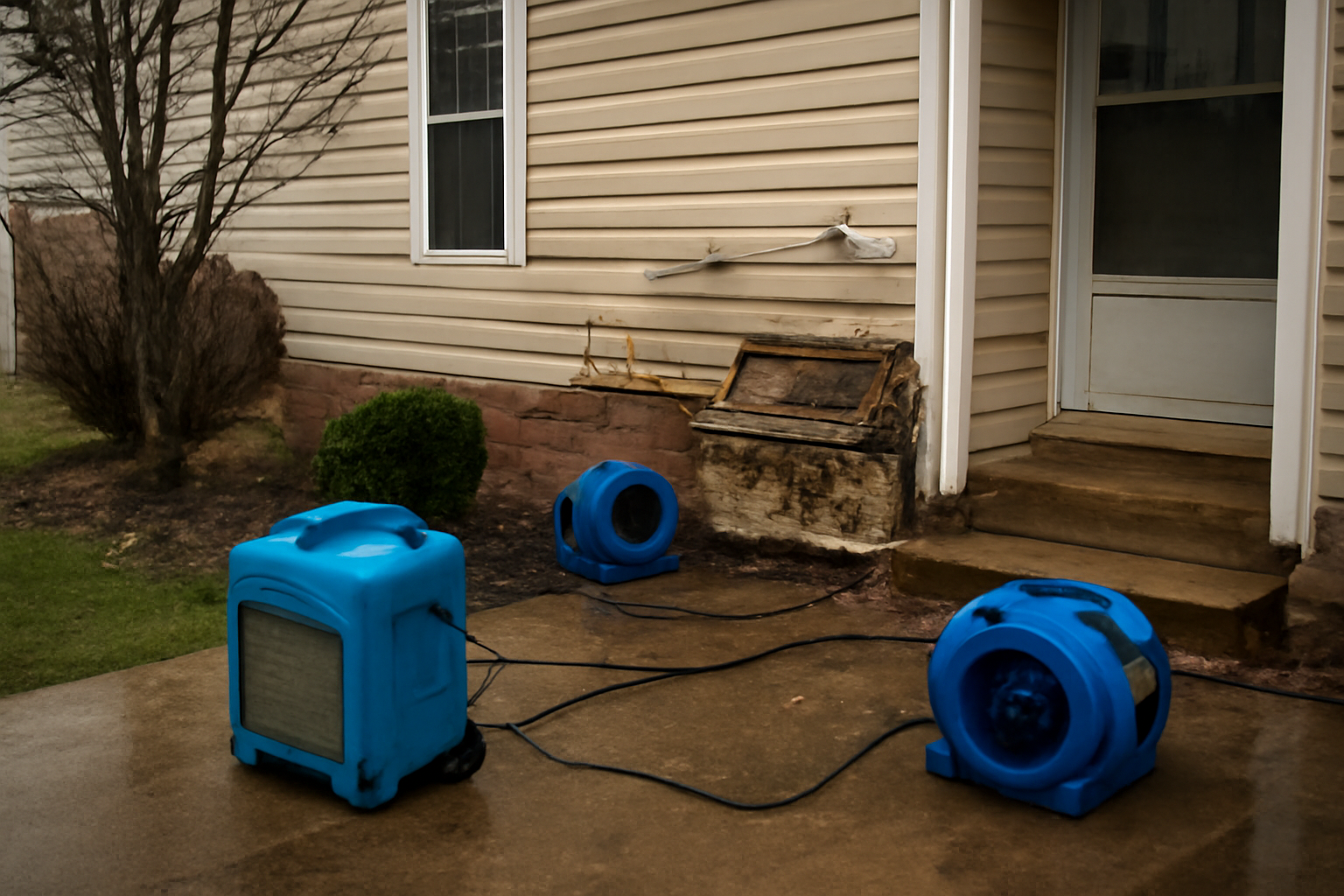
Once the bulk of the water is gone, the real work of drying begins. We deploy specialized drying equipment, including high-velocity air movers and powerful dehumidifiers. These units work together to accelerate the evaporation process and pull moisture out of the air and materials like drywall, wood, and carpet padding. This stage can take several days, depending on the saturation level and building materials. Consistent monitoring is key here.
Moisture Detection and Monitoring
Throughout the drying process, our technicians use advanced moisture meters and thermal imaging cameras. This ensures we’re not just drying the surface but also reaching deep into structural components. We’ll track moisture content in different materials to confirm they are returning to acceptable, pre-loss levels. This detailed monitoring is essential for preventing hidden moisture that could lead to mold or rot later. Your home’s safety is our priority.
Odor Control and Sanitization
Water damage often brings unpleasant odors. Once drying is complete, we address any lingering smells using professional deodorizing treatments. Depending on the type of water involved, sanitization may also be necessary to eliminate bacteria and prevent health risks. We use EPA-approved cleaning agents to ensure your environment is safe and healthy. This step helps restore not just your home’s structure but also its comfortable atmosphere.
Don’t wait for water damage to worsen. Contact our team immediately to start the water extraction process. We’re ready to help you protect your property and your investment.
Warning Signs You Need Water Extraction Services
Ignoring early signs of water intrusion can turn a minor issue into a major headache and a significant expense. Catching these indicators early allows our team to perform efficient water extraction, saving you money and preventing more severe structural damage. Pay attention to your home; it often tells you when something is wrong.
Musty Odors That Won’t Go Away
A persistent, musty smell, especially in basements or enclosed spaces, is a strong indicator of hidden moisture. This odor is often caused by mold or mildew beginning to grow. It means water is present and likely has been for some time. Don’t just mask the smell; find the source.
Visible Water Stains or Discoloration
Look for new or expanding water stains on ceilings, walls, or floors. These marks are a clear sign that water has penetrated the material. The discoloration can worsen over time and indicate damage to paint, drywall, or wood. Prompt attention is needed to prevent further material breakdown.
Peeling or Bubbling Paint and Wallpaper
When moisture gets behind paint or wallpaper, it can cause them to peel, bubble, or blister. This indicates that the underlying surface is becoming saturated. It’s a visual cue that water is compromising the integrity of your finishes. Addressing this early saves you from having to repaint or re-wallpaper.
Warped or Sagging Floors and Ceilings
Wood floors can swell and warp when exposed to moisture, and ceiling materials can sag if they absorb water. This is a serious sign of significant water saturation. It suggests that the structural integrity of these components may be compromised. Immediate professional assessment is vital.
Unexplained Dampness or Soft Spots
If you notice areas of your carpet, walls, or subflooring that feel unusually damp or soft to the touch, it’s a red flag. Even without visible leaks, these soft spots mean moisture is present. This could be from a slow leak or condensation issues. These areas are prime spots for mold growth.
Increased Humidity Levels Indoors
A sudden increase in indoor humidity, making your home feel muggy or clammy, can signal a water problem. This often happens when a leak is slowly releasing moisture into the air. You might also notice condensation on windows or pipes. Managing humidity is key to preventing damage.
Water Extraction Services vs. DIY: When To Call a Professional
| Situation | DIY? | Call a Pro? | Why |
|---|---|---|---|
| Minor spill on hard floor (e.g., kitchen tile) | Yes | No | Easy to wipe up, minimal risk of damage. |
| Small leak from a sink trap (clean water) | Yes, with caution | No | Can be managed with towels and fans if contained quickly. |
| Water damage covering more than a few square feet | No | Yes | Requires specialized equipment for thorough drying and preventing mold. |
| Water from a toilet overflow or sewage backup (black water) | Absolutely Not | Yes | Extreme health hazard; requires professional containment, removal, and sanitization. |
| Water seeping into carpets and padding | No | Yes | Difficult to dry completely, high risk of mold and odor without professional equipment. |
| Water damage affecting drywall or subflooring | No | Yes | Materials absorb water deeply; professional drying is needed to prevent structural issues. |
While small, contained spills might be manageable for a DIYer, any significant water intrusion or damage to porous materials like carpet, drywall, or wood requires professional intervention. Our team has the expertise and equipment to handle these situations effectively, ensuring your home is properly dried and protected.
Water Extraction Services Cost In Marietta, GA
The cost for water extraction services in Marietta, GA, can vary widely. Factors include the amount of water to be removed, the size of the affected area, the type of materials damaged, and the time it takes to dry everything thoroughly. These figures are estimates and not exact quotes.
| Service Aspect | Typical Price Range | What Affects Cost |
|---|---|---|
| Initial Water Extraction (up to 500 sq ft) | $500 – $1,500 | Amount of standing water and accessibility. |
| Advanced Drying Equipment Rental (per day) | $100 – $300 | Number and type of air movers/dehumidifiers needed. |
| Moisture Monitoring and Assessment | $200 – $700 | Complexity of the structure and extent of suspected damage. |
| Odor Removal Treatments | $250 – $1,000 | Severity of odor and size of area treated. |
| Basic Sanitization | $300 – $800 | Type of sanitizing agent and area covered. |
| Full Structural Drying (larger losses) | $2,000 – $10,000+ | Severity of saturation, building materials, and duration of drying. |
An accurate estimate requires an on-site inspection by our trained technicians. We offer free, no-obligation estimates for water extraction services. Contact us to schedule yours.
Service Areas Near Marietta, GA
Acworth, Alpharetta, Austell, Ball Ground, Blairsville, Brookhaven, Cartersville, Canton, Cedartown, Dallas, Dunwoody, Ellijay, Fayetteville, Hiram, Johns Creek, Kennesaw, Lawrenceville, Lithia Springs, Lithonia, Mableton, Marietta, Milton, Morrow, Mountain View, Newnan, Norcross, Peachtree City, Powder Springs, Roswell, Sandy Springs, Smyrna, Snellville, Stockbridge, Suwanee, Talking Rock, Temple, Tucker, Tyrone, Union City, Vinings, Woodstock.
Common Questions About Water Extraction Services
How quickly do you respond to water extraction calls?
We understand that time is critical with water damage. Our team aims to respond to calls as quickly as possible, often within the same day, especially for emergencies. The sooner we can begin the water extraction process, the less damage your property will sustain. We prioritize getting our technicians to your location promptly to start mitigating the situation.
What is the difference between clean, gray, and black water?
Clean water comes from a source like a burst pipe or overflowing sink and is generally not a health risk. Gray water comes from sources like a washing machine or dishwasher and may contain some contaminants. Black water comes from sewage or contaminated floodwaters and is a serious health hazard, requiring specialized handling and disposal. We assess the water type immediately to implement the correct safety protocols and extraction methods.
How long does the entire water extraction and drying process take?
The timeline varies greatly depending on the extent of the water damage. Initial water extraction can often be completed within 1-3 days. However, the subsequent drying and dehumidification process, where we use specialized equipment to remove moisture from materials, can take anywhere from 3 to 14 days or even longer for severe cases. We’ll provide you with a realistic timeline after our initial assessment.
Will my homeowner’s insurance cover water extraction services in Marietta, GA?
Most homeowner’s insurance policies cover water extraction and subsequent drying if the damage resulted from a sudden, accidental event like a burst pipe or storm damage. Policies typically do not cover damage from gradual leaks or flooding. We work directly with insurance adjusters and can help document the damage to support your claim. Understanding your specific policy is key, and we can assist with that process.
What can I do to prevent mold after water damage?
The best prevention is thorough and rapid drying, which is exactly what our water extraction service provides. We use powerful equipment to remove water and then specialized drying techniques to ensure all materials return to safe moisture levels. Promptly addressing the water source and ensuring complete drying are the most critical steps in preventing mold growth. Regular home maintenance can also help avoid the initial water intrusion.
Check Our Other Relevant Services
Serving Marietta, GA And Nearby Areas