
Trusted by 165+ Homeowners
Water Heater Burst Cleanup in Alpharetta, GA
- Over 165 5-Star Reviews
- Free Estimates and Quotes
- 100% Satisfaction Guaranteed
- Child, Family & Pet Safe Steps
- 24-Hour Emergency Service
- Fully Licensed & Insured
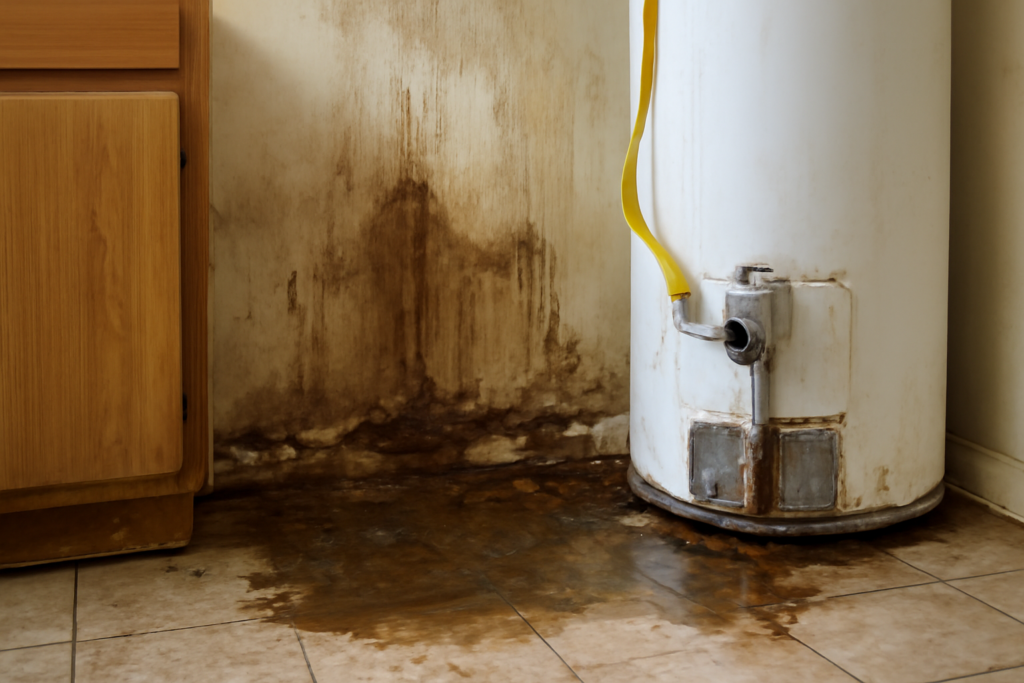
When Your Water Heater Bursts in Alpharetta, GA: What You Need to Know Immediately
A burst water heater is one of those emergencies that can happen without warning, leaving you with a flooded home and a lot of stress. The first thing you should do, after ensuring everyone’s safety, is to locate your home’s main water shut-off valve and turn it off. This simple step is crucial because it stops more water from flooding your property, and it’s something many homeowners overlook in the panic. Dealing with significant water damage from a burst tank requires a swift and methodical approach, and we’re here to help you navigate this unexpected challenge. Understanding the immediate steps you can take can make a big difference in the aftermath.
We’ve helped hundreds of homeowners in the area recover from water heater emergencies, and our 165+ five-star reviews reflect the trust they place in our team. When your water heater fails, it’s not just about the water; it’s about preventing further damage like mold growth and structural issues. Local families choose us because we understand the urgency and provide a reliable, rapid response to get your home back to normal as quickly as possible. We focus entirely on the specifics of water heater failures, making sure you get the targeted help you need.
- We act fast to prevent secondary damage, like mold, by starting the drying process within hours of your call.
- Our technicians are specifically trained in the unique challenges presented by burst water heaters, understanding the contaminants and materials involved.
- We work directly with your insurance company to simplify the claims process, making it easier for you to get the coverage you deserve.
How We Handle Your Water Heater Burst Cleanup
When a water heater tank ruptures, the volume of water released can be immense, and the clock starts ticking the moment it happens. A slow, ineffective cleanup process can turn a manageable situation into a costly disaster, leading to warped floors, damaged drywall, and even compromised electrical systems. That’s why our team follows a proven, rapid recovery protocol specifically designed for these types of emergencies. We understand that every minute counts in mitigating water damage, especially when it originates from a source like a water heater, which can sometimes introduce sediment or rust into the water.
Step 1: Immediate Water Extraction
As soon as our crews arrive, we begin the critical task of removing standing water. We use powerful, truck-mounted extraction units and specialized submersible pumps to remove hundreds of gallons of water quickly. This initial phase is vital for minimizing saturation and preventing water from seeping deeper into your home’s structure. We aim to complete this stage as efficiently as possible, often within the first few hours of arrival.
Step 2: Advanced Drying and Dehumidification
Once the bulk of the water is gone, we deploy industrial-grade air movers and dehumidifiers. These machines work tirelessly to draw moisture out of the air and building materials, like your subfloors and walls. Our goal is to get your home back to its normal humidity levels and dry materials thoroughly, preventing long-term issues. This process can take several days, depending on the extent of the damage.
Step 3: Structural Drying and Monitoring
We don’t just dry the surface; we focus on drying the hidden areas where water likes to hide. This includes wall cavities and under floors. Using moisture meters and thermal imaging cameras, our technicians meticulously monitor the drying progress. This ensures that all affected areas are addressed, preventing mold growth and ensuring the integrity of your home’s structure. We’ll keep you informed about our findings throughout this process.
Step 4: Odor Control and Sanitization
Water from a burst tank can sometimes carry unpleasant odors or even contaminants. We use professional-grade deodorizing agents and sanitizers to eliminate any lingering smells and ensure your home is safe and healthy. Our technicians are trained to neutralize odors effectively, leaving your home smelling fresh and clean. This step is crucial for your family’s well-being.
Step 5: Reconstruction and Restoration
After the drying and sanitization are complete, we can begin the process of putting your home back together. This might involve replacing damaged drywall, flooring, or baseboards. Our team coordinates these repairs to ensure your home is restored to its pre-loss condition. We aim to make this transition as smooth as possible for you.
Don’t wait to address a burst water heater; contact our emergency team immediately to start the recovery process. The sooner we begin, the less damage your home will sustain.

Warning Signs You Need Water Heater Burst Cleanup
Sometimes, the damage from a water heater isn’t a sudden, dramatic flood. You might notice subtle signs first that indicate a problem is brewing or has already occurred. Catching these early can save you a lot of trouble and expense down the line. Ignoring these signals can lead to more extensive and costly repairs, including potential mold issues.
Persistent Musty Odors
If you notice a persistent, damp, or musty smell in your basement or near where your water heater is located, it could be a sign of hidden water leaks or moisture buildup. This smell often indicates that water has been present for some time, potentially causing damage you can’t yet see. It’s a strong indicator that a thorough inspection is needed.
Visible Water Stains or Dampness
Look for any water stains on ceilings, walls, or floors, especially in areas adjacent to your water heater. Dampness or discoloration is a clear sign of water intrusion, and it’s important to investigate the source immediately. Even small spots can point to a larger leak from the tank or its connections.
Unusual Noises from the Water Heater
While some noises are normal, loud popping, rumbling, or hissing sounds coming from your water heater could indicate sediment buildup or internal corrosion. These issues can weaken the tank and eventually lead to a burst. Addressing these warning sounds promptly can help prevent a catastrophic failure.
Reduced Hot Water or Fluctuating Temperatures
If you’re suddenly getting less hot water than usual or the temperature is inconsistent, it might mean your water heater is leaking internally or not functioning correctly. This can lead to water pooling around the unit. A malfunctioning unit requires attention to prevent further damage.
Corrosion or Leaks Around the Base
Inspect the base of your water heater for any signs of rust, corrosion, or actual water pooling. A leaking tank is a serious problem that demands immediate attention. This is often a direct indication of tank failure, and professional cleanup is essential.
A Wet or Damp Floor Around the Unit
Simply feeling or seeing a wet spot on the floor around your water heater is a definitive sign that water is escaping. This could be a slow drip or a more significant leak from the tank or plumbing connections. Immediate cleanup and repair are necessary to prevent damage to your flooring and subfloor.
Water Heater Burst Cleanup vs. DIY: When To Call a Professional
| Situation | DIY? | Call a Pro? | Why |
|---|---|---|---|
| Minor condensation or small drip from a pipe fitting | Yes, if you’re comfortable with basic plumbing. | No | This is usually a simple fix that doesn’t involve the main tank. |
| Standing water covering a small area of tile floor | Maybe, with proper equipment. | Yes | Tile is less porous, but subfloor damage is still a risk. |
| Water has soaked into carpet and padding | No | Yes | Carpet requires specialized drying equipment to prevent mold and irreparable damage. |
| Water has reached drywall or insulation | No | Yes | These materials absorb water quickly and are prone to mold and structural compromise. |
| The water heater tank itself has visibly ruptured | Absolutely Not | Yes | This involves a large volume of water, potential contaminants, and requires professional assessment and restoration. |
| You suspect mold growth or a musty odor | No | Yes | Mold remediation requires specialized knowledge, equipment, and safety protocols. |
For anything beyond a minor drip, calling a professional team is almost always the safest and most effective choice. A burst water heater tank involves significant water volume and potential contamination that requires specialized equipment and expertise to handle correctly. Our crews are equipped to manage the entire process, from extraction to complete restoration.
Water Heater Burst Cleanup Cost In Alpharetta, GA
The cost of water heater burst cleanup in Alpharetta, GA, can vary significantly based on the severity of the leak, the size of the affected area, and the materials damaged. These are general estimates to help you understand potential expenses. Our team provides transparent, upfront pricing after an initial assessment.
| Service | Typical Price Range | What Affects Cost |
|---|---|---|
| Emergency Water Extraction | $300 – $1,500 | Volume of water, accessibility, and speed of response. |
| Structural Drying (Air Movers & Dehumidifiers) | $500 – $3,000+ | Duration of drying needed, size of affected area, and number of units deployed. |
| Odor Control and Sanitization | $200 – $800 | Type of deodorizers used and the extent of contamination. |
| Carpet and Pad Removal/Disposal | $100 – $500 | Square footage of carpet and disposal fees. |
| Minor Drywall Repair and Replacement | $400 – $1,200 | Square footage of damaged drywall and finishing required. |
| Subfloor Drying and Repair | $700 – $3,500+ | Extent of subfloor saturation and need for replacement or specialized drying. |
The most accurate way to determine the cost is to have our team perform an on-site inspection. We offer free, no-obligation estimates to help you understand the scope of work and associated costs. We’re committed to providing fair pricing for your emergency.
Service Areas Near Alpharetta, GA
Suwanee, Johns Creek, Duluth, Norcross, Sandy Springs, Roswell, Milton, Marietta, Cumming, Canton, Buford, Lawrenceville, Lilburn, Tucker, Chamblee, Doraville, Dunwoody, Peachtree Corners, Smyrna, Kennesaw
Common Questions About Water Heater Burst Cleanup
What should I do if my water heater leaks all over the floor?
First, ensure your family’s safety. Then, shut off the main water supply to your home. If the water is still flowing, unplug any nearby electrical appliances. For the cleanup, it’s best to call us immediately. We’ll perform professional water extraction and begin the drying process to prevent further damage. We have the equipment to handle large volumes of water efficiently.
How long does water heater burst cleanup take?
The timeline varies greatly depending on the amount of water and the extent of saturation. Water extraction can often be completed within hours. However, the drying and dehumidification process typically takes three to five days, sometimes longer if materials are deeply saturated. We’ll give you a more precise estimate after our initial assessment.
Is the water from a burst water heater dangerous?
While often not hazardous, water from a burst tank can contain sediment, rust, or other impurities from the tank’s interior. It’s important to avoid direct contact if possible. Our technicians use proper protective gear and sanitizing agents to ensure the affected areas are safe and clean after the cleanup. We prioritize your family’s health.
What kind of equipment do you use for water heater burst cleanup?
We utilize professional-grade equipment like truck-mounted water extractors, high-speed air movers, powerful dehumidifiers, and moisture meters. For more complex situations, we might also use thermal imaging cameras to detect hidden moisture. This advanced equipment ensures thorough drying and effective restoration, far beyond what standard home appliances can achieve.
Can I prevent my water heater from bursting?
Regular maintenance is key. Consider flushing your water heater annually to remove sediment buildup and inspecting the anode rod every few years for corrosion. Replacing your water heater before it reaches the end of its typical lifespan (often 8-12 years) can also prevent sudden failures. While not all bursts are preventable, these steps can significantly reduce the risk and help you avoid an emergency.
Check Our Other Relevant Services
- Ice Maker Line Leak Damage Restoration in Alpharetta, GA
- Skylight Leak Water Damage Restoration in Alpharetta, GA
Serving Alpharetta, GA And Nearby Areas


