Trusted by 165+ Homeowners
Water Heater Leak Damage Restoration in Dahlonega, GA
- Over 165 5-Star Reviews
- Free Estimates and Quotes
- 100% Satisfaction Guaranteed
- Child, Family & Pet Safe Steps
- 24-Hour Emergency Service
- Fully Licensed & Insured

Don’t Let a Water Heater Leak Ruin Your Dahlonega, GA Home
You walk into your basement or utility closet and see it: a growing puddle spreading from your water heater. Maybe it’s a slow drip you just noticed, or perhaps it’s a more significant leak that’s already soaked the floor and is starting to creep up the walls. That musty smell hits you, and you know you’ve got a problem. Dealing with water heater leaks requires immediate action, and we’re here to help you tackle this specific damage head-on in your Dahlonega, GA home.
Homeowners around here trust our team when this kind of unexpected damage occurs. With over 165 five-star reviews from your neighbors, we understand the stress this situation brings. We focus solely on restoring damage from water heater leaks, ensuring your property is handled with the care and expertise it deserves, getting things back to normal quickly.
- We specialize in drying and restoring areas specifically affected by water heater leaks, preventing mold growth and structural damage unique to this type of water intrusion.
- Our technicians use advanced moisture meters and thermal imaging to pinpoint hidden water, ensuring every affected area is properly identified and treated, not just what you can see.
- We focus on restoring the specific materials damaged by your water heater leak, whether it’s drywall, subflooring, or insulation, using methods designed to save what’s salvageable.
How We Tackle Water Heater Leak Damage
When a water heater leaks, it’s not just about mopping up water. It’s about understanding how that water has penetrated your home’s structure and how to remove it efficiently and safely. Our methodical approach to water heater leak damage restoration is designed to stop the problem at its source and then meticulously dry and restore your property. Cutting corners here can lead to lingering moisture, mold, and long-term structural issues. We’re committed to a thorough, science-based process.
Emergency Water Extraction
As soon as we arrive, our first step is to remove all standing water. We use powerful truck-mounted and portable extraction units to pull out as much water as possible. This prevents further saturation and begins the drying process, often removing hundreds of gallons in a short time.
Advanced Drying Equipment
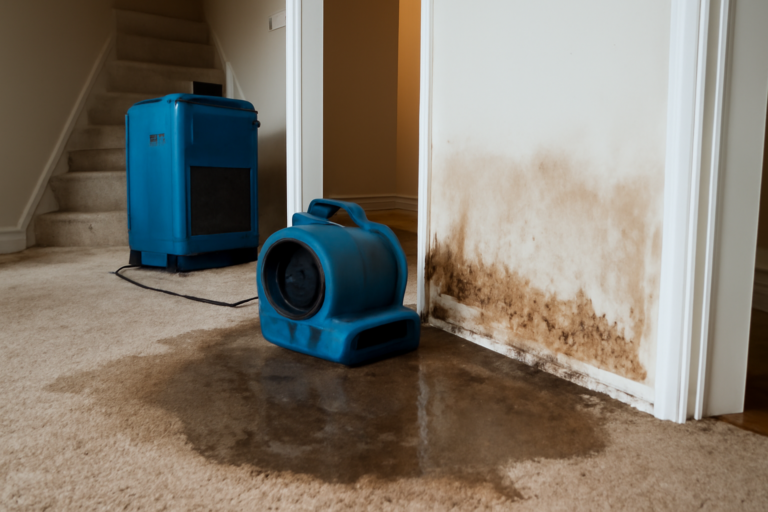
We deploy specialized equipment like industrial-grade air movers and dehumidifiers. These machines work together to control humidity levels and accelerate evaporation, creating an environment where materials can dry out completely. We monitor the process closely, adjusting equipment as needed to ensure effective moisture removal.
Containment Procedures
To prevent the spread of moisture and potential contaminants, we establish containment zones. Using barriers like plastic sheeting, we isolate the affected area. This is crucial for maintaining indoor air quality and ensuring that the drying process is focused and efficient, protecting unaffected areas.
Moisture Monitoring and Assessment
Throughout the drying phase, our technicians use advanced moisture meters and infrared cameras. These tools allow us to measure moisture content in materials like wood, drywall, and carpet padding. We track progress daily, ensuring that we reach pre-loss moisture levels before we consider the drying complete.
Reconstruction and Material Replacement
Once everything is thoroughly dried, we address any damaged materials. This might involve removing and replacing soaked drywall, insulation, or flooring. Our goal is to restore your home to its pre-leak condition, ensuring structural integrity and a healthy living environment.
Don’t wait for the damage to worsen. Call us today to get a fast, professional assessment and start the restoration process immediately. We’re ready to help you reclaim your home now.

Warning Signs You Need Water Heater Leak Damage Restoration
Catching the early signs of a water heater leak is critical. Ignoring small issues can lead to much larger, more expensive problems down the line, including significant structural damage and mold growth. Pay close attention to these indicators; they’re your home’s way of telling you something’s wrong.
Musty Odors That Won’t Go Away
A persistent damp, mildewy smell, especially in the area around your water heater or basement, is a strong indicator of hidden moisture. This odor often signifies early mold development from a slow, undetected leak.
Visible Water Stains or Puddles
Any visible water on the floor, walls, or ceiling near your water heater is an obvious sign. These stains or standing puddles mean the leak is active and water damage is occurring right now.
Corrosion or Rust on the Water Heater
Look for rust or corrosion around the base of the tank or on the pipes connected to your water heater. This often means water has been slowly leaking and pooling, leading to metal degradation and potential tank failure.
Changes in Your Water Pressure
A sudden drop in water pressure throughout your home could indicate a significant leak in the plumbing system connected to your water heater. This is a sign of a serious plumbing issue that needs immediate attention.
Sound of Dripping or Running Water
If you hear persistent dripping, trickling, or running water sounds when no faucets are on, it’s a clear sign of a leak. This sound could be coming from the tank itself or its associated plumbing, indicating active water loss.
Peeling Paint or Warped Materials
Moisture wicking into drywall or wood can cause paint to peel, bubble, or blister. You might also notice warped floorboards or cabinetry. These are visual cues that water intrusion is ongoing and damaging your home’s surfaces.
Water Heater Leak Damage Restoration vs. DIY: When To Call a Professional
| Situation | DIY? | Call a Pro? | Why |
|---|---|---|---|
| Small drip from a pipe connection | Maybe, if you’re handy and have basic tools. | Yes, if you’re unsure or the leak is persistent. | Improper fixes can worsen leaks or cause other plumbing issues. |
| Standing water on the floor | Only for immediate mop-up. | Yes, absolutely. | You need professional extraction and drying to prevent hidden damage. |
| Suspected leak inside the water heater tank | No. | Yes, definitely. | Tank leaks often mean the tank itself is failing and needs replacement. |
| Musty odors and no visible water | No. | Yes, immediately. | This signals hidden moisture and potential mold growth requiring specialized detection. |
| Water damage affecting electrical outlets or appliances | No, safety first. | Yes, this is an emergency. | Contact with water poses a serious electrical hazard and requires expert handling. |
| Visible mold growth | No. | Yes, without delay. | Mold remediation requires specific safety protocols and equipment for effective removal. |
While you can handle immediate cleanup of small drips, the underlying issues and potential for hidden damage from water heater leaks are best managed by professionals. Our team has the specialized equipment and training to ensure your property is truly dry and restored, preventing long-term structural problems.
Water Heater Leak Damage Restoration Cost In Dahlonega, GA
The cost for water heater leak damage restoration in Dahlonega, GA, can vary significantly based on the extent of the damage, the size of the affected area, and the specific materials that need restoration. These estimates provide a general idea, but an on-site assessment is always necessary for an accurate quote.
| Service Aspect | Typical Price Range | What Affects Cost |
|---|---|---|
| Water Extraction & Initial Drying | $500 – $2,500 | Volume of water, size of affected space, and accessibility. |
| Dehumidification & Air Movement | $300 – $1,500 | Duration of drying needed, number and type of machines required. |
| Mold Inspection & Testing | $300 – $1,000 | Size of area inspected, complexity of testing required. |
| Drywall Removal & Replacement | $200 – $500 per sheet | Labor costs, type of drywall, and finishing required. |
| Subfloor Drying & Repair | $500 – $3,000+ | Depth of water saturation, extent of wood damage, and need for replacement. |
| Flooring Removal & Replacement | $500 – $5,000+ | Type of flooring (carpet, tile, wood), square footage, and material cost. |
These figures are estimates for water heater leak damage restoration. For a precise understanding of your costs, we offer free on-site estimates. Our team will walk you through the damage and provide a clear breakdown, so you know exactly what to expect. We aim for transparent pricing.
Service Areas Near Dahlonega, GA
We proudly serve Dahlonega, GA, and the surrounding communities including Cleveland, Clermont, Murrayville, Gainesville, Oakwood, Flowery Branch, Buford, Suwanee, Johns Creek, Alpharetta, Milton, Cumming, Dawsonville, Dahlonega, Amicalola, Auraria, Crisson, Etowah, Hightower, and Tate. We’re your local resource for water heater leak damage restoration.
Common Questions About Water Heater Leak Damage Restoration
What should I do immediately after discovering a water heater leak?
Your first steps are crucial. If it’s safe, turn off the water supply to the heater and shut off the power or gas to prevent further damage or hazards. Then, remove any excess water if possible and call us immediately. Prompt action is key to minimizing long-term water damage and preventing mold.
How long does water heater leak damage restoration typically take?
The timeline depends heavily on the severity of the leak and how quickly you call us. Simple drying might take 3-5 days with our specialized equipment. However, if materials need to be removed and replaced, the process could extend to a week or more. We’ll give you a more precise estimate after our initial assessment.
Will my homeowner’s insurance cover water heater leak damage?
Most homeowner’s insurance policies cover sudden and accidental water damage, which often includes leaks from water heaters. However, they typically do not cover damage from neglect or gradual leaks. It’s always best to check your specific policy or contact your insurance provider directly to understand your coverage.
Is water from a leaking water heater dangerous?
Water from a leaking water heater can be dangerous. If the leak is from an older tank, the water might contain sediment or rust. More importantly, standing water creates a breeding ground for bacteria and mold, and if it comes into contact with electrical systems, it poses a serious electrocution risk. Always err on the side of caution.
How can I prevent future water heater leaks?
Regular maintenance is your best defense. We recommend having your water heater inspected annually by a qualified plumber. Flushing the tank to remove sediment, checking the anode rod, and inspecting the connections for corrosion can help prevent leaks and extend the life of your unit. Proactive checks can save you from costly future repairs.
Check Our Other Relevant Services
Serving Dahlonega, GA And Nearby Areas