Trusted by 165+ Homeowners
Water Removal Services in Jackson, GA
- Over 165 5-Star Reviews
- Free Estimates and Quotes
- 100% Satisfaction Guaranteed
- Child, Family & Pet Safe Steps
- 24-Hour Emergency Service
- Fully Licensed & Insured

When Water Invades Your Jackson, GA Home: Fast Water Removal Is Key
You walk into your kitchen, and there it is: a spreading puddle on the floor. Maybe it’s from a burst pipe, a leaky appliance, or heavy rains seeping in. You can see the water, maybe even hear its quiet spread, and a faint, unpleasant smell might already be in the air. Immediate action is critical when water damages your property. You need a trusted local team that understands how to handle water extraction and drying, fast. This isn’t a problem you can afford to ignore; swift removal prevents further issues. Letting water sit can lead to serious structural damage and mold growth, so it’s important to get a professional team on site right away. Don’t delay calling for help when you see water where it shouldn’t be.
Homeowners around here have trusted our crews for years because we focus on what matters most: getting your home dry and safe again. We’ve earned over 165 five-star reviews from satisfied neighbors who relied on us during their water emergencies. Our team understands the unique challenges of water damage in our area, and we’re equipped to respond quickly. You deserve a fast, effective response when water floods your living space. We’re dedicated to providing the best possible service, so your property is protected.
- We use advanced moisture meters to pinpoint every hidden damp spot, ensuring no water is left behind to cause future problems.
- Our specialized drying equipment accelerates the evaporation process, getting your home back to normal conditions much faster than air drying alone.
- We meticulously document the drying process and provide clear reports, which can be invaluable for insurance claims.
The Science of Drying: How We Tackle Water Removal
Proper water removal is more than just mopping up a spill; it’s a technical process involving science and specialized equipment. When water intrudes, it doesn’t just sit on the surface; it soaks into porous materials like drywall, wood, and carpet padding. If this moisture isn’t removed effectively and quickly, it can lead to mold growth and structural compromise. Our crews follow strict protocols to ensure complete moisture extraction and controlled drying. We understand the different types of water damage and how to address them without causing further harm to your home. Our systematic approach guarantees thoroughness, preventing secondary damage that can cost thousands more down the line.
1. Initial Water Extraction
The first step is always to remove as much standing water as possible. We use powerful truck-mounted or portable extraction units designed to pull water from floors, carpets, and subfloors. This heavy-duty equipment is far more effective than any household wet vacuum. We’ll work quickly to get the bulk of the water out, reducing the potential for damage and starting the drying process immediately. Speed here is paramount.
2. Surface Drying and Debris Removal
Once the standing water is gone, we’ll remove any soaked materials that cannot be salvaged, like saturated drywall or insulation. We’ll also begin surface drying with industrial air movers. These powerful fans create airflow across wet surfaces to speed up evaporation. We inspect carefully for any remaining debris that could hinder the drying process. Removing damaged materials is a crucial step.
3. Subsurface Moisture Detection
Water travels. It gets into walls, under flooring, and behind cabinets. We use specialized moisture meters, including infrared cameras and penetrating meters, to find every bit of hidden dampness. This scientific approach ensures we don’t miss any areas that could later cause problems. We measure moisture content in materials to establish a baseline and track progress. Identifying hidden moisture is key to a complete job.
4. Controlled Drying Environment
Creating the right conditions for drying is essential. We strategically place high-velocity air movers and industrial dehumidifiers to control temperature and humidity levels. Our equipment creates optimal airflow and removes moisture from the air, allowing materials to dry efficiently. We monitor the environment closely throughout the drying process to ensure it’s progressing as expected. Controlling the air speeds up the entire restoration.
5. Monitoring and Verification
Drying isn’t complete until all affected materials are back to their normal moisture content. Our technicians will regularly monitor the drying process using our meters. We continue to adjust equipment placement and settings as needed. We provide clear documentation of the drying process and confirm that your property is safe and dry before we consider the job finished. Verifying dryness prevents future issues.
Don’t let water damage linger in your home. Call us now for immediate assistance. We’re ready to deploy our specialized equipment and expertise to your property today. Fast response saves your home.

Warning Signs You Need Water Removal Services
Sometimes water damage isn’t obvious. Catching the subtle signs early can save you significant money and prevent much larger problems down the road, like mold or structural weakening. Pay attention to changes in your home’s environment. Ignoring early indicators can lead to extensive and costly repairs. Recognizing these symptoms is your first line of defense against escalating water damage. Early detection is your best strategy.
Musty Odors That Won’t Go Away
A persistent, damp, or musty smell, especially in basements, bathrooms, or closets, is a strong indicator of hidden moisture. This odor often comes from mold or mildew growing in damp areas. Don’t mask the smell; investigate its source. This scent can mean water has been present for some time.
Peeling or Bubbling Paint/Wallpaper
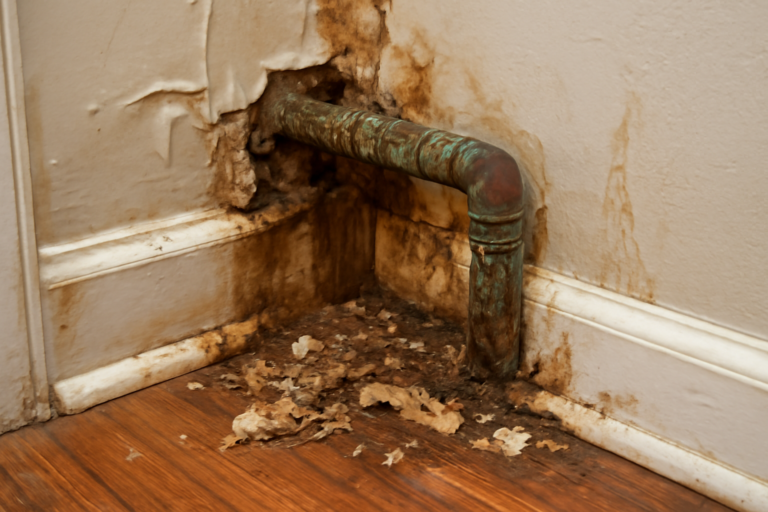
If you notice paint or wallpaper starting to blister, peel, or sag on your walls or ceilings, it’s often a sign that moisture is trapped behind it. Water seeping from pipes or leaks can break down the adhesive and the material itself. This visual cue suggests water intrusion you can’t see.
Stains or Discoloration on Walls/Ceilings
Water stains, often appearing as yellow or brown rings or patches, are a clear sign of past or present leaks. These marks indicate that water has penetrated the surface and may be causing damage within the wall or ceiling structure. These are red flags for underlying water issues.
Warped or Sagging Floors
Hardwood floors can warp, buckle, or develop cupping when exposed to excess moisture. Even tile grout can become compromised. If your floors look uneven, feel soft, or have visible signs of distortion, water may be damaging the subfloor. This is a serious structural concern.
Soft Spots or Unevenness in Drywall
Feel along your walls, especially near plumbing fixtures or windows. If you find areas that feel soft, spongy, or uneven to the touch, it means the drywall is likely saturated and weakening. This indicates compromised integrity that needs immediate attention.
Increased Humidity or Condensation
A sudden increase in indoor humidity, or excessive condensation on windows, pipes, or walls, can signal an underlying water issue or a problem with your HVAC system that’s contributing to moisture buildup. Pay attention to your home’s climate. This could be a sign of unseen water.
Water Removal Services vs. DIY: When To Call a Professional
| Situation | DIY? | Call a Pro? | Why |
|---|---|---|---|
| Minor spill on hard floor (e.g., kitchen tile) | Yes | No | Easy to clean up with towels and a mop. |
| Water from a clogged toilet overflow (small amount) | Maybe | Yes | Risk of spreading contamination and water under flooring. |
| Leak from appliance hose (e.g., washing machine) affecting a small area of carpet | Maybe | Yes | Carpet padding holds significant moisture; requires specialized drying. |
| Burst pipe causing extensive flooding in multiple rooms | No | Yes | Requires industrial equipment for rapid extraction and drying. |
| Water in the basement from heavy rain or sump pump failure | No | Yes | Potential for structural damage and mold growth; needs professional assessment. |
| Water damage visible on ceilings or walls | No | Yes | Indicates water has penetrated structural elements; needs expert inspection. |
While small, contained spills might be manageable with DIY efforts, significant water intrusion demands professional intervention. Professional water removal employs specialized equipment and expertise to ensure thorough drying and prevent long-term damage. When in doubt, it’s always safer to call in the experts to protect your home.
Water Removal Services Cost In Jackson, GA
The cost for water removal services in Jackson, GA, can vary based on several factors. These include the total square footage affected, the depth of the water, the type of materials damaged, and the complexity of the drying process required. These are estimates, and an on-site assessment is always needed for an exact quote. We strive to be transparent about pricing for our Jackson, GA neighbors.
| Service Aspect | Typical Price Range | What Affects Cost |
|---|---|---|
| Emergency Water Extraction (Initial Pass) | $500 – $2,000 | Amount of water, square footage, accessibility. |
| Structural Drying (Air Movers & Dehumidifiers) | $750 – $3,000+ | Duration needed, size of affected area, humidity levels. |
| Moisture Detection & Monitoring | $300 – $1,000 | Number of inspections, use of advanced equipment. |
| Removal of Damaged Materials (e.g., drywall, carpet) | $400 – $2,500+ | Amount of material removed, disposal fees. |
| Specialized Drying (e.g., subfloor, wall cavities) | $600 – $3,000+ | Complexity of the area, specialized equipment needed. |
| Mold Prevention/Treatment (if needed) | $500 – $2,000+ | Extent of potential mold growth, treatment methods. |
These figures provide a general idea of potential costs associated with water damage restoration. An on-site inspection by our certified technicians is the best way to get an accurate, personalized estimate for your specific situation. We offer free estimates for your convenience.
Service Areas Near Jackson, GA
Locally, we serve Jackson, GA, and the following surrounding communities: McDonough, Griffin, Stockbridge, Locust Grove, Covington, Conyers, Jonesboro, Fayetteville, Lovejoy, Hampton, Brooks, Orchard Hill, Williamson, Barnesville, Flovilla, Jenkinsburg, Starkville, Milner, Experiment, and Sunshine.
Common Questions About Water Removal Services
How quickly do you need to address water damage?
You need to act immediately. Within 24-48 hours, water can lead to significant secondary damage, including mold growth and structural weakening. Our team is available for emergency calls and can dispatch crews quickly to your property. Fast response minimizes damage and reduces overall restoration costs.
What happens if I don’t remove all the water?
If water isn’t completely removed and surfaces aren’t dried properly, it can lead to serious issues. Hidden moisture in walls, floors, and insulation can cause mold to grow, which poses health risks. It can also lead to rot, warping, and even structural instability. Thorough drying is essential, and our advanced equipment ensures we get every last bit of moisture.
Will my insurance cover water removal services?
In many cases, yes. Standard homeowner’s insurance policies typically cover water damage caused by sudden and accidental events like burst pipes or appliance malfunctions. However, coverage for damage from floods or gradual leaks can vary. We work with insurance companies regularly and can help document the damage for your claim. It’s always best to check your specific policy details.
How long does the water removal and drying process take?
The timeline varies significantly depending on the extent of the water damage. Minor situations might be resolved in 1-3 days, while more severe flooding could take a week or more. Our IICRC-certified technicians use advanced equipment to accelerate drying. We continuously monitor moisture levels to determine when your property is truly dry.
What should I do before the water removal team arrives?
If it’s safe to do so, turn off the water source. Remove as much standing water as you can without risking your safety. Move furniture and valuables away from the wet areas if possible. Document the damage with photos or videos for your records. Please avoid using electrical appliances in wet areas. Our priority is your safety and efficient restoration.
Check Our Other Relevant Services
Serving Jackson, GA And Nearby Areas