Trusted by 165+ Homeowners
Wind Damage Water Intrusion in Acworth, GA
- Over 165 5-Star Reviews
- Free Estimates and Quotes
- 100% Satisfaction Guaranteed
- Child, Family & Pet Safe Steps
- 24-Hour Emergency Service
- Fully Licensed & Insured

When the Wind Blows Hard in Acworth, GA: Protecting Your Home from Water Intrusion
Living around here, you know those Georgia thunderstorms can get pretty intense, especially during the spring and summer months. We often get strong winds that can whip through your neighborhood, sometimes strong enough to cause real damage to your home. When those powerful gusts hit, they can lift shingles, crack siding, or even break windows, creating an open door for rain to seep inside. This wind damage water intrusion isn’t just a nuisance; it can quickly lead to bigger problems if not handled right. Dealing with water that shouldn’t be there is stressful, and you need a local team that understands these specific challenges.
We’ve helped over 165 families in the area recover from wind damage water intrusion, and they trust us because we focus on what matters most: getting your home dry and secure again. It’s not about quick fixes; it’s about a thorough approach that addresses the root cause and prevents future issues. When wind and rain team up against your property, you need someone who knows exactly how to combat that specific threat, and that’s what we’re here for. We understand how unsettling it is to find water where it doesn’t belong, especially after a storm.
- We specialize in identifying and repairing the hidden entry points wind damage creates, ensuring no moisture lingers behind walls or under floors.
- Our team uses advanced drying technology to quickly extract water and dehumidify your home, preventing the conditions that lead to mold growth and structural decay.
- We provide clear, honest communication throughout the entire process, so you always know what to expect and when your home will be back to normal.
How We Tackle Wind Damage Water Intrusion
When wind and rain breach your home’s defenses, it’s crucial to have a systematic plan. Ignoring even a small leak can turn into a major headache, inviting mold, rot, and electrical hazards. Our process is designed to be thorough and efficient, focusing on restoring your home’s integrity and safety. We don’t just clean up the mess; we make sure the damage from wind-driven rain is properly assessed and remediated. This means meticulous attention to detail and a commitment to getting it right the first time for you.
Step 1: Damage Assessment and Containment
The moment you notice signs of wind damage water intrusion, we’re on our way. Our technicians will conduct a detailed inspection to pinpoint exactly where the wind has compromised your home’s exterior and where water has entered. We then immediately work to contain the affected areas, using barriers and protective materials to prevent further spread of moisture. This initial assessment is key to a successful restoration. Thorough inspection and immediate containment are vital.
Step 2: Water Extraction
Once we’ve identified all water sources, our priority is to remove it as quickly as possible. We use powerful, professional-grade water extractors to pull standing water from carpets, floors, and other surfaces. The sooner we can remove the bulk of the water, the less chance it has to saturate building materials and cause long-term damage. We aim for rapid water removal to minimize impact. Professional equipment makes all the difference here.
Step 3: Structural Drying and Dehumidification
This is where we really get to work preventing secondary damage. We bring in specialized drying equipment, including high-velocity air movers and industrial dehumidifiers, to target the moisture hidden within walls, ceilings, and subfloors. These machines work tirelessly to pull moisture out of the air and materials, lowering humidity levels to a safe point and accelerating the drying process significantly. We monitor humidity and temperature closely during this phase. Expect advanced drying techniques and consistent monitoring.
Step 4: Mold Prevention and Treatment
Mold can start to grow within 24-48 hours in damp conditions. After the initial drying, we carefully inspect all affected areas for any signs of mold development. If necessary, we’ll apply EPA-approved antimicrobial treatments to prevent mold from taking hold or to remediate any existing growth. Your family’s health is our top concern, so this step is non-negotiable. We focus on proactive mold prevention and safe antimicrobial treatments.
Step 5: Restoration and Repair
Once your home is thoroughly dried and safe, we begin the work of restoring it to its pre-loss condition. This might involve repairing or replacing damaged drywall, insulation, flooring, or even sections of your roof or siding if the wind damage was extensive. Our goal is to make it look like the water intrusion never happened, ensuring your home is structurally sound and aesthetically pleasing again. We aim for quality repairs and complete restoration.
Don’t let wind damage water intrusion linger; call us today to get your home secured and dried out. We’ll be there to help you navigate this stressful situation. Act quickly to prevent further damage.

Warning Signs You Need Wind Damage Water Intrusion Help
Catching the signs of wind damage water intrusion early can save you a lot of money and hassle down the line. The sooner you spot a problem, the less damage it has time to cause. Pay attention to your home, especially after strong winds.
Musty Odors That Won’t Go Away
A persistent damp, musty smell, particularly in attics, basements, or near exterior walls, is a strong indicator of hidden moisture. This smell often means mold or mildew has started to grow. Don’t ignore this unpleasant odor.
Water Stains or Discoloration
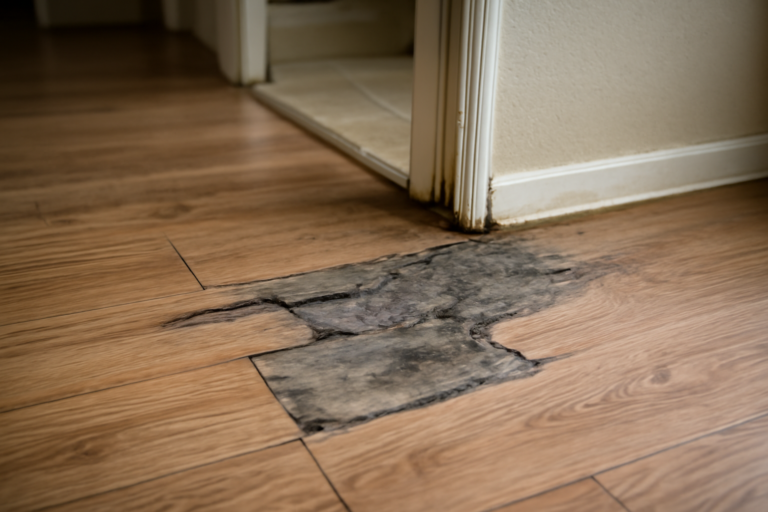
Look for new or spreading water spots on ceilings, walls, or around window frames. These stains are clear visual evidence that water has penetrated your home’s structure. Keep an eye out for obvious water marks.
Peeling or Bubbling Paint/Wallpaper
When moisture gets behind paint or wallpaper, it can cause them to blister, bubble, or peel away from the surface. This is a sign that the underlying material is saturated. Watch for deteriorating finishes.
Sagging Ceilings or Walls
In severe cases, water saturation can cause drywall or plaster to sag, creating visible dips or bulges. This indicates significant water absorption and potential structural compromise. Address any visible sagging immediately.
Increased Humidity Levels
If your home suddenly feels more humid than usual, even with air conditioning running, there might be an undetected water source. High indoor humidity can lead to condensation and further moisture problems. Noticeable elevated humidity is a red flag.
Visible Mold or Mildew
Any visible growth of mold or mildew, often appearing as black, green, or white fuzzy patches, is a critical warning sign. This indicates a moisture problem that needs immediate attention for health and structural reasons. Remove any visible mold growth promptly.
Wind Damage Water Intrusion vs. DIY: When To Call a Professional
| Situation | DIY? | Call a Pro? | Why |
|---|---|---|---|
| Small drip from a roof leak after a storm | Yes, for minor leaks you can safely access. | Yes, if the leak is significant or hard to reach. | Professional assessment ensures the underlying wind damage is found. |
| Water pooling on the floor after heavy rain | Yes, for small, contained puddles you can mop up. | Yes, if the water covers a large area or is deep. | Large amounts of water require specialized extraction for thorough drying. |
| Finding a small crack in siding | Yes, for very minor cosmetic cracks. | Yes, if the crack is large, letting water in, or hard to reach. | Wind can cause hidden damage behind the siding that needs professional inspection. |
| Musty smell in a room after a storm | Yes, try airing out the room and cleaning surfaces. | Yes, if the smell persists or is strong. | Persistent odors usually mean hidden mold or moisture behind walls. |
| Visible mold growth on a wall | No. | Yes, always. | Mold remediation requires specific safety protocols and equipment to prevent spreading spores. |
| Damage to electrical outlets or systems | No. | Yes, absolutely. | Water and electricity are a dangerous combination; professionals handle this safely. |
While some minor issues might seem manageable yourself, any situation involving significant water intrusion or potential structural compromise from wind damage is best handled by professionals. We have the tools and expertise to ensure your home is dried completely and safely. For effective water removal and long-term structural integrity, calling us is the smartest choice.
Wind Damage Water Intrusion Cost In Acworth, GA
The cost of addressing wind damage water intrusion in Acworth, GA can vary quite a bit depending on several factors. Things like how much wind damage occurred, how much water entered your home, the size of the affected area, and how quickly you address the problem all play a role in the final price. These figures are just estimates to give you an idea of what to expect.
| Service | Typical Price Range | What Affects Cost |
|---|---|---|
| Initial Inspection and Assessment | $300 – $800 | Complexity of damage, accessibility, and need for specialized tools like moisture meters. |
| Water Extraction | $500 – $2,500 | Amount of water present, square footage affected, and time required. |
| Structural Drying (Air Movers & Dehumidifiers) | $750 – $3,000+ | Duration of drying needed, number of units required, and size of the affected space. |
| Mold Prevention/Treatment | $400 – $2,000+ | Extent of potential mold growth, size of the area treated, and type of treatment used. |
| Minor Repairs (Drywall, Insulation) | $500 – $2,500 | Amount of material needed and labor involved in patching or replacing damaged sections. |
| Full Restoration (Flooring, Painting) | $1,000 – $10,000+ | Scope of work, type of flooring or finishes replaced, and overall reconstruction needed. |
Remember, these are just estimates. A thorough on-site assessment is always needed for an accurate quote. We offer free, no-obligation estimates so you know exactly what to expect before any work begins.
Service Areas Near Acworth, GA
Kennesaw, Marietta, Cartersville, Woodstock, Dallas, Powder Springs, Smyrna, Austell, Hiram, Canton, Roswell, Sandy Springs, Atlanta, Dunwoody, Alpharetta, Johns Creek, Duluth, Norcross, Suwanee, Buford.
Common Questions About Wind Damage Water Intrusion
How quickly do I need to address wind damage water intrusion?
You need to act as fast as possible. Within 24-48 hours, mold can begin to grow, and structural materials can start to weaken. The sooner we can extract water and start drying, the less secondary damage your home will sustain. We prioritize urgent response times to prevent further issues.
Will my homeowner’s insurance cover wind damage water intrusion?
Typically, homeowner’s insurance policies cover damage caused by wind, and the resulting water intrusion if it’s a direct result of that wind damage. However, policies vary, so it’s best to review your specific coverage or contact your insurance provider. We can help document the damage for your claim, providing detailed damage reports to support your case.
What is the typical timeline for drying a home after wind damage?
Drying times vary greatly depending on the extent of the water intrusion and the materials affected. It can range from a few days for minor issues to several weeks for more extensive saturation, especially within structural cavities. Our team uses advanced drying equipment and consistent monitoring to speed up the process safely.
Are there health risks associated with wind damage water intrusion?
Yes, the primary health risk comes from mold and mildew growth, which can thrive in damp environments created by water intrusion. Exposure to mold can cause respiratory problems, allergic reactions, and other health issues. We focus on thorough mold prevention and remediation to ensure a healthy indoor environment for your family.
Can I prevent wind damage water intrusion?
While you can’t prevent storms, you can take steps to minimize risk. Regularly inspect your roof for loose or missing shingles, ensure your siding is in good condition, and keep gutters clean. After severe weather, always perform a visual inspection of your home’s exterior. For more significant damage, seeking professional help for exterior repairs is often necessary.
Check Our Other Relevant Services
Serving Acworth, GA And Nearby Areas