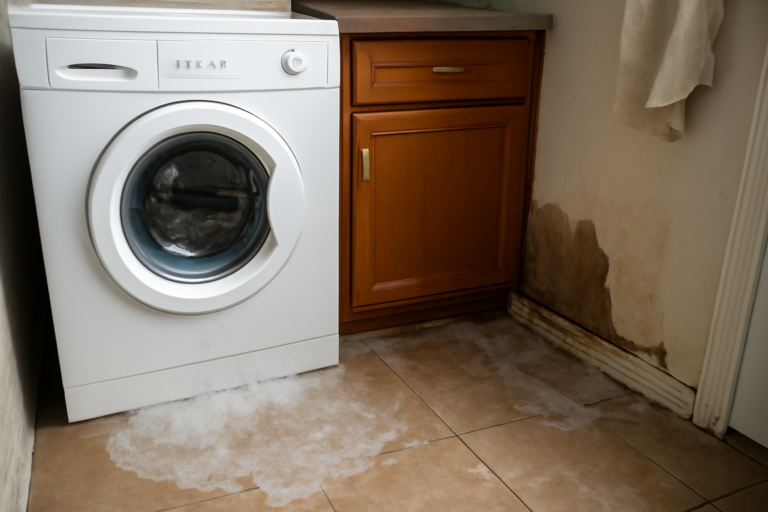
Trusted by 165+ Homeowners
Wind Damage Water Intrusion in Kennesaw, GA
- Over 165 5-Star Reviews
- Free Estimates and Quotes
- 100% Satisfaction Guaranteed
- Child, Family & Pet Safe Steps
- 24-Hour Emergency Service
- Fully Licensed & Insured

When Wind Unleashes Water on Your Kennesaw Home
You just walked into your living room, and there it is. A dark, spreading stain on the ceiling, with a slow, steady drip hitting the carpet. Maybe you saw a tree branch come down in the last storm, or perhaps the wind just seemed to howl relentlessly. This isn’t just a leak; it’s wind damage causing water intrusion, and it needs your immediate attention now. Ignoring this could lead to much bigger problems, like mold growth and structural damage, spreading faster than you might think.
Homeowners around here have trusted our team for over 165 five-star reviews for a reason. We understand the unique challenges that wind-driven rain can cause in your neighborhood. When your property is threatened by wind and water, you need a local team that responds fast and knows exactly how to handle this specific type of damage. We’re here to help you get things back to normal, protecting your investment.
- We specialize in quickly identifying and repairing the hidden pathways wind damage creates for water, preventing further mold growth and structural compromise.
- Our advanced drying technology ensures that not just the visible wet spots, but also the deep-seated moisture within your walls and framing is completely removed.
- We focus on restoring the integrity of your home’s exterior and interior, addressing the root cause of the wind damage to prevent future occurrences.
How We Tackle Wind Damage Water Intrusion
Dealing with wind damage water intrusion isn’t like fixing a simple leaky pipe. It requires a methodical, science-based approach to ensure your home is truly dry and safe. When wind forces water into your home through compromised seals or openings, it can travel far beyond where you see the initial stain. Our team uses specialized equipment and protocols to track down every bit of moisture, preventing secondary damage and ensuring a complete restoration. Cutting corners here means you’ll likely face mold, rot, and costly repairs down the line.
1. Initial Assessment and Containment
Our first step is a thorough inspection to pinpoint the exact source of the wind-driven water intrusion and the full extent of the damage. We’ll use moisture meters and thermal imaging cameras to map out all wet areas, including those hidden behind walls or under floors. Then, we’ll set up containment barriers using plastic sheeting and negative air pressure systems to prevent the spread of moisture and potential contaminants to unaffected parts of your home. This is crucial for controlling the environment.
2. Water Extraction
Once we’ve contained the affected area, we move quickly to extract standing water. We use powerful, truck-mounted or portable water extractors designed to remove as much water as possible, as fast as possible. The goal is to get surfaces dry to the touch, minimizing the time materials remain saturated, which is key to preventing mold growth.
3. Advanced Drying Techniques
This is where the real science comes in. We don’t just rely on air movement. We deploy a strategic combination of industrial-strength air movers and dehumidifiers. Air movers create airflow across surfaces to speed evaporation, while dehumidifiers pull moisture directly out of the air, lowering humidity levels and creating an environment conducive to drying. We monitor humidity and temperature closely, adjusting equipment as needed to achieve optimal drying conditions. This targeted approach ensures deep drying.
4. Moisture Monitoring
Throughout the drying process, our technicians will regularly use specialized meters to measure the moisture content in building materials like drywall, wood framing, and subflooring. This allows us to track the progress of the drying and confirm that materials are returning to their normal, dry standard. We won’t remove equipment until we’ve verified that the structure is thoroughly dry. This meticulous monitoring is your guarantee of a complete drying job.
5. Odor Control and Sanitation
Sometimes, wind damage water intrusion can leave behind unpleasant odors or introduce contaminants. We use specialized equipment and EPA-registered antimicrobial treatments to neutralize odors and sanitize affected areas, ensuring your home is not only dry but also healthy and fresh-smelling. This step is vital for restoring your home’s healthy living conditions.
Don’t let wind-driven rain cause lasting damage to your home. Call us today for a fast assessment and a plan to get your property dry and secure again. Act quickly to prevent further issues.

Warning Signs You Need Wind Damage Water Intrusion Help
Catching wind damage water intrusion early is critical. The longer water sits, the more damage it can cause, leading to costly repairs and potential health hazards. Keep an eye out for these common signs that wind has forced water into your home.
Musty Odors That Won’t Go Away
A persistent, earthy, or moldy smell, especially after a storm, is a strong indicator that moisture is trapped somewhere it shouldn’t be. This isn’t just unpleasant; it’s often the first sign of developing mold, which can affect your family’s health. Address odors immediately.
Visible Water Stains or Discoloration
Dark or yellowish stains appearing on ceilings, walls, or even around window frames are direct evidence of water intrusion. These stains mean water has soaked into the materials, compromising their integrity and potentially leading to rot. Don’t ignore these marks.
Peeling or Bubbling Paint/Wallpaper
When moisture gets behind paint or wallpaper, it can cause the adhesive to fail, leading to peeling, blistering, or bubbling. This is a clear visual cue that water is actively seeping into your walls. Inspect your walls closely.
Sagging Ceilings or Walls
If you notice a section of your ceiling or wall starting to sag or bulge, it could mean that water has saturated the drywall or plaster, making it heavy and weak. This is a serious structural concern that needs urgent professional assessment.
Soft or Damp Spots on Floors
Check your flooring, especially carpets or wood, for any areas that feel unusually soft, spongy, or damp to the touch. This often indicates water has seeped beneath the surface, potentially damaging the subfloor and underlying structure. Feel for dampness.
Increased Humidity Levels Indoors
If your home feels unusually humid, clammy, or warmer than usual, especially after windy, rainy weather, it could be a sign that significant moisture has entered the building’s structure and is affecting the indoor air quality. Monitor your home’s air.
Wind Damage Water Intrusion vs. DIY: When To Call a Professional
| Situation | DIY? | Call a Pro? | Why |
|---|---|---|---|
| Small, visible drip from a single window seal after a light rain | Yes, monitor closely | Maybe | You can try sealing it yourself, but if it recurs or worsens, a pro is needed. |
| Large water stain spreading across the entire ceiling in your living room | No | Yes | This indicates significant saturation and potential structural compromise. |
| Musty odor in a specific room after a major storm | Maybe, if isolated | Yes | The odor suggests hidden mold growth that needs professional detection and remediation. |
| Visible damage to shingles or siding allowing wind and rain entry | Maybe, for minor repairs | Yes | Exterior damage can lead to extensive interior water intrusion that requires specialized drying. |
| Soggy carpet and visible water pooling on the floor after high winds | No | Yes | Rapid extraction and drying are critical to prevent subfloor damage and mold. |
| Finding dampness behind drywall during a renovation | No | Yes | Hidden moisture behind walls requires specialized equipment to locate and dry effectively. |
For anything beyond a very minor, isolated issue, it’s almost always best to call a professional. Our team has the specialized equipment and training to handle the complexities of wind damage water intrusion, ensuring thorough drying and preventing long-term problems.
Wind Damage Water Intrusion Cost In Kennesaw, GA
The cost for addressing wind damage water intrusion in Kennesaw, GA, can vary significantly. Factors such as the severity of the damage, the size of the affected area, and the extent of needed repairs will influence the final price. These figures are estimates and a personalized assessment is needed for an accurate quote.
| Service | Typical Price Range | What Affects Cost |
|---|---|---|
| Emergency Water Extraction | $500 – $2,500 | Amount of standing water, accessibility of the area, and urgency. |
| Structural Drying (Air Movers & Dehumidifiers) | $750 – $3,000+ | Size of the affected space, duration of drying needed, and complexity of the structure. |
| Mold Inspection and Remediation | $1,000 – $5,000+ | The extent of mold growth, type of surface affected, and containment needs. |
| Pest/Contaminant Control | $300 – $1,500 | Type of contaminants introduced and the level of sanitation required. |
| Minor Structural Repairs (e.g., drywall replacement) | $400 – $2,000+ | Square footage of material needed and labor involved. |
| Exterior Wind Damage Repair (e.g., siding/shingle replacement) | $500 – $3,000+ | Type and amount of material needed, and complexity of the repair. |
These are general estimates to help you understand potential costs. We offer free on-site estimates to provide you with a precise and detailed quote for your specific situation. Get your free estimate today.
Service Areas Near Kennesaw, GA
Acworth, Marietta, Woodstock, Smyrna, Powder Springs, Dallas, Austell, Roswell, Sandy Springs, Dunwoody, Atlanta, Norcross, Johns Creek, Alpharetta, Milton, Buford, Suwanee, Lawrenceville, Duluth, Lilburn.
Common Questions About Wind Damage Water Intrusion
What should I do immediately after discovering wind damage water intrusion?
Your first step is to ensure your safety and stop the source of the water if possible, without putting yourself at risk. If a window is broken, cover it with plywood. If the ceiling is sagging, try to catch water in buckets. Then, contact our team immediately. We’ll guide you on the next steps and dispatch a crew to begin the assessment and mitigation process.
How long does it take to dry out a home after wind damage water intrusion?
The drying process typically takes anywhere from 3 to 14 days, depending on the extent of water saturation and the building materials involved. We use advanced equipment to speed up evaporation, but it’s crucial to allow materials to dry completely to prevent future issues like mold. Our technicians monitor progress closely to ensure thorough drying.
Is wind damage water intrusion covered by homeowner’s insurance?
Generally, homeowner’s insurance policies cover damage caused by wind and the resulting water intrusion, provided it’s not due to neglect. However, coverage specifics can vary, so it’s important to review your policy and contact your insurance provider. We can assist with documenting the damage and working with your adjuster to streamline the claims process.
What are the health risks associated with wind damage water intrusion?
The primary health risk is mold growth, which can thrive in damp environments and release spores into the air. Inhaling these spores can trigger allergic reactions, asthma symptoms, and other respiratory problems. Some types of mold can also cause infections. Prompt drying and remediation are essential to protect your health.
Can I prevent future wind damage water intrusion?
Regular maintenance of your roof, siding, and window seals is key to preventing wind-driven rain from entering your home. Ensure gutters are clear and properly directed away from the foundation. While you can’t control the weather, taking proactive steps to maintain your home’s exterior significantly reduces the risk of future intrusion. We can help inspect your home for potential weak points after a storm.
Check Our Other Relevant Services

Jerry Johns is a licensed Damage Restoration Expert with over 20 years of hands-on experience helping homeowners and businesses navigate property crises. As a trusted authority in the field, Jerry combines technical precision with a compassionate approach to disaster recovery.
𝗖𝗲𝗿𝘁𝗶𝗳𝗶𝗰𝗮𝘁𝗶𝗼𝗻𝘀: Jerry holds multiple elite IICRC certifications, including Water Damage Restoration (WRT), Applied Microbial Remediation (Mold), Applied Structural Drying (ASD), Odor Control, and Fire and Smoke Restoration.
𝗙𝗮𝘃𝗼𝗿𝗶𝘁𝗲 𝗣𝗮𝘀𝘁𝗶𝗺𝗲: When he isn’t on a job site, Jerry is an avid outdoorsman who enjoys fly fishing and restoring vintage woodworking tools.
𝗕𝗲𝘀𝘁 𝗣𝗮𝗿𝘁 𝗼𝗳 𝘁𝗵𝗲 𝗝𝗼𝗯: Jerry finds the most fulfillment in seeing the relief on a client’s face when their property is finally restored to its pre-loss condition, turning a stressful disaster into a fresh start.