Trusted by 165+ Homeowners
Wind Damage Water Intrusion in Norcross, GA
- Over 165 5-Star Reviews
- Free Estimates and Quotes
- 100% Satisfaction Guaranteed
- Child, Family & Pet Safe Steps
- 24-Hour Emergency Service
- Fully Licensed & Insured

When the Wind Roars, Your Home Might Cry
You walk into your living room after a fierce storm, and you notice it. A strange dampness on the ceiling, a faint, earthy smell, or maybe even a visible drip staining your favorite rug. Wind damage often brings hidden water, and it doesn’t wait for you to notice. Your property could be silently suffering from water intrusion that started with high winds tearing at your roof or siding. Acting fast prevents bigger issues.
Locally, homeowners trust our team because we understand the specific challenges wind-driven rain presents. We’ve earned over 165 five-star reviews by tackling these issues head-on, providing real solutions when your home needs it most. You’re not just getting repairs; you’re getting a team that prioritizes restoring your comfort and safety quickly and effectively.
- We pinpoint the exact entry points wind-driven rain used, ensuring no hidden moisture remains.
- Our specialized drying equipment removes water from structural materials, not just surfaces, preventing long-term damage.
- We focus on restoring air quality and preventing mold growth that can start within 24-48 hours.
The Science of Drying: Our Wind Damage Water Intrusion Process
When wind forces water into your home, it doesn’t just sit on top. It soaks into insulation, drywall, and even wood framing. Our process for handling wind damage water intrusion is built on scientific principles and proven techniques. We don’t just mop up water; we actively manage the drying process using advanced technology to ensure your home is truly dry. Cutting corners here can lead to structural rot, mold, and persistent, unpleasant odors. We use precise methods to get it right the first time, protecting your investment.
Initial Inspection and Assessment
Our certified technicians arrive promptly to assess the damage. We use moisture meters and thermal imaging cameras to detect water hidden deep within your walls and floors. This detailed evaluation helps us understand the full scope of the intrusion and plan the most effective drying strategy. We’ll explain what we find clearly.
Water Extraction and Containment
We use powerful, truck-mounted extraction units to remove standing water as quickly as possible. For wind damage, containment is key. We’ll set up barriers to prevent further spread and protect unaffected areas of your home. This step is crucial for mitigating secondary damage.
Controlled Drying and Dehumidification
This is where the science really comes into play. We deploy specialized drying equipment, including industrial-grade air movers and dehumidifiers. These machines work together to create an optimal drying environment, accelerating the evaporation process and pulling moisture out of materials. We monitor humidity and temperature closely.
Monitoring and Moisture Readings
Throughout the drying process, we’re constantly monitoring. Our technicians take regular moisture readings in affected materials to ensure they’re drying evenly and reaching acceptable levels. This data-driven approach guarantees thorough drying and prevents future problems like mold. We won’t leave until it’s truly dry.
Reconstruction and Restoration
Once your home is dry, we move to restoring any materials that couldn’t be saved, like damaged drywall or insulation. Our goal is to return your home to its pre-loss condition, making the repair process smooth and efficient. We handle the necessary reconstruction work.
Don’t wait for damp spots to grow or musty smells to take hold. Call us today to schedule an immediate inspection and start the drying process. Fast action saves your home.

Warning Signs You Need Wind Damage Water Intrusion Help
Catching wind damage water intrusion early is vital. Small leaks can quickly turn into major problems if left unaddressed, leading to costly repairs and potential health hazards. Pay close attention to subtle changes in your home after a storm; they could be your first indication of trouble. Early detection saves money and prevents long-term structural issues.
Musty Odors That Won’t Go Away
A persistent, damp, or mildew-like smell, especially in basements, attics, or rooms facing the prevailing wind direction, is a major red flag. It often indicates hidden mold growth fueled by moisture. Don’t ignore this smell; it’s a sign of a serious problem.
Visible Water Stains or Discoloration
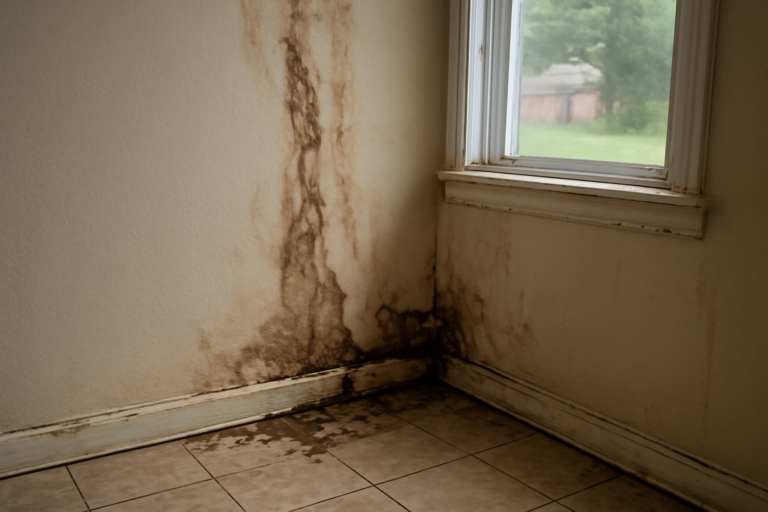
Brown or yellow rings on ceilings, walls, or even around window frames are clear indicators of water intrusion. These stains show where water has seeped through and saturated the building materials. These marks demand attention immediately.
Peeling or Bubbling Paint/Wallpaper
Moisture trapped behind paint or wallpaper can cause it to blister, peel, or bubble away from the surface. This is a visual cue that water is getting into your walls. This damage needs professional assessment to find the source.
Sagging Ceilings or Walls
If you notice a section of your ceiling or a wall appearing to sag or droop, it’s a serious sign that building materials are becoming saturated and losing structural integrity. This is a critical warning. This indicates significant water saturation.
Damp or Wet Spots on Surfaces
Even without visible stains, feeling dampness on walls, floors, or ceilings after a windy, rainy period means water is penetrating. This could be from compromised shingles, siding, or window seals. Check all surfaces carefully after storms.
Increased Humidity Levels Indoors
If your home feels unusually humid, clammy, or sticky, even when your air conditioning is running, it could be a sign of hidden moisture from wind-driven rain. Your HVAC system might be struggling to keep up. Monitor your indoor air quality.
Wind Damage Water Intrusion vs. DIY: When To Call a Professional
| Situation | DIY? | Call a Pro? | Why |
|---|---|---|---|
| Small puddle on floor after a storm | Yes, with towels and fans. | Yes, if it persists or is widespread. | Hidden moisture can remain and cause damage. |
| Visible water stain on ceiling | No, unless very small and recent. | Yes, immediately. | The stain indicates saturation within the ceiling structure. |
| Musty odor in a room | No, try airing out. | Yes, if the odor persists. | The smell signals potential mold growth from hidden water. |
| Damp spots on walls | No, if more than a small area. | Yes, for assessment. | Water intrusion can compromise wall structure and insulation. |
| Sagging ceiling drywall | Absolutely not. | Yes, immediately. | This is a sign of severe saturation and potential structural compromise. |
| Roof leak after high winds | No, unless you are a trained roofer. | Yes, immediately. | Roof damage requires specialized expertise and safety precautions. |
For wind damage water intrusion, professional assessment is almost always recommended. While small, surface-level moisture might be manageable with DIY methods, hidden water poses the greatest risk. Our team has the specialized equipment and training to detect and remove all traces of moisture, preventing long-term damage and ensuring your home’s structural integrity.
Wind Damage Water Intrusion Cost In Norcross, GA
The cost of addressing wind damage water intrusion in Norcross, GA, can vary significantly based on several factors. These include the extent of the damage, the size of the affected area, the type of building materials involved, and the complexity of the intrusion points. These are estimates, and a thorough on-site inspection is necessary for an accurate quote.
| Service | Typical Price Range | What Affects Cost |
|---|---|---|
| Initial Inspection & Assessment | $300 – $800 | Use of advanced equipment like thermal cameras and moisture meters. |
| Water Extraction | $500 – $2,500 | Volume of water, accessibility, and size of the affected space. |
| Structural Drying (Air Movers & Dehumidifiers) | $1,000 – $5,000+ | Duration of drying needed, number of machines required, and area size. |
| Containment Setup | $200 – $700 | Complexity of the area needing protection and materials used. |
| Mold Prevention/Treatment | $500 – $3,000+ | Extent of existing mold, type of treatment needed, and area coverage. |
| Minor Reconstruction (e.g., drywall patch) | $400 – $1,500 | Size of the repair, materials needed, and finishing work required. |
The exact pricing for your specific situation will depend on a detailed assessment by our certified technicians. We offer free estimates for wind damage assessments to help you understand the scope and cost involved. Contact us today for a clear picture of what it will take to restore your home.
Service Areas Near Norcross, GA
Duluth, Suwanee, Johns Creek, Peachtree Corners, Lilburn, Tucker, Chamblee, Doraville, Sandy Springs, Marietta, Roswell, Alpharetta, Stone Mountain, Snellville, Lawrenceville, Buford, Norcross, GA, Atlanta, Decatur, Dunwoody.
Common Questions About Wind Damage Water Intrusion
What should I do immediately after discovering water damage from wind?
Your first step is to ensure your safety; turn off electricity to affected areas if there’s any risk of shock. Then, try to stop the source of the water if it’s safe to do so, like closing a window blown open. Document the damage with photos or videos for insurance purposes. Contacting a professional team immediately is crucial because quick action limits further damage and prevents mold growth.
How long does the drying process usually take?
The drying process for wind damage water intrusion can vary significantly, typically taking anywhere from three days to two weeks, sometimes longer. Factors influencing the timeline include the amount of water, the materials affected (e.g., drywall dries faster than hardwood floors), and ambient humidity. We use advanced monitoring to ensure your property is thoroughly dried.
Is wind damage water intrusion covered by homeowner’s insurance?
In most cases, homeowner’s insurance policies cover water damage caused by sudden and accidental events like windstorms. However, coverage details can vary, and some policies might have specific exclusions or deductibles for wind or water damage. We can help document the damage for your insurance claim, but you should review your policy or contact your provider.
Can wind damage water intrusion lead to mold?
Absolutely. Mold can begin to grow in as little as 24-48 hours in damp conditions. Wind-driven rain can saturate insulation, drywall, and wood framing, creating the perfect environment for mold spores to flourish. Our process includes mold prevention and remediation to ensure your home is healthy.
What kind of equipment do you use to dry out a home after wind damage?
We utilize a range of specialized equipment designed for effective water damage restoration. This includes powerful truck-mounted water extractors, industrial-grade dehumidifiers, high-velocity air movers, and advanced moisture meters and thermal imaging cameras to detect hidden water. This professional equipment ensures thorough drying and prevents secondary damage.
Check Our Other Relevant Services

Jerry Johns is a licensed Damage Restoration Expert with over 20 years of hands-on experience helping homeowners and businesses navigate property crises. As a trusted authority in the field, Jerry combines technical precision with a compassionate approach to disaster recovery.
𝗖𝗲𝗿𝘁𝗶𝗳𝗶𝗰𝗮𝘁𝗶𝗼𝗻𝘀: Jerry holds multiple elite IICRC certifications, including Water Damage Restoration (WRT), Applied Microbial Remediation (Mold), Applied Structural Drying (ASD), Odor Control, and Fire and Smoke Restoration.
𝗙𝗮𝘃𝗼𝗿𝗶𝘁𝗲 𝗣𝗮𝘀𝘁𝗶𝗺𝗲: When he isn’t on a job site, Jerry is an avid outdoorsman who enjoys fly fishing and restoring vintage woodworking tools.
𝗕𝗲𝘀𝘁 𝗣𝗮𝗿𝘁 𝗼𝗳 𝘁𝗵𝗲 𝗝𝗼𝗯: Jerry finds the most fulfillment in seeing the relief on a client’s face when their property is finally restored to its pre-loss condition, turning a stressful disaster into a fresh start.