Trusted by 165+ Homeowners
Window Leak Water Damage Restoration in Woodstock, GA
- Over 165 5-Star Reviews
- Free Estimates and Quotes
- 100% Satisfaction Guaranteed
- Child, Family & Pet Safe Steps
- 24-Hour Emergency Service
- Fully Licensed & Insured

Expert Window Leak Water Damage Restoration in Woodstock, GA
Here in Woodstock, GA, we know that our beautiful rolling hills and frequent rain showers can be a double-edged sword. Those picturesque windows that let in so much natural light can also become sneaky entry points for water. We’ve all seen it after a strong storm or even just prolonged periods of heavy rain – water seeping in around window frames, leaving behind tell-tale signs of damage. Dealing with window leak water damage can feel overwhelming, but it’s a problem our team handles every single day for homeowners in your neighborhood. We focus on getting your home dry and healthy again.
Homeowners across the area trust us because we’re not just about fixing the immediate mess; we’re about preventing future issues and restoring your confidence. With over 165 five-star reviews from satisfied customers, you can see that our neighbors value our thorough approach and honest communication. We understand the unique challenges that window leaks can present in our local climate, and we’ve developed a specialized process to address them effectively. You’ll feel the difference when you choose a team that truly understands your needs.
- We specialize in quickly identifying and remediating the specific moisture and mold growth that often results from window frame leaks, protecting your family’s health.
- Our advanced drying equipment targets the hidden moisture within walls and structures, preventing long-term issues like wood rot and structural compromise often missed by less specialized methods.
- We provide detailed reports and work with your insurance adjuster to ensure the complex claim process for window leak damage is as smooth as possible for you.
The Process We Follow for Window Leak Water Damage Restoration
When water finds its way in through your windows, it doesn’t just sit on the surface. It soaks into drywall, insulation, and framing, creating a breeding ground for mold and bacteria if not addressed immediately. That’s why our process is so crucial. We don’t just towel things off; we employ a systematic approach, using specialized tools and techniques to ensure every bit of moisture is removed. Cutting corners here can lead to much bigger, more expensive problems down the road, like persistent mold issues and weakened structural integrity. We’re committed to doing it right, the first time, so you can get back to enjoying your home without worry.
Step 1: Initial Assessment and Water Containment
Our first priority is always to stop the water source if possible and then assess the full extent of the damage. We’ll use moisture meters and thermal imaging cameras to find exactly where the water has traveled, even into hidden cavities. Then, we’ll set up containment barriers to prevent the spread of water and potential contamination to unaffected areas of your home. This crucial step ensures we’re addressing the entire affected area.
Step 2: Water Extraction
Once we know where the water is, we need to get it out. We use powerful, truck-mounted or portable extraction units designed to remove standing water from floors, carpets, and even subflooring. The goal here is to remove as much bulk water as possible as quickly as possible to minimize damage and speed up the drying process. This stage is vital for preventing secondary damage.
Step 3: Advanced Drying and Dehumidification
This is where our specialized equipment really shines. We bring in industrial-grade air movers and dehumidifiers to target residual moisture in the air and within building materials. These machines create controlled environments that accelerate evaporation, ensuring that materials like drywall and wood are dried thoroughly. We monitor humidity and temperature closely to ensure the drying process is efficient and effective.
Step 4: Mold Prevention and Remediation
Water intrusion, especially around windows, can quickly lead to mold growth, often unseen behind walls. If mold is present, our certified technicians will safely remove it using industry-standard procedures. We also apply antimicrobial treatments to prevent future mold development in the affected areas. Protecting your indoor air quality is a top priority for us.
Step 5: Restoration and Rebuilding
Once everything is completely dry and any mold has been addressed, we move into the restoration phase. This might involve replacing damaged drywall, repainting, or making minor repairs to window frames and trim. Our aim is to return your home to its pre-loss condition, making it look and feel as if the water damage never happened. We want you to feel secure and comfortable again.
Don’t let window leaks turn into a bigger headache. Call us now to get a professional assessment and start the drying process immediately. Taking action quickly can save you significant time and money.

Warning Signs You Need Window Leak Water Damage Restoration
Catching a window leak early is key to minimizing damage and avoiding costly repairs. Ignoring the subtle signs can lead to extensive mold growth, structural issues, and unhealthy living conditions. Keep an eye out for these indicators that water might be making its way into your home through your windows.
Musty Odors That Won’t Go Away
A persistent damp, earthy smell, especially near windows, is often the first sign of hidden moisture and potential mold growth. Don’t just mask the smell; investigate the source. This odor is a clear indicator of moisture.
Visible Water Stains or Discoloration
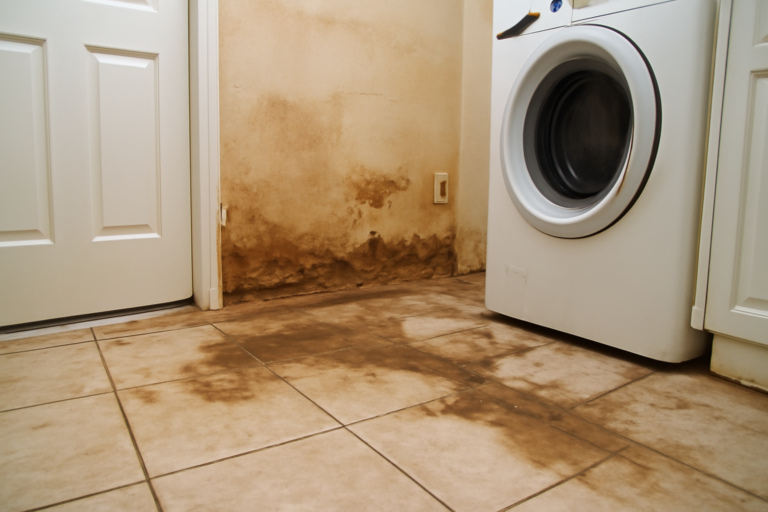
Look for brown or yellow stains on your ceiling, walls, or window sills. These marks indicate that water has been present and is likely seeping into the surrounding materials. These stains are a visual cue of damage.
Peeling or Bubbling Paint/Wallpaper
When water gets behind paint or wallpaper, it can cause them to blister, peel, or warp. This is a sign that the moisture is penetrating the surface layers and potentially compromising the integrity of the wall. It’s a direct sign of water intrusion.
Soft or Damp Drywall/Wood
Gently press on the wall or window frame. If the material feels soft, spongy, or is visibly damp to the touch, water has likely saturated it. This structural weakening requires immediate attention. Feel for any unusual softness.
Mold or Mildew Growth
Any visible patches of mold, whether black, green, or white, are a serious concern. Mold thrives in damp environments, and its presence around windows strongly suggests a water intrusion problem that needs professional remediation. Don’t ignore visible mold signs.
Condensation Buildup
Excessive condensation on the inside of your windows, beyond what’s normal for humid weather, can indicate a poorly sealed window that’s allowing moisture to enter. This constant moisture can lead to rot over time. Watch for unusual condensation.
Window Leak Water Damage Restoration vs. DIY: When To Call a Professional
| Situation | DIY? | Call a Pro? | Why |
|---|---|---|---|
| Minor condensation on window panes | Yes | No | Usually manageable with good ventilation and wiping. |
| Small, isolated water spot on wall near window after a light shower | Maybe | Yes | To ensure no hidden mold or structural damage is developing. |
| Standing water on the floor around the window after a heavy storm | No | Yes | Quick extraction and drying are critical to prevent widespread damage and mold. |
| Musty smell and visible mold growth around window frame | Absolutely Not | Yes | Requires specialized equipment and expertise for safe and thorough mold remediation. |
| Water damage has spread to multiple rooms or floors | No | Yes | Extensive damage requires professional assessment, containment, and drying strategies. |
| Window frame is visibly rotted or deteriorating | No | Yes | Structural repairs and specialized drying are needed; requires professional assessment. |
While minor condensation is usually a homeowner’s responsibility, anything involving standing water, mold, or compromised structural materials around your windows is a clear signal to call in the pros. Our team has the tools and training to handle complex water damage scenarios effectively.
Window Leak Water Damage Restoration Cost In Woodstock, GA
The cost of window leak water damage restoration in Woodstock, GA, can vary significantly depending on the extent of the water intrusion, the size of the affected area, and the complexity of the repairs needed. These figures are general estimates, and a thorough on-site inspection is always required for an accurate quote.
| Service | Typical Price Range | What Affects Cost |
|---|---|---|
| Water Damage Assessment & Moisture Mapping | $300 – $800 | Use of advanced tools like thermal cameras and moisture meters. |
| Water Extraction (per affected area) | $500 – $2,000 | Volume of water, accessibility, and square footage involved. |
| Structural Drying (per room/zone) | $700 – $3,000 | Size of the space, materials affected (e.g., drywall, insulation), and duration of drying. |
| Mold Inspection & Testing | $300 – $1,000 | Scope of suspected mold and need for laboratory analysis. |
| Mold Remediation (per affected area) | $750 – $4,000+ | Severity of mold growth, containment needs, and affected materials. |
| Minor Drywall/Plaster Repair | $300 – $1,500 | Square footage of replacement, finish level, and paint matching. |
These are just estimates, and the final cost will depend on our detailed assessment of your specific situation. We offer free, no-obligation estimates for all window leak water damage restoration projects.
Service Areas Near Woodstock, GA
Canton, Roswell, Marietta, Kennesaw, Acworth, Sandy Springs, Dunwoody, Alpharetta, John’s Creek, Milton, Cumming, Buford, Suwanee, Duluth, Norcross, Tucker, Decatur, Atlanta, Smyrna, Vinings
Common Questions About Window Leak Water Damage Restoration
How quickly do I need to address water damage from a window leak?
You should act immediately. Significant water damage and mold growth can begin within 24-48 hours. The sooner we can extract water and start drying, the less damage and potential for mold there will be. We prioritize emergency calls to minimize your risk.
Will my homeowner’s insurance cover window leak water damage?
It often depends on the cause of the leak and your specific policy. Generally, sudden and accidental damage (like a storm blowing in rain through a damaged seal) is covered, while gradual leaks due to poor maintenance might not be. We can help you document the damage for your claim and work with your adjuster to ensure you get the coverage you deserve.
How long does the window leak water damage restoration process usually take?
The timeline varies greatly depending on the severity. Basic drying might take 2-3 days, but if materials are saturated or mold is involved, it could take a week or more. We use advanced drying techniques to make the process as efficient as possible. Our goal is to get your home back to normal quickly.
What are the health risks associated with window leak water damage?
The primary health risk is mold exposure, which can cause respiratory problems, allergies, and other health issues, especially for sensitive individuals. Stagnant water can also harbor bacteria. Proper drying and remediation by our certified technicians are crucial for ensuring a healthy indoor environment.
Can I just dry out the wet area myself after a window leak?
For very minor dampness on a hard surface, you might be able to dry it with towels and fans. However, water often penetrates drywall, insulation, and wood framing, creating hidden moisture pockets. Our professional team uses specialized equipment to ensure these hidden areas are dried thoroughly, preventing long-term structural damage and mold.
Check Our Other Relevant Services
- Black Water Damage Restoration (Category 3) in Woodstock, GA
- Sump Pump Failure Water Damage Restoration in Woodstock, GA

Jerry Johns is a licensed Damage Restoration Expert with over 20 years of hands-on experience helping homeowners and businesses navigate property crises. As a trusted authority in the field, Jerry combines technical precision with a compassionate approach to disaster recovery.
𝗖𝗲𝗿𝘁𝗶𝗳𝗶𝗰𝗮𝘁𝗶𝗼𝗻𝘀: Jerry holds multiple elite IICRC certifications, including Water Damage Restoration (WRT), Applied Microbial Remediation (Mold), Applied Structural Drying (ASD), Odor Control, and Fire and Smoke Restoration.
𝗙𝗮𝘃𝗼𝗿𝗶𝘁𝗲 𝗣𝗮𝘀𝘁𝗶𝗺𝗲: When he isn’t on a job site, Jerry is an avid outdoorsman who enjoys fly fishing and restoring vintage woodworking tools.
𝗕𝗲𝘀𝘁 𝗣𝗮𝗿𝘁 𝗼𝗳 𝘁𝗵𝗲 𝗝𝗼𝗯: Jerry finds the most fulfillment in seeing the relief on a client’s face when their property is finally restored to its pre-loss condition, turning a stressful disaster into a fresh start.