Trusted by 165+ Homeowners
Wood Trim Water Damage Restoration in Lilburn, GA
- Over 165 5-Star Reviews
- Free Estimates and Quotes
- 100% Satisfaction Guaranteed
- Child, Family & Pet Safe Steps
- 24-Hour Emergency Service
- Fully Licensed & Insured

Don’t Let Water Ruin Your Home’s Beautiful Wood Trim in Lilburn, GA
You walk into your living room and notice it. A subtle, yet undeniable, discoloration creeping along the baseboards. Maybe it’s a slight warping, a soft spot under your fingertips, or that faint, damp smell you can’t quite place. This is not just cosmetic damage; it’s a clear sign your wood trim has suffered water damage, and it needs immediate professional attention. Ignoring these early indicators could lead to much bigger, more expensive problems down the line. You’re looking at potential mold growth and structural issues if this isn’t handled correctly and promptly.
Homeowners in your neighborhood trust our team because we understand the unique challenges wood trim presents. We’ve helped countless families restore their homes, earning over 165 five-star reviews for our meticulous approach to water damage. For wood trim specifically, you need a team that knows the science of drying, not just surface cleaning. We bring that specialized knowledge right to your doorstep, ensuring your home is returned to its pre-loss condition with minimal disruption.
- We focus on preserving the integrity of your wood trim, using targeted drying methods that prevent further warping or buckling, unlike generic approaches.
- Our team uses advanced moisture meters to ensure we dry your trim completely, targeting hidden moisture that could lead to future mold or rot, giving you true peace of mind.
- We understand the aesthetic importance of wood trim and work to restore its appearance, often saving valuable original features that are difficult to replace.
How We Tackle Wood Trim Water Damage
Restoring water-damaged wood trim is a science, not just a cleanup job. A rushed or improper drying process can actually cause more harm, leading to cupping, splitting, or irreversible staining. Our crews follow strict, IICRC-guided protocols to ensure every drop of moisture is extracted and your trim is dried to safe levels. We use specialized equipment designed for this precise task, making sure we address the problem at its source and prevent secondary damage. This diligent process is what sets us apart.
Initial Water Extraction
First, we’ll remove any standing water using powerful extraction equipment. This step is crucial to stop the damage from spreading further. We’ll also begin setting up containment to prevent moisture from affecting other areas of your home. Expect this to take a few hours, depending on the extent of the water.
Moisture Detection and Assessment
Next, our technicians use advanced moisture meters and infrared cameras to pinpoint exactly where the water has penetrated the wood trim and surrounding materials. This detailed assessment ensures no damp spots are missed. This phase is vital for creating a targeted drying plan and typically takes 1-2 hours.
Controlled Drying
We then deploy specialized drying equipment like low-profile air movers and dehumidifiers. These are strategically placed to create optimal airflow and humidity control around the affected trim. This controlled drying process is designed to pull moisture out of the wood without causing rapid expansion or contraction, which could lead to cracking. This can take anywhere from 24 hours to several days, depending on the saturation level.
Odor Control
Water damage can leave behind unpleasant odors. We use professional-grade deodorizing treatments to neutralize any lingering smells, ensuring your home smells fresh again. This is often done concurrently with the drying process and may take an additional day.
Restoration and Repair
Once completely dry, we assess the trim for any necessary repairs. This might involve minor cosmetic fixes, re-securing loose sections, or preparing the surface for repainting or refinishing. Our goal is to make the trim look as good as new. This final step’s duration varies greatly depending on the damage.
Don’t wait for wood trim damage to worsen. Call us today for a fast, accurate assessment and begin the restoration process immediately. Your home deserves the best possible care.

Warning Signs You Need Wood Trim Water Damage Restoration
Catching water damage to your wood trim early is key to preventing more serious issues like mold growth or structural compromise. Many homeowners overlook subtle changes, but these are critical indicators that professional intervention is needed. Recognizing these signs can save you significant time and money in the long run. Pay close attention to these common indicators:
Discoloration or Stains
Look for water spots, dark patches, or a general yellowing or browning of the wood trim. These are direct visual cues that water has saturated the material. Don’t ignore these marks; they often signal underlying moisture. Prompt assessment is crucial.
Warping or Swelling
If your wood trim starts to bow, ripple, or feel “puffy” to the touch, it’s absorbing moisture. This swelling can cause trim to pull away from the wall or create uneven surfaces. Early detection prevents permanent structural changes to the wood. Act quickly to avoid this.
Soft or Spongy Texture
Gently press on your wood trim. If it feels soft, spongy, or gives way easily, the wood fibers have likely been compromised by prolonged water exposure. This indicates significant saturation and potential rot. This is a serious warning sign that requires immediate professional help.
Peeling or Bubbling Paint/Finish
Water trapped beneath the paint or finish on your wood trim will cause it to delaminate and bubble. This failure of the protective coating allows more moisture to penetrate. This visual cue suggests the wood is saturated. It’s time to call.
Musty Odors That Won’t Go Away
A persistent damp, mildewy, or earthy smell, especially near the baseboards or around windows and doors, is a strong indicator of hidden water damage and potential mold growth. These odors often mean moisture is trapped where you can’t see it. Addressing the source is the only way to eliminate the smell. Seek expert evaluation now.
Visible Mold or Mildew
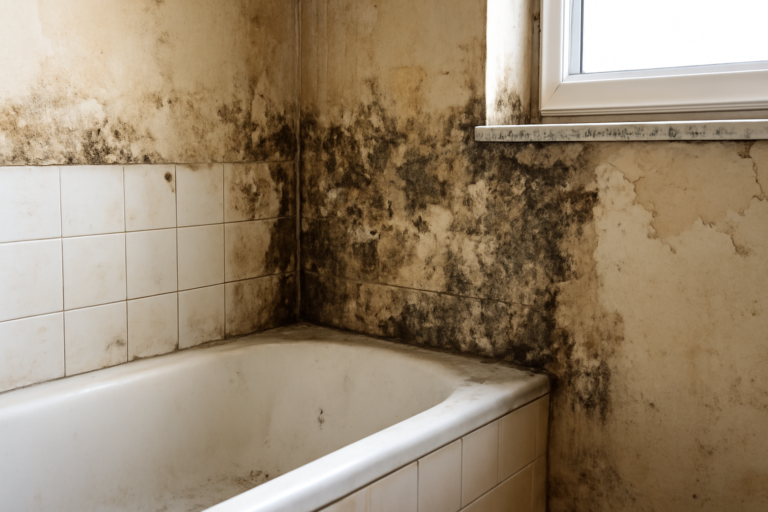
Any sign of black, green, or white fuzzy growth on or around your wood trim is a clear sign of mold. Mold thrives in damp conditions and can pose serious health risks. This is an urgent situation requiring immediate containment and remediation. Contact us without delay.
Wood Trim Water Damage Restoration vs. DIY: When To Call a Professional
| Situation | DIY? | Call a Pro? | Why |
|---|---|---|---|
| Small, isolated water spot on trim, dried quickly. | Yes, monitor closely. | No | Minor spots may dry on their own with good ventilation. |
| Trim feels slightly soft after a minor spill. | Maybe, if very small area and you have proper drying tools. | Yes | Hidden moisture can still cause damage and mold. |
| Noticeable warping, swelling, or discoloration on trim. | No | Yes | Structural integrity is compromised; requires specialized drying. |
| Persistent musty odor near wood trim. | No | Yes | Indicates hidden moisture and potential mold growth. |
| Paint or finish is bubbling or peeling on trim. | No | Yes | Water has saturated the wood beneath the finish. |
| Visible mold or mildew on the trim. | Absolutely Not | Yes | Health hazard; requires containment and professional remediation. |
For any situation involving significant moisture, structural changes to the wood, or the presence of mold, professional intervention is essential. Our team has the specialized equipment and expertise to dry your wood trim thoroughly and safely, preventing long-term damage and health risks. Don’t risk further damage by attempting complex repairs yourself. Call us for expert help.
Wood Trim Water Damage Restoration Cost In Lilburn, GA
The cost for wood trim water damage restoration in Lilburn, GA, can vary significantly based on the extent of the damage, the size of the affected area, and the complexity of the drying and repair process. These figures are general estimates to help you budget. Accurate pricing requires an on-site inspection.
| Service Aspect | Typical Price Range | What Affects Cost |
|---|---|---|
| Initial Water Extraction | $300 – $800 | Volume of water, accessibility of the area. |
| Moisture Detection & Assessment | $200 – $500 | Use of advanced equipment like thermal cameras. |
| Controlled Drying (Equipment Rental) | $500 – $2,500 | Duration of drying needed, number and type of machines used. |
| Odor Control Treatments | $250 – $750 | Severity of odor, type of treatment required. |
| Minor Wood Trim Repair | $400 – $1,200 | Complexity of repair, material matching, labor time. |
| Mold Remediation (if applicable) | $1,000 – $5,000+ | Amount of mold, containment needs, air scrubbing requirements. |
These prices are for wood trim restoration specifically and do not include major structural repairs to walls or floors. We offer free, no-obligation estimates after a thorough assessment of your property. Contact us today to schedule yours.
Service Areas Near Lilburn, GA
Tucker, Decatur, Snellville, Stone Mountain, Norcross, Duluth, Suwanee, Lawrenceville, Atlanta, Chamblee, Doraville, Sandy Springs, Johns Creek, Marietta, Roswell, Alpharetta, Kennesaw, Smyrna, Vinings, Mableton.
Common Questions About Wood Trim Water Damage Restoration
How quickly do I need to address water damage to my wood trim?
You should address wood trim water damage as soon as possible. The longer water sits, the more it saturates the wood, leading to warping, staining, and potential mold growth. Ideally, professional drying should begin within 24-48 hours of the water event. Our team is available to respond quickly to minimize damage and start the restoration process.
Will my insurance cover wood trim water damage restoration?
In many cases, yes. Water damage caused by sudden and accidental events like burst pipes or appliance leaks is typically covered by homeowners’ insurance. Damage from slow leaks or poor maintenance might not be. We can help you document the damage and work with your insurance adjuster to ensure your claim is handled properly. We’ll guide you through the process.
How long does the wood trim drying process typically take?
The drying time for wood trim varies greatly depending on how saturated it is and the type of wood. It can range from 24 hours for minor dampness to several days or even a week for heavily saturated materials. We use advanced moisture meters to monitor progress and determine when the trim is completely dry. Our goal is efficient drying.
What are the health risks associated with untreated wood trim water damage?
The primary health risk is mold growth. Mold releases spores into the air that can cause allergic reactions, asthma flare-ups, and other respiratory problems, especially for sensitive individuals. Additionally, compromised wood can become unstable. Preventing mold is a key reason for prompt remediation. We take health and safety seriously.
Can you restore the appearance of my wood trim after water damage, or will it need to be replaced?
Often, we can restore the appearance of your wood trim. After thorough drying, we can address issues like staining, minor warping, and peeling finishes. In cases of severe damage where the wood is extensively rotted or discolored, replacement might be necessary. We’ll always assess the trim and discuss the best options with you. Our aim is preservation whenever possible.
Check Our Other Relevant Services
Serving Lilburn, GA And Nearby Areas