Trusted by 165+ Homeowners
Wood Trim Water Damage Restoration in Union City, GA
- Over 165 5-Star Reviews
- Free Estimates and Quotes
- 100% Satisfaction Guaranteed
- Child, Family & Pet Safe Steps
- 24-Hour Emergency Service
- Fully Licensed & Insured

Don’t Let Water Ruin Your Home’s Charm: Expert Wood Trim Water Damage Restoration in Union City, GA
You walk into your living room and notice it. A subtle, yet unmistakable, discoloration on your beautiful wood trim. Maybe it’s near a window after a storm, or perhaps a pipe leak you just discovered. The wood looks darker, a little soft to the touch, and you can almost smell a faint, damp odor. This isn’t just cosmetic; it’s a sign that water damage is actively spreading within your home’s structure, and you need immediate professional attention.
Homeowners around here trust our team because we understand the unique challenges wood trim presents. We’ve helped over 165 families in your neighborhood restore their homes after water incidents. You’re not just getting repairs; you’re getting a team that knows how to handle delicate materials and prevent future issues. We’ve seen firsthand how quickly water can compromise the integrity and beauty of your wood finishes, and we’re here to make it right.
- We specialize in the precise drying techniques needed for wood trim, preventing warping, swelling, and rot that can ruin your home’s aesthetic.
- Our targeted approach uses advanced equipment to extract moisture specifically from wood fibers, ensuring a thorough restoration without unnecessary disruption.
- We focus on preserving the original beauty of your wood trim, using methods designed to maintain its color, finish, and structural integrity.
The Science Behind Restoring Your Wood Trim
When water infiltrates your wood trim, it doesn’t just sit on the surface. It soaks in, creating hidden moisture pockets that can lead to mold growth and structural compromise. Our approach to wood trim water damage restoration is highly technical, focusing on rapid moisture extraction and controlled drying. We use specialized equipment and proven protocols to ensure that every bit of excess water is removed, and the wood is returned to its safe, dry state. Cutting corners here means inviting bigger, more expensive problems down the road.
Initial Assessment and Moisture Mapping
The first step is a detailed inspection. We use advanced moisture meters to pinpoint exactly where the water has penetrated the wood trim and how deep it goes. This precise moisture mapping is crucial for developing an effective drying plan. We’ll assess the extent of the damage and identify any potential secondary issues.
Water Extraction and Containment
Depending on the source and amount of water, we’ll use specialized pumps or extraction tools to remove standing water. For wood trim, containment is key to prevent further spreading. We set up barriers to isolate the affected area and protect unaffected parts of your home during the drying process. This step ensures efficient and localized drying.
Controlled Drying Protocols
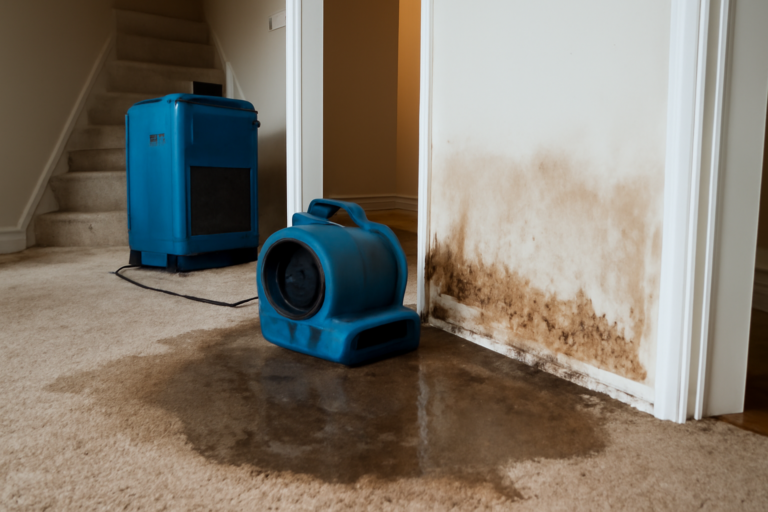
This is where the science really comes into play. We deploy a combination of high-velocity air movers and dehumidifiers strategically placed to create optimal drying conditions. These machines work to gradually reduce moisture levels in the wood trim and surrounding materials without causing further damage. We monitor humidity and temperature closely throughout this phase.
Wood Trim Drying and Deodorization
Once the bulk of the moisture is gone, we continue drying until the wood trim reaches safe, stable moisture content levels. We also address any lingering damp odors that water damage often leaves behind. Our team uses specialized deodorizing equipment to neutralize smells, leaving your home smelling fresh. This ensures a complete and healthy restoration.
Structural Drying and Monitoring
Our process doesn’t stop at the visible trim. We ensure that the underlying materials are also thoroughly dried to prevent mold growth and structural integrity issues. We continue to monitor moisture levels in the wood and surrounding wall cavities until we’re confident everything is completely dry. This long-term structural drying is vital.
Don’t wait for that damp spot to turn into a serious problem. Call us now for fast, effective wood trim water damage restoration. We’re ready to help you protect your home’s beauty and value today.

Warning Signs You Need Wood Trim Water Damage Restoration
Catching wood trim water damage early can save you a significant amount of money and hassle. Ignoring these signs can lead to more extensive structural damage and costly mold remediation. Pay close attention to these indicators; they are your home’s way of telling you something is wrong.
Discoloration or Staining
Look for dark spots, water rings, or yellowish-brown stains on your wood trim. This is often the most obvious sign that water has penetrated the wood, and it’s a clear indication of potential underlying moisture.
Warping or Swelling
If your wood trim starts to look bowed, bent, or feels spongy to the touch, it’s absorbing moisture. Swollen wood can pull away from walls or ceilings, causing gaps and compromising its appearance. This is a sign of significant water saturation.
Peeling or Bubbling Paint/Finish
Water trapped behind paint or finishes will cause them to blister or peel away from the wood surface. This visual cue suggests that moisture is actively working its way through the wood. You’re seeing surface damage from within.
Musty Odors That Won’t Go Away
A persistent damp, musty smell, especially near baseboards or window frames, is a strong indicator of hidden water damage and potential mold growth. This odor often signals unseen moisture problems.
Soft or Spongy Texture
Gently press on your wood trim in suspect areas. If it feels soft, mushy, or gives way easily, the wood fibers have likely been compromised by prolonged moisture exposure. This means structural integrity is at risk.
Visible Mold or Mildew
Any signs of mold or mildew growth on or around your wood trim are a serious warning. This means water has been present long enough for mold to thrive, posing health risks and requiring immediate attention. This is a critical health hazard.
Wood Trim Water Damage Restoration vs. DIY: When To Call a Professional
| Situation | DIY? | Call a Pro? | Why |
|---|---|---|---|
| Minor condensation on baseboards from a single window leak | Yes, with caution | Yes, if persistent | DIY can work for very small, isolated incidents, but professional assessment ensures no hidden damage. |
| Visible dark staining and slight warping on multiple sections of baseboard trim | No | Yes | This indicates deeper saturation and potential for hidden mold, requiring specialized drying equipment. |
| A small, isolated drip from a ceiling trim piece after a rainstorm | Yes, monitor closely | Yes, if staining appears | You can dry it out yourself, but professional inspection confirms the source and checks for secondary damage. |
| A burst pipe caused significant water flow into walls and trim | Absolutely Not | Yes | This level of damage requires industrial-grade drying equipment and containment procedures. |
| You smell a musty odor coming from wood trim but see no visible signs | No | Yes | Hidden moisture is the biggest threat; professionals have tools to detect and remediate it before it causes major issues. |
| Water damage affecting intricate or historic wood trim | No | Yes | Specialized knowledge is needed to restore delicate or antique wood without causing irreversible damage. |
For anything beyond minor, surface-level moisture, professional intervention is almost always the best route for wood trim. Our team has the specialized tools and expertise to handle the complexities of water damage in wood, ensuring a thorough and safe restoration. Trusting the professionals protects your home’s value and your family’s health.
Wood Trim Water Damage Restoration Cost In Union City, GA
The cost for wood trim water damage restoration can vary significantly based on the extent of the damage, the size of the affected area, and the specific remediation steps required. These figures are estimates for Union City, GA homeowners and can change based on your unique situation.
| Service | Typical Price Range | What Affects Cost |
|---|---|---|
| Initial Inspection and Moisture Assessment | $200 – $750 | Complexity of the affected area, use of advanced thermal imaging. |
| Water Extraction and Containment for Trim | $400 – $1,500 | Amount of standing water, size of the area needing containment. |
| Controlled Drying (Air Movers & Dehumidifiers) | $600 – $2,500 | Duration of drying needed, number of units required, ambient humidity levels. |
| Wood Trim Deodorization | $300 – $900 | Severity of odor, type of deodorizing agents used. |
| Minor Wood Trim Repair (non-structural) | $500 – $2,000 | Extent of swelling or minor warping, required finishing work. |
| Mold Prevention Treatment for Trim Areas | $400 – $1,200 | Size of the treated area, type of preventative solution applied. |
An accurate price for your specific wood trim water damage restoration needs will be determined after a thorough on-site assessment. We offer free estimates to help you understand the scope and cost involved.
Service Areas Near Union City, GA
Fairburn, Atlanta, East Point, College Park, Hapeville, Jonesboro, Riverdale, Forest Park, Morrow, Clayton, Lovejoy, Tyrone, Palmetto, Newnan, Peachtree City, Fayetteville, Stockbridge, Hampton, McDonough, Atlanta Metro Area.
Common Questions About Wood Trim Water Damage Restoration
What’s the difference between water damage to drywall and water damage to wood trim?
Drywall can absorb a lot of water and often needs to be replaced if saturated. Wood trim, however, can often be saved through meticulous drying and specialized treatments. Our team uses different protocols for each material, focusing on preserving the integrity of your wood while addressing any underlying moisture issues. We’re experts in both, ensuring your entire home is handled correctly.
How long does it take to dry out water-damaged wood trim?
The drying time for wood trim can vary significantly, typically ranging from 24 hours to several days. It depends on how much water was absorbed, the type of wood, ambient humidity, and the drying equipment used. We continuously monitor moisture levels to ensure the wood is completely dry before concluding the restoration process.
Is mold likely to grow on my wood trim after water damage?
Yes, mold can grow on wood trim if it remains wet for an extended period, typically 24-48 hours. That’s why rapid response is so critical. Our process includes immediate moisture removal and drying, and we can apply anti-microbial treatments to prevent mold from taking hold. We prioritize a healthy indoor environment.
How much does wood trim water damage restoration typically cost in the Atlanta area?
The cost can range from a few hundred dollars for minor issues to several thousand for extensive damage. Factors include the severity of water saturation, the amount of trim affected, and whether mold is present. We provide detailed, transparent estimates after an on-site assessment so you know exactly what to expect.
What should I do immediately after discovering water damage on my wood trim in Union City, GA?
Your first steps should be to stop the water source if possible and then remove any standing water. For wood trim, it’s crucial to contact a professional restoration service immediately. We can begin the drying process quickly, which is essential to prevent further damage, warping, and mold growth. Don’t delay calling us.
Check Our Other Relevant Services
Serving Union City, GA And Nearby Areas