Trusted by 165+ Homeowners
Behind Wall Water Damage Restoration in Acworth, GA
- Over 165 5-Star Reviews
- Free Estimates and Quotes
- 100% Satisfaction Guaranteed
- Child, Family & Pet Safe Steps
- 24-Hour Emergency Service
- Fully Licensed & Insured
Don’t Let Hidden Water Turn Into a Hidden Disaster in Acworth, GA
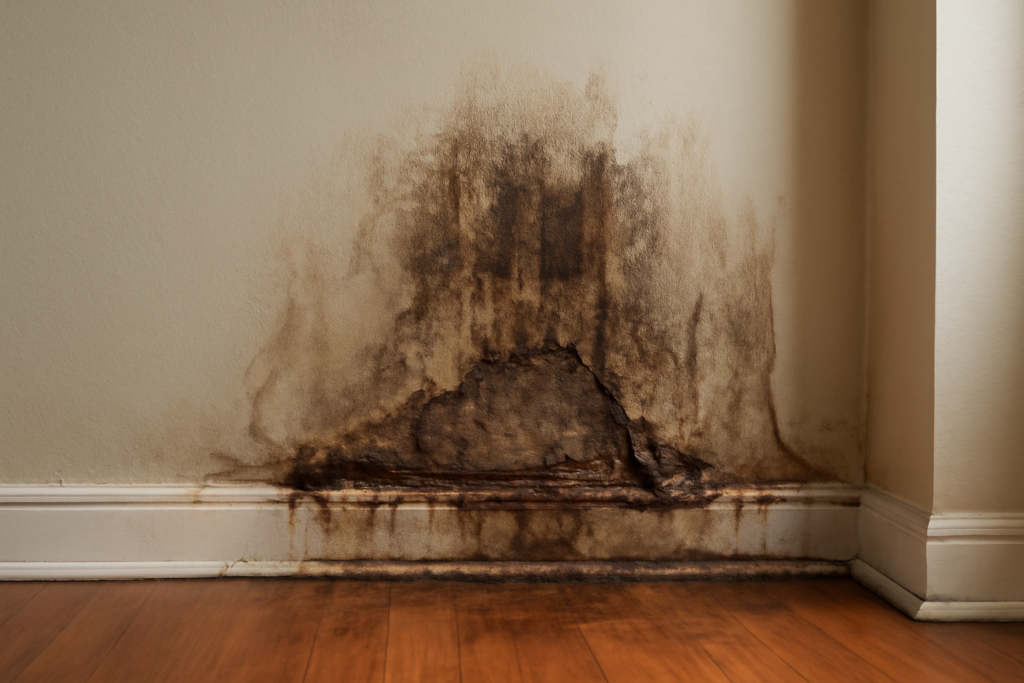
You might not see it, but water lurking behind your walls can cause serious damage before you even realize there’s a problem. A tiny leak from a pipe or a faulty appliance can seep into your insulation and framing, creating a breeding ground for mold and compromising your home’s structure. It’s easy to dismiss a slight discoloration on the wall or a faint, persistent smell, but these are often the first signs of serious hidden moisture. Ignoring these early warnings can lead to much larger, more expensive repairs down the road, impacting your family’s health and the value of your property. We understand how unsettling it is to suspect damage you can’t quite pinpoint, and our team is here to bring clarity and swift action to your situation.
Locally, homeowners have come to trust our prompt and effective approach when dealing with the unseen threats of behind-wall water damage. We’ve earned over 165 five-star reviews because we focus on getting to the root of the problem quickly and restoring your home with meticulous care. When you’re facing the uncertainty of water damage hidden from view, you need a team that’s not only experienced but also deeply committed to your neighborhood’s well-being. We’re dedicated to providing that reliable service right here in your community.
- We specialize in pinpointing the exact source of hidden leaks, using advanced technology to avoid unnecessary destruction and ensure accurate remediation.
- Our rapid response means we can often stop further damage before it spreads, significantly reducing repair costs and preventing long-term structural issues.
- We prioritize your home’s health by thoroughly drying and disinfecting affected areas, eliminating mold risks and ensuring a safe living environment.
How We Tackle Behind Wall Water Damage
When water gets behind your walls, time is absolutely critical. The longer it sits, the more damage it causes to your drywall, insulation, and framing, not to mention the increased risk of mold growth. Our approach is built around speed and precision. We don’t just patch up the surface; we dive deep to find the moisture, extract it completely, and restore your home’s integrity. A proper process isn’t just about fixing the visible issue; it’s about preventing future problems and ensuring your home is truly dry and safe.
1. Initial Assessment and Moisture Detection
Our technicians arrive promptly to conduct a thorough inspection, using specialized tools like infrared cameras and moisture meters. This allows us to accurately locate hidden water, even behind finished surfaces. We’ll map out the affected areas, giving you a clear understanding of the scope of the problem before we begin any work. This crucial first step usually takes 1-2 hours.
2. Water Extraction
Once the source is identified and stopped, we begin removing the standing water. We use powerful, truck-mounted extraction units and specialized pumps designed to pull water out from wall cavities and subfloors. This process is vital to prevent further saturation and begin the drying process as quickly as possible. Depending on the amount of water, this can take anywhere from a few hours to a full day.
3. Drying and Dehumidification
After the bulk of the water is removed, we deploy industrial-grade air movers and dehumidifiers. These machines work tirelessly to pull moisture out of the air and building materials, creating a controlled environment for drying. This stage is critical for preventing mold and structural damage and can take several days, sometimes up to a week, depending on the humidity levels and the extent of the saturation.
4. Mold Prevention and Treatment
If mold has already begun to form, or if the conditions are ripe for it, we address it immediately. Our team uses EPA-approved antimicrobial treatments to kill existing mold spores and prevent new growth. We ensure that all affected materials are properly treated to safeguard your home’s health. This step is usually integrated into the drying process and can take 1-2 days.
5. Structural Drying and Monitoring
Throughout the drying process, we continuously monitor moisture levels using our advanced equipment. We adjust our drying strategy as needed, ensuring that materials behind the walls reach a safe, dry standard. This ongoing attention is key to a complete and lasting restoration. We’ll keep monitoring until the very last bit of excess moisture is gone, which can take several days.
Don’t let hidden water damage compromise your home’s safety and integrity. Call us immediately to get our experts on your property and start the restoration process. You’ll be glad you took swift, decisive action.
Warning Signs You Need Behind Wall Water Damage Restoration
Catching water damage early is key to minimizing its impact. Often, the signs are subtle, and it’s easy to overlook them until the problem becomes much more severe. Being aware of these indicators can save you significant money and prevent major structural issues in your home. Don’t ignore these subtle clues; they are your home’s way of telling you it needs attention.
Musty Odors That Won’t Go Away
A persistent, damp, or musty smell, especially in specific rooms or near certain walls, is a strong indicator of hidden moisture. This odor often signals mold growth behind the walls, which thrives in damp environments. It’s a clear sign that professional inspection is needed.
Peeling or Bubbling Paint and Wallpaper
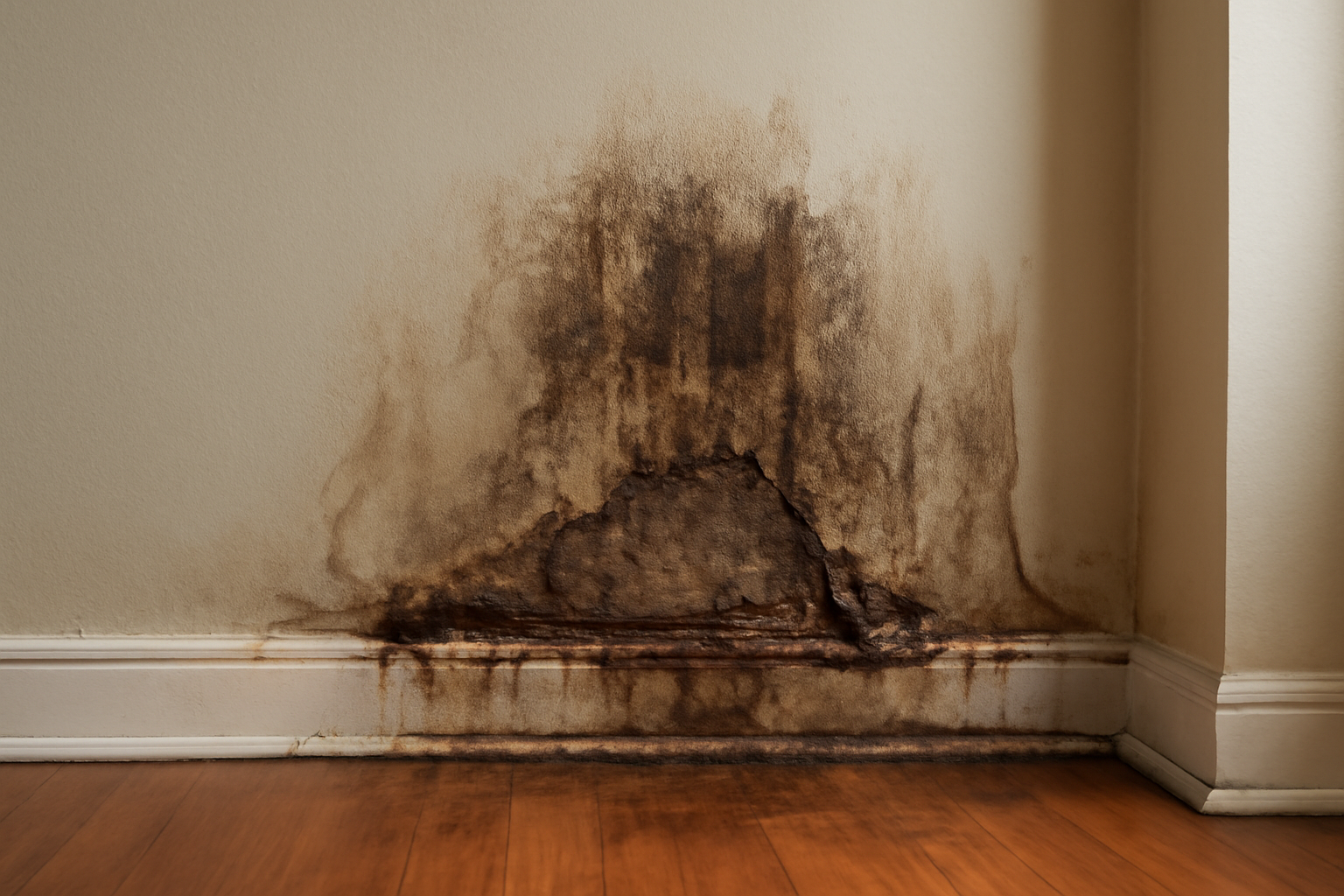
When paint or wallpaper starts to peel, bubble, or blister away from the wall, it’s often because moisture is trapped underneath. This indicates that the drywall or plaster is becoming saturated, weakening its bond. This is a visible sign of underlying moisture issues.
Discolored Walls or Ceilings
Yellow or brown stains appearing on your walls or ceiling, especially after a rainstorm or if you suspect a plumbing issue, are telltale signs of water intrusion. These stains are caused by water seeping through materials and carrying impurities with it. They point directly to water damage occurring.
Warped or Sagging Walls
If you notice that sections of your walls feel soft, look warped, or even sag inward, it means the framing and drywall are likely compromised by prolonged exposure to water. This is a serious structural concern that requires immediate attention to prevent collapse.
Increased Humidity Levels
A sudden or consistent increase in the overall humidity within your home, even when the weather isn’t particularly damp, can indicate a hidden leak. This excess moisture in the air is often a byproduct of water trapped behind walls or under floors. It’s a subtle clue that moisture is escaping.
Warm Spots on Walls
If you feel unusually warm spots on an interior wall, it could mean there’s a hot water pipe leaking behind it. The hot water is transferring its heat through the wall materials, creating a distinct temperature difference. This is a critical sign of a potential plumbing failure.
Behind Wall Water Damage Restoration vs. DIY: When To Call a Professional
| Situation | DIY? | Call a Pro? | Why |
|---|---|---|---|
| Suspected leak from plumbing behind a wall | No | Yes | Pinpointing exact leak location and repairing pipes requires specialized tools and expertise. |
| Small, visible water stain on drywall | Maybe, for minor surface drying | Yes, for thorough inspection | Surface drying doesn’t address potential moisture behind the wall, which can lead to mold. |
| Musty odor with no visible leak | No | Yes | This strongly suggests hidden mold growth behind walls, which needs professional containment and removal. |
| Dampness or condensation on wall surface | Maybe, for initial cleanup | Yes, for full assessment | This indicates a persistent moisture source that needs identification and professional drying to prevent structural damage. |
| Visible mold growth on wall surface | No | Yes | Mold behind walls is extensive and requires containment, specialized cleaning, and thorough drying. |
| Sagging or soft spots in the wall | No | Yes | This indicates significant structural compromise due to water saturation, requiring professional structural drying and repair. |
For any situation involving hidden water behind your walls, professional intervention is almost always the best course of action. While you might be tempted to try a quick fix, the risks of mold, structural damage, and electrical hazards are too high. Our team has the equipment and knowledge to accurately assess and resolve these complex issues safely and effectively.
Behind Wall Water Damage Restoration Cost In Acworth, GA
The cost of addressing behind-wall water damage in Acworth, GA, can vary significantly based on the extent of the damage, the size of the affected area, and the complexity of the repairs needed. These price ranges are estimates and can fluctuate based on your specific situation. We always provide a detailed assessment and transparent pricing before any work begins.
| Service Aspect | Typical Price Range | What Affects Cost |
|---|---|---|
| Moisture Detection & Assessment | $300 – $700 | Complexity of the leak, number of areas to inspect, and specialized equipment needed. |
| Water Extraction (Behind Walls) | $500 – $2,500 | Amount of standing water, accessibility of the area, and required extraction time. |
| Structural Drying (Industrial Equipment) | $1,000 – $4,000+ | Size of the affected space, duration of drying needed, and number of dehumidifiers/air movers used. |
| Mold Remediation (If Necessary) | $500 – $3,000+ | Severity and type of mold, size of affected area, and containment measures required. |
| Wall Cavity Drying Systems | $700 – $2,000 | Number of wall cavities needing specialized drying equipment and duration of system operation. |
| Minor Drywall/Insulation Repair | $400 – $1,500 | Square footage of material replacement and labor involved in patching or replacing sections. |
Understanding the exact costs requires a professional on-site evaluation. We offer free, no-obligation estimates so you know exactly what to expect. Don’t let the uncertainty of cost delay necessary repairs; contact us for a clear assessment.
Service Areas Near Acworth, GA
Kennesaw, Marietta, Woodstock, Cartersville, Dallas, Powder Springs, Smyrna, Austell, Hiram, Acworth, Roswell, Sandy Springs, Atlanta, Dunwoody, Brookhaven, Vinings, Mableton, Lithia Springs, Acworth, Acworth.
Common Questions About Behind Wall Water Damage Restoration
What’s the first thing I should do if I suspect water behind my walls?
If you suspect water damage behind your walls, your immediate priority should be to shut off the water source if you can safely identify it, like a specific faucet or appliance valve. Then, call our team right away. We can perform a professional inspection to pinpoint the leak and begin the necessary mitigation steps. Waiting too long can lead to widespread damage and mold growth, making repairs more extensive and costly.
How long does behind wall water damage restoration typically take?
The timeline for behind-wall water damage restoration varies greatly, but the initial drying process often takes 3 to 7 days. This depends on the amount of water, the materials affected, and how quickly we can deploy our drying equipment. Full restoration, including repairs to drywall, insulation, and paint, can take longer, potentially a few weeks, depending on the scope of work. We’ll give you a more precise estimate after our assessment.
Is behind wall water damage dangerous?
Yes, behind-wall water damage can be very dangerous. Trapped moisture creates an ideal environment for mold and mildew, which can cause respiratory problems and allergic reactions. Furthermore, water can compromise the structural integrity of your home and damage electrical wiring, increasing the risk of electrical shorts or fires. It’s essential to address these issues promptly to protect your family’s health and safety.
What kind of equipment do you use to find and dry water behind walls?
Our team utilizes advanced technology such as infrared cameras to detect temperature differences indicating moisture, along with penetrating moisture meters to measure water content within materials. For drying, we employ high-powered air movers, specialized LGR (Low-Grain Refrigerant) dehumidifiers, and sometimes even wall cavity drying systems designed to force dry air directly into confined spaces. This equipment ensures we thoroughly remove moisture and prevent future problems.
Can I prevent water damage behind my walls?
Preventing water damage behind your walls involves regular maintenance and vigilance. Keep an eye out for dripping faucets, running toilets, and leaky pipes. Consider having older plumbing inspected periodically. Ensure your appliances, like dishwashers and washing machines, have properly functioning hoses. Promptly addressing any small leaks you notice is key to avoiding bigger issues.
Check Our Other Relevant Services

Jerry Johns is a licensed Damage Restoration Expert with over 20 years of hands-on experience helping homeowners and businesses navigate property crises. As a trusted authority in the field, Jerry combines technical precision with a compassionate approach to disaster recovery.
𝗖𝗲𝗿𝘁𝗶𝗳𝗶𝗰𝗮𝘁𝗶𝗼𝗻𝘀: Jerry holds multiple elite IICRC certifications, including Water Damage Restoration (WRT), Applied Microbial Remediation (Mold), Applied Structural Drying (ASD), Odor Control, and Fire and Smoke Restoration.
𝗙𝗮𝘃𝗼𝗿𝗶𝘁𝗲 𝗣𝗮𝘀𝘁𝗶𝗺𝗲: When he isn’t on a job site, Jerry is an avid outdoorsman who enjoys fly fishing and restoring vintage woodworking tools.
𝗕𝗲𝘀𝘁 𝗣𝗮𝗿𝘁 𝗼𝗳 𝘁𝗵𝗲 𝗝𝗼𝗯: Jerry finds the most fulfillment in seeing the relief on a client’s face when their property is finally restored to its pre-loss condition, turning a stressful disaster into a fresh start.