
Trusted by 165+ Homeowners
Attic Mold Remediation in Auburn, GA
- Over 165 5-Star Reviews
- Free Estimates and Quotes
- 100% Satisfaction Guaranteed
- Child, Family & Pet Safe Steps
- 24-Hour Emergency Service
- Fully Licensed & Insured
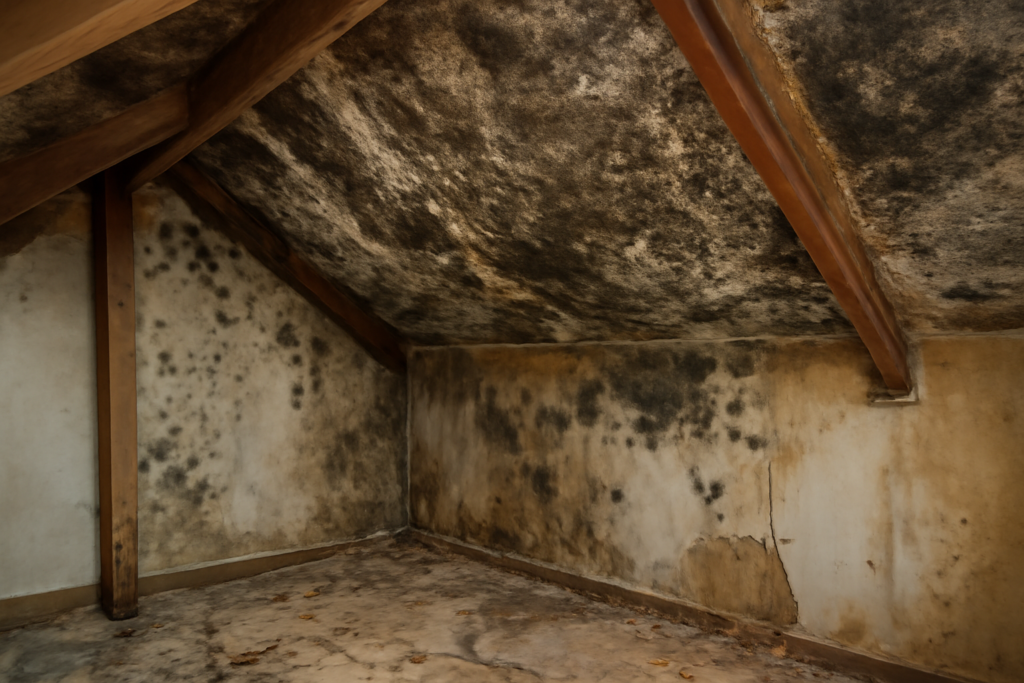
Tackling the Dark, Damp Threat: Attic Mold Remediation in Auburn, GA
You’re up in the attic, maybe looking for holiday decorations or an old box of memories, and you see it. A patch of fuzzy, discolored growth clinging to the insulation or wooden beams. Or perhaps it’s a persistent, musty smell that seems to follow you downstairs, a smell you can’t quite place but know isn’t right for your home. It’s that unsettling moment when you realize mold has found a new home in your attic, and you need to deal with it immediately. Ignoring it won’t make it disappear; in fact, it will only get worse, potentially impacting your family’s health and the structural integrity of your property. We understand how alarming discovering mold in your attic can be, and we’re here to help you get it resolved quickly and effectively, right here in Auburn, GA.
Homeowners around the area trust us because we bring a proven, methodical approach to every attic mold problem. With over 165 five-star reviews, you can see that our neighbors rely on our expertise when mold starts to creep into their most vulnerable spaces. We don’t just clean it up; we get to the root cause to prevent it from coming back. Our team is committed to restoring your home’s safety and comfort, providing a level of service that gives you real confidence in the work done.
- We use specialized equipment to accurately measure moisture levels, identifying hidden water sources that fuel mold growth and ensuring your attic is truly dry.
- Our containment protocols prevent mold spores from spreading into your living areas during the remediation process, protecting your family’s health.
- We focus on identifying and addressing the underlying moisture issues, not just the visible mold, which is key to preventing future infestations.
How Attic Mold Remediation Actually Works
Attic mold remediation isn’t just a quick wipe-down. It’s a precise, science-based process that requires specific knowledge and equipment to be done correctly. When mold takes hold in an attic, it indicates an underlying moisture problem that needs to be diagnosed and fixed. Our crews follow a strict protocol to ensure the mold is removed safely and effectively, and that your attic environment is restored to a healthy state. Cutting corners here can lead to recurring mold issues and even more costly repairs down the line, which is why you need experienced professionals.
Step 1: Initial Assessment and Containment
Our technicians will first conduct a thorough inspection of your attic to determine the extent of the mold growth and identify potential moisture sources. We’ll then set up containment barriers, often using negative air pressure and HEPA filters, to prevent mold spores from spreading to other parts of your home. This initial phase is crucial for a safe and effective remediation.
Step 2: Mold Removal
Using specialized cleaning agents and equipment, our crews carefully remove mold from all affected surfaces, including wood framing, insulation, and drywall. We employ methods that effectively kill mold spores and clean the substrate without causing further damage. This step requires meticulous attention to detail and proper safety gear.
Step 3: Decontamination and Air Scrubbing
Once the visible mold is removed, we use industrial-grade air scrubbers with HEPA filters to remove any remaining airborne spores from the attic space. We also apply antimicrobial treatments to kill any residual mold and prevent its regrowth. This thorough decontamination ensures a healthy indoor environment.
Step 4: Moisture Source Identification and Repair
Mold thrives in damp conditions. Our team will work to pinpoint the source of the moisture, whether it’s a roof leak, poor ventilation, or condensation issues, and recommend or perform the necessary repairs. Addressing the root cause is essential for long-term prevention.
Step 5: Drying and Verification
We use specialized drying equipment to ensure the attic space is completely dry, often taking moisture readings to confirm. Before we consider the job complete, we verify that the mold has been successfully remediated and the environment is safe. Your satisfaction is our top priority.
Don’t let attic mold compromise your home’s health and safety any longer. Call us today for a fast, professional assessment and remediation plan. We’re ready to help you reclaim your attic space, ensuring it’s free from mold and moisture.

Warning Signs You Need Attic Mold Remediation
Catching attic mold early is key to minimizing damage and preventing potential health issues. Your attic might be out of sight, but it’s not out of reach when it comes to recognizing the signs that mold is taking hold. Paying attention to these indicators can save you significant money and stress down the road. We’ve seen countless attics around the area, and these are the most common red flags that signal a problem needing immediate attention.
Musty Odors That Won’t Go Away
This is often the first and most persistent sign. If you notice a damp, earthy, or musty smell that seems to originate from your attic or waft down into your living spaces, it’s a strong indicator of mold growth. The smell might be more noticeable after rain or on humid days, pointing to hidden moisture and mold.
Visible Mold Growth
This might seem obvious, but sometimes mold can be mistaken for dirt or water stains. Look for fuzzy or slimy patches that can be black, green, white, or even orange. It often appears on wood beams, rafters, or the underside of your roof decking. Seeing it clearly means you have a significant problem.
Water Stains or Discoloration
Check the ceiling or walls directly below the attic for any signs of water damage. Dark spots, water rings, or peeling paint can indicate a leak that has traveled from the attic, creating a damp environment where mold can thrive. These stains are clear warnings of moisture issues.
Deteriorating Insulation
Mold loves to feed on organic materials, including the cellulose or fiberglass in your attic insulation. If you notice your insulation is sagging, clumping, or has visible dark spots or discoloration, mold may be the culprit. Compromised insulation also means less energy efficiency for your home.
Increased Humidity or Condensation
A properly ventilated attic should regulate temperature and humidity. If you notice excessive condensation on pipes, vents, or the underside of the roof sheathing, it suggests a ventilation problem that is trapping moisture. This high humidity creates a perfect breeding ground for mold and requires prompt correction.
Allergy-Like Symptoms
While not exclusive to attics, if you or your family members experience persistent allergy symptoms like sneezing, coughing, watery eyes, or respiratory issues that seem to worsen when you’re at home, especially near the upper levels, mold spores could be the cause. Airborne mold can significantly impact your indoor air quality.
Attic Mold Remediation vs. DIY: When To Call a Professional
| Situation | DIY? | Call a Pro? | Why |
|---|---|---|---|
| Small, isolated patch on a non-porous surface (e.g., metal ductwork) | Yes, with proper PPE and ventilation | No | Easily cleaned with household cleaners, low risk of spread. |
| Mold covering more than a few square feet | No | Yes | High risk of airborne spores and deeper structural damage. |
| Suspected mold hidden behind walls or insulation | No | Yes | Requires specialized tools to locate and specialized methods to remove safely. |
| Musty odors but no visible mold | No | Yes | Indicates hidden mold or moisture issues needing professional assessment. |
| Mold on porous materials like drywall or wood | No | Yes | Porous materials often require specialized treatment or replacement. |
| Any signs of structural damage (rotting wood, sagging beams) | No | Yes | Requires structural assessment and repair in addition to mold removal. |
While small, surface-level mold on non-porous materials might be manageable as a DIY project with extreme caution, anything more extensive or hidden requires professional intervention. For your attic’s health and your family’s safety, it’s almost always best to call in the experts for attic mold remediation. We have the training and equipment to handle these challenging environments effectively.
Attic Mold Remediation Cost In Auburn, GA
The cost of attic mold remediation in Auburn, GA can vary significantly depending on the size of your attic, the severity of the mold infestation, and the underlying moisture issues that need to be addressed. These price ranges are estimates and can fluctuate based on specific project requirements. A thorough on-site inspection is always needed for an accurate quote.
| Service | Typical Price Range | What Affects Cost |
|---|---|---|
| Attic Mold Inspection & Assessment | $300 – $750 | Size of attic, complexity of moisture source identification. |
| Containment Setup (Negative Air, Barriers) | $500 – $1,500 | Size of attic, number of access points, required air scrubbing. |
| Surface Mold Removal (per sq ft) | $50 – $150 | Severity of growth, type of surface (porous vs. non-porous). |
| Antimicrobial Treatment Application | $300 – $1,000 | Size of attic, type of treatment used. |
| Insulation Removal & Replacement | $1 – $3 per sq ft (for removal and disposal) | Amount of insulation affected, type of insulation removed. |
| Structural Wood Decontamination | $500 – $2,000 | Extent of mold on wood, need for sanding or specialized treatments. |
These figures provide a general idea, but your specific situation will determine the final cost. We offer free estimates for attic mold remediation services, allowing us to provide a precise breakdown of the necessary work and its associated costs. Get your free estimate today.
Service Areas Near Auburn, GA
Auburn, Bethlehem, Winder, Dacula, Hoschton, Braselton, Commerce, Jefferson, Pendergrass, Flowery Branch, Buford, Suwanee, Lawrenceville, Snellville, Lilburn, Norcross, Tucker, Chamblee, Doraville, Sandy Springs.
Common Questions About Attic Mold Remediation
What is the fastest way to get rid of attic mold?
The fastest way to get rid of attic mold involves a professional approach that prioritizes safety and thoroughness. This means immediate containment to prevent spore spread, followed by the removal of mold from all affected surfaces using specialized equipment and cleaning agents. We then decontaminate the air and address the underlying moisture source to ensure it doesn’t return quickly. Trying to rush this process without the right knowledge can lead to incomplete removal and future problems.
How much does professional attic mold removal typically cost?
The cost for professional attic mold removal can range from $1,000 to $5,000 or more, depending on the size of the attic, the extent of the mold infestation, and the complexity of the moisture issues. Smaller, localized problems might be on the lower end, while extensive growth requiring insulation removal and structural repairs will be higher. We offer free on-site estimates so you know exactly what to expect.
Is attic mold dangerous to my health?
Yes, attic mold can be dangerous to your health. Mold spores can become airborne and be inhaled, potentially causing allergic reactions, respiratory problems, asthma attacks, and other health issues, especially for individuals with sensitivities. The longer mold is present, the more it can affect your indoor air quality. Our team takes extensive precautions to ensure your home is safe during and after remediation, using proper safety protocols.
How long does attic mold remediation usually take?
Attic mold remediation can typically take anywhere from one to three days to complete, depending on the severity of the mold and the size of the attic. This timeframe includes containment, removal, decontamination, and ensuring the area is properly dried. Complex cases, especially those involving significant structural repairs or extensive insulation replacement, might take longer. We work efficiently to minimize disruption to your home, providing a detailed timeline upfront.
Can I prevent mold from growing in my attic after it’s cleaned?
Preventing mold after cleaning is crucial and involves addressing the moisture source that allowed it to grow in the first place. This often means improving attic ventilation, sealing air leaks, fixing roof leaks, and ensuring proper insulation. Regular inspections can also help catch potential issues early. We can help identify these preventative measures and ensure your attic remains a healthy space, free from mold, with our expert advice.
Check Our Other Relevant Services
Serving Auburn, GA And Nearby Areas


