Trusted by 165+ Homeowners
Basement Mold Removal in Dallas, GA
- Over 165 5-Star Reviews
- Free Estimates and Quotes
- 100% Satisfaction Guaranteed
- Child, Family & Pet Safe Steps
- 24-Hour Emergency Service
- Fully Licensed & Insured

Battling the Basement Blues: Your Guide to Mold Removal in Dallas, GA
Did you know that a small leak or high humidity in your basement can quickly become a breeding ground for mold? Many homeowners in Dallas, GA, don’t realize how fast mold can spread from damp drywall or concrete. It’s crucial to address basement mold immediately, as it can damage your property and affect your family’s health. Ignoring it means you’re allowing the problem to grow, making future mold remediation more complex and costly.
We’ve helped over 165 of your neighbors in the area deal with basement mold issues, earning their trust and five-star reviews along the way. When you’re facing this unpleasant situation, you want a local team that understands the unique challenges of properties around here. Our commitment is to provide clear communication and effective mold removal, bringing your basement back to a healthy state.
- Rapid Response for Basement Mold: We understand that basement mold is an urgent issue. Our quick action minimizes the mold’s spread and potential structural damage.
- Specialized Basement Mold Containment: We use advanced techniques and equipment specifically designed to prevent mold spores from traveling to other parts of your home during removal.
- Health-Focused Mold Remediation: Your family’s well-being is our priority. We ensure all mold is safely removed and the environment is restored to healthy conditions.
How Basement Mold Removal Actually Works
The process for tackling basement mold is more involved than just wiping surfaces. A proper mold remediation requires a systematic approach to ensure all mold is eliminated and the underlying moisture issue is resolved. Cutting corners here can lead to mold returning, creating a cycle of damage and expense that you certainly don’t want. We follow a strict protocol to guarantee a thorough and lasting job, protecting your investment and your home’s air quality.
Initial Inspection and Assessment
Our technicians start with a detailed inspection of your basement to identify the extent of the mold growth and pinpoint the source of moisture. We’ll use specialized tools to detect hidden mold and moisture, providing you with a clear understanding of the situation. This step is about accurate mold identification and planning the most effective strategy.
Containment of the Affected Area
Before any removal begins, we set up containment barriers, often using plastic sheeting and negative air pressure, to isolate the moldy area. This prevents mold spores from spreading into other parts of your house during the cleaning process. It’s a critical step for preventing cross-contamination.
Mold Removal and Cleaning
Our crews carefully remove mold-infested materials, such as drywall or insulation, and clean all affected surfaces. We use specialized antimicrobial solutions and HEPA-filtered vacuums to safely remove mold and its roots from non-porous materials like concrete and metal. This phase ensures complete mold eradication.
Drying and Dehumidification
Once the mold is removed, we thoroughly dry the area using industrial-grade dehumidifiers and air movers. This process is essential to reduce moisture levels and prevent mold from returning. Proper drying is key to restoring basement dryness.
Final Inspection and Verification
After the cleaning and drying, we conduct a final inspection to ensure all mold has been removed and the area is safe. We may use air sampling to verify the air quality meets healthy standards. This final check guarantees your satisfaction with the work.
Don’t let basement mold get the upper hand. Call us now to schedule your inspection and take the first step toward a mold-free basement. We’re ready to provide immediate professional assistance.

Warning Signs You Need Basement Mold Removal
Catching mold in your basement early can save you a lot of trouble and expense. Many signs are subtle at first, but if you know what to look for, you can act before the problem becomes severe. Recognizing these indicators is key to proactive mold prevention and maintaining a healthy home environment.
Musty Odors That Won’t Go Away
One of the most common and noticeable signs of mold is a persistent musty or earthy smell. If your basement smells damp or like old socks, even when it’s not actively wet, it’s a strong indicator of mold growth. This smell is the mold’s way of telling you it’s time for mold testing.
Visible Mold Growth
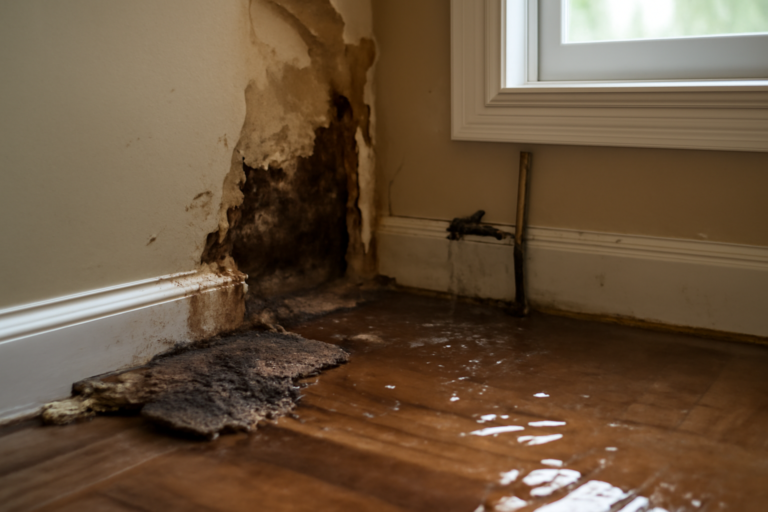
Mold can appear in various colors, including green, black, white, or gray, and can look fuzzy, slimy, or powdery. Check along baseboards, in corners, on pipes, or behind stored items. Any visible growth means you need immediate professional mold cleaning.
Water Stains or Discoloration
Look for dark or discolored spots on walls, ceilings, or floors. These often appear where water has leaked or seeped in, creating the ideal conditions for mold to thrive. These stains are a clear sign of past water intrusion and potential mold.
Peeling or Bubbling Paint/Wallpaper
Moisture trapped behind paint or wallpaper can cause it to peel, bubble, or blister. If you notice this in your basement, especially in areas prone to dampness, it could be a sign of mold growing underneath. This indicates a hidden moisture problem.
Increased Humidity Levels
Basements are naturally prone to higher humidity. If you notice condensation on pipes, windows, or walls, or if the air feels unusually damp and heavy, it’s a sign that moisture levels are too high. This elevated humidity is a direct invitation for mold development.
Health Symptoms
Some people experience allergy-like symptoms such as sneezing, coughing, itchy eyes, or a sore throat when exposed to mold. If these symptoms seem to worsen when you’re in the basement and improve when you leave, it’s a significant health warning. Your family’s respiratory health is important.
Basement Mold Removal vs. DIY: When To Call a Professional
| Situation | DIY? | Call a Pro? | Why |
|---|---|---|---|
| Small, isolated patch (less than 1 sq ft) on a non-porous surface like tile. | Yes, with proper precautions. | No, usually. | Easier to manage and less risk of spore spread. |
| Mold covering a large area (more than 10 sq ft) or spreading on porous materials like drywall or insulation. | No. | Yes. | Requires specialized containment and removal techniques to prevent spreading. |
| Mold accompanied by a strong musty odor throughout the basement. | No. | Yes. | Indicates widespread hidden mold that needs professional assessment. |
| You or family members have mold-related allergies or respiratory issues. | No. | Yes. | Exposure can exacerbate health problems; professional cleaning ensures a safe environment. |
| The mold is a result of a recent flood or significant water intrusion. | No. | Yes. | Requires immediate water extraction, drying, and mold remediation to prevent long-term damage. |
| You’re unsure about the type of mold or the extent of the contamination. | No. | Yes. | Professional inspection and testing are needed for accurate identification and treatment. |
While small, surface-level mold spots might seem manageable with DIY methods, it’s often best to err on the side of caution. For anything more significant, or if you have health concerns, calling a professional is the safest and most effective route. Our team has the tools and expertise for thorough mold remediation.
Basement Mold Removal Cost In Dallas, GA
The cost of basement mold removal in Dallas, GA, can vary significantly depending on the size of the affected area, the type of mold, the complexity of the removal process, and the underlying cause of the moisture. These figures are general estimates to help you understand potential costs. An on-site assessment is always needed for an accurate quote.
| Service | Typical Price Range | What Affects Cost |
|---|---|---|
| Mold Inspection and Assessment | $300 – $800 | Complexity of the inspection, need for testing. |
| Containment Setup | $500 – $1,500 | Size of the area to be contained, required barriers. |
| Surface Mold Cleaning (small areas) | $600 – $2,000 | Amount of material to clean, type of cleaning agents used. |
| Porous Material Removal (drywall, insulation) | $1,500 – $5,000+ | Volume of contaminated materials removed, disposal fees. |
| Drying and Dehumidification | $700 – $2,500 | Size of the space, duration of drying needed. |
| Air Quality Testing (Post-Remediation) | $300 – $700 | Number of samples taken, laboratory analysis fees. |
Understanding these costs can help you plan, but remember that the most important factor is getting the mold removed safely and effectively. We offer free estimates to provide you with a clear picture of the investment required for your specific situation.
Service Areas Near Dallas, GA
Dallas, Hiram, Powder Springs, Acworth, Marietta, Kennesaw, Cartersville, Woodstock, Canton, Roswell, Sandy Springs, Atlanta, Smyrna, Vinings, Douglasville, Austell, Lithia Springs, Mableton, Dunwoody, Norcross.
Common Questions About Basement Mold Removal
How long does basement mold removal usually take?
The timeline for basement mold removal depends heavily on the severity and extent of the mold growth. A small job might take only a day or two, while a more extensive infestation could require several days of work. We always aim to complete the process as efficiently as possible while ensuring thoroughness.
Is basement mold dangerous to my health?
Yes, basement mold can pose health risks. Exposure can trigger allergic reactions, asthma attacks, and other respiratory problems, especially for individuals with pre-existing conditions. Our goal is to restore a healthy environment by removing all mold and its spores from your basement.
What is the difference between mold and mildew?
Mildew is a type of mold, typically appearing as a white or grayish powdery substance on surfaces. Mold can be more varied in color and texture, and it often grows deeper into materials. Both are fungal growths that require moisture to thrive, and our team can handle all types of fungal growth.
Will my homeowner’s insurance cover basement mold removal?
Coverage varies by policy. Typically, insurance covers mold damage if it’s a direct result of a covered peril, like a burst pipe or storm damage. Mold caused by gradual leaks or poor maintenance is often excluded. We can help you document the damage for your insurance provider.
How can I prevent mold from returning to my basement after removal?
Prevention is key. After we remove the mold, it’s crucial to control moisture by fixing any leaks, ensuring proper ventilation, using dehumidifiers, and keeping the area clean. Addressing the source of moisture is the most important step in long-term mold prevention.
Check Our Other Relevant Services
Serving Dallas, GA And Nearby Areas