Trusted by 165+ Homeowners
Basement Water Damage Restoration in Dallas, GA
- Over 165 5-Star Reviews
- Free Estimates and Quotes
- 100% Satisfaction Guaranteed
- Child, Family & Pet Safe Steps
- 24-Hour Emergency Service
- Fully Licensed & Insured

When Water Invades Your Dallas, GA Basement
You walk down the stairs, and it hits you – that damp, earthy smell. Then you see it: water pooling on the floor, creeping up the walls, maybe even soaking into your stored belongings. It’s a sinking feeling, knowing your basement, a space you thought was safe, is now compromised by unwanted water. This isn’t just an inconvenience; it’s a situation that needs immediate attention to prevent further structural damage and potential health hazards.
We’ve helped over 165 local families recover from basement water issues, earning their trust through prompt, effective service. Homeowners around Dallas, GA choose us because they know we understand the unique challenges of dealing with basement flooding and water intrusion problems. We focus on getting your basement dry and secure, fast.
- We tackle the root cause of basement leaks, not just the symptoms, ensuring long-term dryness and protection.
- Our team uses specialized drying equipment designed to extract every bit of moisture, preventing mold growth and structural decay.
- We provide detailed assessments and clear communication, so you always know exactly what’s happening with your basement restoration.
Our Technical Approach to Basement Water Damage Restoration
Dealing with basement water requires more than just mopping up. It’s a science, and our process is built on proven techniques and the right equipment. When water sits, it doesn’t just sit there; it infiltrates materials, creating hidden moisture pockets that can cause serious long-term problems. That’s why we employ a rigorous, systematic approach to ensure your basement is truly restored. Cutting corners here means you’ll likely face costly repairs down the line.
Initial Water Extraction
First, we remove standing water using powerful truck-mounted or portable extraction units. These machines are designed to pull out gallons of water quickly, significantly reducing the saturation of your basement’s materials. This step is crucial for stopping the immediate damage and preparing for the drying process. We aim to extract all visible water as fast as possible.
Moisture Assessment and Mapping
Once the bulk of the water is gone, we use advanced moisture meters and thermal imaging cameras. These tools help us identify exactly where moisture is hiding – within walls, under floors, and in structural components. This detailed mapping allows us to create a targeted drying plan, ensuring no damp spots are missed. Understanding the exact moisture content is key.
Controlled Drying and Dehumidification
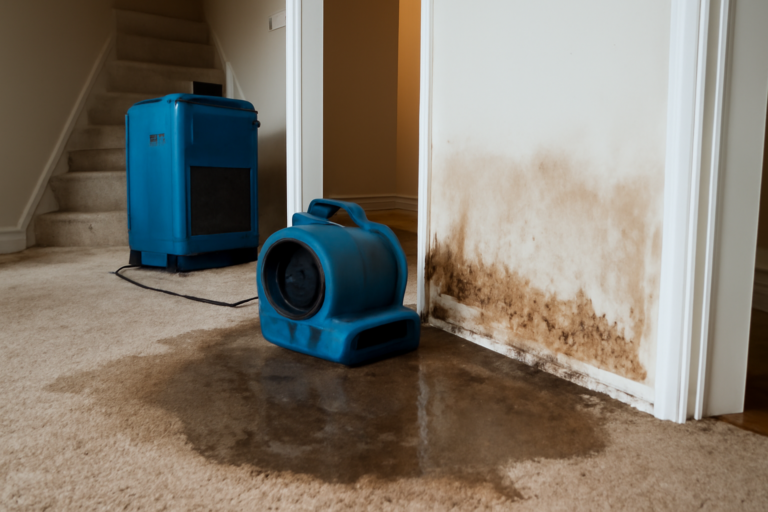
This is where the real science comes in. We strategically place industrial-grade air movers and dehumidifiers to create optimal drying conditions. These machines work together to accelerate evaporation and remove water vapor from the air, preventing secondary damage like mold. We monitor humidity and temperature levels closely, making adjustments for efficient drying. Our goal is complete structural drying.
Containment and Air Filtration
To prevent the spread of contaminants and ensure healthy air quality, we often set up containment barriers. We also use HEPA air scrubbers to filter out airborne particles, including mold spores, that may have been disturbed during the drying process. This step is vital for protecting your family’s health and maintaining a cleaner indoor environment. We focus on preventing cross-contamination.
Restoration and Rebuilding
After your basement is thoroughly dried and tested, we can begin the rebuilding phase. This might include replacing damaged drywall, flooring, insulation, or trim. Our team handles these repairs with the same attention to detail, aiming to return your basement to its pre-loss condition or better. We ensure materials are properly dried before rebuilding.
Don’t let basement water linger. Call us today to get our team on-site and start the restoration process immediately.

Warning Signs You Need Basement Water Damage Restoration
Catching basement water issues early can save you a significant amount of money and prevent much bigger problems down the road. Your basement might be telling you something’s wrong even before you see a flood. Paying attention to these subtle signs can mean the difference between a minor fix and a major overhaul. We want you to be aware of what to look for to protect your home’s integrity.
Musty Odors That Won’t Go Away
That persistent, damp, mildewy smell is often the first indicator of hidden moisture. If your basement smells like a wet towel left for days, even when it appears dry, it means mold or mildew is likely growing. This smell is a clear sign of water damage. Don’t ignore this persistent odor.
Visible Water Stains or Discoloration
Look for water marks, rings, or discoloration on walls, floors, or ceilings. These stains are physical evidence that water has been present, even if it has since dried up. They can indicate past leaks or ongoing seepage that needs immediate attention. These marks are visual proof of water intrusion.
Peeling or Bubbling Paint and Wallpaper
Moisture trapped behind paint or wallpaper will cause it to lose its adhesion. You’ll start to see peeling, blistering, or bubbling. This is a sign that water is getting into your wall materials and needs to be addressed before the damage spreads further. This indicates moisture behind surfaces. Watch for deteriorating finishes.
Cracks in Basement Walls or Floor
While some minor cracks can be normal, new or expanding cracks, especially those that look damp or have efflorescence (a white, powdery residue), can indicate water pressure or structural issues caused by water. These can be entry points for future water. Address structural integrity concerns promptly.
Warped or Damaged Flooring
If you have carpet, tile, or wood flooring in your basement, look for signs of warping, buckling, or lifting. This is often caused by moisture trapped underneath. Damaged flooring can also hide serious mold growth. Protect your basement finishes.
Condensation on Pipes or Walls
While some condensation can be normal in humid environments, excessive or constant condensation on your pipes, foundation walls, or other surfaces could signal a bigger moisture problem or a leak. This constant dampness can lead to mold and material breakdown. Manage excessive humidity levels.
Basement Water Damage Restoration vs. DIY: When To Call a Professional
| Situation | DIY? | Call a Pro? | Why |
|---|---|---|---|
| Small spill on concrete floor | Yes, with towels and fans | No | Easy to clean up and dry without special equipment. |
| Mildew odor, but no visible water | Maybe, if you’re sure it’s minor | Yes | Hidden moisture is the real problem; professional assessment is needed. |
| Water seeping through foundation cracks | No | Yes | Requires specialized sealing and drying techniques to prevent recurrence. |
| Standing water several inches deep | No | Yes | Needs powerful extraction equipment and professional drying protocols. |
| Water has soaked into drywall or insulation | No | Yes | These materials absorb water and require careful drying to prevent mold. |
| Suspected sewage backup (black water) | Absolutely not | Yes | Health hazard; requires specialized containment and sanitation procedures. |
| Basement water damage after a storm or plumbing leak | Yes, for minor, clean water issues | Yes | Complex issues require expertise, proper equipment, and potentially mold prevention. |
For anything beyond a minor, clean water spill, calling a professional for basement water damage restoration is almost always the best choice. We have the tools and knowledge to handle complex water intrusion and ensure your basement is restored safely and effectively, preventing future costly repairs.
Basement Water Damage Restoration Cost in Dallas, GA
The cost of basement water damage restoration in Dallas, GA can vary significantly. Factors like the amount of water present, the size of the affected area, and the type of materials damaged all play a role. These figures are estimates, and a proper on-site assessment is necessary for an accurate quote. We aim for transparent pricing for all our clients.
| Service | Typical Price Range | What Affects Cost |
|---|---|---|
| Water Extraction | $500 – $2,500 | Volume of water and accessibility of the basement. |
| Drying and Dehumidification | $1,000 – $4,000 | Size of the basement, extent of saturation, and drying time needed. |
| Mold Remediation (if necessary) | $1,000 – $6,000+ | Severity of mold growth and area affected; requires specialized containment. |
| Structural Drying Assessment | $200 – $500 | Use of advanced moisture meters and thermal imaging to map hidden water. |
| Containment and Air Filtration | $300 – $1,500 | Size of the containment area and duration of air scrubbing. |
| Minor Repairs (e.g., drywall patching) | $500 – $2,000 | Extent of material replacement needed after drying. |
The best way to get a clear understanding of your specific costs is to schedule a free estimate. Our team will assess the damage and provide you with a detailed breakdown of the restoration plan and associated costs. We’re here to help you navigate your basement water problem.
Service Areas Near Dallas, GA
We proudly serve homeowners in Dallas, GA and the surrounding communities, including Acworth, Austell, Powder Springs, Hiram, Marietta, Kennesaw, Smyrna, Mableton, Vinings, Lithia Springs, Douglasville, Woodstock, Canton, Ball Ground, Cartersville, Dallas, Temple, Villa Rica, Bremen, and Cedartown.
Common Questions About Basement Water Damage Restoration
What should I do immediately after discovering water in my basement?
First, if the water is from a sewage backup or an electrical hazard, evacuate the area immediately for your safety. If it’s clean water, try to shut off the water source if possible. Then, call us right away. We can guide you on immediate steps and dispatch our team to begin the extraction and drying process. Don’t try to handle significant water yourself; it can lead to further damage and safety risks.
How long does basement water damage restoration typically take?
The timeline can vary greatly depending on the severity of the water damage. Simple drying might take 2-3 days, but if water has saturated structural materials like drywall or subflooring, it could take a week or more. We use advanced drying equipment to speed up the process, but thorough drying is essential to prevent mold. We’ll provide an estimated timeline after our initial assessment, focusing on efficient, complete drying.
Is basement water damage a health risk?
Yes, absolutely. Standing water can quickly lead to mold and mildew growth, which can cause respiratory problems, allergic reactions, and other health issues. Contaminated water, like sewage backups, poses even more serious health risks. Our team follows strict protocols to ensure safe removal of contaminants and proper drying to prevent long-term health hazards.
What kind of equipment do you use for basement water damage restoration?
We utilize professional-grade equipment, including powerful truck-mounted or portable water extractors, industrial dehumidifiers, high-velocity air movers, and moisture meters. We also use thermal imaging cameras to detect hidden moisture. This specialized equipment is far more effective than anything available for home use and is crucial for thorough water removal and efficient structural drying.
Can I prevent basement water damage in the future?
While not all basement water issues are preventable, maintaining your home’s exterior and interior can significantly reduce risk. Ensure your gutters are clean and downspouts direct water away from your foundation, seal any foundation cracks, and consider a sump pump if you’re in a flood-prone area. Regular checks can help you spot potential water entry points early and address them before they become major problems.
Check Our Other Relevant Services

Jerry Johns is a licensed Damage Restoration Expert with over 20 years of hands-on experience helping homeowners and businesses navigate property crises. As a trusted authority in the field, Jerry combines technical precision with a compassionate approach to disaster recovery.
𝗖𝗲𝗿𝘁𝗶𝗳𝗶𝗰𝗮𝘁𝗶𝗼𝗻𝘀: Jerry holds multiple elite IICRC certifications, including Water Damage Restoration (WRT), Applied Microbial Remediation (Mold), Applied Structural Drying (ASD), Odor Control, and Fire and Smoke Restoration.
𝗙𝗮𝘃𝗼𝗿𝗶𝘁𝗲 𝗣𝗮𝘀𝘁𝗶𝗺𝗲: When he isn’t on a job site, Jerry is an avid outdoorsman who enjoys fly fishing and restoring vintage woodworking tools.
𝗕𝗲𝘀𝘁 𝗣𝗮𝗿𝘁 𝗼𝗳 𝘁𝗵𝗲 𝗝𝗼𝗯: Jerry finds the most fulfillment in seeing the relief on a client’s face when their property is finally restored to its pre-loss condition, turning a stressful disaster into a fresh start.