Trusted by 165+ Homeowners
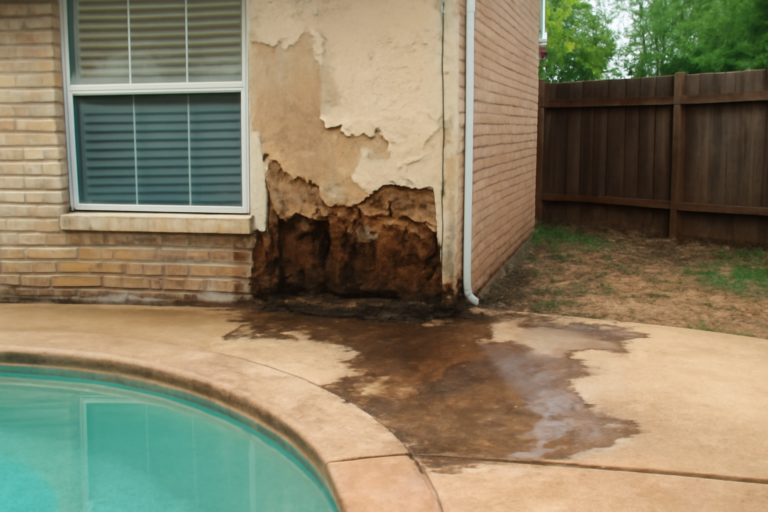
Behind Wall Water Damage Restoration in Dallas, GA
- Over 165 5-Star Reviews
- Free Estimates and Quotes
- 100% Satisfaction Guaranteed
- Child, Family & Pet Safe Steps
- 24-Hour Emergency Service
- Fully Licensed & Insured
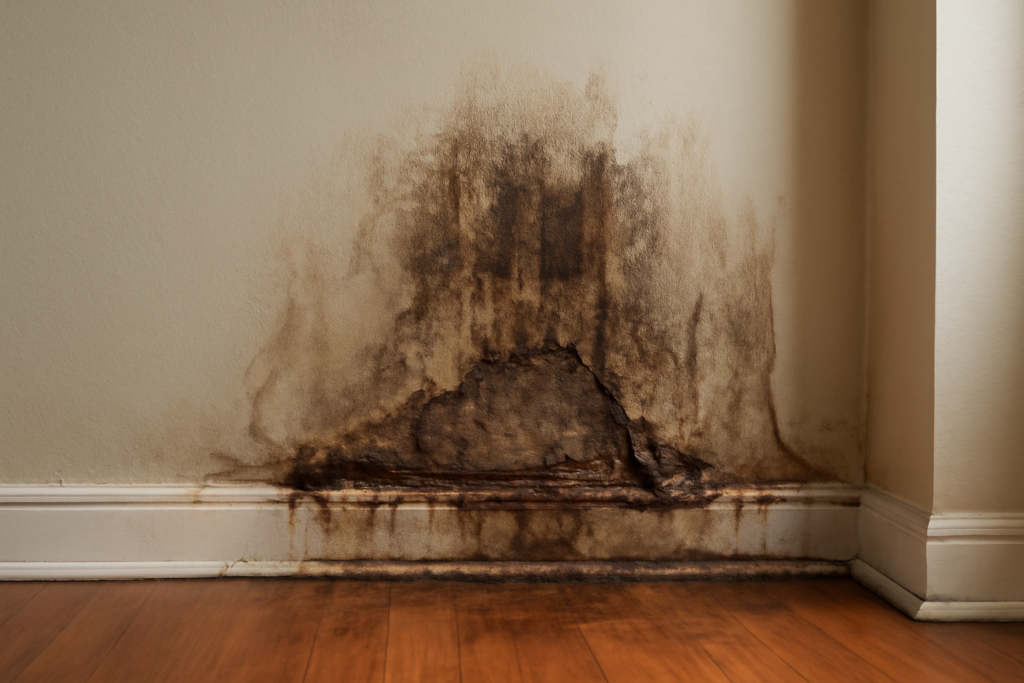
When Water Hides: Expert Behind Wall Water Damage Restoration in Dallas, GA
We’ve seen it all when it comes to water damage in the houses around Dallas, GA. From burst pipes behind drywall to leaky appliance hoses tucked away in walls, hidden water can cause serious trouble. It’s often the silent damage that homeowners don’t see until it’s already spread, creating structural concerns and unseen mold growth. Our team has spent years honing our skills to find and fix these hidden problems, protecting your home from the inside out. We understand the unique challenges properties in this area face, and we’re equipped to handle them.
It’s no wonder over 165 local homeowners have given us their highest ratings. They trust us to tackle the tricky stuff, especially behind-the-wall water issues. When you’re dealing with that unsettling feeling that water is where it shouldn’t be, you want a team that knows exactly what to look for and how to fix it without unnecessary disruption. We’re known for our thorough assessments and our commitment to getting it right the first time, making us the go-to choice for behind-wall water damage.
- We use specialized moisture meters and infrared cameras to pinpoint the exact source and spread of water behind your walls, ensuring no area is missed.
- Our drying process involves advanced equipment like commercial dehumidifiers and air movers, which are crucial for reaching and drying out saturated wall cavities and framing.
- We meticulously address potential mold growth, a common byproduct of hidden water damage, by implementing effective containment and remediation strategies.
How We Tackle Water Hidden Behind Your Walls
Dealing with water damage that’s out of sight can be incredibly stressful. You might not see the full extent of the problem, but you can feel the effects. That’s why our process for behind-wall water damage restoration is designed to be as transparent and efficient as possible. We know that what happens inside your walls is just as important as what you see, and cutting corners here can lead to long-term structural issues and health hazards. We’re committed to a methodical approach, ensuring your home is truly dry and safe again.
1. Emergency Water Extraction and Assessment
Once we confirm water is trapped behind walls, our first step is to stop the source and remove any standing water. We use specialized extraction tools to get as much moisture out as possible. This initial assessment helps us understand the scope of the damage and plan our next steps.
2. Advanced Moisture Detection and Mapping
This is where we shine. We deploy IICRC-certified technicians equipped with cutting-edge tools like infrared cameras and penetrating moisture meters. These devices allow us to see through drywall and identify precisely where the water has traveled, creating a detailed damage map. This prevents us from guessing and ensures we address all affected areas.
3. Controlled Wall Cavity Drying
Simply opening up walls isn’t always the best solution. We often use a technique called controlled cavity drying. This involves creating small, strategic access points to insert drying equipment like specialized air scrubbers and dehumidifiers directly into the wall cavities. It’s a precise drying method that minimizes demolition and speeds up the process.
4. Structural Drying and Dehumidification
Once the immediate area behind the wall is addressed, we focus on the larger environment. We set up industrial-grade dehumidifiers and air movers throughout your property to remove ambient moisture. This step is critical to prevent secondary damage like mold and warping, ensuring a thorough drying environment.
5. Mold Prevention and Remediation
Water hidden in walls is a prime breeding ground for mold. Our team is trained to identify early signs of mold and to take preventative measures. If mold has already begun to grow, we’ll implement safe and effective remediation protocols to remove it, protecting your family’s health and ensuring a clean indoor environment.
Don’t let hidden water cause hidden problems for too long. Reach out to us immediately if you suspect water damage behind your walls. We’ll provide a clear assessment and a plan to get your home back to normal.
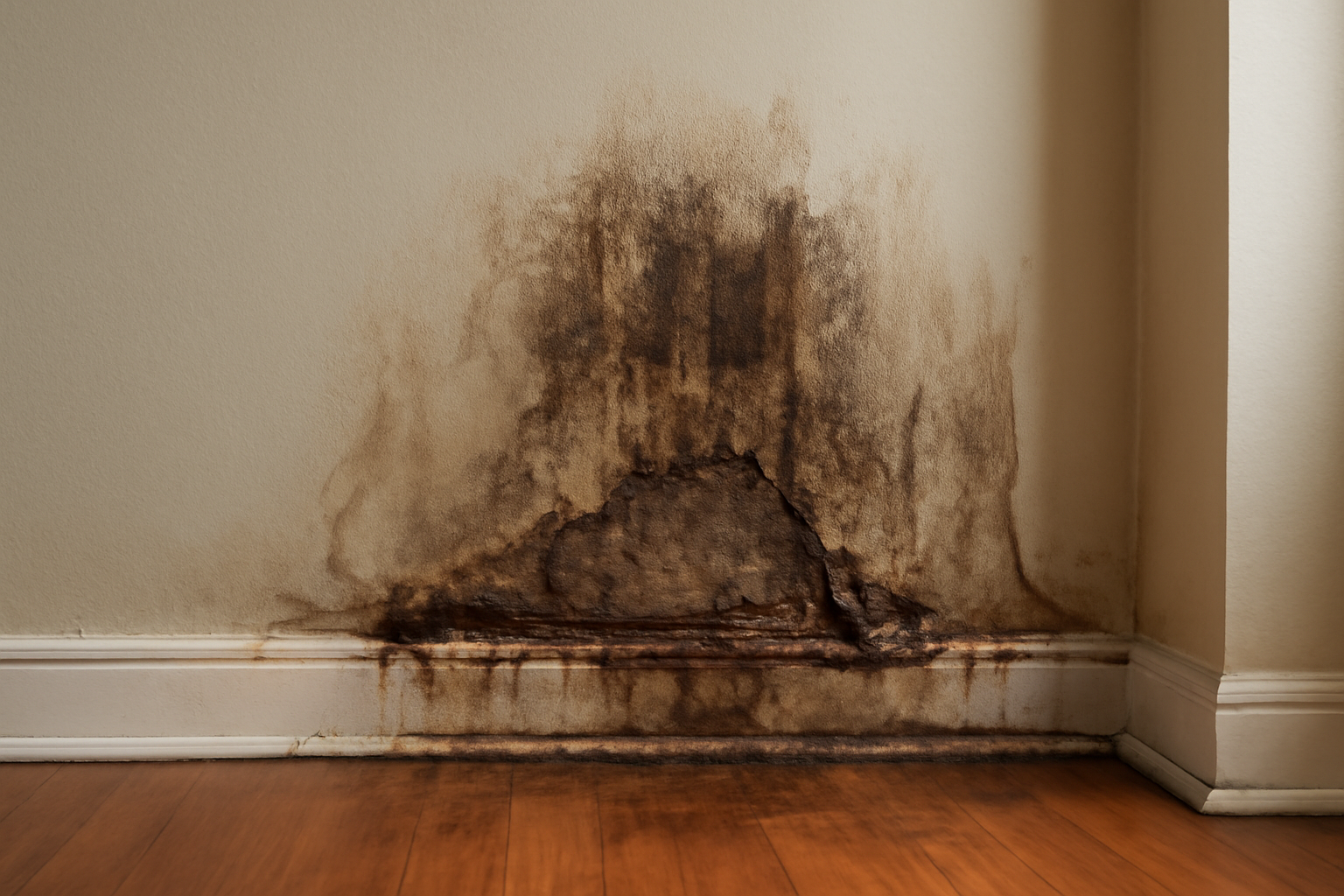
Warning Signs You Need Behind Wall Water Damage Restoration
Catching behind-wall water damage early can save you a lot of money and headaches down the line. Ignoring these subtle signs can lead to much bigger issues, including serious structural compromise and health risks. We want you to be aware of what to look for so you can call for help before minor leaks become major disasters, protecting your home’s integrity.
Musty Odors That Won’t Go Away
If you notice a persistent damp, mildewy smell, especially near walls or in specific rooms, it’s a strong indicator of trapped moisture. This odor is often caused by mold growing in areas you can’t see. It’s a clear warning signal that needs immediate attention.
Discolored or Peeling Paint/Wallpaper
Water behind your walls will eventually seep through and affect the surface finishes. You might see bubbling, peeling, or staining on your paint or wallpaper. This is a visual cue that moisture is saturating the drywall and causing surface damage.
Warped or Softened Drywall
When drywall gets repeatedly wet, it loses its rigidity. You might notice sections of your wall feeling soft to the touch or appearing to bulge or warp. This indicates the drywall material itself is compromising due to water.
Visible Mold or Mildew Growth
Sometimes, mold can start to appear on the surface of walls, especially in bathrooms or kitchens where humidity is higher. If you spot any greenish, black, or white fuzzy spots, it’s a sign that mold is actively growing, likely fueled by hidden moisture sources.
Increased Humidity Levels
If your home feels unusually humid, even with air conditioning running, it could be a sign of a hidden leak. Unseen water evaporating inside your walls contributes significantly to overall humidity. This can create a damp atmosphere throughout your home.
Strange Sounds from Within Walls
Occasionally, water leaks behind walls can cause dripping or trickling sounds, especially when plumbing is involved. If you hear these noises, it’s a direct indication of water actively moving where it shouldn’t be, and it’s a critical alert.
Behind Wall Water Damage Restoration vs. DIY: When To Call a Professional
| Situation | DIY? | Call a Pro? | Why |
|---|---|---|---|
| Small, visible leak from a pipe joint behind an easily accessible panel. | Yes, if you have basic plumbing skills and tools. | You can likely stop the leak and dry the immediate area yourself. | |
| Suspected leak with no visible source, causing musty odors. | Yes | Requires specialized tools to locate and professional drying equipment to prevent mold. | |
| Water stains and bubbling paint on a large section of wall. | Yes | The drywall is likely saturated, and hidden moisture needs professional extraction and drying. | |
| Burst pipe behind a load-bearing wall. | Yes | Structural integrity is a major concern, requiring expert assessment and repair. | |
| Minor condensation on pipes in an unfinished basement. | Yes | Usually manageable with improved ventilation and insulation. | |
| Widespread water damage affecting multiple rooms or floors. | Yes | Complex drying and potential structural issues demand professional intervention. |
For any situation involving water hidden behind walls, especially if you can’t immediately identify the source or if the damage appears extensive, calling a professional is almost always the right choice. Our team has the specialized equipment and expertise to handle these complex drying challenges effectively.
Behind Wall Water Damage Restoration Cost In Dallas, GA
The cost for behind-wall water damage restoration in Dallas, GA, can vary significantly. Factors like the size of the affected area, the extent of water saturation, and the complexity of accessing the damaged areas all play a role. These estimates are meant to give you a general idea of what to expect for services in the area.
| Service | Typical Price Range | What Affects Cost |
|---|---|---|
| Emergency Water Extraction (behind walls) | $500 – $2,000 | Volume of water, accessibility, and time of day for emergency call. |
| Moisture Detection & Assessment | $300 – $800 | Complexity of the building structure and number of areas requiring detailed inspection. |
| Controlled Cavity Drying System Setup | $700 – $3,000 | Number of wall cavities needing treatment and duration of the drying process. |
| Structural Drying & Dehumidification | $1,000 – $4,000 | Square footage of the affected space and required drying time (days). |
| Mold Inspection & Prevention | $400 – $1,200 | Size of the area inspected and whether preventative treatments are applied. |
| Minor Drywall Repair & Restoration | $200 – $1,000 per panel | Number of panels needing replacement, patching, and finishing. |
These figures represent common scenarios, but your specific situation will determine the final cost. We offer free, no-obligation estimates after an initial assessment to provide you with a precise, transparent quote.
Service Areas Near Dallas, GA
Acworth, Austell, Ball Ground, Cartersville, Cedartown, Clarkdale, Dallas, Douglasville, Hiram, Kennesaw, Lithia Springs, Marietta, Powder Springs, Rockmart, Rome, Roswell, Smyrna, Stockbridge, Temple, Villa Rica
Common Questions About Behind Wall Water Damage Restoration
What if I can’t see any water, but I smell a musty odor?
A persistent musty odor is often the first sign of hidden water damage. Mold thrives in dark, damp environments, and the smell indicates it’s likely growing behind your walls or under floors. We use specialized moisture meters and infrared cameras to detect the source and extent of the moisture, even when it’s invisible to the naked eye.
How quickly do I need to address water behind my walls?
You need to act as fast as possible. Within 24-48 hours, mold can begin to grow, and structural materials like wood framing can start to weaken. The longer you wait, the more extensive the damage and the higher the cost to repair. We offer emergency response services to begin the drying and restoration process right away.
Will insurance cover behind-wall water damage restoration?
Most homeowner’s insurance policies cover water damage, but the specifics depend on the cause. Generally, sudden and accidental events like burst pipes are covered, while slow leaks or lack of maintenance might not be. We can help you document the damage and work with your insurance adjuster to ensure a smooth claims process.
How do you dry out walls without tearing them all down?
We employ advanced drying techniques that minimize demolition. This often involves drilling small holes to insert specialized drying equipment directly into wall cavities to extract moisture and promote airflow. Our goal is to dry your walls effectively using less invasive methods whenever possible, saving you time and money on repairs.
How can I prevent water damage behind my walls in the future?
Regularly inspect plumbing, appliances, and pipes for any signs of leaks. Ensure your roof and gutters are in good condition to prevent water intrusion. Consider having our team perform periodic inspections, especially in older homes, to catch potential issues early and maintain a dry, healthy home.
Check Our Other Relevant Services

Jerry Johns is a licensed Damage Restoration Expert with over 20 years of hands-on experience helping homeowners and businesses navigate property crises. As a trusted authority in the field, Jerry combines technical precision with a compassionate approach to disaster recovery.
𝗖𝗲𝗿𝘁𝗶𝗳𝗶𝗰𝗮𝘁𝗶𝗼𝗻𝘀: Jerry holds multiple elite IICRC certifications, including Water Damage Restoration (WRT), Applied Microbial Remediation (Mold), Applied Structural Drying (ASD), Odor Control, and Fire and Smoke Restoration.
𝗙𝗮𝘃𝗼𝗿𝗶𝘁𝗲 𝗣𝗮𝘀𝘁𝗶𝗺𝗲: When he isn’t on a job site, Jerry is an avid outdoorsman who enjoys fly fishing and restoring vintage woodworking tools.
𝗕𝗲𝘀𝘁 𝗣𝗮𝗿𝘁 𝗼𝗳 𝘁𝗵𝗲 𝗝𝗼𝗯: Jerry finds the most fulfillment in seeing the relief on a client’s face when their property is finally restored to its pre-loss condition, turning a stressful disaster into a fresh start.