
Trusted by 165+ Homeowners
Behind Wall Water Damage Restoration in Vinings, GA
- Over 165 5-Star Reviews
- Free Estimates and Quotes
- 100% Satisfaction Guaranteed
- Child, Family & Pet Safe Steps
- 24-Hour Emergency Service
- Fully Licensed & Insured
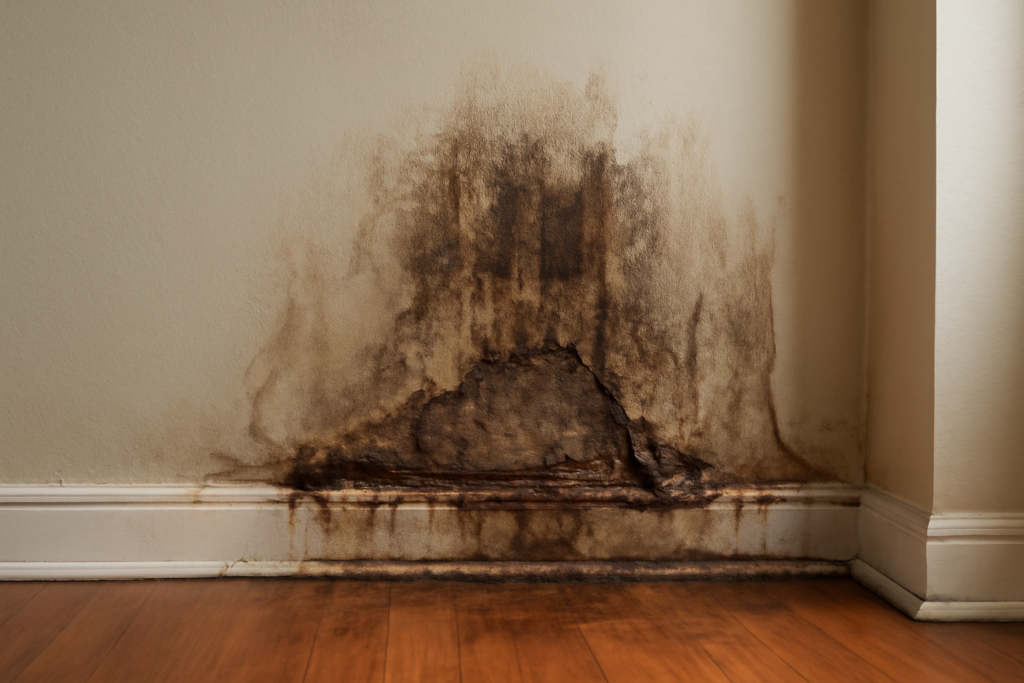
Don’t Let Hidden Water Ruin Your Home in Vinings, GA
If you’ve noticed strange smells, peeling wallpaper, or discoloration on your walls, it’s crucial to understand what might be happening behind the surface. Water damage that isn’t immediately visible, often occurring within your walls or ceilings, can silently spread, leading to serious structural issues and unhealthy living conditions. Ignoring these early signs can turn a minor problem into a major headache, significantly increasing the cost and complexity of repairs for your Vinings, GA home. It’s important to act fast once you suspect hidden moisture.
Homeowners around here trust our team because we understand the urgency and precision needed for these specific situations. With over 165 five-star reviews from satisfied neighbors, you can be sure we’re committed to getting your property back to normal, quickly and effectively. We’ve seen it all, from minor leaks to significant pipe bursts, and we know how to tackle each one with the right approach. Your satisfaction is our top priority.
- We use specialized equipment to pinpoint the exact source and extent of hidden water damage, preventing guesswork and ensuring thorough drying.
- Our rapid response minimizes the spread of moisture, which is critical for preventing mold growth and further structural compromise within your walls.
- We focus on restoring your home’s integrity and health by addressing the root cause of the leak and ensuring all affected areas are completely dry and safe.
How We Tackle Behind Wall Water Damage
When water gets trapped behind your walls, it needs more than just a quick wipe-down; it requires a systematic and rapid approach. Our process is designed to address the hidden nature of this damage head-on, focusing on speed and thoroughness to prevent long-term problems. Delaying professional intervention can allow moisture to fester, creating a breeding ground for mold and weakening your home’s structure. We’re here to make sure that doesn’t happen to you.
1. Emergency Water Extraction
Our first priority is to remove any standing water that may have accumulated behind the walls. We use powerful submersible pumps and truck-mounted extraction units to pull out as much moisture as possible. This crucial step is usually completed within the first few hours of our arrival to stop the damage from spreading further.
2. Advanced Moisture Detection
Identifying the full extent of hidden moisture is key. Our technicians use state-of-the-art moisture meters, infrared cameras, and even thermal imaging to detect water saturation behind drywall, in insulation, and within framing. This allows us to map out the affected areas accurately, often within a few hours of assessment.
3. Controlled Demolition and Access
To effectively dry the hidden spaces, we sometimes need to create small, strategic openings in the drywall or plaster. This allows our drying equipment to access the affected cavities. We aim to make these openings as minimally invasive as possible, typically completing this phase within the first day.
4. Targeted Drying and Dehumidification
Once access is established, we deploy specialized drying equipment. High-velocity air movers are placed to circulate air within wall cavities, while powerful industrial dehumidifiers pull moisture from the air. This phase can take anywhere from 24 hours to several days, depending on the severity and the materials involved.
5. Mold Prevention and Air Quality Control
As we dry, we also implement preventative measures against mold growth. This includes applying EPA-registered antimicrobial treatments to affected surfaces. We also use air scrubbers with HEPA filters to capture airborne mold spores and improve indoor air quality throughout your home. This is an ongoing process during the drying phase.
Don’t wait for visible signs to worsen. If you suspect water is lurking within your walls, calling us immediately is the smartest move you can make. We’re ready to respond 24/7 to protect your home.
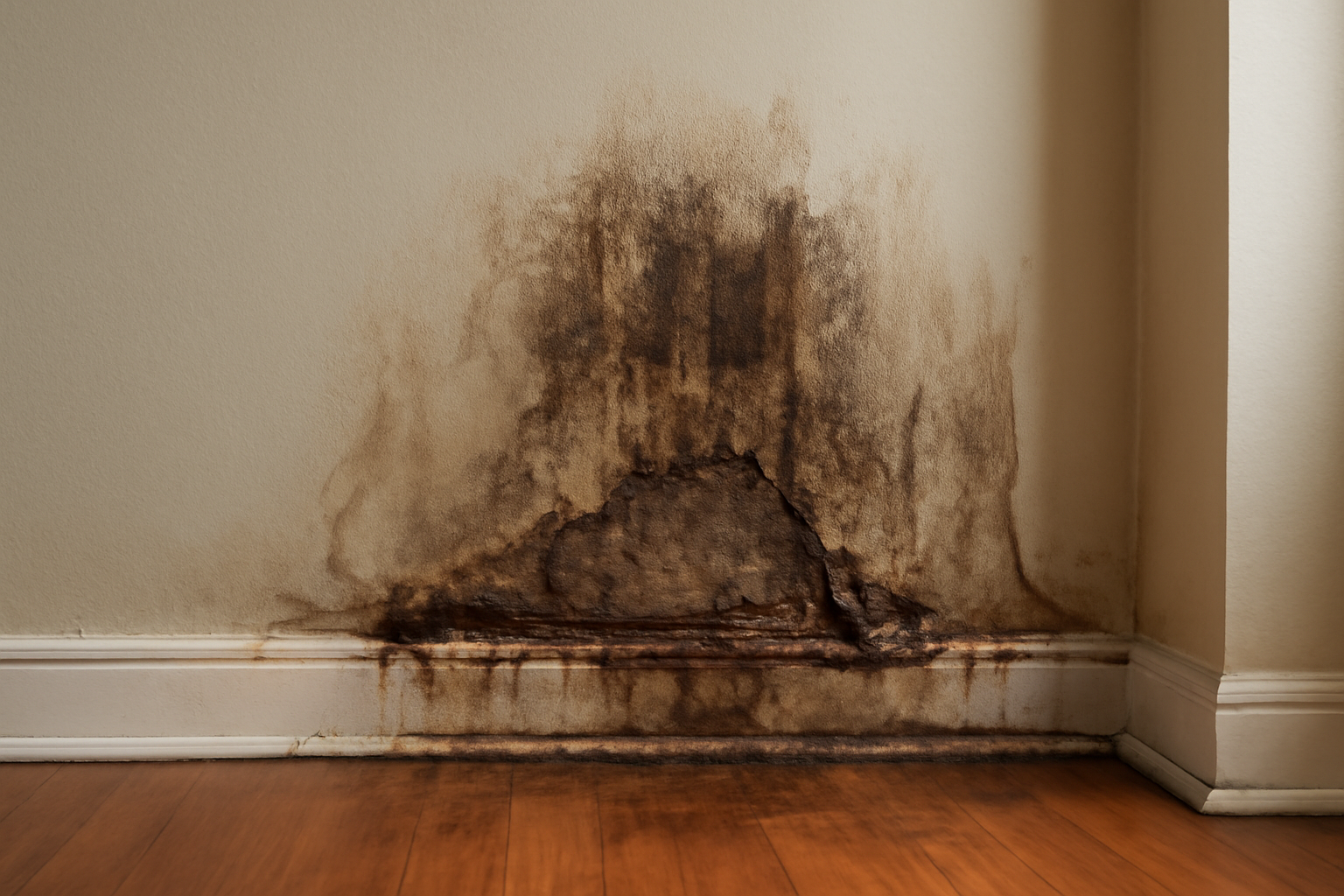
Warning Signs You Need Behind Wall Water Damage Restoration
Catching behind-wall water damage early is essential for minimizing repairs and protecting your home’s health. These subtle signs can be your first indication that something is wrong, and addressing them promptly can save you a lot of trouble down the road. Pay close attention to these indicators.
Musty Odors That Won’t Go Away
A persistent damp, mildewy smell, especially in rooms without obvious leaks, is a strong indicator of trapped moisture. This odor often originates from water that has been sitting behind walls or under floors for a while, promoting mold and mildew growth.
Peeling or Bubbling Wallpaper
If your wallpaper is starting to lift, bubble, or peel away from the wall, especially in vertical strips or around outlets, it’s likely due to moisture seeping through from behind. This effect is caused by the adhesive failing as it gets wet.
Discolored or Stained Walls
Dark spots or water stains appearing on your interior walls, particularly near ceilings or along baseboards, signal that water is saturating the drywall. These stains are often accompanied by a weakening of the wall material itself.
Warm Spots on Walls or Floors
A sudden warm area on a wall or floor can indicate a hot water pipe leak within that section. This constant heat accelerates damage and can lead to significant structural issues if not addressed quickly.
Sound of Dripping or Running Water
Hearing faint dripping or even running water sounds when no fixtures are in use is a clear sign of an internal leak. This sound often travels, making it difficult to pinpoint the exact location without professional tools.
Mold or Mildew Growth
While you might not see mold directly inside the wall, you might notice it appearing on the surface of the drywall or along baseboards. This is a visual confirmation that moisture levels are high enough to support its growth.
Behind Wall Water Damage Restoration vs. DIY: When To Call a Professional
| Situation | DIY? | Call a Pro? | Why |
|---|---|---|---|
| Suspected small pipe leak with minimal visible damage | Possibly | Yes | Hidden moisture can spread quickly and requires specialized drying equipment. |
| Musty odor with no visible source | No | Yes | Professional moisture meters are needed to locate and confirm hidden water. |
| Wallpaper peeling in one small section | Maybe | Yes | The underlying cause needs to be identified and the wall dried thoroughly to prevent mold. |
| Water stain on ceiling after heavy rain | No | Yes | This indicates a roof or exterior issue that needs professional assessment and repair. |
| Warm spot on wall near electrical outlet | Absolutely Not | Yes | This is a serious safety hazard involving potential electrical damage and immediate professional attention is required. |
| Concern about mold growth due to past water intrusion | No | Yes | Mold remediation requires specific safety protocols and equipment to ensure it’s removed effectively. |
For any situation involving water hidden behind walls, calling a professional is almost always the most effective and safest route. While minor spills might be manageable, the unseen nature of this damage requires specialized tools and expertise to ensure complete drying and prevent future problems.
Behind Wall Water Damage Restoration Cost In Vinings, GA
The cost of addressing behind-wall water damage in Vinings, GA, can vary significantly. Factors like the size of the affected area, the source of the water (e.g., plumbing leak vs. roof leak), the extent of saturation, and the type of building materials involved all play a role in the final price. These figures are estimates to give you a general idea.
| Service | Typical Price Range | What Affects Cost |
|---|---|---|
| Water Detection & Assessment | $300 – $800 | Complexity of the hidden damage and the technology required for assessment. |
| Water Extraction from Wall Cavities | $500 – $2,500 | Volume of water to be removed and the accessibility of the affected areas. |
| Controlled Drywall Removal & Access | $400 – $1,500 | Amount of material needing removal and complexity of the wall structure. |
| Structural Drying (Air Movers & Dehumidifiers) | $1,000 – $5,000+ | Duration of drying needed, number of units required, and size of the affected space. |
| Mold Prevention Treatment | $200 – $700 | Size of the area treated and the type of antimicrobial solution used. |
| Air Quality Control (Air Scrubbers) | $300 – $900 | Number of units needed and the length of time they must run. |
An on-site inspection is crucial for an accurate estimate, as every situation is unique. We offer free, no-obligation estimates for behind-wall water damage assessments and restoration projects.
Service Areas Near Vinings, GA
Atlanta, Smyrna, Marietta, Kennesaw, Acworth, Austell, Powder Springs, Douglasville, Lithia Springs, Mableton, Sandy Springs, Dunwoody, Brookhaven, Chamblee, Doraville, Norcross, Duluth, Suwanee, Johns Creek, Alpharetta.
Common Questions About Behind Wall Water Damage Restoration
What’s the fastest way to dry out walls after a leak?
The fastest way involves immediate water extraction, followed by creating access points for high-velocity air movers and industrial dehumidifiers. We use advanced moisture meters to ensure we’re targeting the wettest areas. Our crews are trained to set up drying containment quickly, significantly speeding up the process.
How much does it cost to fix water damage behind a wall?
The cost can range from a few hundred dollars for a very small, easily accessible leak to several thousand dollars for extensive damage requiring significant drying and repair. Factors like the source of the leak, the size of the affected area, and the materials damaged all influence the price. We provide detailed estimates after an initial assessment.
Will my homeowner’s insurance cover behind-wall water damage?
Typically, homeowner’s insurance covers water damage caused by sudden and accidental events, like a burst pipe. Damage from slow leaks or lack of maintenance might not be covered. It’s best to check your specific policy and contact your provider. We can help document the damage for your claim, providing clear photographic evidence.
How long does it take to dry out walls after a hidden leak?
Drying time varies greatly, usually taking three to five days for most situations, but it can extend to a week or longer for severe saturation or in areas with poor ventilation. We monitor moisture levels closely with specialized equipment to determine when the drying process is complete and your home is safe.
Can behind-wall water damage cause health problems?
Yes, absolutely. Trapped moisture behind walls is an ideal environment for mold and mildew to grow, which can release spores into your air. Inhaling these spores can lead to respiratory issues, allergies, and other health problems, especially for sensitive individuals. Our team prioritizes thorough drying and mold prevention.
Check Our Other Relevant Services
Serving Vinings, GA And Nearby Areas


