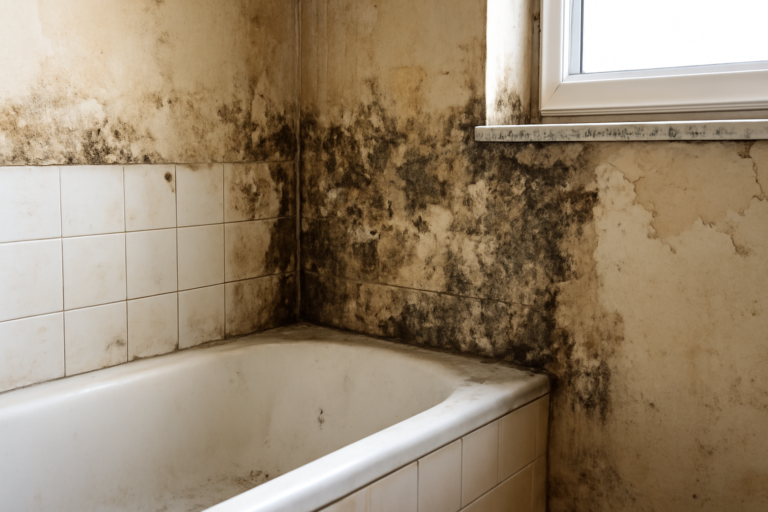
Trusted by 165+ Homeowners
Black Water Damage Restoration (Category 3) in Duluth, GA
- Over 165 5-Star Reviews
- Free Estimates and Quotes
- 100% Satisfaction Guaranteed
- Child, Family & Pet Safe Steps
- 24-Hour Emergency Service
- Fully Licensed & Insured

When the Worst Water Invades Your Home in Duluth, GA
You walk into your basement, and the smell hits you first – that thick, unpleasant odor of sewage and decay. Then you see it: murky, dark water pooling around your belongings, possibly even creeping up the walls. This isn’t just a leaky pipe; it’s Category 3 black water, the most dangerous kind, and it requires immediate professional attention. This type of contamination poses serious health risks and can cause rapid structural damage if not handled correctly. You need a team that understands the science of safely restoring your property after such a severe event.
Locally, homeowners trust our crews for this specialized service because we understand the urgency and the unique challenges presented by black water. We’ve helped over 165 satisfied neighbors get their homes back to a safe, dry state, and we’ve earned their trust through consistent, high-quality work. You’re not just getting a cleanup crew; you’re getting experts dedicated to thoroughly addressing the contamination and preventing future issues.
- We use advanced containment methods to prevent the spread of hazardous materials, protecting your family’s health.
- Our specialized drying and dehumidification techniques go deeper than surface drying, targeting hidden moisture to prevent mold growth.
- We meticulously document every step, ensuring transparency and making the insurance claims process smoother for you.
The Science of Black Water Damage Restoration (Category 3)
Dealing with Category 3 black water damage is far more complex than a simple water extraction. It involves a rigorous, science-based approach to not only remove the contaminated water but also to neutralize pathogens and dry your structure to safe levels. Cutting corners here can lead to long-term health problems and costly structural repairs down the line. Our team follows strict industry protocols, utilizing specialized equipment and extensive training to ensure your home is truly restored, not just superficially dried. We’re committed to a complete and effective remediation process.
Step 1: Immediate Containment and Safety Assessment
Before any water is touched, our first priority is your safety. We’ll set up physical barriers, like plastic sheeting and negative air pressure systems, to isolate the contaminated area. This prevents airborne contaminants from spreading throughout your home. We also conduct a thorough safety assessment to identify any immediate electrical or structural hazards. This crucial first step usually takes a few hours, depending on the extent of the damage.
Step 2: Advanced Water Extraction
We use high-powered, truck-mounted extraction units and specialized submersible pumps to remove as much standing black water as possible. These units are designed to handle large volumes of contaminated liquid efficiently. This process is intensive and can take anywhere from several hours to a full day, depending on how much water has accumulated and its depth.
Step 3: Contaminant Removal and Cleaning
Once the bulk of the water is gone, we meticulously remove all affected porous materials that cannot be safely sanitized, such as drywall, insulation, and carpets. Non-porous materials are thoroughly cleaned and disinfected using EPA-approved antimicrobial solutions to eliminate bacteria and viruses. This step is vital for preventing secondary contamination and begins immediately after extraction, lasting throughout the initial cleanup phase.
Step 4: Advanced Structural Drying
This is where our technical expertise truly shines. We deploy an array of specialized equipment, including industrial-grade dehumidifiers, air movers, and sometimes even LGR (Low-Grain Refrigerant) dehumidifiers, to create the optimal drying environment. We use moisture meters and thermal imaging cameras to monitor drying progress deep within materials like subfloors and wall cavities. This phase can take several days to weeks, depending on the extent of saturation and building materials.
Step 5: Odor Control and Final Inspection
Black water often leaves behind stubborn odors. We utilize advanced odor counteractant fogging systems to neutralize these unpleasant smells at their source, not just mask them. Before we consider the job complete, our certified technicians perform a final inspection, taking moisture readings to confirm that your home is completely dry and safe. We don’t leave until you’re satisfied.
Don’t wait to address black water damage; swift action is critical to prevent further damage and health risks. Call us today for immediate assistance and professional, effective restoration.

Warning Signs You Need Black Water Damage Restoration (Category 3)
Catching the early signs of black water contamination is key to minimizing damage and protecting your health. Ignoring these indicators can lead to much larger, more expensive problems down the road. Our team helps homeowners in your neighborhood identify and address these issues before they become emergencies.
Musty Odors That Won’t Go Away
A persistent, strong musty or sewage-like smell, especially in lower levels of your home or areas with poor ventilation, is a major red flag. This indicates the presence of bacteria and mold growth from contaminated water. It’s a sign that the problem is already developing.
Visible Dark or Murky Water
If you see water that is discolored, cloudy, or contains visible debris and a foul odor, this is a clear indication of Category 3 black water. This often originates from sewage backups, overflowing rivers, or floodwaters that have become heavily contaminated. This is the most critical warning sign to address immediately.
Soggy or Waterlogged Carpeting and Flooring
Carpets that feel unusually damp, have dark stains, or are pulling away from the floor, along with warped or discolored hard flooring, suggest significant water intrusion. If this water is dark and smelly, it’s likely black water, and these materials are heavily contaminated. They may need to be removed entirely.
Unexplained Puddles or Standing Water
Finding unexplained puddles of water, especially in basements, crawl spaces, or around plumbing fixtures, is cause for concern. If this water is dark and has a foul smell, it points to a serious issue like a sewage line break or external floodwater intrusion. You need to act fast to assess the source.
Damp or Wet Walls and Ceilings
Water stains, discoloration, or visible dampness on walls and ceilings, particularly if accompanied by a bad odor, can indicate that contaminated water has seeped into your building’s structure. This means hidden moisture is present, potentially causing rot and mold. This requires expert inspection and drying.
Mold Growth (Even Small Amounts)
While mold can appear in any damp environment, its rapid appearance after water exposure, especially if the water was dark and smelly, is a strong sign of black water contamination. Even small patches of mold can indicate a much larger, unseen infestation developing within your walls. This necessitates professional mold remediation.
Black Water Damage Restoration (Category 3) vs. DIY: When To Call a Professional
| Situation | DIY? | Call a Pro? | Why |
|---|---|---|---|
| Minor, contained spill from a clean source that dried quickly. | Yes | No | This is typically not black water and can be managed with basic cleanup. |
| Sewage backup in the basement. | No | Yes | Sewage contains dangerous pathogens; professional equipment and disinfectants are essential. |
| Floodwater intrusion from a nearby river or lake. | No | Yes | Floodwaters are considered Category 3, carrying numerous contaminants and requiring specialized drying. |
| Water damage from a burst toilet tank. | Maybe | Yes | If the water is discolored or has an odor, assume it’s black water and call a pro. |
| Water intrusion after heavy rain, with standing water. | No | Yes | Standing water can quickly become contaminated, and proper drying is critical. |
| Detecting a persistent, foul odor. | No | Yes | Persistent odors indicate ongoing contamination or mold growth that needs professional assessment. |
For anything involving sewage, floodwaters, or persistent foul odors, a DIY approach is simply not advisable. The health risks and potential for irreversible structural damage are too high. Our trained technicians have the specialized gear and knowledge to handle these situations safely and effectively, ensuring your home is truly clean and dry.
Black Water Damage Restoration (Category 3) Cost In Duluth, GA
The cost of Black Water Damage Restoration (Category 3) in Duluth, GA, can vary significantly based on the extent of the contamination, the size of the affected area, and the complexity of the remediation process. These figures are general estimates; a thorough on-site assessment is always necessary for an accurate quote. We strive to provide transparent pricing for our essential services.
| Service | Typical Price Range | What Affects Cost |
|---|---|---|
| Initial Water Extraction | $750 – $3,000+ | Volume of water, accessibility, and time required. |
| Contaminated Material Removal (e.g., drywall, carpet) | $1,000 – $5,000+ | Square footage of affected materials and disposal fees. |
| Structural Drying & Dehumidification | $1,500 – $7,000+ | Duration of drying, number of units used, and structural complexity. |
| Antimicrobial Treatment & Disinfection | $500 – $2,500+ | Square footage treated and the type of disinfectants required. |
| Odor Control Services | $400 – $2,000+ | Severity of odor and the specific fogging or treatment methods needed. |
| Mold Prevention/Remediation (if needed) | $1,000 – $10,000+ | Amount of mold present and the complexity of removal and rebuilding. |
These estimates reflect the specialized labor and equipment involved in safely restoring your property from black water damage. We offer free, no-obligation estimates to provide you with a clear understanding of the costs specific to your situation.
Service Areas Near Duluth, GA
Our team serves Duluth, GA, and surrounding communities including Suwanee, Johns Creek, Norcross, Peachtree Corners, Lawrenceville, Snellville, Lilburn, Tucker, Chamblee, Doraville, Dunwoody, Sandy Springs, Roswell, Alpharetta, Marietta, Kennesaw, Smyrna, Vinings, and Atlanta.
Common Questions About Black Water Damage Restoration (Category 3)
What is the difference between Category 2 and Category 3 water damage?
Category 2 water is “grey water,” which may contain contaminants but is not yet sewage. Category 3, or “black water,” is grossly contaminated and can come from sewage backups, floodwaters, or other unsanitary sources. It poses significant health risks due to bacteria and viruses. Our team is equipped to handle the rigorous decontamination protocols required for Category 3 water.
How quickly does mold grow after black water damage?
Mold can begin to grow within 24 to 48 hours in damp conditions. With Category 3 water, the risk of mold is even higher due to the introduction of microbial contaminants. It’s crucial to begin the drying and decontamination process immediately after extraction to prevent mold. We use specialized meters to ensure your home is dried to prevent mold proliferation.
How long does black water damage restoration typically take?
The timeline for Category 3 restoration varies greatly. Initial extraction and cleanup might take 1-3 days, but the structural drying phase, where we ensure all hidden moisture is removed, can take anywhere from several days to several weeks. It depends entirely on the extent of saturation and the building materials involved. We provide realistic timelines after assessment.
Is black water damage covered by homeowner’s insurance?
Coverage for black water damage often depends on the source of the water. Damage from sewage backup or floodwaters may require specific riders or endorsements on your policy. It’s important to review your policy and contact your insurance provider promptly. We work closely with insurance adjusters to document the necessary remediation steps and costs.
What should I do immediately after discovering black water in my home in Duluth, GA?
Your immediate actions are critical for safety and damage control. First, if possible and safe to do so, shut off the water source. Avoid entering the affected area without protective gear, as the water is hazardous. Do not touch electrical outlets or appliances. Then, call us immediately. Our emergency response teams are trained to handle hazardous contamination safely and begin the restoration process without delay.
Check Our Other Relevant Services

Jerry Johns is a licensed Damage Restoration Expert with over 20 years of hands-on experience helping homeowners and businesses navigate property crises. As a trusted authority in the field, Jerry combines technical precision with a compassionate approach to disaster recovery.
𝗖𝗲𝗿𝘁𝗶𝗳𝗶𝗰𝗮𝘁𝗶𝗼𝗻𝘀: Jerry holds multiple elite IICRC certifications, including Water Damage Restoration (WRT), Applied Microbial Remediation (Mold), Applied Structural Drying (ASD), Odor Control, and Fire and Smoke Restoration.
𝗙𝗮𝘃𝗼𝗿𝗶𝘁𝗲 𝗣𝗮𝘀𝘁𝗶𝗺𝗲: When he isn’t on a job site, Jerry is an avid outdoorsman who enjoys fly fishing and restoring vintage woodworking tools.
𝗕𝗲𝘀𝘁 𝗣𝗮𝗿𝘁 𝗼𝗳 𝘁𝗵𝗲 𝗝𝗼𝗯: Jerry finds the most fulfillment in seeing the relief on a client’s face when their property is finally restored to its pre-loss condition, turning a stressful disaster into a fresh start.