Trusted by 165+ Homeowners
Clogged Drain Water Damage Restoration in East Point, GA
- Over 165 5-Star Reviews
- Free Estimates and Quotes
- 100% Satisfaction Guaranteed
- Child, Family & Pet Safe Steps
- 24-Hour Emergency Service
- Fully Licensed & Insured

Expert Clogged Drain Water Damage Restoration in East Point, GA
Dealing with a clogged drain that’s caused water damage is more than just an inconvenience; it’s a stressful situation that can quickly escalate. We’ve seen firsthand, from the charming historic homes to newer constructions around East Point, GA, how a seemingly minor drain issue can lead to significant property damage if not handled correctly. Our team understands the urgency and the specific challenges that come with water intrusion from plumbing failures. We’re here to provide a clear, effective plan to get your property back to normal.
Homeowners trust us because we don’t just fix the immediate problem; we address the underlying damage and prevent future issues. With over 165 five-star reviews from satisfied neighbors, you can see why people count on us for their most pressing water damage needs. We’re known for our prompt, reliable service and our commitment to thorough, lasting repairs when you’re facing a flooded bathroom or kitchen.
- We’ll meticulously dry out affected areas, using specialized equipment to prevent mold growth and structural decay, ensuring your home is safe and healthy again.
- Our technicians accurately assess the extent of water damage, identifying hidden moisture that could cause long-term problems, giving you complete transparency throughout the process.
- We handle the complexities of water extraction and structural drying, so you don’t have to worry about further complications or lingering dampness.
How Clogged Drain Water Damage Restoration Actually Works
When a clogged drain causes water to back up, it can spread rapidly, saturating carpets, drywall, and subflooring. It’s crucial that this type of water damage is addressed with a specific, methodical approach. Simply mopping up standing water isn’t enough; a failure to properly dry and dehumidify can lead to persistent mold issues and compromised building materials. Our process focuses on immediate water removal and comprehensive structural drying to protect your property’s integrity.
Step 1: Emergency Water Extraction
Our first priority is to remove all standing water from your property. We use powerful, truck-mounted vacuums and submersible pumps to extract water quickly and efficiently, often removing hundreds of gallons in a short time. This critical first step minimizes further saturation and damage to your belongings and structure.
Step 2: Thorough Drying and Dehumidification
Once the bulk of the water is gone, we deploy industrial-grade air movers and dehumidifiers. These machines work around the clock to pull moisture out of the air and building materials. This stage is essential for preventing mold growth and ensuring that structural components are returned to their normal moisture levels.
Step 3: Moisture Detection and Assessment
Using advanced moisture meters and thermal imaging cameras, our technicians meticulously check every surface and cavity. We’re looking for any hidden pockets of moisture that might not be visible to the naked eye. This detailed assessment ensures that no area is overlooked, preventing future problems.
Step 4: Containment and Air Quality Control
If necessary, we’ll set up containment barriers to prevent the spread of moisture and potential airborne contaminants. We may also use air scrubbers to filter the air, improving indoor air quality during the drying process. This attention to clean, safe air is vital for your family’s well-being.
Step 5: Cleaning and Sanitization
After drying is complete, we thoroughly clean and sanitize all affected surfaces. This includes carpets, upholstery, and structural elements. We use EPA-approved cleaning agents to eliminate bacteria and odors, ensuring a hygienic environment.
Don’t let a clogged drain turn into a long-term headache. Call us now to begin the fast, effective restoration process and protect your home.

Warning Signs You Need Clogged Drain Water Damage Restoration
Catching the early signs of water damage from a clogged drain is key to minimizing repair costs and preventing more serious issues like mold. Ignoring these indicators can lead to extensive structural damage and unhealthy living conditions. Pay close attention to what your property is telling you.
Musty Odors That Won’t Go Away
Persistent damp or musty smells, especially in bathrooms, kitchens, or basements, are a strong indicator of hidden moisture. This odor often signals developing mold or mildew due to prolonged dampness.
Visible Water Stains or Discoloration
Yellow or brown stains appearing on ceilings, walls, or floors are clear signs that water has penetrated these materials. These stains mean the structural integrity may be compromised.
Peeling or Bubbling Paint and Wallpaper
When moisture seeps behind paint or wallpaper, it causes the adhesive to fail, leading to peeling or bubbling. This is a direct visual cue of water saturation behind surfaces.
Soft or Sagging Drywall
Drywall that feels soft to the touch, or appears to be sagging, indicates it has absorbed a significant amount of water. This weakened material is a serious structural concern.
Slow Draining or Gurgling Sounds
While these might seem like simple plumbing issues, repeated slow drains or strange gurgling noises from drains or toilets can signal a clog that’s causing water to back up into your home. These are early plumbing warnings.
Warped Flooring or Baseboards
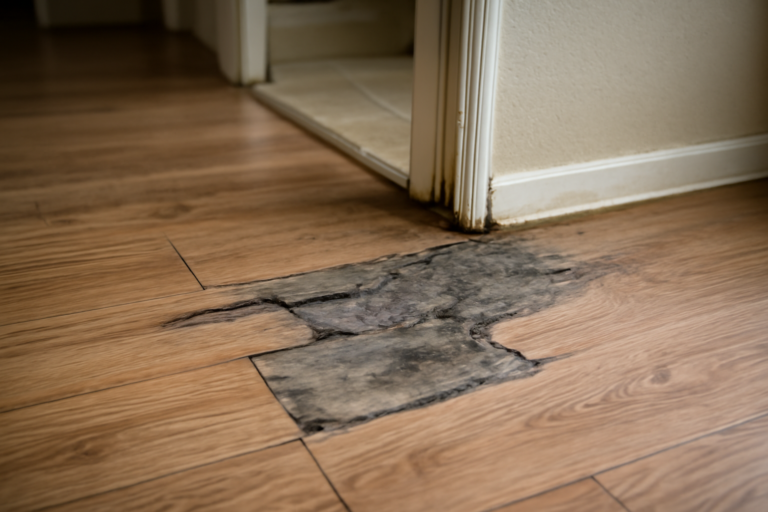
Wood flooring or baseboards that start to warp, buckle, or separate are reacting to excess moisture in or under them. This shows the subfloor may be saturated.
Clogged Drain Water Damage Restoration vs. DIY: When To Call a Professional
| Situation | DIY? | Call a Pro? | Why |
|---|---|---|---|
| Minor sink or toilet overflow with immediate cleanup | Yes | No | Usually dries quickly without professional intervention. |
| Standing water covering more than a few square feet | No | Yes | Requires specialized equipment for effective extraction and drying. |
| Water has seeped into walls or under flooring | No | Yes | Hidden moisture is impossible to remove with towels alone and needs professional detection. |
| Dealing with sewage backup (black water) | Absolutely Not | Yes | Biohazard risks require professional handling and sanitization. |
| Persistent musty odors after initial cleanup | No | Yes | Indicates hidden mold growth that needs expert remediation. |
| Water damage to electrical outlets or systems | Absolutely Not | Yes | Extreme safety hazard; requires immediate professional assessment. |
For anything beyond a minor, contained spill, it’s always best to call a professional. DIY efforts often fall short of completely removing moisture and preventing secondary damage like mold, which is why expert intervention is crucial for true restoration.
Clogged Drain Water Damage Restoration Cost In East Point, GA
The cost for restoring water damage from a clogged drain in East Point, GA, can vary significantly. Factors include the severity of the water intrusion, the size of the affected area, and the specific materials that have been damaged. These price ranges are estimates to give you an idea of potential costs.
| Service | Typical Price Range | What Affects Cost |
|---|---|---|
| Emergency Water Extraction | $500 – $2,500 | Volume of water, accessibility, and time required. |
| Structural Drying & Dehumidification | $1,000 – $4,000 | Size of the space, duration of drying needed, number of machines. |
| Moisture Detection & Assessment | $300 – $800 | Complexity of the structure and need for advanced tools. |
| Mold Inspection & Remediation (if necessary) | $750 – $3,500+ | Extent of mold growth and specific remediation techniques required. |
| Carpet & Upholstery Cleaning/Restoration | $200 – $1,000 | Square footage, type of material, and level of soiling. |
| Minor Drywall/Subfloor Repair | $400 – $2,000 | Amount of material needing replacement and labor involved. |
An on-site assessment is the only way to get an accurate quote for your specific situation. We offer free, no-obligation estimates to help you understand the investment needed for restoration.
Service Areas Near East Point, GA
Atlanta, College Park, Hapeville, Forest Park, Riverdale, Jonesboro, Morrow, Clarkston, Decatur, Avondale Estates, Chamblee, Doraville, Dunwoody, Sandy Springs, Roswell, Alpharetta, Johns Creek, Suwanee, Duluth, Norcross
Common Questions About Clogged Drain Water Damage Restoration
My toilet backed up and flooded the bathroom. How much will it cost to fix?
The cost for toilet backup water damage restoration varies based on the amount of water, how long it sat, and what materials were affected. You’re likely looking at anywhere from $1,000 to $5,000 or more for significant flooding. Our team will provide a detailed estimate after assessing the damage, ensuring you understand the full scope of necessary repairs.
How long does it take to dry out a home after a clogged drain floods it?
Drying typically takes anywhere from 3 to 10 days, depending on the extent of saturation and humidity levels. We use specialized equipment to speed up the process, but it’s crucial not to rush it. Our goal is complete structural drying to prevent secondary issues.
Is the water from a clogged drain dangerous?
Yes, especially if it’s from a toilet or kitchen sink, as it can contain bacteria and other contaminants. We treat all water damage situations with caution, using proper safety protocols and EPA-registered disinfectants. Your health and safety are our top priorities.
What equipment do you use to dry out my house?
We utilize a range of professional-grade equipment, including high-powered water extractors, industrial air movers (fans), and large-capacity dehumidifiers. We also use moisture meters and thermal imaging cameras to ensure thorough moisture detection. This advanced equipment is key to a successful drying process.
Can I prevent future clogged drain water damage?
Regular maintenance is your best defense. Avoid pouring grease down drains, use drain strainers, and consider periodic professional drain cleaning. For toilets, be mindful of what’s flushed. These simple steps can prevent major plumbing headaches and costly water damage.
Check Our Other Relevant Services
Serving East Point, GA And Nearby Areas