Trusted by 165+ Homeowners
Corroded Pipe Water Damage Restoration in Dallas, GA
- Over 165 5-Star Reviews
- Free Estimates and Quotes
- 100% Satisfaction Guaranteed
- Child, Family & Pet Safe Steps
- 24-Hour Emergency Service
- Fully Licensed & Insured

When Your Pipes Leak Trouble: Corroded Pipe Water Damage Restoration in Dallas, GA
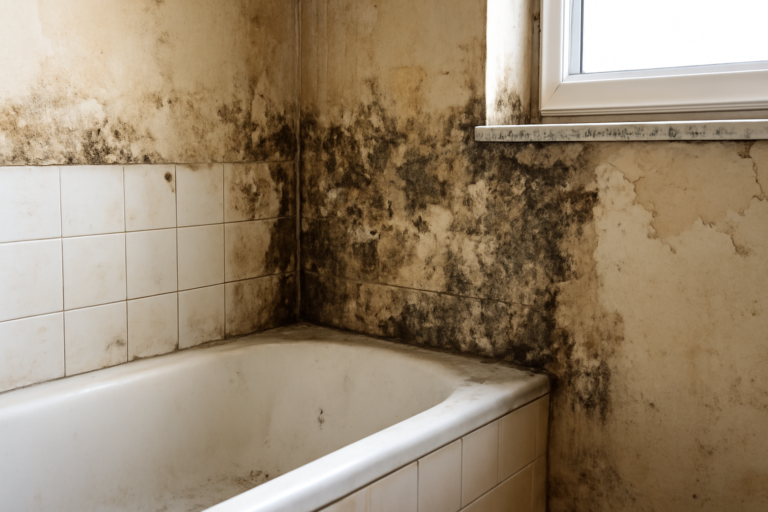
If you’re noticing rust-colored stains around your pipes, a metallic taste in your water, or even unexplained damp spots on your walls and ceilings, it’s a sign that corrosion is attacking your plumbing. This isn’t just an aesthetic issue; corroded pipes can lead to significant leaks and water damage that spreads quickly through your home. Ignoring these early indicators can turn a minor problem into a major headache, potentially causing expensive structural damage and compromising your family’s health. Acting fast is absolutely critical when you suspect corroded pipe issues.
Homeowners around Dallas, GA, trust our team when corroded pipes cause water damage because we understand the urgency and precision this specific problem demands. We’ve helped countless neighbors restore their homes, earning over 165 five-star reviews for our focused approach to this type of restoration. You can count on our crews to handle your situation with the care and expertise it deserves, ensuring a thorough and effective recovery.
- Rapid response to contain the damage from corroded pipes before it spreads further into your walls and foundation.
- Specialized drying and dehumidification techniques designed to combat the unique challenges posed by slow, persistent leaks from metal corrosion.
- Careful inspection and remediation to address not just the visible water but also potential mold growth and structural weakening caused by prolonged moisture.
How Corroded Pipe Water Damage Restoration Actually Works
Dealing with water damage from corroded pipes requires a systematic and swift approach. Our process is built around speed because the longer water sits, the more harm it inflicts, especially when it seeps into materials that can’t easily dry. We don’t cut corners; we follow a proven method to ensure we address the source of the leak and then meticulously dry, clean, and restore your property. This methodical process is key to preventing secondary issues like mold and ensuring your home is truly back to its pre-damage condition, avoiding costly future repairs.
1. Emergency Inspection and Water Extraction
Upon arrival, our technicians will immediately assess the extent of the water damage caused by your corroded pipes. We use advanced moisture meters and thermal imaging cameras to pinpoint all affected areas, even those hidden from view. Then, we deploy powerful extraction equipment, like truck-mounted water pumps and portable extractors, to remove standing water as quickly as possible, often within the first few hours of arrival. This step is vital for minimizing water saturation and preventing further damage.
2. Structural Drying and Dehumidification
Once the bulk of the water is gone, we set up specialized drying equipment. This includes high-velocity air movers to circulate air and industrial-grade dehumidifiers to pull moisture out of the air and building materials. We aim to bring your home’s humidity levels back to normal and dry out affected structures, like drywall, wood, and insulation, often within 24-72 hours. This targeted drying prevents warping and long-term material degradation.
3. Mold Prevention and Sanitization
Corrosion can sometimes lead to persistent moisture that encourages mold growth. Our team applies EPA-registered antimicrobial treatments to all affected areas to prevent mold and bacteria from developing. We ensure all surfaces are thoroughly cleaned and sanitized, creating a safe and healthy environment. This step is crucial for your family’s well-being and preventing health concerns.
4. Odor Control
Lingering odors are a common, unpleasant side effect of water damage, especially from metallic corrosion. We use advanced odor-neutralizing foggers and ozone treatments to eliminate any musty or metallic smells, leaving your home smelling fresh and clean. This process goes beyond simply masking odors; it neutralizes odor-causing particles.
5. Restoration and Rebuilding
Finally, we complete the restoration process by repairing any damaged structural elements. This can include replacing drywall, repainting, repairing flooring, and making necessary adjustments to plumbing access points. Our goal is to return your home to its original condition, ensuring everything is not only dry but also structurally sound and aesthetically pleasing. You’ll appreciate the attention to detail we bring to this final stage.
Don’t let corroded pipe leaks cause more damage than they have to. Contact us immediately when you suspect a problem to begin the fastest possible recovery.

Warning Signs You Need Corroded Pipe Water Damage Restoration
Catching the signs of corroded pipes early can save you a lot of stress and money. These aren’t always obvious leaks; sometimes, the damage is subtle but growing. Recognizing these indicators allows our team to intervene before minor issues escalate into major water damage incidents. Ignoring these signs could lead to more extensive repairs down the line.
Rust-Colored Stains or Streaks
If you see brown or reddish-brown stains appearing on walls, ceilings, or around plumbing fixtures, it’s a strong indicator of rust from corroding pipes. This is a direct sign that the metal is deteriorating and potentially leaking. You should address these stains promptly.
Musty Odors That Won’t Go Away
A persistent damp or musty smell, especially in areas near plumbing, can signal hidden moisture from corroding pipes. Even if you don’t see visible water, this odor is a warning sign of underlying water intrusion. This smell often means hidden water damage is present.
Reduced Water Pressure
Corrosion can cause buildup inside your pipes, narrowing the passageways and restricting water flow. If you’ve noticed a significant drop in water pressure throughout your home, it could be due to internal pipe degradation. Checking your water pressure is a good preventative measure.
Metallic Taste or Smell in Water
When pipes corrode, they can release metallic particles into your drinking water. If your water suddenly tastes or smells like metal, it’s a clear sign your plumbing is compromised. This is a direct indicator of potential pipe failure.
Pitting or Leaks on Pipe Surfaces
Visually inspecting exposed pipes can reveal signs of corrosion like small pits, rough patches, or even visible drips. These are direct signs of pipe failure in progress and require immediate attention. Don’t wait for a major pipe burst.
Warm Spots on Walls or Floors
If you have hot water pipes that are corroding, a leak might cause warm, damp spots to appear on your walls or floors. This indicates that hot water is escaping the pipes and saturating the surrounding materials. These warm spots can lead to significant structural issues.
Corroded Pipe Water Damage Restoration vs. DIY: When To Call a Professional
| Situation | DIY? | Call a Pro? | Why |
|---|---|---|---|
| Small, visible drip from a corroded pipe joint (easily accessible) | Yes, for a very temporary fix (e.g., tightening a fitting). | Yes, for proper repair and assessment. | DIY fixes are often short-lived and don’t address the underlying corrosion. |
| Rust-colored water coming from faucets | No. | Yes. | This indicates internal pipe corrosion that needs professional diagnosis and pipe repair/replacement. |
| Musty odor in a basement or crawl space with visible pipe corrosion | No. | Yes. | Hidden moisture and potential mold growth require specialized drying and remediation equipment. |
| Large, spreading damp spots on walls or ceilings near pipes | No. | Yes. | Extensive water saturation requires professional water extraction and structural drying to prevent mold and structural damage. |
| Reduced water pressure throughout the house | No. | Yes. | This points to internal pipe blockage or failure that needs professional plumbing assessment. |
| Concern about the overall age and condition of plumbing system | No. | Yes. | A professional can assess the entire system for corrosion risk and recommend necessary replacements. |
While minor, easily accessible drips might seem like a DIY fix, any sign of corroded pipe water damage is best handled by professionals. Our team has the specialized equipment and expertise to not only stop the leak but also to properly dry, clean, and restore your home, preventing long-term damage and health hazards.
Corroded Pipe Water Damage Restoration Cost In Dallas, GA
The cost for corroded pipe water damage restoration in Dallas, GA, can vary widely. Factors like the extent of water saturation, the size of the affected area, and the complexity of the pipe system all play a role. These figures are intended as estimates to give you a general idea of potential expenses. For an accurate quote, an on-site assessment is always necessary. We aim for transparent pricing.
| Service | Typical Price Range | What Affects Cost |
|---|---|---|
| Water Extraction and Initial Drying | $500 – $3,000 | Amount of standing water, size of affected rooms, and accessibility. |
| Structural Drying (Air Movers & Dehumidifiers) | $300 – $2,000 per day/unit | Duration needed to dry materials, number of units required, and square footage. |
| Mold Prevention and Sanitization Treatments | $400 – $2,500 | Size of the affected area requiring treatment and type of treatment used. |
| Odor Removal Services | $300 – $1,500 | Severity of odors and the techniques required (e.g., fogging, ozone). |
| Minor Structural Repairs (e.g., drywall patching) | $500 – $4,000 | Amount of material replacement and labor involved. |
| Plumbing Assessment and Minor Repair Access | $300 – $1,000 | Cost of assessment and any minor work needed to access pipes for drying/repair. |
These prices reflect the specialized nature of dealing with water damage from corroded pipes. We offer free estimates after a thorough inspection, so you’ll know exactly what to expect before we begin the restoration work. Our goal is to provide cost-effective and reliable restoration.
Service Areas Near Dallas, GA
Acworth, Austell, Bremen, Buchanan, Carrollton, Cedartown, Douglasville, Hiram, Kennesaw, Lithia Springs, Mableton, Marietta, Powder Springs, Rockmart, Rome, Smyrna, Taylorsville, Villa Rica, Winston, Woodstock
Common Questions About Corroded Pipe Water Damage Restoration
What’s the first thing I should do if I see signs of corroded pipes causing water damage?
The very first step is to try and shut off the main water supply to your home if you can safely locate it. This stops further water from entering your plumbing system and worsening the damage. After securing the water, call our team immediately. We can provide an expert assessment and begin the necessary restoration process to prevent further issues.
How long does it typically take to restore a home from corroded pipe water damage?
The timeline can vary greatly depending on the severity of the damage, but the initial water extraction and structural drying often take 2 to 5 days. Full restoration, including repairs and rebuilding, might take anywhere from a few days to a couple of weeks. We prioritize efficiency to get your home back to normal as quickly as possible, focusing on thorough drying and repair.
Is corroded pipe water damage covered by homeowner’s insurance?
Generally, homeowner’s insurance policies cover sudden and accidental water damage, which can include leaks from corroded pipes. However, they often exclude damage from long-term neglect or gradual deterioration. It’s always best to review your specific policy and contact your insurance provider, but we can help document the damage for your claim, providing clear photographic evidence.
What are the health risks associated with water damage from corroded pipes?
The primary health risk comes from potential mold growth that can occur in damp environments left untreated. Mold spores can cause respiratory problems, allergies, and other health issues. Also, depending on the source of the water and the pipe material, there could be contaminants. Our process includes thorough sanitization to ensure a healthy living environment.
How can I prevent my pipes from corroding in the first place?
Preventing corrosion involves maintaining your plumbing system. This can include flushing your system periodically, ensuring proper water pH levels, and replacing older, susceptible pipe materials with more resistant ones. If you’re concerned about the age of your pipes or the water quality in your area, it’s wise to have a plumber inspect them. We can also advise on best practices for maintaining your home’s integrity.
Check Our Other Relevant Services

Jerry Johns is a licensed Damage Restoration Expert with over 20 years of hands-on experience helping homeowners and businesses navigate property crises. As a trusted authority in the field, Jerry combines technical precision with a compassionate approach to disaster recovery.
𝗖𝗲𝗿𝘁𝗶𝗳𝗶𝗰𝗮𝘁𝗶𝗼𝗻𝘀: Jerry holds multiple elite IICRC certifications, including Water Damage Restoration (WRT), Applied Microbial Remediation (Mold), Applied Structural Drying (ASD), Odor Control, and Fire and Smoke Restoration.
𝗙𝗮𝘃𝗼𝗿𝗶𝘁𝗲 𝗣𝗮𝘀𝘁𝗶𝗺𝗲: When he isn’t on a job site, Jerry is an avid outdoorsman who enjoys fly fishing and restoring vintage woodworking tools.
𝗕𝗲𝘀𝘁 𝗣𝗮𝗿𝘁 𝗼𝗳 𝘁𝗵𝗲 𝗝𝗼𝗯: Jerry finds the most fulfillment in seeing the relief on a client’s face when their property is finally restored to its pre-loss condition, turning a stressful disaster into a fresh start.