Trusted by 165+ Homeowners
Downspout Failure Water Damage Restoration in Decatur, GA
- Over 165 5-Star Reviews
- Free Estimates and Quotes
- 100% Satisfaction Guaranteed
- Child, Family & Pet Safe Steps
- 24-Hour Emergency Service
- Fully Licensed & Insured

Stop Downspout Disasters From Flooding Your Home in Decatur, GA
One of the most common, yet often overlooked, causes of water damage starts with something as simple as a clogged or improperly angled downspout. If your downspouts aren’t directing rainwater away from your foundation, you’re creating a direct pathway for water to seep into your crawl space, basement, or even your main living areas. It’s easy to think it’s just a little water, but that initial water intrusion can quickly lead to significant structural issues and mold growth if not addressed promptly. We understand how stressful discovering this kind of damage can be, and we’re here to help you navigate it with a clear plan.
Homeowners in your neighborhood trust our team because we respond fast and get the job done right the first time for downspout failure water damage restoration. We’ve earned over 165 five-star reviews by consistently providing reliable, efficient service when it matters most. You can count on us to treat your property with the care it deserves, ensuring we not only fix the immediate problem but also help prevent future occurrences.
- We specialize in quickly identifying the source of water intrusion from downspout issues, preventing further saturation of your drywall, insulation, and flooring.
- Our crews are equipped with advanced drying technology to extract moisture efficiently, minimizing the risk of mold development and structural compromise.
- We focus on restoring your home’s healthy environment by thoroughly drying and deodorizing affected areas, leaving your property comfortable and safe again.
How Downspout Failure Water Damage Restoration Works
When water starts pooling around your foundation due to faulty downspouts, time is truly of the essence. Delaying professional help can turn a manageable situation into a costly disaster. Our team follows a strict, proven process designed to address the damage quickly and effectively. We know that a proper restoration isn’t just about removing visible water; it’s about addressing the hidden moisture and mitigating long-term effects. You need a rapid, methodical response to protect your home’s integrity.
1. Immediate Water Extraction
Once we arrive, our first priority is to remove all standing water. We use powerful truck-mounted water extractors and industrial-grade pumps to pull water out of carpets, subfloors, and basements. This critical step helps prevent further absorption into your home’s materials and can often be completed within 24 to 48 hours, depending on the severity of the flooding.
2. Damage Assessment and Planning
Our certified technicians will then conduct a thorough assessment of the affected areas using advanced moisture meters and thermal imaging cameras. This allows us to pinpoint exactly how far the water has spread, even behind walls. We’ll create a detailed restoration plan outlining the necessary steps, which we’ll walk you through, ensuring you understand the scope of work for effective water removal.
3. Controlled Drying and Dehumidification
After extraction, we set up specialized drying equipment, including high-velocity air movers and industrial dehumidifiers. These machines work together to accelerate evaporation and pull moisture from the air and building materials. This phase is crucial for preventing secondary damage like mold and can take anywhere from a few days to a couple of weeks, depending on the extent of saturation.
4. Mold Prevention and Remediation
If mold growth has already begun or if conditions are conducive, our team will implement antimicrobial treatments. We carefully inspect all surfaces for any signs of mold and take immediate action to contain and eliminate it. Addressing mold early is key to maintaining healthy indoor air quality and preventing further structural damage, ensuring a truly clean environment.
5. Restoration and Rebuilding
Once your home is completely dry and free of mold, we begin the restoration process. This might involve replacing damaged drywall, flooring, insulation, or even making minor structural repairs. Our goal is to return your home to its pre-loss condition, making it look and feel as if the water damage never happened, providing complete structural repair.
Don’t let a faulty downspout cause lasting damage to your home. If you suspect water intrusion, call us immediately for a swift damage assessment. We’re ready to help you protect your property.

Warning Signs You Need Downspout Failure Water Damage Restoration
Catching the signs of downspout-related water damage early can save you a significant amount of money and stress. Ignoring these indicators can lead to much larger, more complex issues down the line. Familiarizing yourself with these common signs will help you take action before the problem escalates.
Musty Odors That Won’t Go Away
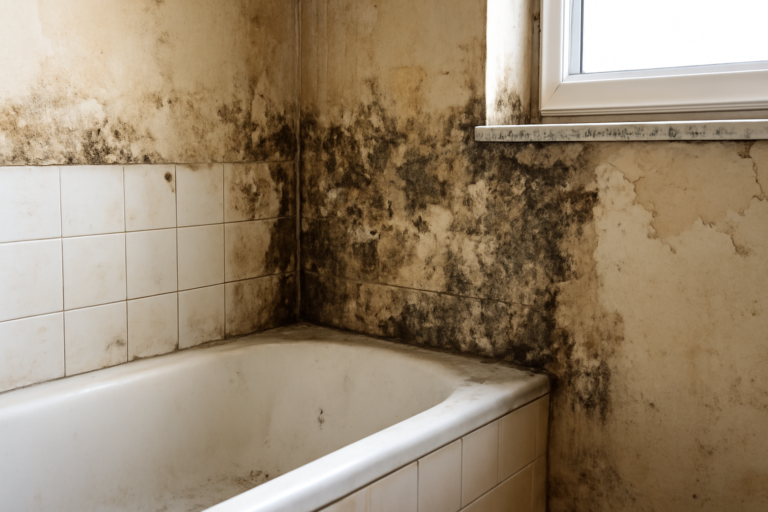
A persistent damp, musty smell, especially in basements or crawl spaces, is a strong indicator of hidden moisture. This smell often signals the beginning of mold growth, which thrives in dark, damp environments created by water that isn’t properly diverted. You need to investigate the source.
Visible Water Stains or Discoloration
Look for water marks on ceilings, walls, or floors, particularly near windows, doors, or foundation areas. These stains are clear visual evidence that water has been present and is potentially compromising your building materials, requiring immediate professional attention.
Peeling or Bubbling Paint and Wallpaper
When moisture gets behind paint or wallpaper, it can cause them to lose their adhesion, leading to peeling or bubbling. This is a sign that the underlying structure is becoming saturated, which can weaken it over time and needs prompt moisture mitigation.
Cracks in Foundation or Walls
Water that consistently pools around your foundation can exert pressure, leading to cracks in the concrete or even structural shifting. Small cracks can quickly become larger if water continues to saturate the soil, so addressing foundation issues is paramount.
Sagging Ceilings or Walls
Excessive moisture can saturate drywall and insulation, causing them to become heavy and sag. This is a serious sign of water damage that can lead to more significant structural problems if not addressed by a skilled restoration team.
High Humidity Levels Indoors
If your home feels unusually humid, even when your air conditioning is running, it could be a sign of water intrusion. Uncontrolled moisture in your home’s structure can significantly impact indoor air quality and create an environment ripe for mold, necessitating expert humidity control.
Downspout Failure Water Damage Restoration vs. DIY: When To Call a Professional
| Situation | DIY? | Call a Pro? | Why |
|---|---|---|---|
| Minor standing water in a basement after a heavy rain, easily accessible. | Yes | No | You can likely mop this up yourself and use fans to dry the area. |
| Water seeping through basement walls or foundation cracks. | No | Yes | This indicates a deeper issue with water intrusion that requires specialized equipment to dry completely. |
| Musty odors appearing in your home, especially in lower levels. | No | Yes | Odors often mean hidden mold growth that needs professional assessment and remediation. |
| Visible mold growth on walls or ceilings. | No | Yes | Mold can be a health hazard and requires professional containment and removal techniques. |
| Water saturating insulation in crawl spaces or attics. | No | Yes | Hidden moisture in insulation can lead to rot and significant structural damage if not properly dried. |
| Damage affecting electrical outlets or systems. | Absolutely Not | Yes | Electrical hazards are extremely dangerous; leave this to trained professionals. |
While minor spills can often be handled with a DIY approach, any situation involving water intrusion into your home’s structure, potential mold growth, or damage near electrical systems absolutely requires professional intervention. Our team has the specialized equipment and expertise to handle these complex issues safely and effectively, ensuring a thorough and lasting restoration.
Downspout Failure Water Damage Restoration Cost In Decatur, GA
The cost for addressing downspout failure water damage in Decatur, GA, can vary significantly based on the extent of the intrusion, the size of the affected areas, and how quickly the problem is addressed. These figures provide an estimated range for common services associated with this type of water damage.
| Service | Typical Price Range | What Affects Cost |
|---|---|---|
| Water Extraction and Removal | $500 – $2,500 | The volume of water, accessibility of the area, and duration of extraction. |
| Structural Drying and Dehumidification | $1,000 – $5,000 | The square footage affected, saturation level, and required drying time. |
| Mold Inspection and Testing | $300 – $1,000 | The complexity of the assessment and the number of samples needed. |
| Mold Remediation | $1,000 – $6,000+ | The size of the mold infestation and the type of materials affected. |
| Minor Drywall and Insulation Replacement | $500 – $3,000 | The linear footage or square footage of materials needing replacement. |
| Deodorization and Air Quality Treatment | $300 – $1,500 | The severity of odors and the size of the space requiring treatment. |
These are general estimates; a precise quote requires an on-site assessment by our technicians. We offer free, no-obligation estimates to give you a clear understanding of the costs involved for your specific situation.
Service Areas Near Decatur, GA
Atlanta, Avondale Estates, Clarkston, Chamblee, Doraville, Dunwoody, East Point, Forest Park, Hapeville, Johns Creek, Jonesboro, Lawrenceville, Lilburn, Lithonia, Marietta, Morrow, Norcross, Peachtree City, Riverdale, Roswell, Sandy Springs, Smyrna, Stockbridge, Stone Mountain, Suwanee, Tucker, Union City, Vinings, Woodstock.
Common Questions About Downspout Failure Water Damage Restoration
My downspouts are directing water away, but I still have water in my basement. What could be wrong?
Even if your downspouts seem to be working, nearby landscaping grading, underground drainage issues, or hydrostatic pressure from saturated soil can still force water into your basement. It’s important to have a professional inspect the entire perimeter and foundation for hidden entry points. We can use moisture meters and thermal imaging to identify the exact source and recommend the best course of action.
How long does it typically take to dry out a home after downspout failure water damage?
The drying process can vary greatly depending on the amount of water and how saturated your materials are. For minor issues, it might take just a few days, but for more significant flooding, it can extend to two weeks or more. We use high-powered drying equipment to accelerate this process as much as safely possible.
Is it safe to stay in my home while you’re doing water damage restoration?
In most cases, yes, it’s safe to remain in your home, especially if the damage is confined to one area. However, if there’s significant mold growth or extensive structural compromise, we might recommend you stay elsewhere temporarily for your health and safety. We’ll always advise you on the best course of action for your family’s well-being.
What kind of equipment do you use for drying?
We utilize a range of professional-grade equipment, including truck-mounted water extractors for powerful water removal, high-velocity air movers to circulate air and speed up evaporation, and industrial dehumidifiers to pull moisture out of the air. This specialized equipment is far more effective than typical household fans and dehumidifiers, ensuring efficient and complete drying.
Can I prevent downspout failure water damage in the future?
Absolutely. Regular maintenance is key. You should clean your gutters and downspouts at least twice a year to prevent clogs. Ensure your downspouts extend at least 5-10 feet away from your foundation, and check that the ground around your home slopes away from the house. Addressing these simple maintenance steps can significantly reduce your risk of future water intrusion, preventing costly future repairs.
Check Our Other Relevant Services
Serving Decatur, GA And Nearby Areas