Trusted by 165+ Homeowners
Drywall Water Damage Repair in Decatur, GA
- Over 165 5-Star Reviews
- Free Estimates and Quotes
- 100% Satisfaction Guaranteed
- Child, Family & Pet Safe Steps
- 24-Hour Emergency Service
- Fully Licensed & Insured

When Water Attacks Your Walls: Drywall Water Damage Repair in Decatur, GA
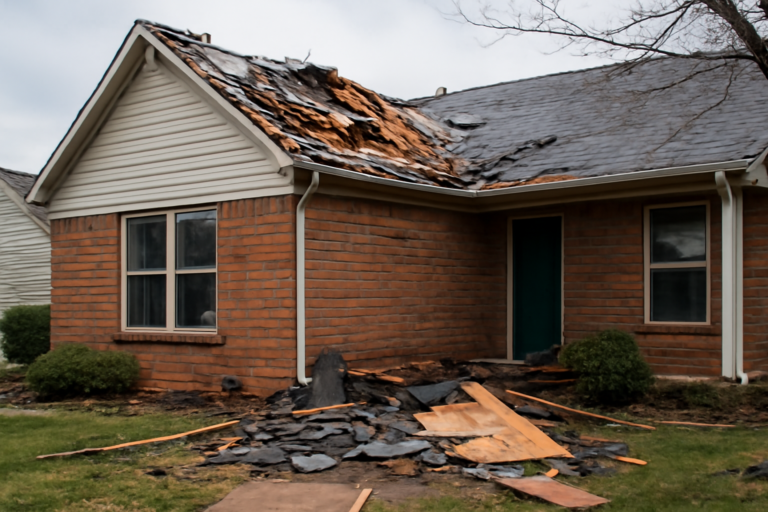
Here around Decatur, GA, we know how quickly a sudden downpour or a leaky pipe can turn into a homeowner’s nightmare. Summer thunderstorms can dump inches of rain, overwhelming your gutters and potentially finding its way into your home’s structure. Even a small drip from an upstairs bathroom can cause significant issues over time. When you notice your walls looking less than perfect, it’s time to think about professional drywall water damage repair before small problems become big headaches. We’ll help you get your home back to normal.
Homeowners in your neighborhood have trusted us for over 165 five-star reviews to handle their drywall water damage. They choose us because we understand the unique challenges of homes around here and deliver reliable, effective repairs. You’re not just getting a patch job; you’re getting a team dedicated to restoring your property’s integrity and appearance. We’ve seen it all and know how to fix it right.
- We specialize in identifying and repairing the hidden damage that water can cause within your drywall, preventing mold and structural weakness.
- Our team uses advanced drying techniques to ensure your walls are completely dry before any new materials are installed, safeguarding against future issues.
- You’ll receive a clear explanation of the damage and our recommended repair plan, so you always know what to expect.
How This Service Actually Works
Dealing with drywall water damage can feel overwhelming, but our methodical approach makes it manageable. We believe in doing the job right the first time. Cutting corners on water damage repair often leads to recurring problems like mold growth or further structural compromise, costing you more in the long run. That’s why we follow a proven process, ensuring every affected area is properly addressed. You can count on our thorough inspection and careful execution.
Step 1: Damage Assessment and Inspection
Our first step is a meticulous inspection of the affected drywall. We use moisture meters and visual cues to pinpoint the exact extent of the water intrusion. This ensures we address both the visible damage and any hidden moisture that could lead to bigger problems down the line. It’s crucial to accurately assess the scope.
Step 2: Water Source Identification and Mitigation
Before we can repair the drywall, we need to stop the water source. Whether it’s a burst pipe, roof leak, or appliance malfunction, we’ll help identify it. We then take immediate steps to stop further water from entering your home, preventing additional damage. This is a critical first step to prevent ongoing issues.
Step 3: Drying and Dehumidification
Once the water source is stopped, we focus on thoroughly drying the affected areas. We use specialized equipment like industrial-grade fans and dehumidifiers to remove all residual moisture from the drywall and surrounding materials. This process can take anywhere from 24 hours to several days, depending on the severity. Proper drying is essential for long-term stability.
Step 4: Damaged Drywall Removal and Replacement
Saturated drywall often can’t be saved and needs to be removed. We carefully cut out the damaged sections and replace them with new drywall. Our goal is to match the existing texture and finish of your walls as closely as possible, making the repair virtually invisible. We ensure a clean, precise replacement.
Step 5: Finishing, Texturing, and Painting
After the new drywall is installed, we tape, mud, and sand the seams to create a smooth, uniform surface. We then apply texture to match your existing walls and finish with a primer and paint that blends seamlessly with the rest of your room. This final stage restores the appearance of your walls, making it look like the damage never happened. We aim for a perfectly blended finish.
Don’t let water-damaged drywall linger. Contact us today to schedule your inspection and get a clear plan for repair. We’ll help you restore your home’s beauty and structural integrity.

Warning Signs You Need Drywall Water Damage Repair
Catching drywall water damage early is key to minimizing repair costs and preventing more serious issues like mold. Keep an eye out for these common indicators that your walls need attention from our team. You’ll save yourself time and money by acting quickly. Early detection is crucial.
Discolored Spots or Stains
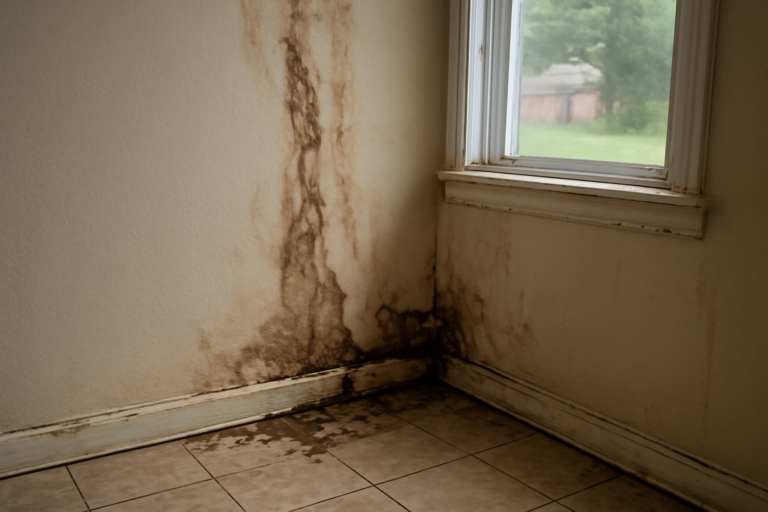
Yellow, brown, or even reddish stains on your drywall are clear signs of water intrusion. These spots often appear around plumbing fixtures, under windows, or on ceilings. They indicate that water has soaked into the paper and gypsum core. Don’t ignore these visible water marks.
Bubbling or Peeling Paint
When water gets behind the paint on your drywall, it can cause the paint to bubble up or start peeling away from the surface. This is a sign that the drywall itself is becoming saturated. It’s a clear indicator of underlying moisture problems.
Soft or Spongy Drywall
If you can press your finger into the drywall and it feels soft, spongy, or even crumbles, it’s severely compromised by water. This means the gypsum core has lost its integrity and can no longer support itself. This is a sign of significant saturation.
Sagging or Warped Drywall
Waterlogged drywall becomes heavy and can start to sag or warp, pulling away from the studs. A visible bulge or a bowing section of your wall means the material is weakening. This is a serious sign that structural support is failing.
Musty Odors That Won’t Go Away
A persistent damp, musty smell, especially after rain or if you know there was a leak, is a strong indicator of hidden water damage and potential mold growth within the walls. This smell can permeate your home. It’s a sign of unseen moisture issues.
Mold or Mildew Growth
Any visible fuzzy or slimy patches of black, green, or white on your drywall are a direct sign of mold. Mold thrives in damp environments and can pose health risks. This means you need immediate attention for mold remediation and drywall repair.
Drywall Water Damage Repair vs. DIY: When To Call a Professional
| Situation | DIY? | Call a Pro? | Why |
|---|---|---|---|
| Small, fresh water stain on a high ceiling with no structural change. | Yes | No | If it’s clean water and very minor, you might be able to dab it dry and repaint. |
| Large, dark stains spreading across multiple wall sections. | No | Yes | Widespread stains indicate deep saturation and potential structural issues. |
| Drywall feels soft, spongy, or is visibly sagging. | No | Yes | This means the drywall is structurally compromised and needs professional replacement. |
| Suspected mold growth (black spots, musty smell). | No | Yes | Mold can be a health hazard and requires specialized containment and removal. |
| Water damage from a sewage backup or contaminated source. | No | Yes | This is a biohazard situation requiring professional handling and sanitation. |
| Water damage near electrical outlets or fixtures. | No | Yes | Safety is paramount; professionals can safely assess and repair around electrical components. |
While minor surface issues might seem like a quick DIY fix, anything involving structural integrity, potential mold, or significant water saturation is best left to the pros. Our team has the specialized knowledge and equipment to ensure your drywall is properly repaired and your home is safe. We help you avoid costly mistakes.
Drywall Water Damage Repair Cost In Decatur, GA
The cost for drywall water damage repair in Decatur, GA can vary quite a bit. Factors like the size of the affected area, the severity of the water damage, and whether mold is present will influence the final price. These ranges are general estimates and a thorough on-site assessment is always needed for an accurate quote.
| Service | Typical Price Range | What Affects Cost |
|---|---|---|
| Minor Drywall Patching (small holes, minor stains) | $300 – $700 | Number of patches, texture matching, and paint required. |
| Section Replacement (1-4 ft sections) | $500 – $1,500 | Size of the section, complexity of the wall, and finishing work. |
| Large Area Drywall Replacement (multiple panels) | $1,000 – $3,500+ | Extent of damage, need for new framing, and accessibility. |
| Drying and Dehumidification Services | $400 – $1,200 | Duration of drying needed, size of the affected space, and equipment used. |
| Mold Testing and Remediation (if applicable) | $500 – $4,000+ | Amount of mold, containment needs, and type of remediation required. |
| Priming and Painting | $200 – $600 (per room) | Number of coats, paint quality, and ceiling height. |
We provide free estimates after a detailed inspection of your property. This ensures you get a clear understanding of the scope and cost before any work begins. Let us help you determine the best repair strategy.
Service Areas Near Decatur, GA
Atlanta, Avondale Estates, Belvedere Park, Briarcliff, Brookhaven, Candler-McAfee, Chamblee, Clarkston, College Park, Conley, Decatur, Druid Hills, Dunwoody, East Point, Ellenwood, Forest Park, Gresham Park, Hapeville, Lilburn, Lithonia, Mableton, Marietta, Norcross, North Atlanta, North Druid Hills, Panthersville, Pine Lake, Redan, Riverdale, Roswell, Scottdale, Smyrna, Snellville, Stone Mountain, Tucker, Union City, Vinings, Waldo, White Oak, Wixom.
Common Questions About Drywall Water Damage Repair
My ceiling is stained from a leak, can I just paint over it?
While it might seem like a quick fix, painting over a water stain without addressing the underlying issue isn’t recommended. The stain can bleed through the new paint, and more importantly, the water that caused the stain could have weakened the drywall or led to mold growth. We’ll first assess the full extent of the damage and ensure the area is completely dry before recommending any cosmetic repairs. Our goal is to provide a lasting solution.
How quickly do I need to fix water-damaged drywall?
You should address water-damaged drywall as soon as possible. The longer it remains wet, the more likely it is to develop mold, weaken structurally, and potentially affect nearby materials like insulation or wood framing. Addressing it promptly helps prevent secondary damage and costly repairs. We prioritize quick response times to mitigate further issues.
What health risks are associated with water-damaged drywall?
The primary health risk from water-damaged drywall is mold growth. Inhaling mold spores can trigger allergic reactions, asthma symptoms, and other respiratory problems, especially for sensitive individuals. Additionally, weakened drywall can become a structural hazard. We take health and safety seriously and ensure thorough mold remediation if necessary.
What equipment do you use to dry out my walls?
Our team uses professional-grade equipment designed for effective water damage restoration. This includes high-velocity air movers to circulate air and speed up evaporation, along with industrial dehumidifiers to extract moisture from the air and building materials. We also use moisture meters to precisely measure dryness levels, ensuring your walls are completely dried out.
Can I prevent water damage to my drywall in the future?
Yes, there are several preventative measures you can take. Regularly inspect your roof, gutters, and plumbing for leaks. Ensure your home’s exterior is properly sealed and that your foundation has adequate drainage. Checking appliance hoses and seals also helps. We can offer advice on proactive home maintenance to minimize risks.
Check Our Other Relevant Services
Serving Decatur, GA And Nearby Areas