Trusted by 165+ Homeowners
Emergency Tarping Services in Woodstock, GA
- Over 165 5-Star Reviews
- Free Estimates and Quotes
- 100% Satisfaction Guaranteed
- Child, Family & Pet Safe Steps
- 24-Hour Emergency Service
- Fully Licensed & Insured

When the Roof Fails, We’re There: Emergency Tarping in Woodstock, GA
We’ve seen it all when it comes to sudden roof damage here in Woodstock, GA. From windstorms that rip shingles right off to hailstorms that leave craters, we understand the immediate panic you feel when your property’s first line of defense is compromised. Protecting your home from the elements is our top priority, and our crews are trained to respond quickly, no matter the hour. We know how unsettling it is to see rain or debris entering your house. Securing your property is what we do best.
Homeowners across the area have trusted us with their urgent tarping needs, and we’re proud of the 165+ five-star reviews they’ve left us. They choose us because we don’t just slap on a tarp; we ensure it’s done right, with the right materials, to prevent further damage. You’re not just getting a service; you’re getting a neighbor who genuinely cares about minimizing your stress and safeguarding your investment. We understand the urgency and the need for a reliable solution.
- We offer immediate response times, getting to your property quickly to prevent water intrusion and further structural damage.
- Our team uses heavy-duty, professional-grade tarps and securement methods designed to withstand local weather conditions.
- We handle the complexities of the tarping process, allowing you to focus on other important matters during a stressful time.
How Our Emergency Tarping Process Works
When you call us for emergency tarping, you’re not just getting a quick fix. You’re getting a systematic approach designed to provide the most effective protection for your roof. We understand that a poorly installed tarp can be worse than no tarp at all, leading to more headaches down the line. That’s why we follow a proven process to ensure your property is secured promptly and properly. Following proper procedure is key to preventing long-term issues.
Initial Assessment and Arrival
Our emergency response team will arrive at your property as quickly as possible, often within an hour of your call. We’ll conduct a swift, thorough visual inspection of the damaged roof area to understand the extent of the problem. This initial assessment helps us determine the best course of action and the materials needed. You’ll receive a clear explanation of what we see and what needs to be done to secure your roof.
Damage Containment Strategy
Based on our assessment, we’ll develop a strategy for containing the damage. This involves identifying all entry points for water or debris and planning how to cover them effectively. We consider wind direction, potential for rain, and the specific type of damage to your roof. Our goal is to create a barrier that prevents further harm to your home’s interior and structure. Preventing secondary damage is always our focus.
Tarp Material Selection
We don’t use just any tarps. We select heavy-duty, weather-resistant materials specifically suited for emergency roof protection. This might include reinforced vinyl or heavy-gauge polyethylene tarps, chosen for their durability and ability to withstand harsh conditions. The size and type of tarp are crucial for providing adequate coverage. Using quality materials ensures lasting protection.
Securement and Installation
This is where the expertise really shows. We use specialized methods to securely attach the tarp to your roof, often involving battens, screws, and specialized anchors. We ensure the tarp is taut and properly angled to allow water runoff, preventing pooling. Our crews are trained in safe climbing and working practices to perform this work efficiently. Proper securement is vital for wind resistance.
Post-Tarping Inspection and Documentation
Once the tarp is in place, we’ll conduct a final inspection to ensure it’s completely secure and providing effective coverage. We’ll also document the damage and the tarping work performed, which can be invaluable for your insurance claim. You’ll receive a clear overview of the work done and what to expect next. Documenting the repairs helps with insurance.
Don’t wait for a small roof issue to become a major disaster. Contact us immediately if you suspect roof damage. We’re here to provide fast, reliable emergency tarping services when you need them most.

Warning Signs You Need Emergency Tarping Services
Catching these signs early can save you a lot of trouble and expense. Ignoring them can lead to extensive water damage, mold growth, and serious structural problems. We’ve seen firsthand what happens when homeowners delay getting a damaged roof addressed. Acting quickly is always the best approach to prevent further issues.
Visible Holes or Missing Shingles
If you can see daylight through your roof or notice large sections of missing shingles after a storm, your roof is compromised. This is a clear indicator that water can easily enter your home. Immediate patching is required to stop water intrusion.
Significant Water Stains on Ceilings or Walls
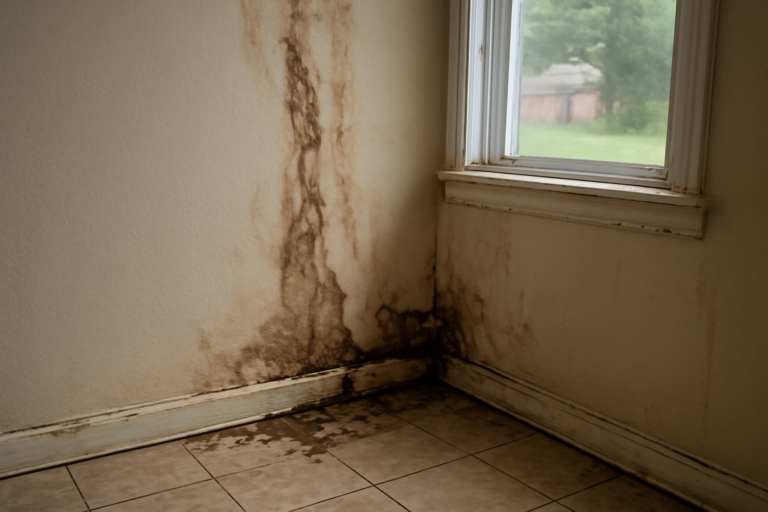
Brown or yellow water stains appearing on your ceilings or walls are a sure sign that water is penetrating your roof and attic. The longer this goes unaddressed, the more damage it can cause to drywall, insulation, and framing. Addressing leaks promptly prevents mold and rot.
Sagging Roof Decking
A roof deck that appears to be sagging or drooping indicates a structural weakness, often caused by water saturation. This is a serious issue that requires immediate attention to prevent collapse. Reinforcing the structure is critical.
Debris on the Roof After a Storm
Large branches, fallen trees, or significant amounts of debris on your roof can cause punctures or dislodge shingles. Even if you don’t see an immediate leak, the underlying damage needs to be assessed and secured. Clearing debris safely is the first step.
Damaged or Loose Flashing
The metal flashing around chimneys, vents, and skylights is a common failure point. If this flashing is bent, rusted, or loose, it can allow water to seep into your home. Repairing flashing is essential for waterproof seals.
Cracked or Missing Underlayment
Beneath your shingles is the underlayment, a critical secondary barrier. If it’s torn or compromised, water can bypass the shingles and reach your roof deck. Protecting the underlayment is crucial.
Emergency Tarping Services vs. DIY: When To Call a Professional
| Situation | DIY? | Call a Pro? | Why |
|---|---|---|---|
| Minor Shingle Tear (1-2 shingles) | Yes (if comfortable on roof) | No | A single shingle can often be replaced with basic tools and a new shingle. |
| Large Section of Missing Shingles | No | Yes | Covering a large area requires more material, securement, and knowledge of weatherproofing. |
| Hole from a Fallen Branch | No | Yes | The hole size and roof deck damage need professional assessment and secure, waterproof repair. |
| Wind Damage Across Entire Roof Slope | No | Yes | This requires extensive tarping to cover a large, potentially unstable area safely. |
| Damage During Heavy Rain or High Winds | Absolutely Not | Yes | Working on a wet, steep, or windy roof is extremely dangerous and requires professional safety protocols. |
| You Have No Ladder or Safety Gear | No | Yes | Safety is paramount; attempting repairs without proper equipment is a recipe for disaster. |
While small, isolated shingle damage might seem like a DIY job, most emergency situations require professional intervention. Attempting significant repairs without the right experience and equipment can lead to more damage and personal injury. Trusting professionals ensures the job is done right the first time.
Emergency Tarping Services Cost In Woodstock, GA
The cost of emergency tarping services in Woodstock, GA, can vary significantly based on the size and complexity of the roof damage, the accessibility of the area, and the specific materials needed. These estimates are meant to give you a general idea; a precise quote will be provided after an on-site assessment. Understanding costs upfront helps you prepare.
| Service | Typical Price Range | What Affects Cost |
|---|---|---|
| Small Area Tarping (e.g., 10×10 ft) | $500 – $1,200 | Complexity of roof slope, number of layers of shingles, ease of access. |
| Medium Area Tarping (e.g., 20×20 ft) | $1,000 – $2,500 | Requires more material, longer installation time, and careful securement for larger coverage. |
| Large Area Tarping (e.g., full roof slope) | $2,000 – $5,000+ | Significant material usage, extensive labor, and advanced securement techniques are necessary. |
| Emergency Response Fee (After Hours/Weekend) | $150 – $400 | This covers the immediate dispatch and availability of our crews outside standard business hours. |
| Material Upgrades (Heavy-duty vinyl) | +$200 – $800+ | Premium materials may be used for extreme conditions or longer-term temporary protection. |
| Debris Removal from Roof Surface | $100 – $300 | Clearing branches or debris before tarping adds to the labor and time involved. |
These figures represent typical costs for temporary emergency tarping. For an exact price tailored to your specific situation, we offer free estimates. Getting a free estimate is the best way to know your exact cost.
Service Areas Near Woodstock, GA
Woodstock, Canton, Roswell, Marietta, Acworth, Kennesaw, Sandy Springs, Alpharetta, John’s Creek, Dunwoody, Atlanta, Norcross, Duluth, Suwanee, Buford, Cumming, Ball Ground, Holly Springs, Milton, Powder Springs
Common Questions About Emergency Tarping Services
What is the fastest way to get emergency tarping in Woodstock, GA?
The fastest way is to call our dedicated emergency line immediately. We prioritize these calls and dispatch our nearest available crew. We understand that time is critical when your roof is compromised, and our systems are designed for rapid deployment. We aim to have a technician at your property as soon as possible to assess and secure the damage.
How long does emergency tarping typically take?
For most standard residential roofs, the actual tarping process can take anywhere from 1 to 4 hours, depending on the size of the damaged area and the complexity of the roof. Our crews work efficiently to minimize disruption while ensuring the tarp is installed correctly and securely. We’ll provide you with an estimated timeline upon arrival after assessing the damage.
Will my homeowner’s insurance cover emergency tarping?
In many cases, yes. Emergency tarping is typically considered a necessary step to prevent further damage, and such mitigation costs are often covered by homeowner’s insurance policies. We can help you with the process of filing your claim and provide the necessary documentation. Working with your insurance is something we regularly assist with.
What happens if the tarp blows off or isn’t installed correctly?
If a tarp we installed fails due to installation error or extreme unexpected weather, we stand by our work. Our team will return promptly to re-secure or replace the tarp at no additional cost to you. We use professional-grade materials and securement methods designed for durability. Ensuring your satisfaction with our temporary repairs is important to us.
Can I do the tarping myself to save money?
For very minor damage, like a single loose shingle, a DIY approach might be possible if you have the right safety equipment and experience. However, for anything more significant, like holes, missing sections, or widespread wind damage, we strongly advise against it. Working on a roof, especially a damaged one, is dangerous and requires specialized knowledge and equipment to avoid slips, falls, and further property damage. Professional installation is safer and more effective for most situations.
Check Our Other Relevant Services
Serving Woodstock, GA And Nearby Areas