Trusted by 165+ Homeowners
Flash Flood Damage Cleanup in Hampton, GA
- Over 165 5-Star Reviews
- Free Estimates and Quotes
- 100% Satisfaction Guaranteed
- Child, Family & Pet Safe Steps
- 24-Hour Emergency Service
- Fully Licensed & Insured

When the Water Rises Fast: Flash Flood Damage Cleanup in Hampton, GA
You just stepped into your living room, and the water is already a few inches deep. It’s moving fast, carrying debris, and the smell of damp earth and something musty fills the air. This isn’t just a leaky pipe; it’s a sudden, overwhelming flash flood event that has turned your home into a risky environment. You need immediate, expert attention to salvage what you can and begin the drying and restoration process before mold and structural issues take hold. This is a serious situation, and the speed of response is critical for your property’s future.
Locally, homeowners trust our team when these unpredictable events occur. We’ve helped over 165 clients in your neighborhood recover from similar emergencies, and they consistently point to our rapid emergency response and thorough drying methods. When you’re facing the chaos of a flash flood, you want a team that understands the unique challenges and can bring your home back to a safe, dry state. We’ve earned a reputation for getting it done right, the first time.
- We use specialized equipment designed to extract floodwater quickly and efficiently, preventing further damage and reducing standing water.
- Our advanced drying techniques target hidden moisture within walls and subfloors, ensuring your home is dried to safe levels and preventing mold growth.
- We employ careful containment strategies to prevent the spread of contaminants and protect unaffected areas of your property during the cleanup.
How Flash Flood Damage Cleanup Actually Works
Dealing with flash flood damage requires a precise, scientific approach. It’s not just about mopping up water; it’s about understanding how moisture moves, how to measure it accurately, and how to remove it completely. When you try to tackle this yourself, you risk leaving behind hidden moisture that can lead to long-term structural damage and unhealthy mold growth. Our crews follow strict protocols, using specific tools to document the damage and create a drying plan tailored to your home’s unique situation, ensuring a thorough and effective restoration.
Water Extraction
The first crucial step is removing all standing water. We use powerful, truck-mounted water extractors and portable units to remove bulk water from floors, carpets, and even furniture. This process can take several hours, depending on the volume of water, and it’s essential for preventing further saturation of building materials. We’ll work to get your home’s surfaces as dry as possible, as quickly as possible.
Structural Drying
Once the bulk water is gone, the real challenge begins: drying the hidden moisture. We deploy industrial-grade air movers and dehumidifiers to create an optimal drying environment. These machines work continuously, pulling moisture out of the air and materials like drywall, wood, and insulation. We monitor humidity and moisture content with specialized meters to ensure we reach safe drying standards.
Deodorization and Sanitation
Floodwaters can carry unpleasant odors and contaminants. After drying, we’ll use specialized deodorizing and sanitizing agents to neutralize odors and kill mold spores or bacteria. This step is vital for restoring a healthy living environment and ensuring your home smells and feels clean again. You’ll notice a significant difference in air quality.
Content Restoration
We carefully assess salvageable items like furniture, electronics, and documents. Some items may need to be professionally cleaned and dried off-site to prevent further damage or mold. We’ll work with you to determine the best course of action for your belongings, aiming to restore as much as possible.
Don’t wait for the damage to get worse. Call us now to start the critical process of flash flood damage cleanup and get your home back on track. Your property deserves immediate professional attention.

Warning Signs You Need Flash Flood Damage Cleanup
Flash floods can leave behind subtle signs that, if ignored, can lead to much bigger problems down the road. Catching these early warning signs is key to preventing costly repairs and protecting your family’s health. It’s your home’s way of telling you something is wrong, and we’re here to help you understand what those signs mean. Being aware helps you take swift and decisive action.
Musty Odors That Won’t Go Away
A persistent, musty, or moldy smell, especially after a heavy rain or flood event, is a strong indicator of hidden moisture. This odor often signals that mold and mildew are beginning to grow behind walls, under floors, or in crawl spaces. You need to address the source of the dampness immediately.
Visible Water Stains or Discoloration
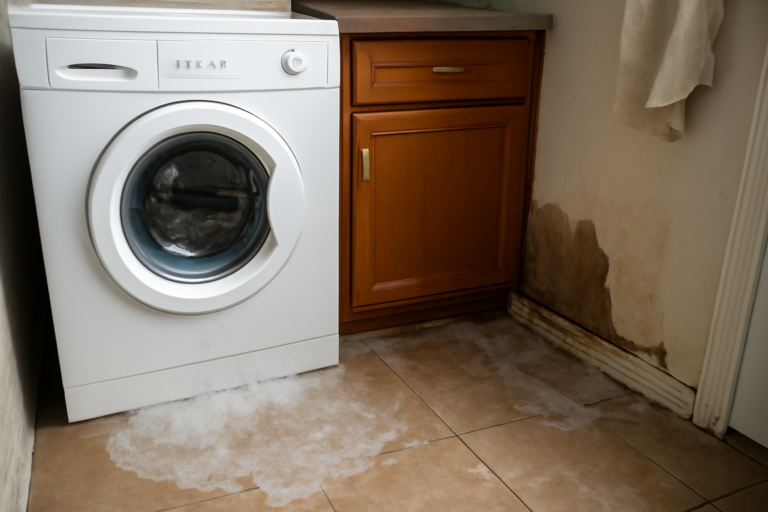
Look for dark or discolored patches on ceilings, walls, or baseboards. These stains are a clear sign that water has penetrated the building materials. The longer these stains are present, the deeper the moisture damage might be, potentially affecting the structural integrity of your home.
Warped or Sagging Walls and Ceilings
When building materials like drywall or wood become saturated, they can swell, warp, and even sag. This is a serious warning sign that indicates significant water intrusion and potential structural compromise. This type of damage requires expert assessment and repair.
Peeling or Bubbling Paint and Wallpaper
Moisture trapped behind paint or wallpaper can cause it to bubble, peel, or blister. This is not just an aesthetic issue; it indicates that the underlying material is likely damp and could be developing mold or rot. It’s a clear sign of water damage in progress.
Soft or Spongy Flooring
If your carpets feel unusually soft or spongy, or if hardwood floors are buckling or feel soft underfoot, it means the subfloor beneath them is likely saturated. This can lead to rot and structural weakness if not dried properly. You need to get this checked out right away.
Increased Humidity or Damp Air
Even if you don’t see visible water, a sudden increase in indoor humidity, or the feeling of dampness in the air, can suggest that moisture is trapped within your home’s structure. This creates an environment where mold can thrive. Controlling humidity is key to prevention.
Flash Flood Damage Cleanup vs. DIY: When To Call a Professional
| Situation | DIY? | Call a Pro? | Why |
|---|---|---|---|
| Standing Water Up to 1 inch | Yes, with caution | Yes | Even shallow water can hide contaminants and saturate materials quickly. |
| Carpet Saturation | No | Yes | Carpets and padding trap large amounts of water that are difficult to remove completely. |
| Visible Mold Growth | No | Yes | Mold can spread rapidly and poses significant health risks; professional remediation is needed. |
| Saturated Drywall or Insulation | No | Yes | These materials absorb water readily and require specialized drying equipment to prevent long-term damage. |
| Electrical Hazards Present | Absolutely Not | Yes, immediately | Water and electricity are a deadly combination; professionals can safely assess and mitigate risks. |
| Persistent Musty Odors | No | Yes | Odors usually indicate hidden moisture and mold that require professional detection and removal. |
For anything beyond a very minor spill, especially after a flash flood event, calling a professional is the safest and most effective route. You need specialized equipment and expertise to ensure your home is truly dry and healthy again. Trying to DIY extensive flood damage can often lead to more problems and higher costs later.
Flash Flood Damage Cleanup Cost In Hampton, GA
The cost of flash flood damage cleanup in Hampton, GA, varies significantly based on how much water entered your home, the size of the affected area, and the extent of the material damage. These figures are general estimates, and an on-site inspection is always necessary for an accurate quote. Factors like the need for demolition or specialized drying techniques will impact the final investment.
| Service | Typical Price Range | What Affects Cost |
|---|---|---|
| Emergency Water Extraction | $300 – $1,500 | Volume of water, accessibility, and time required. |
| Structural Drying (Air Movers/Dehumidifiers) | $800 – $3,000+ | Size of the affected space, duration of drying needed, and number of units deployed. |
| Mold Prevention and Remediation | $750 – $4,000+ | Severity of mold growth, containment needs, and treatment methods. |
| Deodorization and Sanitation | $200 – $700 | Size of the area treated and the type of treatments used. |
| Content Cleaning and Restoration | Varies widely | Number of items, type of items, and level of damage to each item. |
| Minor Demolition and Disposal | $400 – $2,000+ | Amount of material needing removal and disposal fees. |
Getting a free estimate from our team allows you to understand the specific costs for your situation. We provide clear, upfront pricing so you know exactly what to expect for your flash flood damage cleanup.
Service Areas Near Hampton, GA
Locally, we serve Hampton, GA, and the surrounding communities including, but not limited to, Lovejoy, Locust Grove, Stockbridge, McDonough, Jackson, Griffin, Morrow, Jonesboro, Forest Park, Riverdale, Fayetteville, Tyrone, Newnan, Peachtree City, Senoia, Brooks, Sharpsburg, Conley, Ellenwood, and Lithonia.
Common Questions About Flash Flood Damage Cleanup
What is the fastest way to dry out my home after a flash flood?
The fastest way involves immediate water extraction using powerful equipment, followed by aggressive structural drying with industrial dehumidifiers and air movers. Our team uses advanced moisture meters to track progress and ensure all hidden dampness is eliminated, preventing long-term mold issues. We focus on efficient drying protocols.
How long does flash flood damage cleanup typically take?
The timeline depends heavily on the extent of the flooding. Minor events might take a few days for drying, while severe flooding can require a week or more for thorough drying and initial cleanup. We work efficiently to restore your home as quickly as possible, but it’s crucial not to rush the drying process.
Is the water from a flash flood dangerous?
Yes, flash floodwater is considered contaminated. It can carry sewage, chemicals, debris, and bacteria. It’s essential to avoid direct contact and let professionals handle the cleanup to prevent exposure to harmful pathogens and ensure proper sanitation. Your safety is our top priority.
What kind of equipment do you use for flash flood cleanup?
We use a range of specialized equipment, including high-powered water extractors, commercial-grade dehumidifiers, industrial air movers, moisture meters, thermal imaging cameras, and air scrubbers. This technology allows us to remove water efficiently and dry materials thoroughly, reaching levels unattainable with standard home equipment.
How can I prevent future flash flood damage to my home?
While you can’t stop a flash flood, you can take preventative measures. Ensure your sump pump is working correctly, consider installing backflow valves, maintain your landscaping to direct water away from your foundation, and keep gutters clean. For persistent issues, consult with us about potential foundation sealing or French drain systems to bolster your defenses.
Check Our Other Relevant Services

Jerry Johns is a licensed Damage Restoration Expert with over 20 years of hands-on experience helping homeowners and businesses navigate property crises. As a trusted authority in the field, Jerry combines technical precision with a compassionate approach to disaster recovery.
𝗖𝗲𝗿𝘁𝗶𝗳𝗶𝗰𝗮𝘁𝗶𝗼𝗻𝘀: Jerry holds multiple elite IICRC certifications, including Water Damage Restoration (WRT), Applied Microbial Remediation (Mold), Applied Structural Drying (ASD), Odor Control, and Fire and Smoke Restoration.
𝗙𝗮𝘃𝗼𝗿𝗶𝘁𝗲 𝗣𝗮𝘀𝘁𝗶𝗺𝗲: When he isn’t on a job site, Jerry is an avid outdoorsman who enjoys fly fishing and restoring vintage woodworking tools.
𝗕𝗲𝘀𝘁 𝗣𝗮𝗿𝘁 𝗼𝗳 𝘁𝗵𝗲 𝗝𝗼𝗯: Jerry finds the most fulfillment in seeing the relief on a client’s face when their property is finally restored to its pre-loss condition, turning a stressful disaster into a fresh start.