Trusted by 165+ Homeowners
Flash Flood Damage Cleanup in Mountain Park, GA
- Over 165 5-Star Reviews
- Free Estimates and Quotes
- 100% Satisfaction Guaranteed
- Child, Family & Pet Safe Steps
- 24-Hour Emergency Service
- Fully Licensed & Insured

When Flash Floods Hit Mountain Park, GA: What To Do First
When a sudden downpour overwhelms drainage systems, fast action is crucial. Many homeowners in Mountain Park, GA, mistakenly believe they can wait a day or two to address standing water. However, with flash floods, every hour counts. Ignoring the immediate threat can lead to much more extensive and costly damage, including structural issues and mold growth. You need to know the difference between a minor inconvenience and a situation demanding immediate attention.
Our local crews have helped neighbors across the area recover from devastating flash floods. We’re proud that over 165 five-star reviews attest to our commitment to homeowners. When water rises unexpectedly, you want a team that understands the unique challenges of this region. We’re here to help get your property back to normal quickly and efficiently.
- Rapid Water Extraction: We deploy powerful, specialized pumps immediately to remove standing water, preventing further saturation and minimizing long-term damage.
- Structural Drying & Dehumidification: Using industrial-grade air movers and dehumidifiers, we target hidden moisture within walls and under floors to stop mold before it starts.
- Mold Prevention and Remediation: We take proactive steps to inhibit mold growth and, if necessary, safely remove any existing mold, protecting your family’s health.
How Our Flash Flood Cleanup Process Works
Flash flood damage isn’t like a leaky pipe; it’s an emergency that requires a structured, rapid response. A rushed or incomplete cleanup can leave behind unseen problems that resurface later. Our proven process is designed to tackle the unique challenges of flash flood water, ensuring your home is dried, cleaned, and restored safely. We focus on speed without sacrificing thoroughness, because we know how critical this is for your family and your property.
1. Emergency Water Removal
Once you call us, we dispatch a team equipped with high-capacity submersible pumps and truck-mounted extractors. This initial step is all about getting the bulk of the water out as fast as possible. We aim to complete this critical phase within the first few hours of arrival to prevent water from seeping deeper into your home’s structure.
2. Thorough Structural Drying
After the standing water is gone, the real work of drying begins. We bring in commercial-grade air movers and dehumidifiers, strategically placing them to create optimal airflow and pull moisture from the air and building materials. This process can take several days, depending on the extent of the saturation, and involves continuous monitoring of humidity and moisture levels.
3. Content Restoration and Cleaning
While drying your home, we also assess and clean your affected belongings. Depending on the type of water and contamination, we might use specialized cleaning agents and ultrasonic cleaners to restore salvageable items like furniture, documents, and electronics. Our goal is to save as much as possible and ensure everything is hygienically clean.
4. Odor Control and Sanitization
Floodwater often carries contaminants and leaves behind unpleasant odors. We use professional-grade deodorizers and sanitizing treatments to neutralize smells and kill bacteria, viruses, and mold spores. This step is vital for restoring a healthy living environment.
5. Reconstruction and Repair
Once drying and cleaning are complete, we address any necessary repairs. This could involve replacing damaged drywall, flooring, or insulation. We ensure all work is done to meet building codes and restore your home’s integrity and appearance, paying close attention to preventing future water intrusion.
Don’t let flash flood damage linger. Contact us immediately to start the recovery process. Your property’s safety and your family’s well-being depend on swift, professional intervention.

Warning Signs You Need Flash Flood Damage Cleanup
Flash floods can leave subtle signs that homeowners might overlook, leading to bigger problems down the line. Recognizing these indicators early is key to preventing long-term issues like mold or structural compromise. Acting on these warnings can save you significant time and money.
Musty Odors That Won’t Go Away
A persistent, unpleasant smell, especially in lower levels or basements, is a strong indicator of hidden moisture. This odor often signals the early stages of mold growth, which thrives in damp conditions. Addressing the source of dampness is your first priority.
Visible Water Stains or Discoloration
Look for dark spots or rings on walls, ceilings, or carpets. These are clear signs that water has penetrated the materials. Investigating these stains can reveal where water intrusion occurred, even if it’s no longer actively leaking.
Warped or Peeling Materials
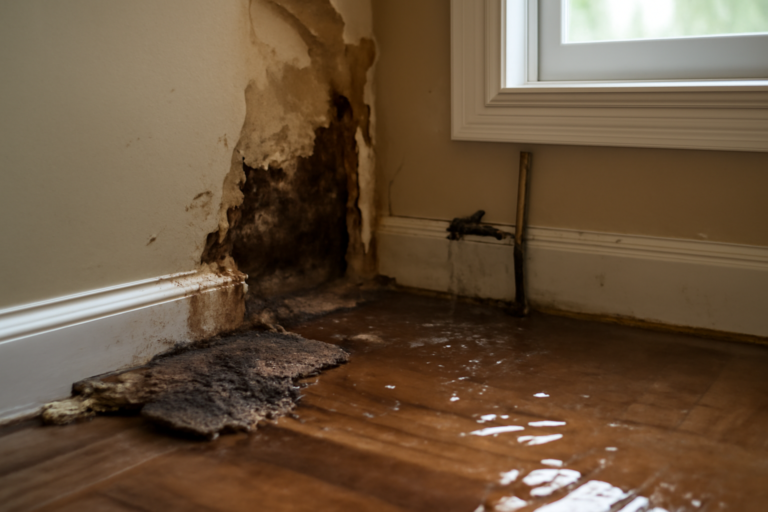
Wood trim, baseboards, or even drywall can begin to warp, bubble, or peel when exposed to prolonged moisture. This physical change shows that materials are absorbing water and losing their integrity. Prompt attention to warping prevents further degradation.
Soft or Spongy Flooring
If your carpets feel unusually soft, squishy, or are separating from the subfloor, it means water is trapped beneath. This condition is not only unpleasant but can also lead to mold growth and structural damage. Don’t ignore spongy floors; they’re a serious warning.
Changes in Wall Texture or Paint
Paint might start to blister or bubble, and drywall can feel soft or crumbly if it’s been compromised by water. These are visual cues that moisture has gotten behind the surface. Examining wall integrity is crucial after any flood event.
Electrical Issues or Flickering Lights
Water and electricity are a dangerous combination. If you notice any electrical problems, like outlets not working or lights flickering, it could be a sign of water damage affecting wiring. Prioritize electrical safety and call professionals immediately if you suspect water is involved.
Flash Flood Damage Cleanup vs. DIY: When To Call a Professional
| Situation | DIY? | Call a Pro? | Why |
|---|---|---|---|
| Standing water up to 1 inch | Yes, with caution | Maybe | If you have basic wet vacs and fans, you might manage. |
| Standing water over 1 inch | No | Yes | Standard home vacuums can’t handle this volume; risk of electrical hazard. |
| Sewage or contaminated water intrusion | Absolutely Not | Yes | This water is hazardous and requires specialized containment and cleaning. |
| Water in walls or ceilings | No | Yes | Requires professional equipment to locate, dry, and prevent mold behind surfaces. |
| After 24-48 hours of drying | No | Yes | Hidden moisture can persist, leading to mold and structural issues without professional drying. |
| Electrical damage or hazards | No | Yes | Safety is paramount; certified professionals can safely assess and repair electrical systems. |
For flash flood damage, especially when water levels are significant or contamination is suspected, professional intervention is almost always necessary. DIY efforts often fall short of the deep drying and sanitization required. Our team is equipped to handle these complex situations safely and effectively.
Flash Flood Damage Cleanup Cost In Mountain Park, GA
The cost of flash flood damage cleanup in Mountain Park, GA, can vary significantly based on the extent of the water intrusion, the size of your property, and the materials affected. These figures are estimates to give you an idea of what to expect. Accurate pricing requires an on-site assessment by our trained technicians.
| Service | Typical Price Range | What Affects Cost |
|---|---|---|
| Emergency Water Extraction | $500 – $2,500 | Volume of water, accessibility of the area, and speed of response needed. |
| Structural Drying (Equipment Rental & Monitoring) | $1,000 – $4,000 | Number of dehumidifiers and air movers required, duration of drying time. |
| Mold Inspection & Testing | $300 – $1,000 | Extent of suspected mold, number of samples taken for lab analysis. |
| Mold Remediation | $1,000 – $6,000+ | Amount of contaminated material, containment procedures, and complexity of the job. |
| Content Cleaning & Restoration | $500 – $3,000+ | Number of items affected, type of items (e.g., documents vs. furniture), and cleaning methods needed. |
| Deodorization & Sanitization | $300 – $1,500 | Size of the affected area, type of treatment used (e.g., ozone, thermal fogging). |
Remember, these are general estimates. We offer free, no-obligation estimates after a thorough inspection of your property’s damage.
Service Areas Near Mountain Park, GA
Alpharetta, Atlanta, Berkeley Lake, Chamblee, Clarkston, Dunwoody, Johns Creek, Marietta, Milton, Norcross, Roswell, Sandy Springs, Smyrna, Stone Mountain, Suwanee, Tucker, Vinings, Woodstock, Acworth, Peachtree Corners
Common Questions About Flash Flood Damage Cleanup
How quickly do I need to address flash flood damage?
You need to act as soon as it’s safe. Within 24-48 hours, mold can begin to grow, and structural materials can start to degrade. The faster we can begin water extraction and drying, the less extensive the damage will be and the lower the overall cost. Our emergency response team is available 24/7 to get started.
Will my homeowner’s insurance cover flash flood damage?
Typically, standard homeowner’s insurance policies do not cover flood damage; this usually requires a separate flood insurance policy. However, it’s essential to check your specific policy and contact your insurance provider immediately. We can help document the damage for your claim and work with your adjuster.
What are the health risks associated with flash flood water?
Flash flood water can carry a host of contaminants, including sewage, chemicals, and bacteria. Exposure can lead to skin rashes, respiratory problems, and gastrointestinal illnesses. Proper sanitization is critical to prevent these health risks. Our technicians use EPA-approved disinfectants to ensure your home is safe.
How long does the flash flood cleanup process usually take?
The timeline varies greatly depending on the severity of the flood. Water extraction might take a few hours, but structural drying can take anywhere from 3 to 10 days, sometimes longer. Full restoration, including repairs, can extend for weeks. We provide realistic timelines after assessing your property and keep you informed throughout the process.
Can I prevent flash flood damage to my home?
While you can’t prevent a flash flood itself, you can take steps to mitigate damage. Ensure your property’s grading slopes away from your foundation, keep gutters and downspouts clear, and consider sump pumps or backflow valves for basements. Regular maintenance of your property’s exterior can significantly reduce your risk.
Check Our Other Relevant Services
- Backflow Valve Installation in Mountain Park, GA
- Basement Water Damage Restoration in Mountain Park, GA

Jerry Johns is a licensed Damage Restoration Expert with over 20 years of hands-on experience helping homeowners and businesses navigate property crises. As a trusted authority in the field, Jerry combines technical precision with a compassionate approach to disaster recovery.
𝗖𝗲𝗿𝘁𝗶𝗳𝗶𝗰𝗮𝘁𝗶𝗼𝗻𝘀: Jerry holds multiple elite IICRC certifications, including Water Damage Restoration (WRT), Applied Microbial Remediation (Mold), Applied Structural Drying (ASD), Odor Control, and Fire and Smoke Restoration.
𝗙𝗮𝘃𝗼𝗿𝗶𝘁𝗲 𝗣𝗮𝘀𝘁𝗶𝗺𝗲: When he isn’t on a job site, Jerry is an avid outdoorsman who enjoys fly fishing and restoring vintage woodworking tools.
𝗕𝗲𝘀𝘁 𝗣𝗮𝗿𝘁 𝗼𝗳 𝘁𝗵𝗲 𝗝𝗼𝗯: Jerry finds the most fulfillment in seeing the relief on a client’s face when their property is finally restored to its pre-loss condition, turning a stressful disaster into a fresh start.