Trusted by 165+ Homeowners
Flood Damage Restoration in Mountain Park, GA
- Over 165 5-Star Reviews
- Free Estimates and Quotes
- 100% Satisfaction Guaranteed
- Child, Family & Pet Safe Steps
- 24-Hour Emergency Service
- Fully Licensed & Insured

When Water Takes Over: Flood Damage Restoration in Mountain Park, GA
Around here, we know that sudden, heavy downpours can turn into a real headache for homeowners. We’ve seen how quickly those beautiful Georgia skies can deliver a deluge, leading to water backing up into homes, especially in lower-lying areas or properties with drainage issues. Dealing with flood damage means more than just mopping up. It requires immediate, expert attention to prevent long-term structural problems and ensure your home is safe and healthy again. It’s a stressful situation, and you need a team that understands the urgency.
That’s why so many of your neighbors trust us when water damage happens. We’ve earned over 165 five-star reviews by consistently providing reliable and thorough flood damage restoration services. When your property is affected, you want a team that’s not just nearby, but deeply familiar with the specific challenges we face in the area. We focus on getting your home back to normal, minimizing disruption and restoring your sense of security.
- We tackle the hidden moisture that can lead to mold and rot, ensuring your home’s structure remains sound long after the visible water is gone.
- Our specialized drying equipment works faster and more effectively than anything you’d find at a rental store, drastically reducing drying times and preventing secondary damage.
- We handle the entire process, from initial water extraction to complete drying and odor removal, so you don’t have to manage multiple contractors.
How Flood Damage Restoration Actually Works
When floodwaters breach your home, the clock starts ticking. What looks like a simple cleanup can quickly turn into a complex restoration project if not handled correctly from the start. We follow a proven, systematic approach because we know that cutting corners on flood damage restoration can lead to serious, expensive issues down the road, like mold growth and compromised building materials. You need a plan that addresses immediate water removal and prevents future problems.
Water Extraction and Removal
This is the critical first step. Our crews use powerful, truck-mounted extraction units to remove standing water as quickly as possible. We’re talking about gallons per minute, not buckets. This process is essential for stopping further damage and setting the stage for effective drying. It can take several hours, depending on the volume of water.
Structural Drying and Dehumidification
Once the bulk of the water is out, we bring in specialized equipment. High-velocity air movers and industrial-grade dehumidifiers work together to pull moisture out of the air and building materials. Our goal is to bring your home’s humidity levels back to normal and ensure deep drying of all affected areas, including subfloors and wall cavities. This stage can last several days, sometimes longer, based on the extent of saturation.
Content Cleaning and Restoration
We carefully assess your belongings. Some items might be salvageable with specialized cleaning and restoration, while others may need to be discarded. We clean and dry furniture, carpets, and personal items using professional techniques to restore them safely. This often involves off-site cleaning for valuable or heavily damaged items.
Odor Control
Floodwater often carries unpleasant odors from the environment it flowed through. We use professional-grade deodorizing treatments and air scrubbers to eliminate these smells, not just mask them. Our aim is to leave your home smelling fresh and clean, free from lingering mustiness. This is part of our commitment to making your home feel like home again.
Mold Prevention and Remediation
Mold can start to grow within 24-48 hours in damp conditions. We take proactive steps to prevent mold growth during the drying process. If mold has already begun to form, we have the expertise and equipment to safely remediate it, ensuring a healthy living environment. Preventing mold growth is a top priority.
Don’t wait for secondary problems to arise. Contact us now to get your flood damage under control and start the restoration process. We’re ready to help restore your property quickly.

Warning Signs You Need Flood Damage Restoration
Catching flood damage early can save you a lot of headaches and money. Sometimes the signs aren’t obvious, but knowing what to look for can make a big difference in preventing more serious issues. Keep an eye out for these indicators that water may have caused damage to your property.
Musty Odors That Won’t Go Away
A persistent, damp, or musty smell is often the first sign of hidden moisture. If you notice this in specific rooms or areas, it’s a strong indication that water is present and potentially causing problems behind walls or under floors. Addressing the smell is key.
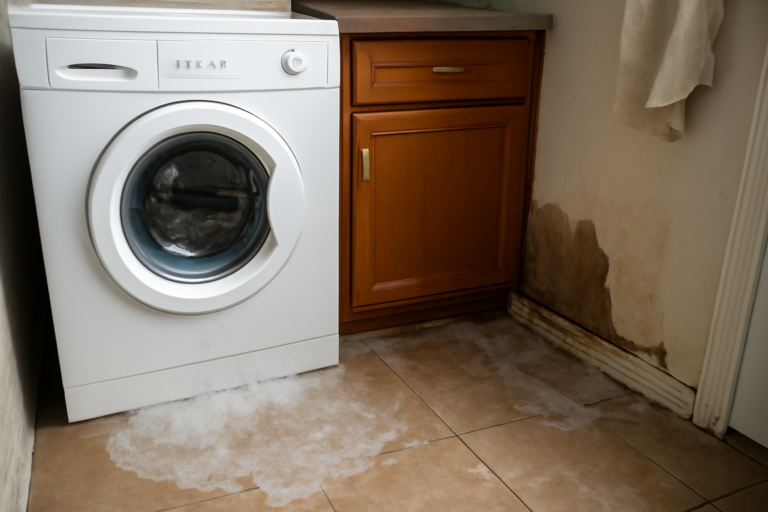
Visible Water Stains or Discoloration
Look for watermarks on ceilings, walls, or floors. These stains show where water has penetrated materials, weakening them and creating an environment for mold. Investigating the source of these stains is crucial.
Peeling or Bubbling Paint and Wallpaper
Moisture trapped behind paint or wallpaper can cause it to blister or peel away from the surface. This is a clear sign that the underlying material is saturated and needs to be addressed. Repairing this damage requires drying the wall first.
Warped or Sagging Floors and Ceilings
Excessive moisture can cause wood floors to buckle and ceilings to sag. This indicates significant water saturation and potential structural compromise. Checking for warping is a vital inspection step.
Soft or Spongy Drywall
If the drywall in your home feels soft or spongy to the touch, it has likely absorbed a significant amount of water. This compromised material can lead to further structural issues and mold growth. Testing drywall for softness is important.
New Mold or Mildew Growth
Any visible signs of mold or mildew, especially in areas that have been damp, mean you need professional help immediately. Mold can spread quickly and pose health risks. Removing mold safely is our specialty.
Flood Damage Restoration vs. DIY: When To Call a Professional
| Situation | DIY? | Call a Pro? | Why |
|---|---|---|---|
| A few inches of clean water in a small area after a pipe burst. | Yes, with caution. | Maybe. | You can likely handle extraction and drying, but professional monitoring ensures it’s done correctly. |
| Sewer backup or contaminated water in your home. | Absolutely Not. | Yes, Immediately. | Contaminated water poses serious health risks and requires specialized containment and cleaning. |
| Water seeping into your basement from heavy rain. | Maybe. | Yes. | Basement water can saturate concrete and subfloors, requiring powerful drying equipment to prevent long-term issues. |
| Floodwater from outside, even if it looks clean. | No. | Yes, Immediately. | External floodwater can contain contaminants and saturates materials deeply, needing professional drying. |
| Visible mold growth after water damage. | No. | Yes, Immediately. | Mold remediation requires containment and specific procedures to avoid spreading spores. |
| Water damage affecting electrical systems or structural components. | Absolutely Not. | Yes, Immediately. | Safety is paramount; professionals have the expertise to handle water near electrical hazards and assess structural integrity. |
While some minor water issues might seem manageable, the reality of flood damage is that it often goes deeper than what you can see. For anything beyond a very small, clean water incident, calling a professional is usually the smartest choice to ensure complete and safe restoration.
Flood Damage Restoration Cost In Mountain Park, GA
The cost for flood damage restoration in Mountain Park, GA, can vary significantly. Factors like the amount of water present, the size of the affected area, and the type of materials damaged all play a role. These figures are estimates, and a professional assessment is always needed for an accurate quote.
| Service | Typical Price Range | What Affects Cost |
|---|---|---|
| Water Extraction | $500 – $3,000 | Volume of water and size of the area. |
| Structural Drying & Dehumidification | $1,500 – $7,000 | Duration of drying needed and equipment required. |
| Content Cleaning & Restoration | $500 – $5,000+ | Number of items affected and complexity of cleaning. |
| Odor Control Treatments | $300 – $1,500 | Severity of odors and size of the space. |
| Mold Prevention/Remediation (if needed) | $1,000 – $10,000+ | Extent of mold growth and containment needs. |
| Debris Removal & Disposal | $200 – $1,000 | Volume and type of damaged materials removed. |
The best way to get a clear understanding of costs is to have our team perform an on-site evaluation. We offer free, no-obligation estimates for flood damage restoration.
Service Areas Near Mountain Park, GA
Alpharetta, Atlanta, Berkeley Lake, Chamblee, Clarkston, College Park, Conyers, Decatur, Doraville, Duluth, Dunwoody, East Point, Hapeville, Johns Creek, Lilburn, Lithonia, Marietta, Norcross, Roswell, Sandy Springs, Smyrna, Stone Mountain, Suwanee, Tucker, Vinings.
Common Questions About Flood Damage Restoration
How quickly do I need flood damage restoration?
You need it as soon as possible. The longer water sits, the more damage it causes and the higher the risk of mold growth. Our team is available to respond promptly to emergencies and begin the extraction and drying process immediately to minimize damage.
Will my insurance cover flood damage restoration in Mountain Park, GA?
Typically, standard homeowner’s insurance covers water damage from sudden, internal sources like pipe bursts. However, flood damage from external sources (like heavy rain or overflowing rivers) often requires separate flood insurance. We can help you document the damage for your insurance claim, but it’s best to check your specific policy.
How long does the flood damage restoration process take?
The timeline varies greatly depending on the severity of the flooding. Basic water extraction and drying might take a few days, while extensive saturation and structural drying could take weeks. We focus on efficient drying methods to speed up the process without compromising quality.
What are the health risks associated with flood damage?
Floodwater can contain bacteria, sewage, and other contaminants, posing significant health risks. Additionally, hidden moisture promotes mold growth, which can cause respiratory problems and allergic reactions. Ensuring a healthy environment is a critical part of our restoration work.
Can I just dry my home myself after a flood?
For very minor, clean water incidents, some homeowners attempt DIY drying. However, flood damage usually saturates building materials deeply and can introduce contaminants. Our professional equipment and expertise are crucial for thoroughly drying structures and preventing long-term issues like mold and rot.
Check Our Other Relevant Services

Jerry Johns is a licensed Damage Restoration Expert with over 20 years of hands-on experience helping homeowners and businesses navigate property crises. As a trusted authority in the field, Jerry combines technical precision with a compassionate approach to disaster recovery.
𝗖𝗲𝗿𝘁𝗶𝗳𝗶𝗰𝗮𝘁𝗶𝗼𝗻𝘀: Jerry holds multiple elite IICRC certifications, including Water Damage Restoration (WRT), Applied Microbial Remediation (Mold), Applied Structural Drying (ASD), Odor Control, and Fire and Smoke Restoration.
𝗙𝗮𝘃𝗼𝗿𝗶𝘁𝗲 𝗣𝗮𝘀𝘁𝗶𝗺𝗲: When he isn’t on a job site, Jerry is an avid outdoorsman who enjoys fly fishing and restoring vintage woodworking tools.
𝗕𝗲𝘀𝘁 𝗣𝗮𝗿𝘁 𝗼𝗳 𝘁𝗵𝗲 𝗝𝗼𝗯: Jerry finds the most fulfillment in seeing the relief on a client’s face when their property is finally restored to its pre-loss condition, turning a stressful disaster into a fresh start.