Trusted by 165+ Homeowners
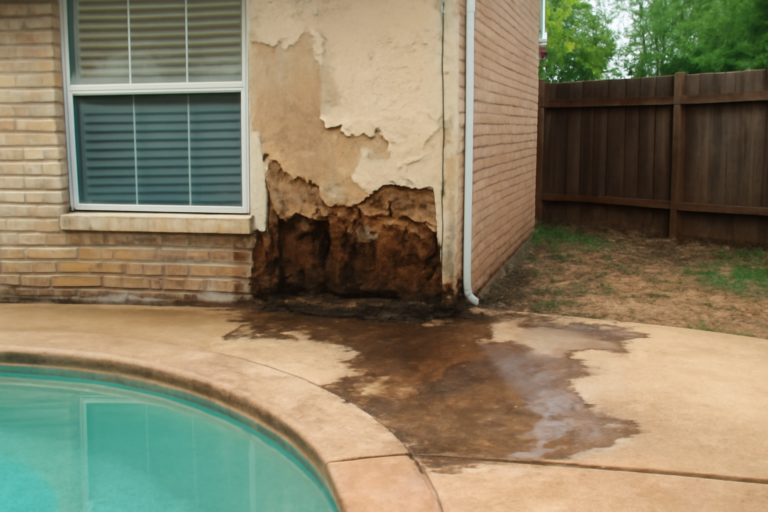
Hail Damage Water Intrusion in Lawrenceville, GA
- Over 165 5-Star Reviews
- Free Estimates and Quotes
- 100% Satisfaction Guaranteed
- Child, Family & Pet Safe Steps
- 24-Hour Emergency Service
- Fully Licensed & Insured

When Lawrenceville, GA Skies Turn Nasty: Tackling Hail Damage Water Intrusion
Here around Lawrenceville, GA, we know that summer thunderstorms can pack a punch. Sometimes, those golf-ball-sized hailstones don’t just dent your car; they can do some serious damage to your roof, creating tiny entry points for water. If you’ve noticed unexpected damp spots on your ceiling or walls after a storm, it’s likely hail damage leading to water intrusion. Ignoring these signs can quickly turn a minor issue into a major headache, so it’s important to know what to look for and when to call for help.
Homeowners in your neighborhood have trusted our team for over 165 five-star reviews, and it’s because we tackle hail damage water intrusion with a focused approach. We understand the specific challenges our local climate presents, and we’re dedicated to providing clear, honest assessments and effective repairs. You can count on us to get your property back to normal, handling everything from the initial inspection to the final drying and restoration.
- We focus on the specific pathways water takes after hail strikes, ensuring no hidden moisture is left behind to cause mold or structural issues.
- Our team uses specialized equipment to pinpoint the exact source of the leak and measure moisture levels throughout your home, giving you a complete picture.
- We help you navigate the complexities of dealing with hail damage, aiming to restore your property efficiently and prevent future problems.
How We Handle Hail Damage Water Intrusion
When hail impacts your roof, it can create small cracks or dislodge shingles, allowing rainwater to seep into your attic and eventually your living spaces. A proper response isn’t just about mopping up water; it’s about a methodical process to identify all affected areas, remove saturated materials, and thoroughly dry everything out to prevent secondary damage like mold growth. Cutting corners here can lead to long-term structural problems and costly repairs down the line, so we always follow a detailed protocol.
Initial Inspection and Assessment
Our first step is a thorough inspection. We’ll carefully examine your roof for hail impacts, check attic insulation for wet spots, and use advanced moisture meters to detect water hidden within walls and ceilings. This detailed assessment helps us understand the full extent of the water intrusion problem.
Water Extraction
Once we’ve identified all wet areas, we begin extracting standing water. We use powerful, truck-mounted water extractors to remove as much moisture as possible from carpets, floors, and other surfaces. This is a crucial step in minimizing damage and starting the drying process.
Structural Drying
This is where we get serious about drying your home. We strategically place industrial-grade air movers and dehumidifiers to circulate air and remove moisture from the structure. Our goal is to bring your home’s humidity levels back to normal, safe conditions as quickly as possible.
Mold Prevention and Remediation
With water intrusion, mold is always a risk. We take proactive steps to prevent mold growth by thoroughly drying all affected materials and using antimicrobial treatments if necessary. If mold has already started, our certified technicians will safely remove it, ensuring your home is healthy again.
Reconstruction and Repair
After everything is dry, we’ll handle any necessary repairs. This might include replacing damaged drywall, repainting, or even minor roofing repairs if the hail damage was significant. We aim to restore your home to its original condition, making the damage virtually disappear.
Don’t let hail damage linger and cause more trouble. Contact us right away to get a professional assessment and start the restoration process. We’re here to help you protect your investment.

Warning Signs of Hail Damage Water Intrusion
Catching water damage early can save you a lot of money and hassle. Keep an eye out for these common signs that hail might have compromised your roof and allowed water to enter your home. Acting fast prevents bigger, more expensive issues.
Interior Water Stains
The most obvious sign is often discolored or damp spots on your ceilings or walls. These can look like yellow or brown rings and indicate that water has penetrated through your roof and insulation. Don’t ignore these visual cues of trouble.
Musty Odors
A persistent, damp, or musty smell in your home, especially in the attic or on upper floors, is a strong indicator of hidden moisture. This smell often means mold or mildew is starting to grow behind your walls. It’s a clear sign of a problem.
Peeling or Bubbling Paint/Wallpaper
Water migrating behind your drywall can cause paint to bubble or peel away from the surface. Wallpaper might also start to lift or show signs of moisture damage. This is a physical manifestation of water at work.
Sagging Ceilings
If you notice your ceiling starting to sag, it’s a serious sign. This means a significant amount of water has accumulated above the drywall, putting structural integrity at risk. A sagging ceiling demands immediate professional attention.
Granules in Gutters or Downspouts
Hail can knock off the protective granules from asphalt shingles. If you find a lot of these granules in your gutters or at the base of your downspouts after a storm, it’s a sign your shingles are taking a beating. This indicates potential roof vulnerability.
Increased Humidity Levels
If your home feels unusually humid or damp, especially after rainy or stormy weather, it could be due to hidden water intrusion. This can make your living environment uncomfortable and promote mold growth. Pay attention to your home’s overall feel.
Hail Damage Water Intrusion vs. DIY: When To Call a Professional
| Situation | DIY? | Call a Pro? | Why |
|---|---|---|---|
| Spotting a small, fresh water spot on a ceiling after a storm. | Yes, if it’s very minor and you can confirm the source is easily accessible. | Yes, especially if you suspect hail damage or the spot is growing. | DIY might miss hidden moisture or the true source, leading to bigger issues. |
| Finding wet insulation in your attic. | No, this is usually too extensive and potentially hazardous. | Yes, absolutely. | Attic water damage can spread quickly and affect your home’s structure and air quality. |
| Detecting a musty smell in a room. | No, the source is likely hidden behind walls. | Yes, to locate and address the hidden moisture. | DIY can’t find hidden mold or water sources effectively. |
| Seeing paint bubble or drywall sag. | No, this indicates significant water saturation. | Yes, this requires immediate professional intervention. | These are signs of compromised structural materials that need expert handling. |
| Minor surface water on a hard floor that dries quickly. | Yes, if you can clean it up and dry the area thoroughly within 24-48 hours. | Yes, if you’re unsure about the extent or if it recurs. | Even minor water can lead to subfloor damage or mold if not managed properly. |
| Your roof has visible hail damage (dents, missing shingles). | No, roof repair is a specialized skill. | Yes, to assess and repair roof damage before water intrusion worsens. | Roofing requires safety equipment and expertise; improper repairs can void warranties. |
While minor, superficial dampness might be something you can address yourself, hail damage that leads to water intrusion into your attic, walls, or ceilings almost always requires professional attention. Our team has the tools and training to find and fix the problem completely, ensuring your home stays healthy and structurally sound.
Hail Damage Water Intrusion Cost In Lawrenceville, GA
The cost for addressing hail damage water intrusion in Lawrenceville, GA, can vary widely. Factors like the severity of the hail, the size of the affected area, the type of materials damaged, and how quickly the issue is addressed all play a role. These price ranges are estimates and a full assessment is needed for an accurate quote.
| Service Aspect | Typical Price Range | What Affects Cost |
|---|---|---|
| Initial Inspection and Moisture Mapping | $300 – $800 | Size of property, complexity of the intrusion, and advanced equipment used. |
| Water Extraction | $500 – $2,500 | Amount of water to be removed and the types of surfaces affected (e.g., carpet vs. hardwood). |
| Structural Drying (Equipment Rental & Setup) | $750 – $3,000+ | Duration of drying needed, number of air movers and dehumidifiers required, and square footage. |
| Antimicrobial Treatments | $200 – $700 | Size of the area treated and the specific products used for prevention. |
| Mold Remediation (if necessary) | $1,000 – $7,000+ | Severity and spread of mold, containment procedures, and removal of contaminated materials. |
| Minor Reconstruction (Drywall Repair, Painting) | $500 – $3,000 | Amount of material damage and the complexity of the repairs needed. |
The final cost is always determined after a thorough on-site inspection. We offer free estimates so you know exactly what to expect before any work begins.
Service Areas Near Lawrenceville, GA
Snellville, Lilburn, Norcross, Duluth, Suwanee, Buford, Johns Creek, Alpharetta, Tucker, Chamblee, Doraville, Sandy Springs, Atlanta, Decatur, Stone Mountain, Conyers, Covington, Stockbridge, Riverdale, Forest Park
Common Questions About Hail Damage Water Intrusion
My insurance company said the hail damage isn’t bad enough to warrant a full roof replacement. Could there still be water intrusion?
Yes, absolutely. Even minor hail impacts can create small cracks or lift shingles just enough for water to get in over time, especially during heavy rains. Our team specializes in identifying these subtle entry points and assessing the resulting water damage inside your home, even when the roof damage itself isn’t immediately obvious.
How quickly do I need to address hail damage water intrusion?
You need to act fast. The longer water sits within your home’s structure, the more damage it causes. Within 24-48 hours, mold can begin to grow, and structural materials like drywall and wood can weaken significantly. Prompt attention is key to minimizing repair costs and preventing health hazards.
What are the health risks associated with hail damage water intrusion if left untreated?
The primary health risk comes from mold and mildew growth, which thrive in damp environments. Inhaling mold spores can trigger allergies, asthma attacks, and other respiratory problems. It’s crucial to address any water intrusion to maintain healthy indoor air quality.
How do you dry out a house after water intrusion from hail damage?
We use a systematic drying process involving specialized equipment like high-powered air movers and industrial dehumidifiers. These work together to remove moisture from the air and materials, accelerating the drying time and preventing secondary damage. Our goal is to get your home back to pre-loss moisture levels.
Can I do anything to prevent hail damage water intrusion on my roof?
While you can’t prevent hail itself, you can take steps to maintain your roof’s integrity. Regular roof inspections, especially after severe storms, can help catch damage early. Ensuring your gutters are clear also helps water drain properly away from your home. For any suspect damage, a professional inspection is the best preventative measure.
Check Our Other Relevant Services
Serving Lawrenceville, GA And Nearby Areas