Trusted by 165+ Homeowners
Heavy Rain Water Damage Restoration in Johns Creek, GA
- Over 165 5-Star Reviews
- Free Estimates and Quotes
- 100% Satisfaction Guaranteed
- Child, Family & Pet Safe Steps
- 24-Hour Emergency Service
- Fully Licensed & Insured

When Heavy Rains Leave Your Johns Creek Home Soaked
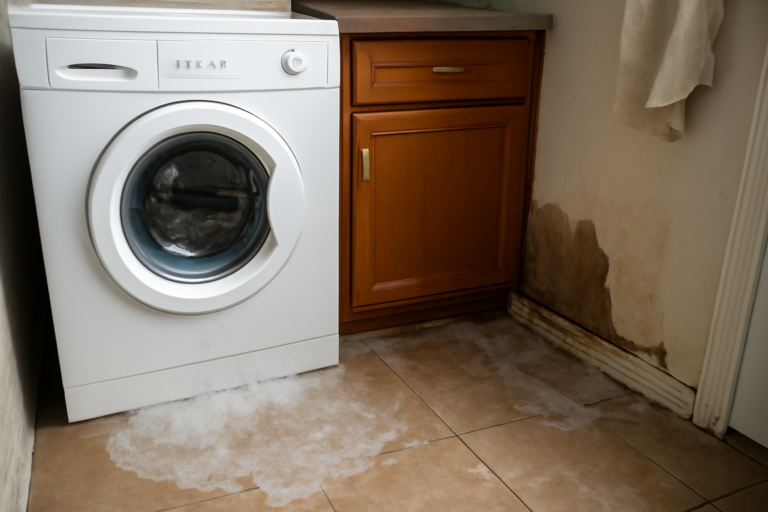
You’re walking through your home and notice it – that damp, musty smell after a serious downpour, or worse, visible water seeping from the ceiling or pooling on your floors. Heavy rain water damage can happen fast, turning your familiar living space into a source of worry. It’s not just about the standing water; it’s about the hidden moisture that can cause structural issues and mold growth if not addressed immediately. You need a team that understands the unique challenges of dealing with extensive water intrusion from severe weather.
We’ve helped hundreds of homeowners in your neighborhood tackle these very issues. Our 165+ five-star reviews speak to our commitment to getting your home dry and safe again, quickly and effectively. When your property has suffered significant water damage from heavy rainfall, you want a local, experienced team you can trust to handle the entire restoration process with precision and care. We focus on getting to the root of the problem and restoring your home.
- We use advanced moisture detection equipment to find every pocket of hidden water, ensuring a complete and thorough drying process that prevents future mold growth.
- Our technicians are trained in advanced water mitigation techniques specifically for large-scale water intrusion, meaning we can handle even the most challenging situations caused by prolonged heavy rain.
- We prioritize containment and airflow management to quickly reduce humidity levels and create a healthy indoor environment, getting your family back to normal sooner.
The Science Behind Drying Your Home After Heavy Rains
Tackling heavy rain water damage isn’t just about mopping up. It’s a precise, science-based process that requires specialized knowledge and equipment. Simply removing visible water leaves behind microscopic moisture that can lead to serious problems down the line, including structural decay and unhealthy mold. Our team follows strict protocols to ensure your home is not just dry, but truly restored. We understand the urgency and the technical demands of this type of restoration.
Step 1: Immediate Water Extraction
Our first priority is removing as much standing water as possible, as quickly as possible. We use powerful, truck-mounted or portable extraction units designed for high-volume water removal. This initial step is critical for minimizing damage and preventing further absorption into your building materials. It’s about stopping the damage in its tracks.
Step 2: Advanced Moisture Detection
Once the bulk of the water is gone, we deploy specialized tools like infrared cameras and penetrating moisture meters. These devices help us identify hidden moisture within walls, under floors, and in ceilings. Pinpointing all wet areas is essential for a complete restoration and preventing future issues. We leave no stone unturned.
Step 3: Controlled Drying and Dehumidification
This is where the real work of drying begins. We strategically place industrial-grade air movers and dehumidifiers to accelerate evaporation and remove moisture from the air. Controlling humidity levels is key to preventing mold and ensuring materials dry properly. Our equipment works around the clock to dry your home effectively.
Step 4: Containment and Air Quality Management
During the drying process, we often use containment barriers to prevent moist air from spreading to unaffected areas of your home. We also utilize air scrubbers with HEPA filters to remove airborne particles and improve indoor air quality. Ensuring healthy air is a vital part of the restoration. Your family’s well-being is our top concern.
Step 5: Restoration and Rebuilding
Once your home is thoroughly dried and tested, our team begins the necessary repairs. This might involve replacing damaged drywall, flooring, insulation, or other structural components. We aim to restore your home to its pre-loss condition, ensuring it’s safe and sound. Bringing your home back to life is our ultimate goal.
Don’t let heavy rain damage linger and cause more problems. Call us now for immediate assistance and professional water damage restoration. We’re ready to help you reclaim your home today.

The Subtle and Not-So-Subtle Signs of Heavy Rain Water Damage
Catching water damage early is crucial. The longer moisture sits in your home, the more damage it can cause and the more expensive repairs will become. Paying attention to the warning signs after a significant rain event can save you a lot of headaches and money. You might not see a flood, but subtle indicators can tell you there’s a problem brewing. Early detection saves.
Musty Odors That Won’t Go Away
A persistent damp or mildew smell, especially in basements, crawl spaces, or even upper floors after heavy rain, is a strong indicator of hidden moisture. Odor is a warning sign. It means mold or mildew may already be starting to grow.
Visible Water Stains or Discoloration
Look for brown or yellowish stains on ceilings, walls, or around window frames. These marks often appear where water has penetrated building materials. Stains mean moisture. They show water has found a way in and is lingering.
Peeling or Bubbling Paint and Wallpaper
Moisture trapped behind finishes can cause paint to blister and wallpaper to peel away from the wall. This is a clear sign that the material beneath is saturated. Damaged finishes signal trouble. They indicate water is compromising your home’s structure.
Sagging Ceilings or Walls
If you notice sections of your ceiling appearing to droop or walls bowing inward, it could be due to water saturation weakening the structural integrity. Structural changes are serious. They require immediate professional assessment.
Increased Humidity and Dampness
Even without visible leaks, a sudden increase in indoor humidity, condensation on windows, or a generally damp feeling in the air can point to water intrusion. High humidity is a problem. It creates an environment for mold to thrive.
Soft or Warped Flooring
Wood floors might warp or buckle, and carpet can feel spongy and damp underfoot after prolonged exposure to moisture. Warped floors need attention. They’re a direct result of water saturation.
Heavy Rain Water Damage Restoration vs. DIY: When To Call a Professional
| Situation | DIY? | Call a Pro? | Why |
|---|---|---|---|
| Small, isolated wet spot on a hard surface floor after a brief shower. | Yes | No | Easy to clean and dry with towels and fans. |
| Water seeping through a known crack in a foundation wall during heavy rain. | No | Yes | Foundation cracks require professional assessment and repair to prevent recurring issues. |
| Ceiling plaster visibly sagging or dripping water after a severe storm. | No | Yes | Structural integrity is at risk; requires immediate expert intervention. |
| Musty odor in a room following prolonged heavy rain, with no visible source. | No | Yes | Hidden moisture and potential mold growth require specialized detection and drying equipment. |
| Water pooling on a finished basement floor after an extended downpour. | Maybe | Yes | Large volumes of water can damage subflooring and base materials; professional extraction is more effective. |
| Minor dampness on an exterior wall after a single heavy rain event. | Yes | No | Monitor closely, but initial dampness can often be managed with thorough drying. |
While minor dampness from a single rain shower might be manageable with basic cleanup, significant water intrusion from prolonged heavy rain events demands professional attention. Professional intervention is vital when structural integrity, hidden moisture, or potential mold growth are concerns. Don’t risk further damage by attempting complex drying or structural repairs yourself.
Heavy Rain Water Damage Restoration Cost In Johns Creek, GA
The cost of heavy rain water damage restoration in Johns Creek, GA, can vary widely. Factors like the extent of the water damage, the size of the affected area, and the type of materials impacted all play a role. These are general estimates and not a guarantee of final cost. Accurate pricing requires assessment.
| Service | Typical Price Range | What Affects Cost |
|---|---|---|
| Water Extraction (per affected area) | $500 – $2,000 | Volume of water, size of the room, and accessibility. |
| Structural Drying (per affected area) | $1,000 – $5,000 | Size of the space, complexity of drying (e.g., inside walls), and duration needed. |
| Moisture Detection & Assessment | $200 – $750 | Technology used (e.g., infrared, meters) and the thoroughness of the inspection. |
| Dehumidification & Air Movers | $300 – $1,500 per week | Number of units required and the length of time needed for complete drying. |
| Containment & Air Scrubbing | $400 – $2,000 | Size of the contained area and the duration of air purification. |
| Minor Material Replacement (e.g., drywall patch) | $500 – $2,500 | Square footage of material, complexity of the repair, and finishing work required. |
These figures provide a general idea, but a precise estimate depends on a thorough on-site inspection of your specific situation. Get a free estimate today by contacting our team directly. We’ll assess the damage and provide a clear breakdown of costs.
Service Areas Near Johns Creek, GA
Alpharetta, Berkeley Lake, Buford, Cumming, Duluth, Dunwoody, East Cobb, Hamilton Mill, Holly Springs, Johns Creek, Lawrenceville, Lilburn, Milton, Norcross, Peachtree Corners, Roswell, Sandy Springs, Suwanee, Tucker, and West Cobb.
Common Questions About Heavy Rain Water Damage Restoration
Q3: How quickly do I need to address heavy rain water damage?
You need to act fast. Within 24-48 hours, mold can begin to grow, and structural materials can start to degrade. Immediate action is critical to prevent secondary damage. Our team is available around the clock to respond to your emergency and begin the drying process.
Q4: Will my homeowner’s insurance cover heavy rain water damage?
Typically, standard homeowner’s insurance policies cover damage from sudden and accidental events like heavy rain, provided it’s not related to a flood (which requires separate flood insurance). Check your policy details. We work with insurance companies to help streamline the claims process for you and ensure your restoration is covered.
Q5: How long does the drying process usually take after heavy rain?
The drying process can vary significantly, but often takes anywhere from 3 to 10 days, sometimes longer for severe saturation. Factors include the amount of water, the types of materials affected, and ambient humidity. Thorough drying takes time. We use advanced monitoring to ensure your property is completely dry before we finish.
Q6: What are the health risks associated with water damage from heavy rain?
The main health risk comes from mold and bacteria that can thrive in damp environments. Exposure can lead to respiratory problems, allergies, and other health issues. Protect your family’s health. Our restoration process includes measures to prevent mold growth and ensure safe indoor air quality.
Q7: What kind of equipment do you use for heavy rain water damage restoration?
We utilize a range of professional-grade equipment, including high-speed water extractors, industrial dehumidifiers, powerful air movers, infrared cameras, and moisture meters. Specialized equipment is essential for effective drying and damage assessment. This technology allows us to dry your home faster and more thoroughly than standard fans and vacuums.
Check Our Other Relevant Services

Jerry Johns is a licensed Damage Restoration Expert with over 20 years of hands-on experience helping homeowners and businesses navigate property crises. As a trusted authority in the field, Jerry combines technical precision with a compassionate approach to disaster recovery.
𝗖𝗲𝗿𝘁𝗶𝗳𝗶𝗰𝗮𝘁𝗶𝗼𝗻𝘀: Jerry holds multiple elite IICRC certifications, including Water Damage Restoration (WRT), Applied Microbial Remediation (Mold), Applied Structural Drying (ASD), Odor Control, and Fire and Smoke Restoration.
𝗙𝗮𝘃𝗼𝗿𝗶𝘁𝗲 𝗣𝗮𝘀𝘁𝗶𝗺𝗲: When he isn’t on a job site, Jerry is an avid outdoorsman who enjoys fly fishing and restoring vintage woodworking tools.
𝗕𝗲𝘀𝘁 𝗣𝗮𝗿𝘁 𝗼𝗳 𝘁𝗵𝗲 𝗝𝗼𝗯: Jerry finds the most fulfillment in seeing the relief on a client’s face when their property is finally restored to its pre-loss condition, turning a stressful disaster into a fresh start.