Trusted by 165+ Homeowners
Heavy Rain Water Damage Restoration in Oakwood, GA
- Over 165 5-Star Reviews
- Free Estimates and Quotes
- 100% Satisfaction Guaranteed
- Child, Family & Pet Safe Steps
- 24-Hour Emergency Service
- Fully Licensed & Insured

When Heavy Rains Turn Your Home Into a Water Hazard in Oakwood, GA
You walk into your living room, and the smell hits you first. A damp, earthy odor that wasn’t there yesterday. Then you see it: water seeping from under the baseboards, a dark, spreading stain on the ceiling, or maybe even a small pool forming on your floor. Heavy rain has found its way inside, and it’s causing immediate damage to your property. This isn’t just a little leak; it’s a serious situation that requires fast, expert attention to prevent further harm to your home’s structure and your belongings. You need to act now to stop the damage before it gets worse.
Locally, homeowners trust our team when the weather turns severe and their homes are threatened by water. With over 165 five-star reviews, you can see why people in your neighborhood turn to us for urgent water removal and restoration after intense storms. We understand the specific challenges that heavy rainfall can bring to homes around here, and we’re equipped to handle it effectively. Your neighbors know we provide reliable, skilled service when they need it most.
- We use advanced moisture meters and thermal imaging to pinpoint hidden water pockets that could lead to mold growth, ensuring a truly dry structure.
- Our specialized drying equipment, including high-powered air movers and dehumidifiers, works to remove moisture quickly and efficiently, often reducing drying times significantly.
- We focus on restoring your home’s air quality and preventing long-term structural issues, giving you back a safe and healthy environment.
How We Tackle Heavy Rain Water Damage
Dealing with water intrusion from heavy rain requires a methodical and technical approach. It’s not just about mopping up the visible water; it’s about understanding how the water moved, where it’s hiding, and how to eliminate it completely. Cutting corners can lead to persistent dampness, mold, and a weakened home structure. Our crews follow strict protocols to ensure your property is dried, cleaned, and restored to its pre-loss condition, always prioritizing thorough moisture extraction and structural integrity.
Emergency Water Extraction
The very first step is to remove all standing water. We use powerful truck-mounted or portable water extraction units to quickly remove the bulk of the water from floors, carpets, and subfloors. This process is crucial for preventing water from spreading further and causing more damage. Rapid water removal is key to minimizing structural compromise and secondary issues like mold.
Advanced Structural Drying
Once the visible water is gone, the real work of drying begins. We deploy industrial-grade air movers and dehumidifiers strategically throughout your home. These machines create airflow and pull moisture from the air and building materials, like drywall and wood. We monitor humidity and temperature levels closely, using specialized equipment to ensure effective moisture evaporation and proper drying protocols are met.
Containment Procedures
During the drying process, especially if mold is suspected or to prevent cross-contamination, we may establish containment zones. Using barriers like plastic sheeting and negative air pressure, we isolate affected areas. This ensures that airborne moisture and potential mold spores stay contained, protecting unaffected parts of your home. Proper containment is vital for health and safety.
Deodorizing and Sanitizing
Water damage, especially from heavy rain, can leave behind unpleasant odors and potentially introduce contaminants. We use professional-grade deodorizers and sanitizing agents to eliminate musty smells and kill bacteria or mold spores that may have developed. This step is essential for restoring a clean and healthy living space.
Monitoring and Moisture Testing
Our job isn’t done until your home is verifiably dry. We use advanced moisture meters and hygrometers to take readings in various materials and at different depths. We continue to monitor the drying process until all materials reach acceptable moisture content levels, ensuring complete structural drying and preventing future problems.
Don’t wait for water damage to worsen. Call us immediately to get our trained crews on site and start the restoration process. Swift action is your best defense against extensive property damage.

Warning Signs You Need Heavy Rain Water Damage Restoration
Catching the signs of water damage early can save you a significant amount of money and prevent long-term problems like mold growth and structural weakening. Many issues caused by heavy rain aren’t immediately obvious. Pay close attention to subtle changes in your home; they could be telling you that water has found its way in and needs immediate attention. Early detection is crucial for a faster, more complete restoration.
Musty Odors That Won’t Go Away
A persistent damp, mildewy, or earthy smell, especially in basements, crawl spaces, or rooms with exterior walls, is a strong indicator of hidden moisture. This odor often means mold is starting to grow behind walls or under floors. Investigate strange smells immediately as they signal a serious problem.
Visible Water Stains or Discoloration
Look for water marks on ceilings, walls, or around windows and doors. These can appear as yellow, brown, or even dark patches that grow over time. Discoloration means water has saturated the material, and if left unaddressed, it can lead to rot and structural damage. Watch for spreading stains; they’re a clear sign of water intrusion.
Peeling or Bubbling Paint and Wallpaper
When water gets behind your finishes, it can cause paint to blister or peel away from the surface, and wallpaper to loosen or bubble. This happens because the moisture weakens the adhesive and the integrity of the material itself. Check for compromised finishes; they indicate water damage is present.
Warped or Sagging Ceilings and Walls
Heavy rain can saturate drywall and ceiling materials, causing them to warp, sag, or even buckle. This is a serious sign that the structural integrity of these components is being compromised. If you notice any sagging, it means significant water has been absorbed. Address sagging materials promptly to prevent collapse.
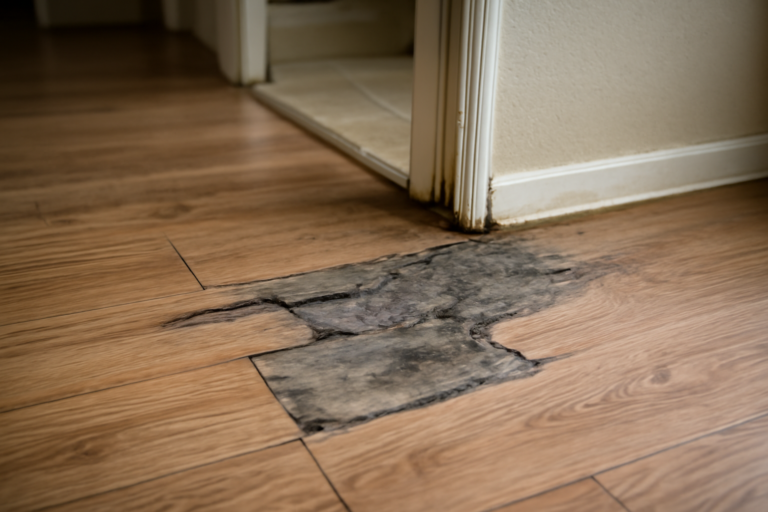
Soft or Spongy Flooring
Your carpets or wood floors might feel unusually soft, spongy, or even make squishing noises when you walk on them. This indicates that the subfloor beneath is saturated with water. This condition can lead to mold growth and permanent damage to your flooring. Test your floors for unusual softness.
Increased Humidity Indoors
If your home feels unusually humid, clammy, or sticky, even when your air conditioning is running, it could be a sign of excess moisture. Water damage introduces a lot of extra moisture into the air. Monitor indoor humidity; high levels are a warning sign.
Heavy Rain Water Damage Restoration vs. DIY: When To Call a Professional
| Situation | DIY? | Call a Pro? | Why |
|---|---|---|---|
| Standing water deeper than 1/2 inch | No | Yes | Large volumes of water require professional extraction equipment to prevent long-term damage. |
| Water seeping from the ceiling | No | Yes | Ceiling water indicates potential roof or plumbing issues above, requiring expert assessment and repair. |
| Suspected mold growth (musty smell, visible patches) | No | Yes | Mold can be a serious health hazard and requires specialized containment and removal techniques. |
| Waterlogged carpets and padding | Maybe (small area, clean water) | Yes | Professional drying and potential replacement are often needed to prevent mold and structural rot. |
| Water affecting electrical outlets or appliances | Absolutely Not | Yes | Electrical hazards are extremely dangerous; professional assessment and mitigation are essential for safety. |
| Water damage in walls or insulation | No | Yes | Hidden moisture in walls can cause severe structural damage and mold if not properly dried and assessed. |
While you can handle minor spills with towels, heavy rainwater intrusion into your home’s structure is a different story. For anything beyond a very small, clean water incident, calling professionals is the safest and most effective route. Professional intervention ensures all moisture is removed and potential hazards are addressed.
Heavy Rain Water Damage Restoration Cost In Oakwood, GA
The cost of restoring heavy rain water damage in Oakwood, GA, can vary significantly based on the extent of the water intrusion, the size of the affected area, and the materials damaged. These figures are general estimates, and a precise quote requires an on-site inspection. Accurate pricing depends on the specific conditions of your property.
| Service | Typical Price Range | What Affects Cost |
|---|---|---|
| Emergency Water Extraction | $500 – $2,500 | Volume of water, size of affected area, and accessibility. |
| Structural Drying (Equipment Rental & Monitoring) | $1,000 – $4,000 | Duration of drying, number of units deployed, and size of the space. |
| Dehumidification and Air Filtration | $750 – $3,000 | Length of time equipment is needed and the number of air scrubbers used. |
| Deodorizing and Sanitizing | $300 – $1,500 | Severity of odors and the type of sanitizing agents required. |
| Moisture Testing and Assessment | $200 – $800 | Complexity of the damage and the technology used for assessment. |
| Minor Material Removal (e.g., baseboards) | $400 – $1,200 | Amount of material needing removal and reinstallation complexity. |
These ranges are meant to give you an idea of what to expect. For a definitive cost, we offer free, no-obligation estimates after a thorough on-site assessment of your water damage. Get a precise estimate today.
Service Areas Near Oakwood, GA
Flowery Branch, Gainesville, Oakwood, Braselton, Buford, Hoschton, Lula, Talmo, Clermont, Maysville, Commerce, Pendergrass, Jefferson, Winder, Auburn, Dacula, Suwanee, Sugar Hill, Cumming, John’s Creek.
Common Questions About Heavy Rain Water Damage Restoration
What should I do immediately after noticing heavy rain water damage?
First, prioritize safety. If there’s standing water near electrical sources, turn off the power at the main breaker if it’s safe to do so. If possible, remove as much standing water as you can using buckets or a wet/dry vacuum, and try to ventilate the area by opening windows and doors if weather permits. Document the damage with photos or videos for your insurance. Then, call us immediately; our team can begin the extraction and drying process.
How long does it take to dry out a home after heavy rain?
The drying process can take anywhere from a few days to a couple of weeks, depending on the severity of the water damage, the types of materials affected, and the humidity levels. We use specialized equipment like high-speed air movers and industrial dehumidifiers to speed up evaporation. Our goal is to bring your home back to normal humidity levels as quickly and efficiently as possible, ensuring complete structural drying.
Is heavy rain water damage a health risk?
Yes, it can be. Standing water can quickly become a breeding ground for bacteria and mold, which can cause respiratory problems and allergic reactions. If the rainwater entered through the ground, it could also carry contaminants. We use professional-grade sanitizing agents and air scrubbers to eliminate these risks and restore a healthy indoor environment for your family.
Will my homeowner’s insurance cover heavy rain water damage?
Typically, standard homeowner’s insurance policies cover damage caused by sudden and accidental water events like heavy rain overwhelming your roof or foundation. However, coverage can vary, and policies often exclude damage from gradual leaks or lack of maintenance. It’s best to check your specific policy or contact your insurance provider. We’re experienced in working with insurance companies and can help with the claim documentation process.
How can I prevent heavy rain water damage in the future?
Regular maintenance is key. Ensure your gutters and downspouts are clear and directing water away from your foundation. Check your roof for damage and consider installing sump pumps in basements or crawl spaces. Proper grading around your home can also help divert water. For ongoing concerns, our team can assess your property and provide recommendations for preventative measures.
Check Our Other Relevant Services

Jerry Johns is a licensed Damage Restoration Expert with over 20 years of hands-on experience helping homeowners and businesses navigate property crises. As a trusted authority in the field, Jerry combines technical precision with a compassionate approach to disaster recovery.
𝗖𝗲𝗿𝘁𝗶𝗳𝗶𝗰𝗮𝘁𝗶𝗼𝗻𝘀: Jerry holds multiple elite IICRC certifications, including Water Damage Restoration (WRT), Applied Microbial Remediation (Mold), Applied Structural Drying (ASD), Odor Control, and Fire and Smoke Restoration.
𝗙𝗮𝘃𝗼𝗿𝗶𝘁𝗲 𝗣𝗮𝘀𝘁𝗶𝗺𝗲: When he isn’t on a job site, Jerry is an avid outdoorsman who enjoys fly fishing and restoring vintage woodworking tools.
𝗕𝗲𝘀𝘁 𝗣𝗮𝗿𝘁 𝗼𝗳 𝘁𝗵𝗲 𝗝𝗼𝗯: Jerry finds the most fulfillment in seeing the relief on a client’s face when their property is finally restored to its pre-loss condition, turning a stressful disaster into a fresh start.