Trusted by 165+ Homeowners
Hurricane Damage Restoration in Lilburn, GA
- Over 165 5-Star Reviews
- Free Estimates and Quotes
- 100% Satisfaction Guaranteed
- Child, Family & Pet Safe Steps
- 24-Hour Emergency Service
- Fully Licensed & Insured

When the Winds Howl: Expert Hurricane Damage Restoration in Lilburn, GA
That moment after the storm passes, when you step outside or walk through your home and see the devastation. Water pooling where it shouldn’t be, debris scattered everywhere, maybe even structural damage you didn’t expect. It’s a gut-wrenching sight, and you know you need help fast to begin the recovery. Dealing with the aftermath of strong winds and heavy rain requires a specialized approach to ensure your property is truly restored and safe. We understand the urgency you’re feeling right now to assess the full extent of the damage.
You’re not alone in this. Over 165 five-star reviews from homeowners just like you tell the story of why our local team is trusted to handle hurricane damage. We don’t just clean up; we meticulously restore your home, focusing on the specific challenges that hurricane-force weather leaves behind. For rapid response and thorough, scientific drying, neighbors around here rely on our proven methods.
- We use advanced moisture detection tools to pinpoint every hidden water source, ensuring no dampness is left behind to cause future mold growth or structural weakening.
- Our containment strategies prevent further spread of water damage and potential contaminants, protecting your indoor air quality and the unaffected parts of your home.
- We work directly with your insurance company, streamlining the claims process so you can focus on getting your family settled back in without added stress.
How Hurricane Damage Restoration Really Works
Hurricane damage isn’t just about visible water. It’s about invasive moisture that travels deep into building materials, posing a hidden threat. Our process is designed around the science of drying and structural integrity, not just surface-level fixes. Cutting corners here can lead to long-term problems like mold, rot, and compromised structural support, costing you far more down the line. That’s why our technicians follow strict, IICRC-certified protocols for effective moisture removal and structural stabilization.
Initial Assessment and Safety
The first step is always a detailed inspection to identify all affected areas and assess safety hazards. We’ll check for electrical risks, structural instability, and potential for secondary damage like mold. This initial assessment is crucial for planning the entire restoration project and ensuring the safety of your family and our crews. We use specialized safety gear and hazard detection equipment.
Water Extraction
Once it’s safe, we immediately begin removing standing water using powerful, truck-mounted extraction units. These machines can remove thousands of gallons of water quickly, significantly reducing drying times and preventing further saturation of your home’s structure. The goal is to get as much water out as possible, as fast as possible, to minimize long-term impact.
Controlled Drying and Dehumidification
This is where the science really comes into play. We deploy industrial-grade air movers and dehumidifiers to create an optimal drying environment. These machines work together to accelerate evaporation and remove moisture from the air and materials. We monitor humidity and moisture content closely with advanced moisture meters and thermal imaging cameras to ensure materials dry evenly and completely.
Structural Drying and Material Removal
Sometimes, materials like drywall, insulation, or flooring have absorbed too much moisture to be salvaged. We’ll carefully remove these damaged items following strict containment procedures to prevent cross-contamination. Then, we focus on drying out the structural components of your home, ensuring that the framework is solid and ready for rebuilding. Our technicians are trained in identifying salvageable materials.
Rebuilding and Restoration
After the drying process is complete and all moisture levels are back to normal, our rebuilding team steps in. We’ll repair or replace damaged structures, drywall, flooring, and finishes to bring your home back to its pre-storm condition. We take pride in restoring not just your home, but its original beauty and functionality. This final phase ensures your home is fully functional and safe.
Don’t wait for secondary damage to set in. Call us today to start the professional hurricane damage restoration process on your property. We’re ready to respond quickly and effectively to restore your home.

Warning Signs You Need Hurricane Damage Restoration
After a hurricane or severe storm, it’s easy to focus only on the obvious damage. But subtle signs can indicate deeper problems that, if left untreated, can lead to costly repairs and health issues. Catching these warning signs early is key to a successful and complete restoration of your home. Our local crews are trained to spot these indicators that you might miss.
Musty Odors That Won’t Go Away
A persistent musty or earthy smell, especially after a storm, is a strong indicator of hidden moisture and potential mold growth. This odor often means water has seeped into walls, under floors, or into attics, creating an environment for mold to thrive. Ignoring this can lead to significant health concerns and extensive structural damage.
Visible Water Stains or Discoloration
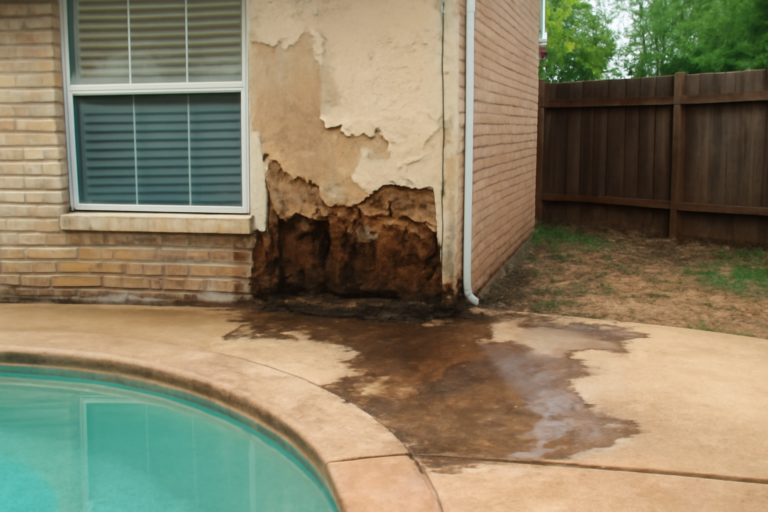
Look for new or expanding water stains on ceilings, walls, or floors. These marks are a clear sign that water has penetrated the surface and is likely causing damage to the materials underneath. Even small stains can grow, so it’s important to address them immediately to prevent water saturation.
Peeling or Bubbling Paint/Wallpaper
When moisture gets behind paint or wallpaper, it can cause it to bubble up or peel away from the surface. This is a visual cue that the underlying material is saturated and potentially weakening. It’s a sign of water intrusion that needs prompt professional attention.
Sagging Ceilings or Warped Walls
Structural integrity is paramount. If you notice ceilings beginning to sag or walls appearing to warp or bulge, it means the internal structure is likely compromised by water saturation. This is a serious sign that requires immediate assessment and repair by experienced professionals to ensure building safety.
Increased Humidity or Dampness
Even if you don’t see standing water, a noticeable increase in indoor humidity or a general feeling of dampness throughout your home can signal a problem. This pervasive moisture can lead to mold growth and material degradation over time. We use hygrometers to measure and manage humidity levels.
Soft or Spongy Flooring
Walk across your floors, especially carpets or wood. If you feel soft spots, sponginess, or hear squishing sounds, water has likely saturated the subfloor. This requires immediate attention to prevent further damage and potential collapse of the flooring system. It’s a clear indicator of deep moisture penetration.
Hurricane Damage Restoration vs. DIY: When To Call a Professional
| Situation | DIY? | Call a Pro? | Why |
|---|---|---|---|
| Minor surface water on hard floors (tile, concrete) | Yes, with caution | Maybe | If water is extensive or seeps under baseboards, professional extraction is needed. |
| Standing water deeper than a quarter inch | No | Yes | DIY equipment can’t handle the volume; professional extractors are needed to prevent subfloor damage. |
| Water saturation in drywall or insulation | No | Yes | These materials hold significant moisture and require specialized drying equipment to prevent mold and structural compromise. |
| Musty odors or visible mold growth | No | Yes | Mold remediation requires containment, specialized cleaning agents, and air filtration to protect health. |
| Structural damage (sagging ceilings, warped walls) | No | Yes | Structural integrity is a safety concern requiring expert assessment and repair. |
| Dealing with insurance claims | No | Yes | Professionals have the documentation and expertise to navigate insurance processes effectively. |
While small, isolated water spots might be manageable with careful DIY efforts, hurricane damage often involves complex water intrusion and potential structural compromise. For significant water damage, hidden moisture, or any signs of mold, calling our team is the safest and most effective way to ensure a complete restoration. We have the specialized equipment and expertise to handle the job right.
Hurricane Damage Restoration Cost In Lilburn, GA
The cost of hurricane damage restoration in Lilburn, GA, can vary significantly. Factors like the severity of the storm, the total square footage affected, the type of materials damaged, and the complexity of the required drying and rebuilding all play a role. These estimates provide a general idea, but an on-site assessment is always necessary for an accurate quote.
| Service | Typical Price Range | What Affects Cost |
|---|---|---|
| Water Extraction & Structural Drying | $1,500 – $10,000+ | Amount of water, size of affected area, and drying time needed. |
| Mold Remediation (if secondary growth occurs) | $1,000 – $6,000+ | Extent of mold, type of surfaces affected, and containment needs. |
| Drywall & Insulation Replacement | $500 – $2,000 per room | Square footage, type of drywall, and accessibility. |
| Flooring Replacement (Carpet, Tile, Wood) | $500 – $5,000+ per room | Type of flooring, square footage, and subfloor condition. |
| Debris Removal & Site Cleanup | $300 – $1,500+ | Volume of debris and complexity of removal. |
| Rebuilding & Structural Repairs | Varies Greatly | Severity of damage to framing, roofing, and other structural elements. |
Accurate pricing requires a professional assessment of your specific situation. We offer free, no-obligation estimates to help you understand the scope of work and costs involved. Contact us today for a detailed on-site evaluation.
Service Areas Near Lilburn, GA
Tucker, Stone Mountain, Norcross, Snellville, Chamblee, Doraville, Lilburn, Atlanta, Lawrenceville, Duluth, Suwanee, Buford, Johns Creek, Decatur, Sandy Springs, Alpharetta, Marietta, Kennesaw, Roswell, Dunwoody
Common Questions About Hurricane Damage Restoration
What’s the first thing I should do after hurricane damage?
Your immediate priority is safety. Avoid entering damaged areas if there’s a risk of structural collapse or electrical hazards. If it’s safe to do so, take photos of the damage for your insurance claim. Then, contact our team immediately for a professional assessment and to begin the critical drying process. We can guide you through the next steps to protect your property.
How long does hurricane damage restoration take?
The timeline varies greatly depending on the extent of the damage. Basic water extraction and drying might take a few days to a week. However, if there’s significant structural damage, mold growth, or widespread saturation, the entire restoration process, including rebuilding, could take several weeks or even months. We work efficiently to restore your home as quickly as possible.
Is hurricane damage restoration covered by insurance?
Generally, standard homeowners insurance policies cover damage caused by wind and rain from a hurricane. However, coverage details can differ, and flood damage might require a separate flood insurance policy. We have extensive experience working with insurance adjusters and can help document the damage to support your claim. We’ll assist in navigating this complex process.
What kind of equipment do you use for hurricane damage restoration?
We utilize professional-grade equipment designed for large-scale water damage. This includes powerful truck-mounted water extractors, industrial dehumidifiers, high-velocity air movers, moisture meters, thermal imaging cameras, and air scrubbers for air purification. This specialized equipment allows us to dry your property much faster and more effectively than standard household fans or vacuums, ensuring thorough moisture removal.
How can I prevent mold after hurricane damage?
The best prevention is prompt and complete drying. Our technicians focus on rapidly removing water and drying out all affected materials to eliminate the moisture mold needs to grow. We also use air scrubbers with HEPA filters to capture mold spores from the air during the drying process. Early intervention is crucial for preventing mold development.
Check Our Other Relevant Services

Jerry Johns is a licensed Damage Restoration Expert with over 20 years of hands-on experience helping homeowners and businesses navigate property crises. As a trusted authority in the field, Jerry combines technical precision with a compassionate approach to disaster recovery.
𝗖𝗲𝗿𝘁𝗶𝗳𝗶𝗰𝗮𝘁𝗶𝗼𝗻𝘀: Jerry holds multiple elite IICRC certifications, including Water Damage Restoration (WRT), Applied Microbial Remediation (Mold), Applied Structural Drying (ASD), Odor Control, and Fire and Smoke Restoration.
𝗙𝗮𝘃𝗼𝗿𝗶𝘁𝗲 𝗣𝗮𝘀𝘁𝗶𝗺𝗲: When he isn’t on a job site, Jerry is an avid outdoorsman who enjoys fly fishing and restoring vintage woodworking tools.
𝗕𝗲𝘀𝘁 𝗣𝗮𝗿𝘁 𝗼𝗳 𝘁𝗵𝗲 𝗝𝗼𝗯: Jerry finds the most fulfillment in seeing the relief on a client’s face when their property is finally restored to its pre-loss condition, turning a stressful disaster into a fresh start.