Trusted by 165+ Homeowners
HVAC Water Damage Restoration in Peachtree City, GA
- Over 165 5-Star Reviews
- Free Estimates and Quotes
- 100% Satisfaction Guaranteed
- Child, Family & Pet Safe Steps
- 24-Hour Emergency Service
- Fully Licensed & Insured

When Your Air Conditioner Becomes a Water Hazard in Peachtree City, GA
Here in Peachtree City, GA, we know how summer humidity can feel like a constant presence. That heavy, damp air often means your air conditioner works overtime. Sometimes, that hard work leads to unexpected water issues, like clogged drain lines or frozen coils that can turn into a real mess. It’s not just about a little drip; it’s about protecting your home from hidden moisture that can cause serious damage. Preventing water damage starts with understanding how your HVAC system can sometimes cause it, and knowing who to call when it happens. Protecting your property is our main goal.
When you’re dealing with water leaking from your AC unit, you want a team that understands the specific challenges this presents. We’ve helped over 165 local families, earning their trust through clear communication and effective repairs. Homeowners choose us because we focus on getting your HVAC system back to normal and, more importantly, drying out any affected areas thoroughly. This ensures you don’t end up with bigger problems down the road, like mold growth. We’re dedicated to restoring your comfort and your home’s integrity.
- We pinpoint the exact source of the HVAC water leak, whether it’s a frozen evaporator coil, a clogged condensate line, or a cracked drip pan, to stop the problem at its root.
- Our team uses specialized drying equipment, like powerful air movers and dehumidifiers, to quickly remove moisture from carpets, drywall, and insulation that your HVAC system may have saturated.
- We conduct thorough inspections for mold growth, which can start within 24-48 hours after water intrusion, and take immediate steps to prevent or remediate any developing issues.
Our Step-by-Step Approach to HVAC Water Damage
Dealing with water from your air conditioner can feel overwhelming, but our process is designed to be straightforward and effective. We know that a quick response is crucial, but so is a methodical approach. Simply drying the surface isn’t enough; we need to get to the hidden moisture that can linger in your home’s structure. Cutting corners here can lead to persistent musty smells and potential mold problems later on. Our thorough drying process ensures all moisture is removed. We aim for long-term prevention of further issues.
Initial Assessment and Water Source Identification
Our first step is always to assess the situation and identify exactly where the water is coming from. Is it a simple clog, or is there a more significant issue with your unit? We’ll inspect the AC unit itself, the surrounding area, and any visible water damage. This usually takes about 30-60 minutes, depending on the complexity.
Water Extraction and Removal
Once we locate the source, we’ll remove any standing water. We use specialized pumps and extraction tools to get as much water out as possible. This is a critical step for minimizing saturation and preventing further damage. We can typically complete this phase within a few hours.
Drying and Dehumidification
This is where our advanced equipment comes into play. We set up industrial-grade air movers and dehumidifiers to draw moisture out of the air and materials like wood, drywall, and insulation. This process can take anywhere from a few days to a week, depending on the extent of the water damage and the materials involved. We constantly monitor moisture levels to ensure effective drying.
Mold Prevention and Inspection
Because mold can start growing quickly in damp conditions, we conduct a thorough inspection for any signs of mold. If necessary, we’ll treat affected areas to prevent mold growth and ensure a healthy environment for your family. This usually happens concurrently with the drying process.
Reconstruction and Restoration
After everything is dry and mold-free, we’ll address any necessary repairs. This might include replacing damaged drywall, insulation, or flooring. Our goal is to return your home to its pre-loss condition. The timeline for this phase varies greatly depending on the scope of repairs needed.
Don’t let a leaky AC unit cause lasting problems. Contact us immediately if you suspect HVAC water damage. We’re here to help you restore your home quickly and efficiently.

Catching Those Sneaky HVAC Water Leaks Early
It’s always better to spot a problem before it becomes a major headache. Catching early signs of HVAC water damage can save you significant money and hassle. Your air conditioner might be trying to tell you something’s wrong, and we want you to know what to listen for. Early detection saves money and prevents serious structural issues. Paying attention to these signs means you can protect your investment.
Musty Odors That Won’t Go Away
This is often the first sign that moisture is trapped somewhere it shouldn’t be. That persistent damp, earthy smell, especially near your AC unit or vents, could indicate a hidden leak and potential mold growth. Address strange smells promptly.
Visible Water Stains or Puddles
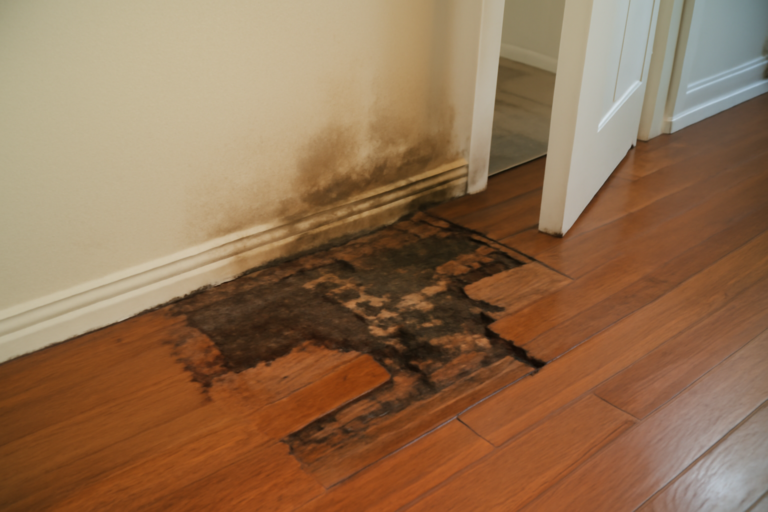
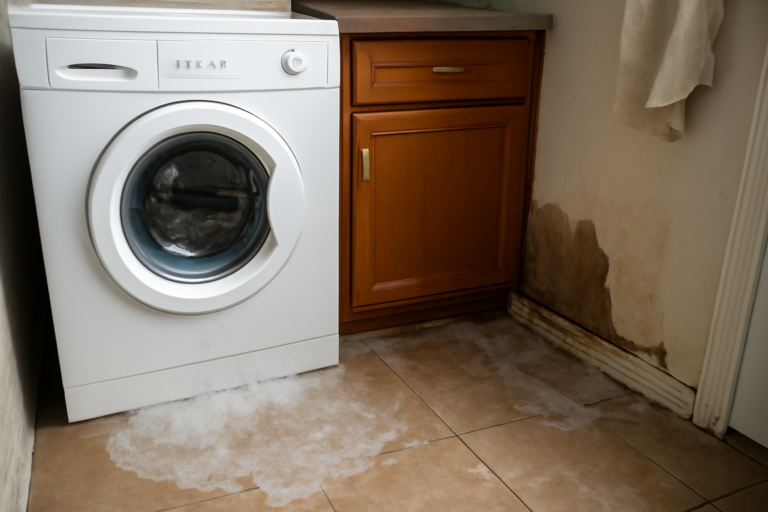
Any puddles on the floor around your indoor air handler or water stains on ceilings or walls near vents are clear indicators of a problem. Don’t assume it’s just condensation; it could be a sign of a serious issue. Note any water spots immediately.
Reduced Airflow or Uneven Cooling
A clogged condensate line can affect your system’s ability to dehumidify and cool properly. If you notice your AC isn’t blowing as strongly as it used to or some rooms are warmer than others, it might be related to a water backup. Check your air vents regularly.
Ice Buildup on Your AC Unit
If you see ice forming on the refrigerant lines or the evaporator coil of your indoor unit, it’s a strong sign that airflow is restricted, often due to a clogged drain line or a malfunctioning fan. This can lead to water leaks when the ice melts. Inspect your unit for ice.
The AC Unit Cycling Off Unexpectedly
Modern HVAC systems have safety shut-offs. If your unit keeps turning off by itself, it might be due to a full drain pan or a safety float switch that has activated because of a blockage. This is your system telling you it needs attention. Monitor your AC’s performance.
Rust or Corrosion on the Unit
Persistent moisture around metal components of your HVAC system can lead to rust and corrosion. If you see signs of rust, especially around the drain pan or the base of the unit, it suggests a long-term moisture problem. Look for signs of rust.
HVAC Water Damage Restoration vs. DIY: When To Call a Professional
| Situation | DIY? | Call a Pro? | Why |
|---|---|---|---|
| Small drip from condensate line | Yes, if you’re comfortable with basic plumbing. | Yes, if the drip is persistent or causing minor damage. | DIY is fine for a quick fix, but professionals ensure the root cause is addressed. |
| Standing water around the unit | No. | Yes, absolutely. | Standing water poses electrical hazards and requires specialized equipment for thorough drying. |
| Musty odor and no visible water | No. | Yes, definitely. | This often indicates hidden moisture and potential mold growth that needs professional assessment and remediation. |
| Water stains on ceiling/walls | No. | Yes, immediately. | This can point to leaks in ductwork or the unit itself, potentially affecting structural integrity. |
| Frozen evaporator coil with water | No. | Yes. | Requires expert diagnosis to fix the airflow or refrigerant issue causing the freeze and then managing the meltwater. |
| Damage to insulation or drywall | No. | Yes, for proper drying and repair. | Improper drying of porous materials can lead to mold and structural weakness. |
For HVAC water damage, especially if there’s standing water, mold concerns, or damage to building materials, calling a professional is almost always the smartest choice. Our team has the training and equipment to handle these situations safely and effectively, ensuring your home is properly dried and protected. Trust the experts for thorough restoration. We aim for complete water removal.
HVAC Water Damage Restoration Cost In Peachtree City, GA
The cost for HVAC water damage restoration in Peachtree City, GA, can vary quite a bit. Factors like how much water was released, how long it sat, the size of the affected area, and what materials got wet all play a role. These prices are just estimates to give you an idea. Accurate pricing requires an assessment. We want to be transparent about potential costs.
| Service | Typical Price Range | What Affects Cost |
|---|---|---|
| Water Damage Assessment & Inspection | $200 – $600 | Complexity of the leak, extent of visible damage, and need for specialized tools like moisture meters. |
| Water Extraction (Small Area) | $500 – $1,500 | Volume of water, accessibility, and time required to remove all standing water. |
| Drying & Dehumidification | $700 – $3,000+ | Size of the affected space, type of materials (e.g., hardwood vs. carpet), and duration needed for complete drying. |
| Mold Inspection & Prevention Treatment | $300 – $1,000 | Size of the area inspected, type of treatment needed, and whether air samples are required. |
| Minor Structural Repairs (e.g., drywall patch) | $400 – $1,200 | Square footage of material needing replacement, complexity of the repair, and finishing work required. |
| Full System Cleanup & Sanitization | $300 – $800 | The scope of the contamination and the types of cleaning agents and sanitizers needed. |
Getting a precise quote is easy. We offer free estimates for HVAC water damage issues, allowing us to provide an accurate assessment and a clear plan for restoration. Schedule your free estimate today. We’re ready to help you restore your home.
Service Areas Near Peachtree City, GA
Tyrone, Fayetteville, Brooks, Sharpsburg, Palmetto, Newnan, Senoia, East Point, College Park, Riverdale, Union City, Forest Park, Jonesboro, Hampton, Locust Grove, McDonough, Stockbridge, Jackson, Griffin, Montpelier.
Common Questions About HVAC Water Damage Restoration
What is the biggest risk from HVAC water damage?
The biggest risk is mold growth. If water from your AC unit saturates materials like drywall, insulation, or carpet, mold can begin to grow within 24-48 hours. This can lead to health issues and costly remediation. Our team quickly addresses moisture to prevent mold and performs thorough inspections to ensure your home is safe.
How long does HVAC water damage restoration take?
The timeline varies significantly based on the amount of water and the extent of saturation. Simple water extraction and drying might take a few days, while more extensive damage requiring material replacement could take a week or more. We work efficiently to restore your home as quickly as possible.
Can I just dry up the water myself if my AC leaks?
For very minor drips, you might be able to do some immediate cleanup. However, if there’s significant water or it has soaked into materials, DIY drying is often insufficient. Hidden moisture can remain, leading to mold and structural damage. Professional drying equipment is essential for complete water removal.
Is HVAC water damage covered by homeowners insurance?
Often, yes, especially if the water damage was sudden and accidental, like a burst pipe or a malfunctioning component. However, damage from gradual leaks or lack of maintenance might not be covered. It’s best to check your specific policy and contact your insurance provider. We can help document the damage for your claim.
What can I do to prevent my AC from leaking water?
Regular maintenance is key. Ensure your condensate drain line is cleared annually to prevent clogs. Keep the area around your indoor unit clean and free of debris. Check your air filter monthly and replace it when dirty to maintain proper airflow. Preventative maintenance is your best defense against leaks.
Check Our Other Relevant Services
- Crawl Space Water Damage Repair in Peachtree City, GA
- Clean Water Damage Restoration (Category 1) in Peachtree City, GA

Jerry Johns is a licensed Damage Restoration Expert with over 20 years of hands-on experience helping homeowners and businesses navigate property crises. As a trusted authority in the field, Jerry combines technical precision with a compassionate approach to disaster recovery.
𝗖𝗲𝗿𝘁𝗶𝗳𝗶𝗰𝗮𝘁𝗶𝗼𝗻𝘀: Jerry holds multiple elite IICRC certifications, including Water Damage Restoration (WRT), Applied Microbial Remediation (Mold), Applied Structural Drying (ASD), Odor Control, and Fire and Smoke Restoration.
𝗙𝗮𝘃𝗼𝗿𝗶𝘁𝗲 𝗣𝗮𝘀𝘁𝗶𝗺𝗲: When he isn’t on a job site, Jerry is an avid outdoorsman who enjoys fly fishing and restoring vintage woodworking tools.
𝗕𝗲𝘀𝘁 𝗣𝗮𝗿𝘁 𝗼𝗳 𝘁𝗵𝗲 𝗝𝗼𝗯: Jerry finds the most fulfillment in seeing the relief on a client’s face when their property is finally restored to its pre-loss condition, turning a stressful disaster into a fresh start.