Trusted by 165+ Homeowners
Insulation Water Damage Restoration in Peachtree City, GA
- Over 165 5-Star Reviews
- Free Estimates and Quotes
- 100% Satisfaction Guaranteed
- Child, Family & Pet Safe Steps
- 24-Hour Emergency Service
- Fully Licensed & Insured

When Your Insulation Gets Soaked: What to Do About Water Damage in Peachtree City, GA
One of the biggest mistakes homeowners make after a leak or flood is thinking that just drying out the visible wet spots is enough. If water has seeped into your insulation, it can hide there for weeks, growing mold and weakening your home’s structure. You need to address water-soaked insulation immediately to prevent further damage and protect your family’s health. Ignoring it can lead to much bigger, more expensive problems down the line, and it’s crucial to get it right the first time. This is where acting fast makes all the difference for your property.
Locally, homeowners trust our team because we understand the urgency of insulation water damage. We’ve helped hundreds of families in your neighborhood get back on track. Our consistent five-star reviews, over 165 of them, highlight our commitment to thoroughness and rapid response. When you’re dealing with this kind of problem, you want a team that shows up quickly and gets the job done right, without cutting corners. We’re here to make sure your home is truly dry and safe again.
- Prevent Mold Growth: Wet insulation is a breeding ground for mold. Our rapid drying process stops mold before it even has a chance to start, protecting your indoor air quality.
- Restore Energy Efficiency: Waterlogged insulation loses its R-value, meaning your heating and cooling systems work harder and cost you more money. We’ll restore your insulation’s effectiveness.
- Protect Structural Integrity: Prolonged moisture in insulation can damage drywall, wood framing, and other building materials, leading to costly structural repairs. We stop the damage before it spreads.
How We Tackle Insulation Water Damage: Speed and Precision
When water finds its way into your insulation, time is not on your side. The longer it sits there, the more damage it can cause, spreading unseen and creating a perfect environment for mold. Our approach focuses on immediate intervention and meticulous drying techniques to ensure your insulation is thoroughly remediated. We don’t just surface dry; we go deep to extract every bit of moisture. This careful process is vital because if even a small amount of moisture remains, it can cause significant issues later on.
Step 1: Initial Assessment and Water Extraction
Our technicians arrive quickly to assess the extent of the water damage. We use specialized equipment, like powerful water extraction units, to remove as much standing water as possible from the affected areas. This initial phase is critical for halting the immediate spread of moisture and preventing further saturation of your insulation. This typically takes a few hours, depending on the severity of the water intrusion.
Step 2: Drying and Dehumidification
Once the bulk of the water is gone, we deploy industrial-grade air movers and dehumidifiers. These machines work tirelessly to pull moisture out of the air and materials, including your insulation. We’ll set up a precise drying environment, carefully monitoring humidity levels. This stage can take several days, as we need to ensure all hidden moisture is eliminated to prevent mold.
Step 3: Moisture Detection and Monitoring
We don’t guess when it comes to drying. Our team uses advanced moisture meters and thermal imaging cameras to pinpoint any remaining dampness within your walls and insulation. This ensures that no area is overlooked. We continuously monitor the drying progress to confirm that your home is returning to its normal moisture levels. This ongoing vigilance is key to a successful restoration.
Step 4: Insulation Removal and Replacement (If Necessary)
In many cases, especially with severe saturation or porous materials like fiberglass or cellulose, insulation may need to be carefully removed and replaced. We handle this with precision to minimize disruption to your home. Our goal is to restore your home’s thermal barrier effectively and safely. This step’s timeline depends on the amount of insulation needing replacement, usually taking one to two days for a typical room.
Step 5: Odor Control and Sanitization
Water damage can leave behind unpleasant odors and potential contaminants. After drying and removal, we use professional-grade air scrubbers and antimicrobial treatments to neutralize odors and sanitize the affected areas. This ensures your home not only feels dry but also smells fresh and is safe for your family. This final step usually takes an additional day.
Don’t wait for mold to appear or for your energy bills to skyrocket. Contact our team immediately if you suspect your insulation has been compromised by water. We’re ready to respond quickly and restore your home’s comfort and safety.

Warning Signs You Need Insulation Water Damage Restoration
Catching insulation water damage early is crucial for minimizing repair costs and health risks. Your home often gives you subtle clues that something is wrong before it becomes a major problem. Paying attention to these signs can save you a lot of trouble and expense. Don’t ignore these indicators; they’re your home’s way of asking for help.
Musty Odors That Won’t Go Away
A persistent damp, musty smell, especially in attics or crawl spaces, is a strong indicator of hidden moisture. This smell often means mold is beginning to grow within your insulation. This is a clear sign of potential mold and needs immediate investigation.
Visible Water Stains or Discoloration
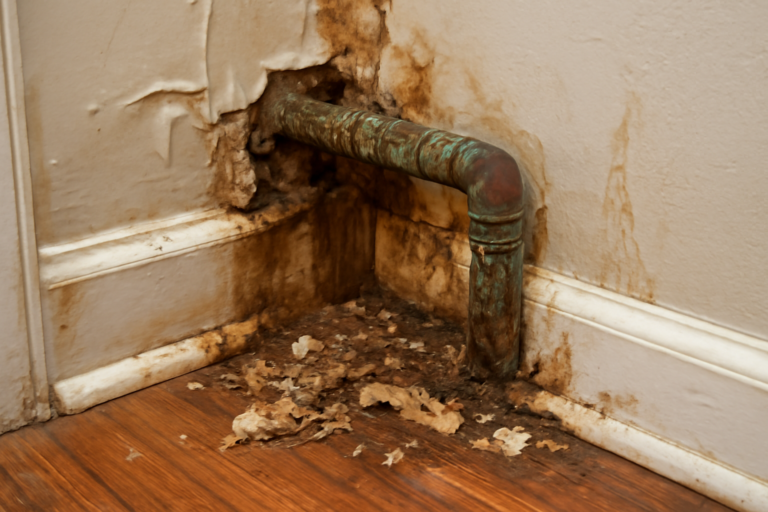
Look for brown or yellow stains on your ceilings, walls, or around vents. These stains mean water has penetrated the building materials and likely reached the insulation behind them. This indicates a recent or ongoing water issue that needs addressing.
Increased Humidity Levels Inside Your Home
If your home feels unusually damp, clammy, or humid, even when your air conditioner is running, it could be a sign that moisture is trapped within your walls and insulation. This can make your HVAC system work overtime, leading to higher energy consumption.
Peeling or Bubbling Paint/Wallpaper
Water damage can cause paint to peel or bubble away from the surface, and wallpaper to become loose or warped. This is often a visible sign that moisture is present behind the drywall, affecting the insulation. This means structural materials are compromised.
Sagging Drywall or Ceiling Tiles
If you notice areas of drywall or ceiling tiles starting to sag, it’s a serious sign that they are saturated with water. This is a critical warning that the insulation and framing behind them are also likely damaged. This indicates a significant water saturation.
Higher Energy Bills Than Usual
A sudden, unexplained increase in your heating or cooling costs can be a direct result of compromised insulation. Wet insulation is far less effective at regulating temperature. This points to reduced insulation performance.
Insulation Water Damage Restoration vs. DIY: When To Call a Professional
| Situation | DIY? | Call a Pro? | Why |
|---|---|---|---|
| Small, isolated drip from a pipe onto a small patch of attic fiberglass insulation, dried quickly. | Yes, if you’re confident it’s fully dry. | Maybe. | DIY is okay if you can absolutely verify complete dryness with a meter. |
| Large section of ceiling insulation soaked from a roof leak. | No. | Yes. | Professional equipment is needed to dry it thoroughly and prevent mold. |
| Water damage in wall cavity insulation from a plumbing leak. | No. | Yes. | Access is difficult, and specialized drying techniques are required to avoid structural damage. |
| Basement crawl space insulation damp from high humidity. | Maybe, with caution. | Yes. | DIY can help manage minor issues, but professional assessment ensures proper ventilation and moisture control. |
| Insulation saturated from a burst pipe over multiple rooms. | Absolutely not. | Yes. | This is a major event requiring emergency response and extensive drying/replacement. |
| Mildew or mold smell detected near insulation. | No. | Yes. | Mold remediation requires specialized knowledge and equipment to ensure safety. |
For anything beyond a very minor, quickly addressed incident, calling a professional is almost always the right choice for insulation water damage. DIY attempts often fail to remove all the moisture, leading to hidden mold and structural issues. Our trained technicians have the tools and expertise to ensure your insulation is properly dried and restored, protecting your home’s health and efficiency.
Insulation Water Damage Restoration Cost In Peachtree City, GA
The cost of restoring insulation water damage in Peachtree City, GA, can vary significantly. Factors like the size of the affected area, the type of insulation, the extent of saturation, and the complexity of the access all play a role. These are estimates to give you a general idea; an on-site assessment is always needed for an accurate quote.
| Service | Typical Price Range | What Affects Cost |
|---|---|---|
| Water Damage Assessment & Moisture Reading | $250 – $750 | Extent of the damage and number of areas to test. |
| Industrial Air Mover & Dehumidifier Rental (per day) | $150 – $400 | Number of units needed and duration of drying. |
| Moisture Detection & Thermal Imaging | $300 – $800 | Complexity of the home’s structure and number of readings. |
| Insulation Removal (per sq ft) | $1 – $4 | Type of insulation (e.g., fiberglass vs. cellulose) and accessibility. |
| New Insulation Installation (per sq ft) | $2 – $7 | Type of insulation chosen and coverage area. |
| Antimicrobial Treatment & Odor Removal | $400 – $1,500 | Severity of mold/odor and size of the affected space. |
Getting a professional estimate is the best way to understand the specific costs for your situation. We offer free, no-obligation estimates for insulation water damage, so you know exactly what to expect before any work begins. Understanding your costs upfront is part of our commitment to transparency.
Service Areas Near Peachtree City, GA
Fayetteville, Tyrone, Senoia, Brooks, Newnan, Sharpsburg, Palmetto, Chattahoochee Hills, East Point, College Park, Union City, Riverdale, Atlanta, Hapeville, Forest Park, Jonesboro, McDonough, Stockbridge, Locust Grove, Hampton.
Common Questions About Insulation Water Damage Restoration
My attic insulation got wet. Do I need to replace it all?
It depends on the type of insulation and how saturated it became. Some materials, like dense-pack cellulose, can sometimes be dried effectively. However, fiberglass batts that become heavily saturated often lose their integrity and insulating power, making replacement the most effective solution. We’ll assess the material and recommend the best course of action for your home.
How long does it take to dry out wet insulation?
The drying process can take anywhere from a few days to over a week, depending on the extent of the water damage, the type of insulation, and the environmental conditions. We use advanced drying equipment to speed up the process, but it’s crucial to ensure all moisture is gone to prevent mold and secondary damage. We monitor humidity levels closely throughout the restoration.
Is wet insulation a health hazard?
Yes, absolutely. Wet insulation can quickly become a breeding ground for mold and mildew, which can release spores into your indoor air. Inhaling these spores can cause respiratory problems, allergic reactions, and other health issues. Addressing the water damage promptly is essential for protecting your family’s health and maintaining good indoor air quality.
Can I just spray a bleach solution on my wet insulation?
We strongly advise against using bleach or other DIY cleaning products on wet insulation. Bleach may kill surface mold but doesn’t address the underlying moisture issue or penetrate deep into the insulation. It can also damage the insulation material and create harmful fumes. Professional remediation involves specialized equipment and techniques for safe and thorough drying and cleaning.
What’s the difference between water damage and mold damage in insulation?
Water damage is the initial intrusion of moisture into the insulation. Mold damage is the consequence that occurs when that moisture isn’t removed promptly. Mold needs water to grow, so if you have mold, you definitely have or have had water damage. Our process addresses both, ensuring we not only dry the insulation but also treat any mold that may have started to grow, to restore a healthy environment.
Check Our Other Relevant Services
- Gray Water Damage Cleanup (Category 2) in Peachtree City, GA
- Emergency Plumbing Leak Repair in Peachtree City, GA

Jerry Johns is a licensed Damage Restoration Expert with over 20 years of hands-on experience helping homeowners and businesses navigate property crises. As a trusted authority in the field, Jerry combines technical precision with a compassionate approach to disaster recovery.
𝗖𝗲𝗿𝘁𝗶𝗳𝗶𝗰𝗮𝘁𝗶𝗼𝗻𝘀: Jerry holds multiple elite IICRC certifications, including Water Damage Restoration (WRT), Applied Microbial Remediation (Mold), Applied Structural Drying (ASD), Odor Control, and Fire and Smoke Restoration.
𝗙𝗮𝘃𝗼𝗿𝗶𝘁𝗲 𝗣𝗮𝘀𝘁𝗶𝗺𝗲: When he isn’t on a job site, Jerry is an avid outdoorsman who enjoys fly fishing and restoring vintage woodworking tools.
𝗕𝗲𝘀𝘁 𝗣𝗮𝗿𝘁 𝗼𝗳 𝘁𝗵𝗲 𝗝𝗼𝗯: Jerry finds the most fulfillment in seeing the relief on a client’s face when their property is finally restored to its pre-loss condition, turning a stressful disaster into a fresh start.