Trusted by 165+ Homeowners
HVAC Water Damage Restoration in Powder Springs, GA
- Over 165 5-Star Reviews
- Free Estimates and Quotes
- 100% Satisfaction Guaranteed
- Child, Family & Pet Safe Steps
- 24-Hour Emergency Service
- Fully Licensed & Insured

Your HVAC System: A Hidden Source of Water Damage in Powder Springs, GA
We’ve seen it all when it comes to home emergencies around Powder Springs, GA. While most folks think of leaky pipes or storms, a significant amount of water damage can actually start right inside your walls, originating from your HVAC system. It’s a sneaky problem that can cause serious structural issues and mold growth if not handled quickly. We understand the stress this brings to your household.
You’ve probably seen our trucks around the neighborhood. We’ve earned the trust of over 165 local homeowners who’ve relied on us for this specific type of restoration. They choose us because we don’t just fix the visible signs; we get to the root cause of HVAC water damage, ensuring your home is truly dry and safe again. You get expert attention and local understanding.
- We specifically target the hidden moisture within your ductwork and HVAC components, preventing future mold and rot that other methods might miss.
- Our advanced drying techniques ensure that even deeply saturated insulation and framing are restored quickly, minimizing long-term damage and disruption to your life.
- We meticulously document the entire process for your insurance claims, taking the burden off your shoulders and making the entire experience smoother.
The Importance of a Proper HVAC Water Damage Restoration Process
When your HVAC system leaks water, it doesn’t just create a puddle. That moisture can travel into your walls, ceilings, and floors, often unseen. A haphazard approach can leave behind hidden dampness, leading to costly secondary damage like mold and rot. We follow a proven, methodical process to ensure we extract all excess water and thoroughly dry every affected area. It’s about preventing future problems and restoring your home’s integrity.
Initial Inspection and Assessment
Our certified technicians begin with a thorough inspection using specialized equipment like thermal cameras and moisture meters. This helps us accurately pinpoint the extent of the water intrusion originating from your HVAC unit, whether it’s a cracked drain pan, frozen coil, or clogged condensate line. We identify the full scope of damage.
Water Extraction
We use powerful, truck-mounted extraction units to remove standing water from accessible areas. For moisture trapped within your HVAC system or ductwork, we employ specialized tools to draw out that water, ensuring no pockets are left behind. This step is crucial for minimizing drying time.
Drying and Dehumidification
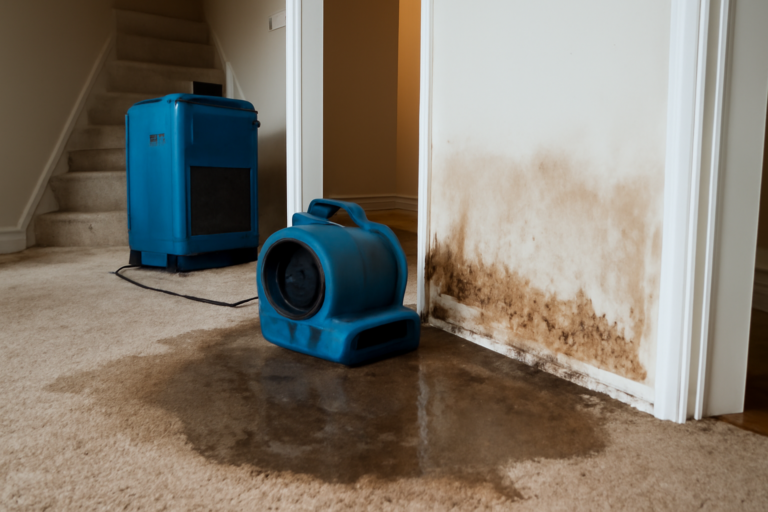
Once the bulk of the water is gone, we set up industrial-grade air movers and dehumidifiers. These machines work continuously to lower humidity levels and pull moisture out of building materials like drywall, wood, and insulation. Our goal is to bring your home back to normal moisture content.
Mold Prevention and Treatment
Because HVAC systems can create dark, damp environments, mold growth is a significant concern. We apply EPA-registered antimicrobial treatments to affected surfaces to prevent mold from taking hold. If mold is already present, we have the expertise for its safe and effective removal.
Reconstruction and Restoration
After everything is thoroughly dried and treated, we’ll repair any damaged components of your HVAC system and restore your home’s interior. This might include replacing damaged drywall, insulation, or flooring. We aim to return your home to its pre-loss condition, ensuring lasting structural integrity.
Don’t let hidden water damage from your HVAC system compromise your home. Contact us today to get a professional assessment and start the restoration process. We’ll help you get your home back to normal and healthy.

Warning Signs You Need HVAC Water Damage Restoration
Your HVAC system is working hard year-round, but sometimes it can spring a leak. Catching these signs early can save you a lot of trouble and expense. Ignoring them can lead to much bigger, more costly repairs down the line. Pay attention to these clues.
Musty Odors That Won’t Go Away
A persistent, musty smell, especially when your AC or heat kicks on, is a strong indicator of moisture buildup within your system or ductwork. This could be a sign of mold or mildew growth.
Visible Water Stains
Look for water spots or discoloration on ceilings, walls, or around your air vents. These are clear signs that water is leaking from your HVAC unit and has saturated surrounding materials. This indicates active water intrusion.
Increased Humidity Levels
If your home feels unusually damp or humid, even when the air conditioner is running, it might not be cooling effectively due to an internal leak. Your AC unit’s job is also to dehumidify, and a leak can hinder that. This suggests an HVAC malfunction.
Water Puddles Near the Unit
Finding puddles of water on the floor near your indoor air handler or furnace is a direct sign of a leak. Common culprits include a clogged condensate drain line or a damaged drain pan. This requires immediate professional attention.
Mold or Mildew Growth
If you see visible patches of mold or mildew around vents, on walls near the unit, or inside the ductwork, it’s a sure sign of prolonged moisture exposure. This poses significant health risks.
Unusual Noises from the Unit
While not always a direct sign of water, gurgling or dripping sounds coming from your HVAC system can indicate a blockage or a leak within the unit itself. This could mean internal water issues.
HVAC Water Damage Restoration vs. DIY: When To Call a Professional
| Situation | DIY? | Call a Pro? | Why |
|---|---|---|---|
| Small puddle under the air handler | Maybe | Yes | You need to identify the source and ensure complete drying to prevent mold. |
| Musty smell when the AC runs | No | Yes | This often indicates hidden mold growth within the ductwork or insulation that requires specialized detection and treatment. |
| Water stains on the ceiling | No | Yes | This suggests water has traveled through insulation and drywall, requiring professional assessment of structural damage and thorough drying. |
| Clogged condensate drain line | Possibly | Yes | While you might be able to clear a simple clog, a recurring issue or a damaged line needs professional diagnosis and repair. |
| Frozen AC coil causing leaks | No | Yes | This indicates an airflow or refrigerant issue that requires a qualified HVAC technician to diagnose and repair before restoration can begin. |
| Suspected leaks within ductwork | No | Yes | Diagnosing and accessing leaks inside ductwork requires specialized tools and expertise that only professionals possess. |
For anything beyond a very minor, easily accessible leak, calling a professional is the safest bet. DIY attempts often miss hidden moisture, leading to expensive long-term damage and potential health hazards. We have the tools and training to ensure your home is properly dried and protected.
HVAC Water Damage Restoration Cost In Powder Springs, GA
The cost of HVAC water damage restoration in Powder Springs, GA, can vary significantly. Factors like the size of the affected area, the extent of the water damage, the type of materials that need drying or replacement, and the complexity of accessing the damaged areas all play a role. These are estimates, not guarantees.
| Service | Typical Price Range | What Affects Cost |
|---|---|---|
| Inspection and Moisture Assessment | $300 – $700 | The complexity of the HVAC system and the extent of suspected damage. |
| Water Extraction (HVAC & Ducts) | $500 – $2,000 | The volume of water to be extracted and the accessibility of the affected components. |
| Drying and Dehumidification | $1,000 – $4,000 | The size of the affected space, duration of drying needed, and number of machines required. |
| Antimicrobial Treatment | $200 – $600 | The square footage needing treatment and the type of treatment applied. |
| Minor Duct Cleaning & Sealing | $400 – $1,200 | The length and complexity of the ductwork affected and the level of cleaning required. |
| Minor Reconstruction (e.g., drywall) | $500 – $2,500 | The amount of material needing replacement and labor involved. |
It’s important to note that many insurance policies cover water damage restoration. We provide detailed estimates after an on-site assessment and can help you navigate the claims process. We offer free, no-obligation estimates for your specific situation.
Service Areas Near Powder Springs, GA
Austell, Marietta, Smyrna, Mableton, Lithia Springs, Douglasville, Kennesaw, Acworth, Atlanta, Hiram, Dallas, Winston, Lithonia, Conyers, Roswell, Sandy Springs, Dunwoody, Norcross, Duluth, Suwanee
Common Questions About HVAC Water Damage Restoration
What if I suspect my HVAC system is leaking water, but I don’t see any puddles?
Even without visible puddles, a hidden leak can cause significant problems. Persistent musty odors, increased humidity, or unexplained water stains on walls or ceilings are key indicators. We use specialized moisture meters and thermal imaging cameras to detect hidden moisture within your walls and ductwork. Addressing these subtle signs early is crucial for preventing mold and structural damage.
How quickly do I need to address HVAC water damage?
You need to act fast. Within 24-48 hours, mold can begin to grow on damp materials. The longer water sits, the more it saturates building materials, leading to irreparable damage and higher restoration costs. Our team is available to respond promptly to minimize the impact on your home.
Will my homeowner’s insurance cover HVAC water damage restoration?
Often, yes. Most standard homeowner’s insurance policies cover water damage caused by sudden and accidental events, which can include leaks from your HVAC system. However, coverage can vary, especially if the damage is due to neglect or poor maintenance. We work closely with your insurance company to streamline the claims process and ensure you receive the coverage you’re entitled to.
How long does the HVAC water damage restoration process typically take?
The timeline depends heavily on the severity of the water damage. Simple extractions and drying might take a few days. However, if moisture has penetrated deeply into materials or if mold is present, it could take a week or more. We use advanced drying equipment to expedite the process as much as safely possible.
Are there any health risks associated with HVAC water damage?
Absolutely. The primary health risk is mold and mildew growth, which can trigger allergies, asthma, and other respiratory problems. Bacteria can also thrive in damp environments. It’s essential to have the affected areas professionally cleaned and dried to ensure your home’s air quality is safe and healthy.
Check Our Other Relevant Services
- Attic Mold Remediation in Powder Springs, GA
- Bathroom Water Damage Restoration in Powder Springs, GA
Serving Powder Springs, GA And Nearby Areas