Trusted by 165+ Homeowners
Hydrostatic Pressure Water Damage Restoration in Powder Springs, GA
- Over 165 5-Star Reviews
- Free Estimates and Quotes
- 100% Satisfaction Guaranteed
- Child, Family & Pet Safe Steps
- 24-Hour Emergency Service
- Fully Licensed & Insured

Protecting Your Powder Springs, GA Home from Hydrostatic Pressure Water Damage
When you see water seeping up from your floors or notice damp spots that weren’t there yesterday, don’t just grab some towels. That could be a sign of hydrostatic pressure, a powerful force that pushes water through concrete and foundations. Ignoring it can lead to significant structural damage and create a breeding ground for mold, so it’s crucial to act fast. Understanding the signs and knowing who to call makes all the difference in protecting your property. We’ve seen this happen too many times around Powder Springs, GA, and we’re here to help you avoid the worst.
With over 165 five-star reviews from homeowners in your neighborhood, our team is known for its rapid response and effective restoration techniques. People trust us because we explain things clearly and get the job done right the first time. When hydrostatic pressure causes water damage, you need specialists who understand the unique challenges it presents. We’re committed to providing that level of focused expertise for every client we serve.
- We tackle the root cause of hydrostatic pressure, not just the surface water, preventing future issues.
- Our specialized equipment can extract water from deep within concrete and subflooring where it hides.
- We focus on thorough drying and dehumidification to stop mold growth and preserve your home’s integrity.
How Hydrostatic Pressure Water Damage Restoration Actually Works
Dealing with water forced up from below requires a different approach than a burst pipe or leaky roof. It’s not just about mopping up; it’s about understanding the pressure dynamics and how to relieve it safely while restoring your property. A rushed or improper process can leave hidden moisture, leading to costly long-term problems like weakened foundations and unhealthy air quality. That’s why our crews follow a precise, proven method to ensure your home is truly dry and safe. We’re talking about getting your home back to its pre-loss condition with unmatched attention to detail.
Initial Assessment and Water Extraction
Our technicians will first assess the full extent of the hydrostatic pressure damage and identify entry points. We then use powerful submersible pumps and specialized water extractors to remove standing water. This critical first step can take anywhere from a few hours to a full day, depending on the volume of water.
Structural Drying and Dehumidification
Once the bulk of the water is gone, we deploy industrial-grade air movers and dehumidifiers. These machines work continuously to pull moisture from the air and surfaces, including concrete and wood, ensuring a complete dry. This phase can last several days, with our team monitoring humidity levels closely.
Moisture Detection and Mapping
Using advanced moisture meters and thermal imaging cameras, we pinpoint hidden water pockets within walls, floors, and structural elements. This detailed mapping allows us to focus drying efforts precisely where they’re needed most, preventing future mold development.
Mold Prevention and Remediation
Hydrostatic pressure can create ideal conditions for mold growth. If any mold is detected, our certified technicians will safely contain and remove it, applying antimicrobial treatments to the affected areas. This step is vital for maintaining a healthy indoor environment and typically takes 1-3 days.
Reconstruction and Restoration
After everything is thoroughly dried and disinfected, we begin the reconstruction process. This might involve repairing or replacing damaged drywall, flooring, baseboards, or other structural components. Our goal is to return your home to its original state, often completing this phase within a week or two.
Don’t wait for the problem to worsen; contact us immediately if you suspect hydrostatic pressure water damage. The sooner we can start, the more we can protect your home and minimize the impact. Prompt action saves money and stress.

Warning Signs You Need Hydrostatic Pressure Water Damage Restoration
Catching hydrostatic pressure issues early is key to preventing widespread damage and costly repairs. Ignoring subtle signs can turn a manageable situation into a major headache. Understanding these indicators means you can protect your property before water causes irreversible structural harm.
Musty Odors That Won’t Go Away
A persistent damp, earthy smell, especially in basements or lower levels, is a strong indicator of trapped moisture. This smell often signals that mold may already be growing behind your walls or under your floors, a direct result of persistent water intrusion.
Visible Water Seepage or Puddles
If you’re seeing water actively coming up through your concrete floors, cracks, or along the foundation walls, that’s hydrostatic pressure at work. These puddles or damp spots are a clear sign that water is being forced into your home from the ground beneath.
Damp or Wet Spots on Lower Walls
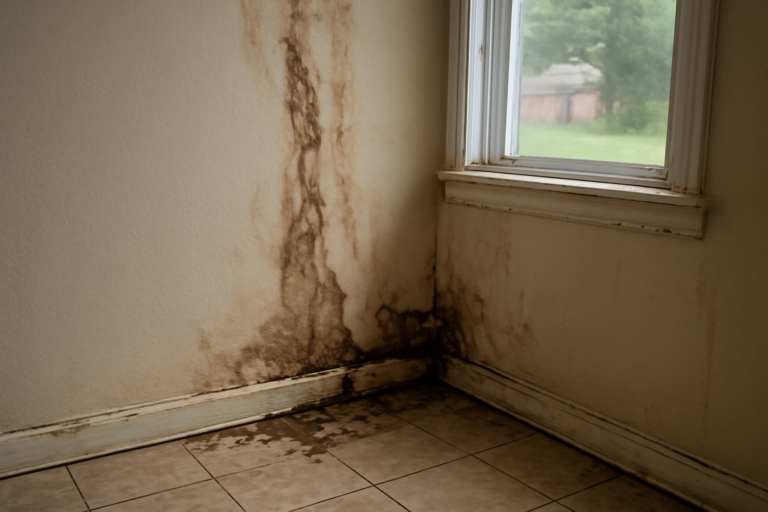
Water can travel upwards through porous materials like concrete and drywall. If you notice dark, damp patches appearing on the lower sections of your interior walls, especially near the floor, it suggests water is being pushed into your home’s structure.
Cracks or Gaps in the Foundation
Hydrostatic pressure can exacerbate existing cracks or even contribute to new ones in your foundation. These fissures create easier pathways for water to enter your home, making the problem worse over time and requiring immediate professional attention.
Peeling Paint or Bubbling Drywall
When moisture gets behind your interior finishes, it can cause paint to peel or bubble and drywall to soften or warp. This is a visual cue that water is compromising the integrity of your walls and requires a thorough drying process.
Mold or Mildew Growth
The presence of mold or mildew, often appearing as fuzzy or discolored patches, is a serious health concern and a direct result of prolonged moisture. Hydrostatic pressure creates the perfect environment for these organisms to thrive, necessitating expert mold remediation.
Hydrostatic Pressure Water Damage Restoration vs. DIY: When To Call a Professional
| Situation | DIY? | Call a Pro? | Why |
|---|---|---|---|
| Minor dampness on basement floor after heavy rain | Yes, with good ventilation and fans. | Yes, if it persists or is widespread. | Persistent dampness indicates potential underlying pressure issues. |
| Standing water in a small area of the basement | Maybe, with a wet vac. | Yes, especially if water is coming from the floor. | Large volumes of water require professional extraction equipment. |
| Musty odor in lower levels | No. | Yes. | Odors suggest hidden moisture and potential mold growth. |
| Water actively seeping up from concrete floors | Absolutely Not. | Yes, immediately. | This is a clear sign of significant hydrostatic pressure. |
| Visible cracks in foundation walls with dampness | No. | Yes, immediately. | Foundation damage needs structural assessment and specialized repair. |
| Concerns about mold growth or indoor air quality | No. | Yes. | Mold remediation requires specialized knowledge and safety protocols. |
While minor dampness might be manageable with a few fans and good airflow, anything involving water actively pushing up from your floors or foundation demands professional intervention. Trying to handle significant hydrostatic pressure yourself can lead to incomplete drying and exacerbate structural issues. It’s always better to get an expert opinion when you’re dealing with forces from beneath your home.
Hydrostatic Pressure Water Damage Restoration Cost In Powder Springs, GA
The cost for hydrostatic pressure water damage restoration in Powder Springs, GA, varies significantly based on the severity of the water intrusion, the size of the affected area, and the complexity of the necessary repairs. These are general estimates, and a precise quote will be provided after a thorough on-site assessment. You can expect prices to fluctuate based on local conditions and the extent of the damage.
| Service | Typical Price Range | What Affects Cost |
|---|---|---|
| Initial Water Extraction (up to 500 sq ft) | $500 – $2,000 | Volume of water, accessibility of the area. |
| Structural Drying and Dehumidification | $1,000 – $4,000 | Size of affected space, duration needed for complete drying. |
| Moisture Detection and Mapping | $300 – $800 | Complexity of the structure, size of the property. |
| Mold Prevention/Remediation (minor) | $750 – $3,000 | Severity of mold, area coverage, containment needs. |
| Minor Repairs (e.g., drywall patching) | $500 – $2,500 | Amount of material needed, labor time. |
| Foundation Crack Sealing | $500 – $2,000 | Size and depth of cracks, type of sealant used. |
Getting a free estimate is the best way to understand the specific costs for your situation. Our team will walk you through everything, providing a clear breakdown of the recommended services and their associated pricing. Accurate assessments lead to fair pricing.
Service Areas Near Powder Springs, GA
Austell, Marietta, Smyrna, Kennesaw, Acworth, Dallas, Hiram, Lithia Springs, Douglasville, Mableton, Vinings, Atlanta, Sandy Springs, Roswell, Norcross, Duluth, Suwanee, Johns Creek, Alpharetta, Woodstock.
Common Questions About Hydrostatic Pressure Water Damage Restoration
What causes hydrostatic pressure water damage?
Hydrostatic pressure happens when the soil around your foundation becomes saturated with water, like after heavy rain or snowmelt. This water then exerts pressure against your foundation walls and floor slabs. If there are any small cracks or porous areas, this pressure can force water directly into your home, leading to significant water intrusion.
How quickly do I need to address hydrostatic pressure water damage?
You need to address it immediately. The longer water sits, especially within your home’s structure, the more damage it can cause. Rapid response is critical to prevent weakening your foundation, promoting mold growth, and increasing the overall cost of repairs. Delays can turn a manageable situation into a disaster.
Is hydrostatic pressure water damage covered by homeowners insurance?
Coverage varies greatly depending on your specific policy and the cause of the water intrusion. Typically, damage from sudden and accidental events like a burst pipe is covered, but slow seepage or damage from groundwater pressure might not be. It’s best to review your policy or contact your insurance provider directly, though we can help document the damage for your claim.
How long does hydrostatic pressure water damage restoration take?
The timeline can vary, but a typical restoration project can take anywhere from a few days to a couple of weeks. This depends on the extent of the water damage, how deep it has penetrated, and how long it takes to thoroughly dry out your home’s structure. We aim for efficiency without compromising on quality drying and restoration.
What are the health risks associated with hydrostatic pressure water damage?
The primary health risk is mold and mildew growth, which thrives in damp environments. Inhaling mold spores can trigger allergies, asthma, and other respiratory problems, especially for sensitive individuals. Our team prioritizes thorough drying and sanitization to ensure your home is not only structurally sound but also safe and healthy for your family.
Check Our Other Relevant Services
- Drywall Water Damage Repair in Powder Springs, GA
- Basement Water Damage Restoration in Powder Springs, GA
Serving Powder Springs, GA And Nearby Areas