Trusted by 165+ Homeowners
Hydrostatic Pressure Water Damage Restoration in Cumming, GA
- Over 165 5-Star Reviews
- Free Estimates and Quotes
- 100% Satisfaction Guaranteed
- Child, Family & Pet Safe Steps
- 24-Hour Emergency Service
- Fully Licensed & Insured

Expert Hydrostatic Pressure Water Damage Restoration in Cumming, GA
Did you know that hydrostatic pressure is responsible for roughly 20% of all basement water damage claims? It’s a force many homeowners don’t even consider until it’s too late, pushing water through tiny cracks in your foundation. This silent invader can lead to significant structural issues and mold growth if not addressed promptly. We understand how unsettling it is to find water seeping into your home, especially when the cause isn’t obvious like a burst pipe. Our team is here to tackle this specific challenge, providing the detailed attention your property needs.
We’ve earned the trust of over 165 five-star reviews from your neighbors right here in the area. They count on us for our direct approach and our commitment to getting the job done right the first time. When it comes to hydrostatic pressure water damage, you need a team that knows exactly what they’re looking for and how to fix it. We’re dedicated to restoring your home efficiently and effectively, so you can get back to living without constant worry about hidden water problems.
- We use specialized equipment to pinpoint and extract water that has been forced through your foundation, going beyond surface drying.
- Our process focuses on preventing long-term damage and mold development by thoroughly drying and treating the affected structural elements.
- We work closely with your insurance company to ensure the claim process is as smooth as possible, documenting everything meticulously.
How Hydrostatic Pressure Water Damage Restoration Actually Works
Tackling hydrostatic pressure water damage requires a methodical approach, not a quick fix. Cutting corners here means you’ll likely face the same issues again, possibly worse. Our crews follow a proven process designed to not only remove the visible water but also to dry out the materials that have absorbed moisture from within. This is crucial because even after the water is gone, dampness within concrete or framing can cause rot and structural weakness. We’ll explain exactly what we’re doing and why, so you’re always in the loop.
1. Inspection and Assessment
Our first step is a thorough inspection. We use moisture meters and thermal imaging cameras to identify exactly where water has penetrated your foundation and walls. This assessment helps us understand the extent of the damage. Pinpointing hidden moisture is key to a successful restoration.
2. Water Extraction
For hydrostatic pressure, we often use specialized pumps and extractors designed to pull water from within porous materials and sub-flooring. This goes deeper than standard water removal. Removing trapped water prevents further saturation.
3. Structural Drying
Once the bulk of the water is gone, we deploy industrial-grade air movers and dehumidifiers. These machines create a controlled environment to accelerate drying. Thorough structural drying is vital to prevent mold.
4. Dehumidification and Air Filtration
We continue to monitor humidity levels and air quality. Advanced dehumidifiers remove moisture from the air, while air scrubbers with HEPA filters capture airborne mold spores and contaminants. Improving air quality is a priority.
5. Mold Prevention and Remediation
If mold growth is already present, or if conditions indicate a high risk, we’ll implement antimicrobial treatments. This stops mold in its tracks. Preventing mold growth protects your home’s health.
Don’t let hydrostatic pressure cause lasting harm to your home. Call us now for an immediate assessment and to start the restoration process. Protect your investment today.

Warning Signs You Need Hydrostatic Pressure Water Damage Restoration
Catching these signs early can save you a lot of money and headaches down the line. Hydrostatic pressure works subtly, so you might not see a big puddle right away. Recognizing these indicators means you can call for help before minor issues become major structural threats. Early detection matters for your home’s integrity.
Musty Odors That Won’t Go Away
A persistent damp, earthy smell, especially in basements or lower levels, often indicates moisture trapped behind walls or under floors. Addressing musty smells is crucial for indoor air quality.
Water Stains or Efflorescence on Walls
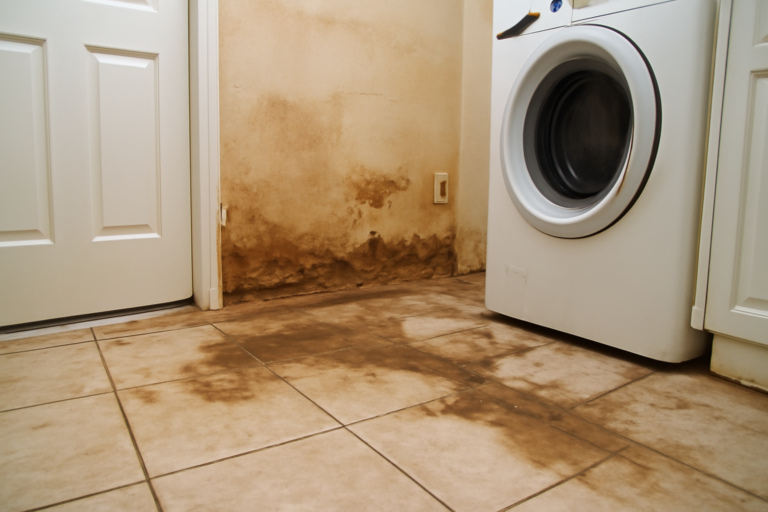
You might see white, powdery deposits (efflorescence) or discolored patches on your foundation walls. This is a clear sign that water is migrating through the concrete. Investigating wall stains can reveal hidden water issues.
Cracks or Gaps in Foundation
Even hairline cracks can allow significant amounts of water to seep in under pressure. These are entry points for moisture. Repairing foundation cracks stops water intrusion.
Peeling or Bubbling Paint/Wallpaper
Moisture trapped behind finishes can cause them to detach from the wall. This is a visible symptom of underlying water problems. Checking for peeling paint can alert you to damage.
Increased Humidity Levels
If your basement feels unusually damp or clammy, even when it’s not raining, it could be due to hydrostatic pressure pushing moisture vapor into the air. Monitoring humidity levels helps identify problems.
Pooling Water Around the Foundation
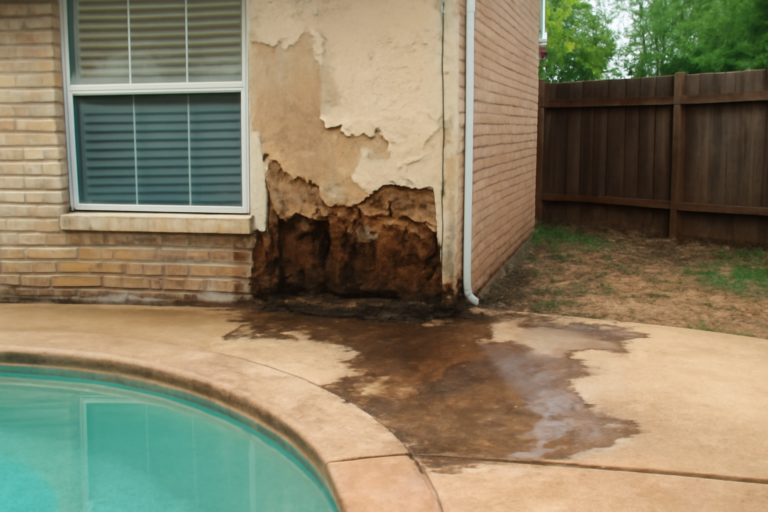
If rainwater or groundwater consistently collects around your home’s foundation, it increases the pressure against your walls. Managing exterior water is a preventative measure.
Hydrostatic Pressure Water Damage Restoration vs. DIY: When To Call a Professional
| Situation | DIY? | Call a Pro? | Why |
|---|---|---|---|
| Minor dampness on a basement floor after heavy rain | Yes, with good ventilation and fans. | Can often be managed with basic drying methods. | |
| Visible water actively seeping through foundation cracks | No. | Yes. | Requires specialized equipment to extract and dry properly. |
| Musty odors and suspected mold growth behind walls | No. | Yes. | Needs professional mold assessment and remediation to ensure safety. |
| Water stains or efflorescence on concrete walls | Monitor, but don’t attempt major repairs. | Yes. | Indicates water intrusion that needs professional evaluation and sealing. |
| Significant water pooling in the basement or crawl space | No. | Yes. | Requires powerful extraction and drying to prevent structural damage. |
| Concerns about structural integrity due to prolonged dampness | No. | Yes. | Professional assessment is needed to check for hidden rot or weakening. |
For hydrostatic pressure water damage, DIY is rarely the best approach. The force of the water and its ability to saturate structural components demand professional intervention. Professional assessment is vital to ensure all hidden moisture is addressed. Don’t risk long-term damage by trying to handle it alone.
Hydrostatic Pressure Water Damage Restoration Cost In Cumming, GA
The cost of hydrostatic pressure water damage restoration in Cumming, GA, can vary significantly. Factors like the size of the affected area, the severity of water intrusion, and the specific materials needing treatment all play a role. These figures are general estimates for the area. Understanding potential costs helps you budget and communicate with your insurance.
| Service Aspect | Typical Price Range | What Affects Cost |
|---|---|---|
| Initial Inspection and Assessment | $300 – $800 | Use of advanced imaging equipment and extent of investigation. |
| Water Extraction (Specialized Equipment) | $750 – $3,000 | Volume of water and the need for deeper extraction from materials. |
| Structural Drying and Dehumidification | $1,000 – $4,000 | Duration of drying needed and the number of high-capacity units required. |
| Mold Prevention/Antimicrobial Treatment | $500 – $2,500 | Area size treated and the specific products used for prevention. |
| Moisture Monitoring and Testing | $200 – $600 | Frequency of checks and specialized tools used to confirm dryness. |
| Insurance Documentation and Reporting | Included in service cost, but thoroughness varies. | Detailed reports are essential for claim approval. |
An on-site assessment is the only way to get an accurate quote tailored to your specific situation. We offer free estimates to help you understand the scope and cost involved. Getting a free estimate is your first step towards a dry home.
Service Areas Near Cumming, GA
Alpharetta, Atlanta, Buford, Canton, Cartersville, Chamblee, Cumming, Dacula, Dawsonville, Dunwoody, Gainesville, Johns Creek, Kennesaw, Lawrenceville, Lilburn, Marietta, Norcross, Roswell, Sandy Springs, Suwanee
Common Questions About Hydrostatic Pressure Water Damage Restoration
What is hydrostatic pressure and how does it cause water damage?
Hydrostatic pressure is the force exerted by a column of water. When groundwater levels rise around your foundation, this pressure can force water through even microscopic cracks and pores in concrete walls and floors. Understanding the force is key to prevention. We help identify and mitigate these pressure points.
How long does hydrostatic pressure water damage restoration typically take?
The timeline depends heavily on the extent of the saturation. Simple cases might take 3-5 days for drying, while more severe intrusions could require 1-2 weeks. Prompt drying is essential to avoid secondary issues. We provide a projected timeline after our initial assessment.
Is hydrostatic pressure water damage a health hazard?
Yes, it absolutely can be. Trapped moisture creates an ideal environment for mold and mildew growth, which can release spores into your air. This can lead to respiratory problems and allergic reactions. Protecting your family’s health is our top priority. We use advanced air filtration and antimicrobial treatments.
What kind of equipment do you use to deal with hydrostatic pressure water damage?
We utilize powerful submersible pumps for bulk water removal, high-capacity dehumidifiers to lower ambient humidity, and industrial air movers to speed up evaporation from surfaces and materials. Moisture meters and thermal cameras help us ensure complete drying. Specialized equipment ensures effective restoration. We invest in the best tools for the job.
How can I prevent hydrostatic pressure water damage in the future?
Maintaining proper grading around your home so water flows away from the foundation is crucial. Ensuring your gutters and downspouts are clear and directing water away is also vital. Addressing any foundation cracks promptly can prevent future intrusion. Preventative maintenance is your best defense. We can offer guidance on these measures.
Check Our Other Relevant Services

Jerry Johns is a licensed Damage Restoration Expert with over 20 years of hands-on experience helping homeowners and businesses navigate property crises. As a trusted authority in the field, Jerry combines technical precision with a compassionate approach to disaster recovery.
𝗖𝗲𝗿𝘁𝗶𝗳𝗶𝗰𝗮𝘁𝗶𝗼𝗻𝘀: Jerry holds multiple elite IICRC certifications, including Water Damage Restoration (WRT), Applied Microbial Remediation (Mold), Applied Structural Drying (ASD), Odor Control, and Fire and Smoke Restoration.
𝗙𝗮𝘃𝗼𝗿𝗶𝘁𝗲 𝗣𝗮𝘀𝘁𝗶𝗺𝗲: When he isn’t on a job site, Jerry is an avid outdoorsman who enjoys fly fishing and restoring vintage woodworking tools.
𝗕𝗲𝘀𝘁 𝗣𝗮𝗿𝘁 𝗼𝗳 𝘁𝗵𝗲 𝗝𝗼𝗯: Jerry finds the most fulfillment in seeing the relief on a client’s face when their property is finally restored to its pre-loss condition, turning a stressful disaster into a fresh start.