Trusted by 165+ Homeowners
Insulation Water Damage Restoration in Fairburn, GA
- Over 165 5-Star Reviews
- Free Estimates and Quotes
- 100% Satisfaction Guaranteed
- Child, Family & Pet Safe Steps
- 24-Hour Emergency Service
- Fully Licensed & Insured

When Water Attacks Your Insulation in Fairburn, GA, We’re Ready
We’ve seen it all when it comes to water issues around here. From leaky roofs on older homes to burst pipes in newer constructions, your insulation can take a serious beating. It’s more than just dampness; it’s a problem that needs immediate, expert attention. We understand the unique challenges properties face in the Fairburn, GA area, and we’re equipped to handle them. Protecting your home’s integrity is our top priority, and that starts with addressing compromised insulation.
Homeowners in your neighborhood have trusted us for years, and our 165+ five-star reviews speak to that. They choose us because we don’t just fix the visible damage. We dive deep into the problem, ensuring your insulation is properly dried, treated, and restored. When you’re dealing with water in your insulation, you need a team that knows exactly what to do. We bring proven expertise to every job, making a stressful situation easier for you.
- We specialize in identifying and removing moisture trapped deep within insulation, preventing mold growth and structural damage that can occur if left untreated.
- Our specialized drying techniques ensure your insulation is returned to its optimal R-value, maintaining your home’s energy efficiency and comfort.
- We handle the entire process, from thorough assessment and drying to remediation and replacement, so you don’t have to coordinate multiple contractors.
How Our Insulation Water Damage Restoration Process Works
Dealing with water-damaged insulation can feel overwhelming. You’re worried about mold, your energy bills, and the overall health of your home. That’s why we’ve developed a clear, efficient process for insulation water damage restoration. We believe in transparency and communication, guiding you through each step. When corners are cut in this process, you’re left with lingering moisture, potential mold, and a compromised home. We follow strict protocols to ensure a thorough restoration.
Initial Assessment and Inspection
The first thing we do is a detailed inspection of your property. We use advanced moisture meters and thermal imaging cameras to pinpoint exactly where the water has penetrated the insulation and surrounding structures. This thorough assessment allows us to create a precise plan for your specific situation. Accurate damage assessment is key to effective restoration.
Water Extraction and Containment
If there’s standing water, we’ll remove it quickly using powerful extraction equipment. We also set up containment barriers to prevent moisture from spreading to unaffected areas of your home. This step is crucial for stopping the damage in its tracks. Rapid water removal minimizes further harm.
Drying and Dehumidification
This is where specialized equipment comes in. We deploy industrial-strength air movers and dehumidifiers to draw out moisture from the insulation and the air. Our goal is to bring the moisture content back to normal levels as quickly and safely as possible, preventing long-term issues. Controlled drying environments are essential.
Mold Prevention and Remediation
Water-damaged materials are a breeding ground for mold. We treat affected areas with EPA-approved antimicrobial solutions to prevent mold growth. If mold has already started, we have the expertise to safely remove and remediate it, protecting your family’s health. Proactive mold control safeguards your home.
Insulation Removal and Replacement
Depending on the type of insulation and the extent of the damage, it may need to be removed and replaced. We carefully remove compromised materials and install new, high-quality insulation to restore your home’s thermal performance. We ensure proper ventilation and sealing for lasting results. Restoring energy efficiency is a core focus.
Don’t let water-damaged insulation compromise your home’s comfort and safety. Call us today for a swift assessment and get your property back to normal.

Warning Signs You Need Insulation Water Damage Restoration
Catching water damage in your insulation early can save you a lot of headaches and money down the line. Ignoring the signs can lead to more extensive structural issues and unhealthy living conditions. Keep an eye out for these common indicators. Early detection prevents major problems.
Musty Odors That Won’t Go Away
A persistent damp, musty smell, especially in attics, basements, or wall cavities, is a strong indicator of hidden moisture in your insulation. This smell often worsens over time as mold begins to develop. Investigate strange smells immediately.
Visible Water Stains or Discoloration
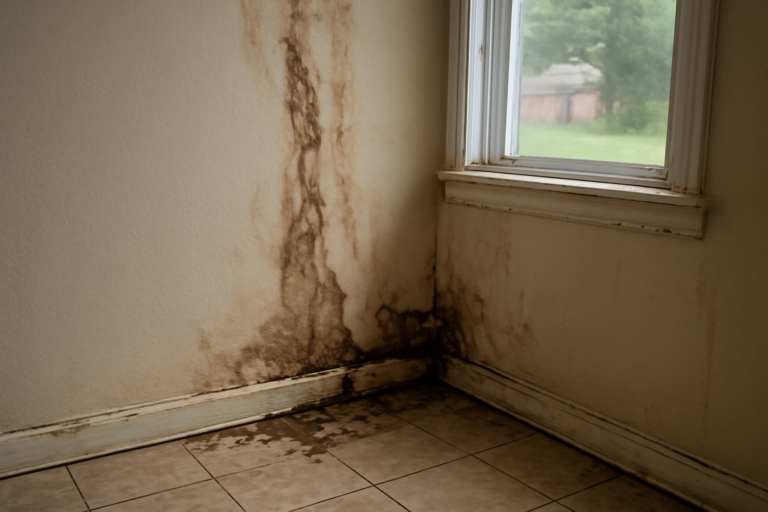
Look for brown or yellow stains on your ceilings, walls, or around vents. These marks often appear where water has seeped into or through your insulation and the surrounding materials. Don’t ignore water marks.
Increased Energy Bills
Wet insulation loses its ability to insulate effectively. If you notice your heating or cooling bills have suddenly spiked without a change in usage, your insulation might be compromised and unable to do its job. Monitor your utility costs closely.
Sagging or Damp Insulation
Visually inspect your attic or crawl space insulation if possible. If you see insulation that appears to be sagging, clumping, or feels damp to the touch, it’s likely absorbed water. Check insulation for dampness.
Mold or Mildew Growth
The presence of visible mold or mildew, often appearing as fuzzy or slimy patches of various colors, is a clear sign of prolonged moisture exposure. This poses a significant health risk. Address mold concerns promptly.
Changes in Indoor Humidity Levels
If your home feels unusually damp or humid, even when your HVAC system is running, it could be a sign that water is trapped within your walls or attic, affecting the insulation’s performance. Noticeable humidity shifts are a red flag.
Insulation Water Damage Restoration vs. DIY: When To Call a Professional
| Situation | DIY? | Call a Pro? | Why |
|---|---|---|---|
| Small, localized drip on accessible attic insulation from a recent minor leak. | Yes, with caution. | No, usually. | You can often safely remove the damp section and dry the area, but monitor closely. |
| Widespread dampness or saturation throughout attic or wall insulation. | No. | Yes. | This indicates a larger issue requiring professional drying equipment and assessment for hidden mold. |
| Suspected mold growth on insulation or surrounding materials. | No. | Yes. | Mold remediation requires specialized safety equipment and knowledge to prevent airborne spores. |
| Insulation is completely soaked from a burst pipe or major roof leak. | No. | Yes. | Professional extraction and drying are needed to prevent structural damage and ensure complete moisture removal. |
| Water damage affecting insulation within walls or hard-to-reach areas. | No. | Yes. | Accessing and drying wall cavities requires specialized techniques and equipment to avoid further damage. |
| You’re unsure about the extent of the damage or potential health risks. | No. | Yes. | A professional assessment provides clarity and ensures all potential issues, like mold, are identified. |
For anything beyond a minor, easily accessible damp spot, calling a professional is the safest and most effective route. Our team has the tools and training to handle complex situations thoroughly. Professional restoration prevents future problems.
Insulation Water Damage Restoration Cost In Fairburn, GA
The cost of insulation water damage restoration in Fairburn, GA can vary significantly. Factors like the size of the affected area, the type of insulation, the severity of the water damage, and the complexity of the job all play a role. These prices are estimates and provide a general idea of what you might expect. Understanding cost factors helps you budget.
| Service | Typical Price Range | What Affects Cost |
|---|---|---|
| Moisture Assessment and Inspection | $300 – $700 | Use of advanced equipment like thermal cameras and moisture meters. |
| Water Extraction (if applicable) | $400 – $1,200 | Volume of water removed and complexity of access. |
| Drying and Dehumidification (per day/area) | $500 – $1,500 | Number of industrial air movers and dehumidifiers required, duration of drying. |
| Antimicrobial Treatment for Mold Prevention | $300 – $900 | Size of the treated area and type of treatment solution used. |
| Insulation Removal and Disposal | $2 – $5 per square foot | Amount of material removed and disposal fees. |
| New Insulation Installation | $1 – $4 per square foot (material & labor) | Type of insulation chosen (fiberglass, cellulose, spray foam) and R-value required. |
An on-site assessment is the only way to get an accurate quote for your specific situation. We offer free estimates, so you know exactly what to expect before we begin. Get a free, no-obligation estimate today.
Service Areas Near Fairburn, GA
Atlanta, College Park, East Point, Forest Park, Hapeville, Jonesboro, Lovejoy, Morrow, Palmetto, Riverdale, Roswell, Sandy Springs, Smyrna, Stockbridge, Union City, Tyrone, Fayetteville, Hampton, Peachtree City, McDonough
Common Questions About Insulation Water Damage Restoration
What is the biggest risk of not addressing wet insulation promptly?
The biggest risk is the development of mold and mildew, which can spread rapidly in damp insulation. Mold spores can affect your indoor air quality, leading to potential respiratory issues and allergic reactions. It can also cause long-term structural damage to your home if left untreated. We perform thorough mold inspections and remediation to protect your health.
How long does it typically take to dry out water-damaged insulation?
The drying time can vary greatly depending on the extent of the water damage, the type of insulation, and environmental conditions. It can range from a few days for minor dampness to several weeks for heavily saturated areas. We use advanced equipment to accelerate the drying process as much as possible. Our goal is efficient drying without compromising quality.
Does my homeowner’s insurance cover insulation water damage restoration?
In many cases, homeowner’s insurance does cover water damage to insulation, especially if it’s caused by a sudden and accidental event like a burst pipe or storm damage. However, coverage can vary based on your policy and the cause of the water intrusion. We can help you navigate the claims process. We assist with insurance claims to make it easier for you.
What kind of equipment do you use to dry insulation?
We utilize a range of specialized equipment, including high-powered air movers to circulate air and speed up evaporation, and industrial-grade dehumidifiers to remove moisture from the air. In some cases, we may use injecti-dry systems to target moisture within wall cavities. We employ advanced drying technology for optimal results.
Can insulation be salvaged after it gets wet, or does it always need to be replaced?
Whether insulation can be salvaged depends on the type of insulation and the duration and source of the water exposure. Some types, like fiberglass batts, may be dried and reused if the damage is minor and addressed quickly. However, materials like cellulose or spray foam, or insulation that has been wet for an extended period or contaminated with sewage, often require removal and replacement to prevent mold and maintain effectiveness. We assess insulation viability carefully.
Check Our Other Relevant Services
- Aquarium Leak Water Damage Restoration in Fairburn, GA
- Commercial Water Damage Restoration in Fairburn, GA
Serving Fairburn, GA And Nearby Areas