Trusted by 165+ Homeowners
Insulation Water Damage Restoration in Lilburn, GA
- Over 165 5-Star Reviews
- Free Estimates and Quotes
- 100% Satisfaction Guaranteed
- Child, Family & Pet Safe Steps
- 24-Hour Emergency Service
- Fully Licensed & Insured

When Georgia Humidity Meets Your Attic: Insulation Water Damage in Lilburn, GA
Living around here, you know how those humid Georgia summers can feel like a wet blanket. Sometimes, that moisture doesn’t just stay outside; it finds its way into your attic or walls, turning your insulation into a soggy mess. We’ve seen it happen after heavy rains, from leaky pipes, or even just persistent condensation. It’s a common problem in our area, and if left unchecked, it can really impact your home’s comfort and health. Dealing with wet insulation isn’t just about a damp smell; it’s about protecting your entire house from further damage.
Homeowners trust us with this specific challenge more than anyone else locally, and our 165+ five-star reviews tell the story. We understand the unique building styles and climate challenges you face in your neighborhood. When water infiltrates your insulation, you need a team that knows exactly how to handle it, not just what to do for general water damage. We’re focused on getting your insulation back to its dry, effective state efficiently and thoroughly.
- We specialize in removing water-logged insulation without disturbing your home’s structure more than necessary, preventing mold growth before it starts.
- Our targeted drying methods ensure that not only the insulation but also the surrounding materials like drywall and wood framing are properly dried, stopping secondary damage.
- We’ll help you understand the best insulation options moving forward, advising on materials that can better resist moisture if replacement is needed.
How We Tackle Wet Insulation Like True Local Experts
When water compromises your insulation, it’s not a simple fix. You can’t just ignore it and hope it dries out on its own; that’s when real problems start. Our team follows a meticulous process, honed from countless jobs right here in the area, to make sure every bit of moisture is addressed. We use specialized equipment and techniques that go beyond what you can do yourself, ensuring a complete restoration and preventing long-term issues like mold or structural rot.
1. Initial Assessment and Water Source Identification
The very first step is figuring out exactly where the water came from and how far it’s spread. Our technicians will carefully inspect your attic, crawl spaces, and walls, looking for leaks, condensation, or any other entry points. This might involve using moisture meters and thermal imaging cameras to pinpoint hidden dampness. We aim to understand the full scope of the problem before any cleanup begins, ensuring we don’t miss anything.
2. Water Extraction and Removal
Once we know the source, we get to work removing the standing or saturated water. For insulation, this often means carefully removing the wet material itself. We use specialized vacuums and pumps designed for water removal, working to extract as much liquid as possible. This phase is critical for preventing further saturation of surrounding building materials and reducing the risk of mold.
3. Structural Drying and Dehumidification
After the bulk of the water is gone, the real drying process begins. We bring in powerful air movers and industrial-grade dehumidifiers to pull moisture out of the air and building materials. This step is crucial for drying out any wood framing, drywall, or other structural components that have absorbed water. It can take several days depending on the extent of the damage and the type of materials involved.
4. Mold Prevention and Treatment
Damp, dark spaces like attics are breeding grounds for mold. As soon as the structure is drying, we’ll assess for any signs of mold growth. If mold is present, we’ll use appropriate antimicrobial treatments to clean and sanitize the affected areas, preventing it from spreading and impacting your home’s air quality. This is a key part of our commitment to a healthy home environment.
5. Insulation Replacement and Reinstallation
If your insulation was heavily saturated, it often needs to be removed and replaced. We’ll discuss the best options with you, considering different types of insulation and their effectiveness in our climate. Once the area is completely dry and any necessary mold treatment is done, we’ll professionally install new insulation to restore your home’s energy efficiency.
Ready to get your home back to its dry, comfortable state? Don’t let water-damaged insulation become a bigger headache. Contact us today for a prompt assessment.

Warning Signs You Need Insulation Water Damage Restoration
Catching water damage in your insulation early can save you a lot of money and hassle down the road. Ignoring the signs can lead to serious structural issues and health concerns. Pay attention to what your home is telling you.
Musty Odors That Won’t Go Away
If you’re noticing persistent damp, earthy smells, especially in your attic or walls, it’s a strong indicator of trapped moisture. This smell often signals the early stages of mold growth, which thrives in wet insulation.
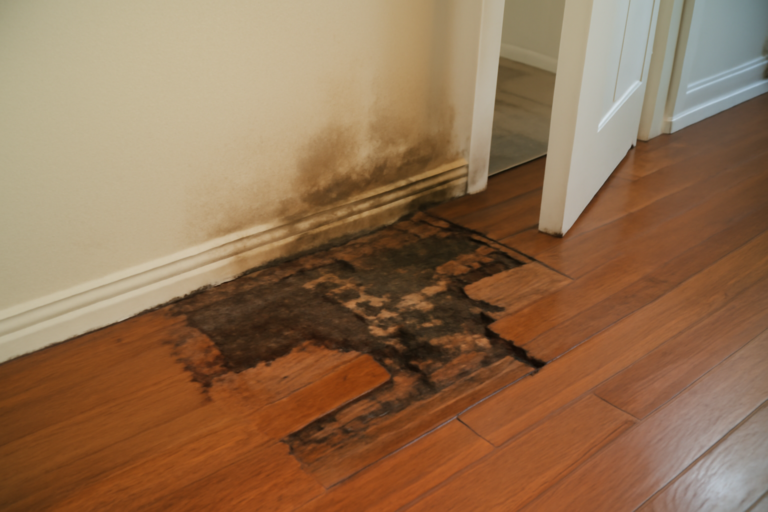
Visible Water Stains or Dark Spots
Look for discoloration on ceilings, walls, or the underside of your roof decking in the attic. These dark spots are clear visual evidence that water has penetrated and saturated the insulation and building materials.
Increased Energy Bills
Wet insulation loses its R-value, meaning it can’t effectively insulate your home. If you’ve noticed a sudden spike in your heating or cooling costs without any changes to your usage habits, compromised insulation could be the culprit.
Sagging or Compressed Insulation
When insulation absorbs water, it becomes heavy and can start to sag, pull away from the structure, or compress. This physical change means it’s no longer performing its job effectively.
Mold or Mildew Growth
Visible signs of mold or mildew, often appearing as fuzzy or slimy patches of green, black, or white, are a serious warning. This means moisture has been present long enough for mold to take hold.
Insulation Water Damage Restoration vs. DIY: When To Call a Professional
| Situation | DIY? | Call a Pro? | Why |
|---|---|---|---|
| Minor attic condensation on one small section | Yes, if you can safely access and dry the area. | Yes, if you’re unsure of the source or extent. | DIY is fine for small, easily manageable issues, but professional assessment prevents missed problems. |
| Suspected mold growth in attic insulation | No. | Yes. | Mold can be a serious health hazard and requires specialized containment and removal. |
| After a significant roof leak has soaked a large area | No. | Yes. | Large-scale water saturation requires powerful equipment for thorough drying and removal of compromised materials. |
| Damp spots on interior walls or ceilings | Maybe, for very small, isolated spots. | Yes. | Water can travel through walls, and professional inspection ensures the source and full extent of damage are found. |
| Concerned about long-term moisture issues affecting R-value | No. | Yes. | Professionals can test insulation effectiveness and recommend the best replacement options for your climate. |
| Water intrusion from plumbing leaks in walls | No. | Yes. | Plumbing leaks can cause hidden damage within walls, requiring careful extraction and drying to prevent structural rot. |
For any situation involving significant water saturation, potential mold, or if you’re unsure about the extent of the problem, calling a professional is always the safest and most effective route. Our trained technicians have the tools and knowledge to handle even the most challenging insulation water damage scenarios.
Insulation Water Damage Restoration Cost In Lilburn, GA
The cost of dealing with wet insulation in Lilburn, GA, can vary quite a bit. It really depends on how much insulation is affected, how severe the water damage is, and what kind of materials need to be removed or replaced. These prices are just estimates; a full assessment is needed for an exact quote.
| Service | Typical Price Range | What Affects Cost |
|---|---|---|
| Inspection and Moisture Assessment | $300 – $700 | Includes specialized equipment like thermal cameras. |
| Water Extraction from Insulation | $500 – $2,500 | Depends on the volume of water and accessibility of the area. |
| Structural Drying (Air Movers & Dehumidifiers) | $750 – $3,000 per day | Duration needed to dry the area thoroughly. |
| Mold Testing and Remediation | $1,000 – $5,000+ | Severity and spread of mold growth. |
| Insulation Removal | $1.00 – $3.00 per square foot | Amount of material needing to be discarded. |
| New Insulation Installation | $1.50 – $5.00 per square foot | Type of insulation material chosen and R-value. |
We offer free estimates, so you’ll know exactly what to expect before any work begins. Our team is committed to transparent pricing for all our services.
Service Areas Near Lilburn, GA:
Atlanta, Tucker, Norcross, Duluth, Suwanee, Johns Creek, Lawrenceville, Snellville, Stone Mountain, Decatur, Chamblee, Doraville, Sandy Springs, Marietta, Roswell, Alpharetta, Buford, Gainesville, Conyers, Stockbridge.
Common Questions About Insulation Water Damage Restoration
How long does it take to dry out wet insulation?
The drying time for wet insulation really depends on how saturated it is and the type of insulation. For minor dampness, it might take a few days with our specialized drying equipment. If it’s heavily soaked, removal and replacement might be quicker and more effective than attempting to dry it completely. We focus on getting the area dry and safe as efficiently as possible.
Will my homeowner’s insurance cover insulation water damage?
Often, yes, but it depends on the cause of the water intrusion. Standard policies typically cover sudden and accidental damage, like a burst pipe or storm damage. Pre-existing issues or gradual leaks due to poor maintenance might not be covered. It’s always best to check with your insurance provider and let us know what they advise.
Is wet insulation dangerous to my health?
Yes, wet insulation can pose health risks. Trapped moisture creates an ideal environment for mold and mildew to grow, which can release spores into your home’s air. These spores can trigger allergies, asthma, and other respiratory problems. Addressing the moisture promptly is key to maintaining healthy indoor air quality.
What kind of equipment do you use to dry insulation?
We use a range of professional-grade equipment, including high-powered air movers to circulate air and speed up evaporation, and industrial dehumidifiers to remove moisture from the air. For very wet insulation, we may also use specialized extraction tools. Our goal is to dry the affected materials thoroughly and prevent secondary damage.
Can I prevent my insulation from getting wet in the first place?
Absolutely. Regular home maintenance is your best defense. This includes checking your roof for leaks, ensuring proper attic ventilation to reduce condensation, sealing any gaps or cracks where moisture can enter, and promptly fixing any plumbing leaks. We can also advise on moisture-resistant insulation options during replacement.
Check Our Other Relevant Services

Jerry Johns is a licensed Damage Restoration Expert with over 20 years of hands-on experience helping homeowners and businesses navigate property crises. As a trusted authority in the field, Jerry combines technical precision with a compassionate approach to disaster recovery.
𝗖𝗲𝗿𝘁𝗶𝗳𝗶𝗰𝗮𝘁𝗶𝗼𝗻𝘀: Jerry holds multiple elite IICRC certifications, including Water Damage Restoration (WRT), Applied Microbial Remediation (Mold), Applied Structural Drying (ASD), Odor Control, and Fire and Smoke Restoration.
𝗙𝗮𝘃𝗼𝗿𝗶𝘁𝗲 𝗣𝗮𝘀𝘁𝗶𝗺𝗲: When he isn’t on a job site, Jerry is an avid outdoorsman who enjoys fly fishing and restoring vintage woodworking tools.
𝗕𝗲𝘀𝘁 𝗣𝗮𝗿𝘁 𝗼𝗳 𝘁𝗵𝗲 𝗝𝗼𝗯: Jerry finds the most fulfillment in seeing the relief on a client’s face when their property is finally restored to its pre-loss condition, turning a stressful disaster into a fresh start.