Trusted by 165+ Homeowners
Kitchen Water Damage Restoration in Johns Creek, GA
- Over 165 5-Star Reviews
- Free Estimates and Quotes
- 100% Satisfaction Guaranteed
- Child, Family & Pet Safe Steps
- 24-Hour Emergency Service
- Fully Licensed & Insured

When Your Kitchen Becomes a Water Hazard in Johns Creek, GA
Did you know that a leaky dishwasher hose or a cracked refrigerator line can release up to 100 gallons of water in just a few hours? That’s a lot of water for your kitchen cabinets and floors to handle. Kitchen water damage often starts small, but it can quickly spread, affecting everything from your flooring and subfloor to your drywall and cabinetry. Addressing it immediately is crucial to prevent long-term issues like mold growth and structural weakening. We’re here to help you navigate this stressful situation right here in Johns Creek, GA.
Homeowners in the area trust our team because we understand the urgency and complexity of kitchen water issues. With over 165 five-star reviews, it’s clear that our neighbors value our prompt, effective approach to restoring their kitchens. We handle insurance claims with meticulous documentation, making the process smoother for you. You get a reliable, local team focused solely on getting your kitchen back to normal.
- We specialize in drying out and restoring your kitchen’s structure, preventing hidden mold growth that can impact your family’s health.
- Our team works directly with your insurance provider, simplifying the claims process and helping you understand your coverage for kitchen water damage.
- We offer detailed assessments to identify the full extent of the damage, ensuring all affected areas are addressed, not just the visible ones.
How We Tackle Kitchen Water Damage
A methodical approach is essential when dealing with water in your kitchen. Cutting corners can lead to recurring problems and costly repairs down the line. Our process is designed to extract water thoroughly, dry out materials completely, and restore your kitchen’s integrity. We focus on preventing secondary damage like mold and structural compromise, which is why our trained technicians follow a strict protocol. You’ll know exactly what’s happening at each stage.
1. Initial Inspection and Assessment
Our first step is a thorough inspection of your kitchen. We use specialized equipment to detect hidden moisture in cabinets, walls, and under floors. This detailed assessment helps us understand the scope of the water intrusion and plan the most effective drying strategy. We typically complete this phase within a few hours of arrival.
2. Water Extraction
Once we’ve identified all water sources, we begin extraction. We use powerful pumps and vacuums to remove standing water quickly. Removing excess water is critical to minimize damage and reduce drying times. This stage can take anywhere from a few hours to a full day, depending on the volume of water.
3. Drying and Dehumidification
After extraction, we set up specialized drying equipment, including industrial air movers and dehumidifiers. These machines work to pull moisture from the air and building materials. Proper drying prevents mold growth and structural warping. This is a continuous process that can last several days, sometimes up to a week, depending on the materials and the extent of saturation.
4. Cleaning and Sanitization
Water damage can leave behind bacteria and odors. We thoroughly clean and sanitize all affected surfaces, including countertops, cabinets, and floors. Sanitizing your kitchen ensures a safe and healthy environment. This usually takes one to two days to complete.
5. Restoration and Rebuilding
Finally, we restore your kitchen to its pre-damage condition. This might involve replacing damaged drywall, flooring, or cabinetry. Our goal is complete restoration, ensuring your kitchen is functional and looks as good as new. The timeline for this step varies greatly, from a few days for minor repairs to several weeks for extensive rebuilding.
Don’t let kitchen water damage linger. Contact us immediately to start the restoration process. We’re ready to help get your kitchen back in order.

Warning Signs You Need Kitchen Water Damage Restoration
Catching water damage early is key to minimizing costs and preventing more serious issues. Ignoring these signs can lead to expensive repairs and potential health hazards. Our local team is trained to spot and address these problems effectively.
Musty Odors That Won’t Go Away
A persistent musty smell, especially in or around your kitchen cabinets or under the sink, is often a sign of hidden moisture and potential mold growth. Investigate these odors promptly.
Visible Water Stains or Discoloration
Look for water marks on ceilings, walls, or around appliance connections. Discoloration indicates that water has been present and may have saturated materials behind the surface.
Warped or Peeling Cabinetry
If your kitchen cabinets are swelling, warping, or the veneer is peeling, it’s a clear sign they’ve been exposed to excess moisture. Damaged cabinets can harbor mold.
Soft or Spongy Flooring
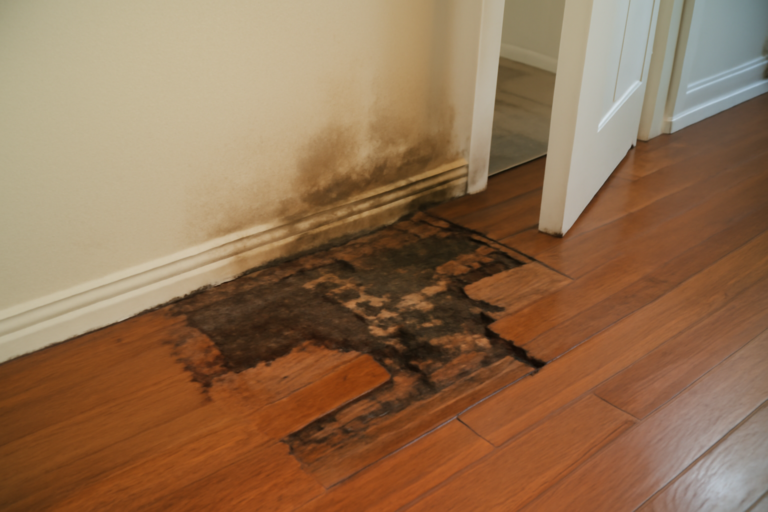
When your kitchen floor feels soft, spongy, or starts to lift, it means the subfloor beneath is likely saturated. This requires immediate attention to dry and repair.
Slow-Draining or Leaking Appliances
A dishwasher, refrigerator, or sink that’s leaking, even slightly, can cause significant water damage over time. Address appliance leaks right away.
Increased Humidity or Foggy Windows
A sudden increase in kitchen humidity, condensation on windows, or a generally damp feeling in the air can point to an ongoing water issue. Monitor your kitchen’s air quality.
Kitchen Water Damage Restoration vs. DIY: When To Call a Professional
| Situation | DIY? | Call a Pro? | Why |
|---|---|---|---|
| Minor spill from a dropped glass | Yes | No | Easy to clean up with towels, minimal risk. |
| Dishwasher leak with standing water in a small area | Maybe | Yes | Risk of subfloor saturation and mold if not dried properly. |
| Refrigerator line leak causing water under cabinets | No | Yes | Requires specialized drying equipment to reach hidden areas. |
| Burst pipe under the sink | No | Yes | Significant water volume needs professional extraction and drying. |
| Water damage affecting drywall or flooring | No | Yes | Materials may need replacement and thorough drying to prevent long-term issues. |
| Musty odors after a known leak | No | Yes | Indicates potential mold growth requiring professional assessment and remediation. |
While small spills are manageable, any significant water intrusion in your kitchen warrants professional attention. DIY efforts often fall short of properly drying saturated materials, leading to hidden mold and structural damage. Our team has the tools and expertise to ensure a complete and safe restoration.
Kitchen Water Damage Restoration Cost in Johns Creek, GA
The cost of kitchen water damage restoration in Johns Creek, GA, can vary widely. Factors like the extent of the damage, the size of the affected area, and the specific materials needing repair all influence the final price. These figures are general estimates and an on-site assessment is always needed for an accurate quote.
| Service | Typical Price Range | What Affects Cost |
|---|---|---|
| Water Extraction and Drying | $750 – $3,000 | Amount of water, size of kitchen, duration of drying needed. |
| Subfloor Drying and Repair | $1,000 – $5,000+ | Severity of saturation, type of subfloor, need for replacement. |
| Cabinet Drying and Restoration | $500 – $2,500 per section | Type of cabinet material, degree of swelling, need for partial or full replacement. |
| Flooring Removal and Replacement | $1,000 – $4,000+ | Type of flooring, size of area, cost of new materials. |
| Drywall Repair and Replacement | $300 – $1,500 per section | Amount of damaged drywall, complexity of repair, need for repainting. |
| Mold Remediation (if necessary) | $1,000 – $5,000+ | Amount of mold, affected materials, containment procedures required. |
Understanding these costs can help. We provide free estimates after an inspection so you know exactly what to expect. Let us assess your situation to give you a precise breakdown.
Service Areas Near Johns Creek, GA
Alpharetta, Berkeley Lake, Buford, Cumming, Duluth, Dunwoody, East Point, Fayetteville, Gainsville, Hapeville, Johns Creek, Kennesaw, Lawrenceville, Lilburn, Marietta, Norcross, Peachtree Corners, Roswell, Sandy Springs, Suwanee.
Common Questions About Kitchen Water Damage Restoration
What’s the first thing I should do if I find water in my kitchen?
The very first step is to shut off the water source if you can safely do so, like turning off the valve under the sink or the main water supply to your home. Then, if it’s safe, try to remove standing water with towels or buckets. Documenting the damage with photos is also important before any cleanup begins. Our team can guide you through these initial steps over the phone.
How long does it take to dry out a kitchen after water damage?
Drying times vary significantly, but typically it takes three to five days for most materials to dry completely using our specialized equipment. This can extend to a week or more if the water damage is extensive or if certain materials like dense cabinetry are heavily saturated. We monitor moisture levels closely to ensure thorough drying.
Will my homeowner’s insurance cover kitchen water damage?
In most cases, homeowner’s insurance covers sudden and accidental water damage, such as from a burst pipe or appliance malfunction. Damage from slow leaks or lack of maintenance might not be covered. We work closely with your insurance company to document the claim properly, helping to ensure you get the coverage you’re entitled to. We’re experienced with insurance processes in the area.
How do I know if there’s mold growth after water damage?
You might notice musty or earthy smells, visible mold patches (which can be black, green, or white), or unexplained allergy symptoms. Mold can grow within 24-48 hours in damp conditions. Our technicians are IICRC certified and use specialized tools to detect and remediate any mold growth, ensuring your kitchen is healthy again.
Can I prevent kitchen water damage?
Yes, you can take steps to prevent it. Regularly inspect appliance hoses, pipes under the sink, and around your dishwasher and refrigerator for leaks or wear. Don’t ignore small drips. Maintain your plumbing and address any potential issues promptly. If you do experience an issue, prompt action is key.
Check Our Other Relevant Services

Jerry Johns is a licensed Damage Restoration Expert with over 20 years of hands-on experience helping homeowners and businesses navigate property crises. As a trusted authority in the field, Jerry combines technical precision with a compassionate approach to disaster recovery.
𝗖𝗲𝗿𝘁𝗶𝗳𝗶𝗰𝗮𝘁𝗶𝗼𝗻𝘀: Jerry holds multiple elite IICRC certifications, including Water Damage Restoration (WRT), Applied Microbial Remediation (Mold), Applied Structural Drying (ASD), Odor Control, and Fire and Smoke Restoration.
𝗙𝗮𝘃𝗼𝗿𝗶𝘁𝗲 𝗣𝗮𝘀𝘁𝗶𝗺𝗲: When he isn’t on a job site, Jerry is an avid outdoorsman who enjoys fly fishing and restoring vintage woodworking tools.
𝗕𝗲𝘀𝘁 𝗣𝗮𝗿𝘁 𝗼𝗳 𝘁𝗵𝗲 𝗝𝗼𝗯: Jerry finds the most fulfillment in seeing the relief on a client’s face when their property is finally restored to its pre-loss condition, turning a stressful disaster into a fresh start.