Trusted by 165+ Homeowners
Mold Damage Restoration in Hiram, GA
- Over 165 5-Star Reviews
- Free Estimates and Quotes
- 100% Satisfaction Guaranteed
- Child, Family & Pet Safe Steps
- 24-Hour Emergency Service
- Fully Licensed & Insured

Tackling Mold Head-On in Hiram, GA
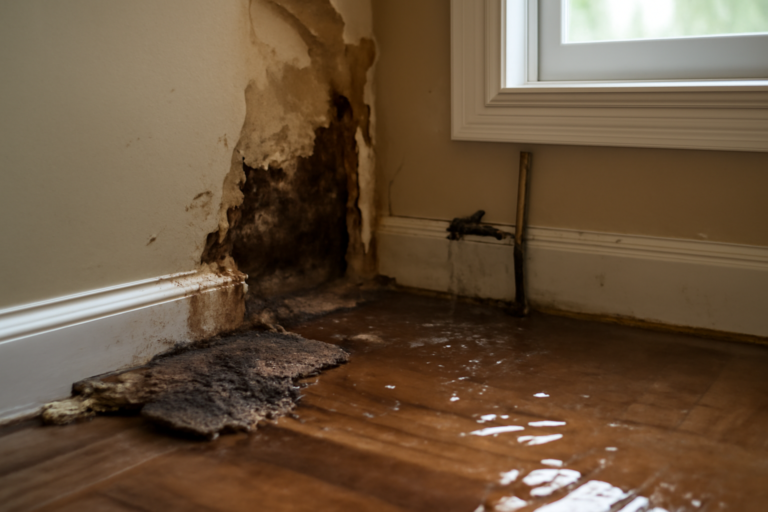
Here around Hiram, GA, we know how quickly those humid summer days and occasional heavy rains can lead to dampness indoors. If you’ve noticed a persistent musty smell or seen fuzzy patches on your walls, it’s probably not just a cosmetic issue. That’s your cue that mold might be taking hold, and it’s important to address it before it becomes a bigger, more serious problem for your home and your family’s health. We’re here to help you understand and combat it.
You’re not alone if you’re dealing with mold. We’ve helped over 165 families in the area tackle this issue, and they trust us because we focus on getting the job done right, the first time. Our local crews understand the specific challenges homeowners face around here and are dedicated to providing effective mold removal and restoration services that truly make a difference. We’re committed to restoring your home’s safety and integrity.
- We specialize in identifying the *source* of mold growth, not just cleaning up the visible signs, which is crucial for long-term prevention.
- Our advanced containment methods protect unaffected areas of your home during the remediation process, minimizing disruption.
- We use specialized equipment to ensure all mold spores are removed, not just spread around, leading to a healthier indoor environment.
How We Tackle Mold Damage Restoration
When mold shows up, it’s easy to feel overwhelmed, but a structured approach is key. Cutting corners on mold remediation can lead to recurring issues and health concerns, so our team follows a detailed, IICRC-certified process. We believe in educating you about each step, so you know exactly what to expect and why it’s important for achieving a truly mold-free home. This careful method ensures we address the root cause and prevent future infestations.
Inspection and Assessment
The first thing we do is a thorough inspection of your property. We’ll look for visible mold and use specialized tools to detect hidden moisture, which is mold’s favorite hiding spot. Understanding the extent of the problem is the first critical step in planning the remediation.
Containment of Affected Areas
Once we locate the mold, we’ll set up containment barriers, usually using plastic sheeting and negative air pressure. This prevents mold spores from spreading to other parts of your home during the cleaning process. It’s a vital step for protecting your indoor air quality.
Mold Removal and Cleaning
Our trained technicians carefully remove mold-damaged materials. This can include drywall, insulation, or carpeting. We then clean and treat all affected surfaces with antimicrobial solutions to kill any remaining mold and prevent regrowth. This is where our specialized equipment truly shines.
Drying and Dehumidification
Mold thrives in moisture, so after cleaning, we thoroughly dry the area. We use industrial-grade dehumidifiers and air movers to remove excess moisture from the air and building materials. Getting everything back to normal moisture levels is essential for preventing recurrence.
Final Inspection and Verification
After the work is done, we conduct a final inspection to ensure all mold has been removed and the area is safe. We’ll often use air sampling to verify that your indoor air quality has returned to normal. Your satisfaction is our guarantee, and we want you to feel confident in the results.
Don’t let mold linger in your home. If you suspect a mold problem, it’s best to get it assessed sooner rather than later. Contact us today for a professional evaluation and to discuss your options for a healthier living space.

Warning Signs You Need Mold Damage Restoration
Catching mold early can save you a lot of headaches and expense. You don’t need to be a mold expert to spot some of the most common indicators that it’s time to call in professionals. Paying attention to these signs can help you address the issue before it impacts your home’s structure or your family’s health.
Musty Odors That Won’t Go Away
A persistent damp, earthy, or musty smell, especially in bathrooms, basements, or kitchens, is often the first sign of mold, even if you can’t see it. This odor can linger because mold is likely growing behind walls or under flooring.
Visible Mold Growth
This is the most obvious sign. Mold can appear in various colors, including green, black, white, or orange, and may look fuzzy, slimy, or powdery. If you see it, it’s time for professional mold assessment.
Water Damage or Leaks
Any area that has experienced water damage, like a leaky pipe, roof leak, or flooding, is a prime spot for mold to develop within 24-48 hours. Addressing the water damage promptly is key, but mold can still form.
Peeling or Bubbling Paint/Wallpaper
Moisture trapped behind paint or wallpaper can cause it to peel, blister, or detach from the surface. This is often an indicator of a moisture problem that could be feeding mold growth.
Discoloration on Walls or Ceilings
Irregular spots or stains on your walls or ceilings, especially if they are accompanied by a musty smell, could be mold. These stains often appear because mold is growing on the surface or just beneath it.
Health Symptoms
If you or your family members are experiencing unexplained allergy-like symptoms, such as sneezing, itchy eyes, skin rashes, or respiratory problems that improve when you leave the house, mold could be the culprit. It’s important to consider if these symptoms are tied to your home environment.
Mold Damage Restoration vs. DIY: When To Call a Professional
| Situation | DIY? | Call a Pro? | Why |
|---|---|---|---|
| Small, isolated mold spots (less than 1 square foot) on a non-porous surface. | Yes | No | Easier to clean safely yourself with proper precautions. |
| Mold growth on drywall or porous materials. | No | Yes | Porous materials often need to be removed and replaced. |
| Musty odors with no visible mold, or mold in hidden areas (behind walls, under floors). | No | Yes | Requires specialized equipment to find and remediate hidden mold. |
| Mold that resulted from sewage backup or contaminated water. | Absolutely Not | Yes | High risk of hazardous pathogens; requires professional containment and cleaning. |
| Mold covering a large area (more than 10 square feet). | No | Yes | Extensive mold requires professional containment and remediation techniques. |
| Recurring mold growth after previous attempts to clean it. | No | Yes | Indicates the underlying moisture source or remediation was incomplete. |
While you might be able to handle very minor surface mold yourself, anything beyond that, especially if it’s on porous materials or covers a larger area, is best left to the pros. For effective mold removal and to ensure it doesn’t come back, professional assessment and remediation are usually necessary.
Mold Damage Restoration Cost In Hiram, GA
The cost for mold damage restoration in Hiram, GA can vary quite a bit. Factors like the size of the affected area, the type of materials involved, and the complexity of the mold growth all play a role. These estimates will give you a general idea, but a personal inspection is always needed for an accurate quote.
| Service | Typical Price Range | What Affects Cost |
|---|---|---|
| Mold Inspection and Assessment | $300 – $1,000 | Size of property, complexity of suspected mold, and need for specialized testing. |
| Containment Setup | $500 – $1,500 | Size of the area needing containment and the type of barriers required. |
| Surface Mold Cleaning (non-porous) | $500 – $2,500 | Square footage of the affected area and the severity of mold growth. |
| Porous Material Remediation (e.g., drywall removal) | $1,000 – $5,000+ | Amount of material needing removal, disposal costs, and replacement materials. |
| Air Filtration and Purification | $300 – $1,000 | Duration of filtration needed and the power of the equipment used. |
| Reconstruction/Repair | Varies Widely | The extent of damage to building materials like drywall, insulation, or flooring. |
Getting a free estimate is the best way to understand the specific costs for your situation. Our team will come out, assess the mold problem, and provide you with a clear, detailed breakdown. We aim to make the process of restoring your home as straightforward as possible.
Service Areas Near Hiram, GA
Acworth, Austell, Ball Ground, Dallas, Douglasville, Fairburn, Fayetteville, Hiram, Johns Creek, Kennesaw, Lithia Springs, Mableton, Marietta, Powder Springs, Roswell, Sandy Springs, Smyrna, Stockbridge, Temple, Villa Rica
Common Questions About Mold Damage Restoration
How quickly does mold grow after water damage?
Mold can begin to grow in as little as 24 to 48 hours after a water intrusion event. If you’ve had a leak or flooding, it’s crucial to dry out the affected areas thoroughly and quickly to prevent mold from taking hold. We have the specialized drying equipment to accelerate this process and minimize the risk.
Is mold dangerous to my health?
Yes, mold can pose health risks, especially for individuals with allergies, asthma, or compromised immune systems. Exposure can cause symptoms like coughing, wheezing, nasal stuffiness, and skin irritation. Our team takes health and safety seriously, using proper containment and protective gear during remediation.
How much does mold remediation typically cost in Hiram, GA?
The cost for mold remediation varies greatly depending on the extent of the mold growth, the size of the affected area, and the type of materials impacted. For a small area, it might be a few hundred dollars, while a larger, more complex infestation can cost several thousand. We provide free on-site estimates to give you a clear picture of the investment for your specific needs.
What is the process for mold remediation?
Our process involves identifying the source of moisture, containing the moldy area to prevent spore spread, removing contaminated materials, cleaning and treating affected surfaces, and finally, drying the area thoroughly. We follow strict protocols to ensure all mold is removed and the environment is safe. Our IICRC-certified technicians are trained to handle this complex restoration effectively.
Can I prevent mold from coming back after it’s removed?
Prevention is key! The best way to stop mold from returning is to control moisture. This means fixing any leaks promptly, ensuring good ventilation in bathrooms and kitchens, and using dehumidifiers in damp areas. We can help identify potential moisture issues during our inspection and provide advice on maintaining a dry home.
Check Our Other Relevant Services

Jerry Johns is a licensed Damage Restoration Expert with over 20 years of hands-on experience helping homeowners and businesses navigate property crises. As a trusted authority in the field, Jerry combines technical precision with a compassionate approach to disaster recovery.
𝗖𝗲𝗿𝘁𝗶𝗳𝗶𝗰𝗮𝘁𝗶𝗼𝗻𝘀: Jerry holds multiple elite IICRC certifications, including Water Damage Restoration (WRT), Applied Microbial Remediation (Mold), Applied Structural Drying (ASD), Odor Control, and Fire and Smoke Restoration.
𝗙𝗮𝘃𝗼𝗿𝗶𝘁𝗲 𝗣𝗮𝘀𝘁𝗶𝗺𝗲: When he isn’t on a job site, Jerry is an avid outdoorsman who enjoys fly fishing and restoring vintage woodworking tools.
𝗕𝗲𝘀𝘁 𝗣𝗮𝗿𝘁 𝗼𝗳 𝘁𝗵𝗲 𝗝𝗼𝗯: Jerry finds the most fulfillment in seeing the relief on a client’s face when their property is finally restored to its pre-loss condition, turning a stressful disaster into a fresh start.