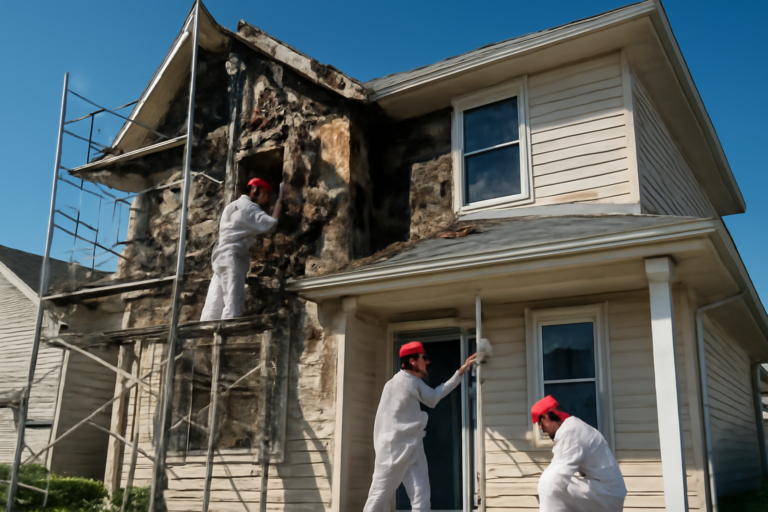
Trusted by 165+ Homeowners
Sewage Damage Restoration in Conyers, GA
- Over 165 5-Star Reviews
- Free Estimates and Quotes
- 100% Satisfaction Guaranteed
- Child, Family & Pet Safe Steps
- 24-Hour Emergency Service
- Fully Licensed & Insured
Expert Sewage Damage Restoration in Conyers, GA
When your property experiences a sewage backup, it’s more than just a mess; it’s a serious health hazard and a huge disruption. We’ve seen it all right here in Conyers, GA, from flooded basements in older homes to sewer line breaks affecting multiple properties in your neighborhood. Our team has spent years mastering the intricacies of sewage damage restoration, understanding the unique challenges this specific disaster presents. We know how to handle the most challenging situations safely and effectively.
With over 165 five-star reviews from homeowners like you, our reputation for reliable sewage damage restoration speaks for itself. People in the area trust us because we don’t just clean up; we ensure your home is truly restored to a healthy, safe environment. You’ll find that our dedicated, experienced crews make a significant difference when you’re dealing with the aftermath of a sewage incident. We understand the stress you’re under and aim to make this difficult time as manageable as possible.
- We specialize in safely removing hazardous blackwater and preventing the spread of harmful bacteria and viruses that sewage contains.
- Our advanced drying and dehumidification techniques tackle hidden moisture, preventing long-term issues like mold growth and structural rot.
- We provide detailed documentation for your insurance claims, helping to navigate the complexities and get your property fully covered.
The Proper Process for Sewage Damage Restoration
Sewage damage restoration is not a job for amateurs. A rushed or incomplete cleanup can lead to lingering odors, unhealthy conditions, and escalating repair costs down the line. That’s why our team follows a meticulous, proven process designed to eliminate all traces of contamination and restore your home to its pre-loss condition. We believe in doing the job right the first time, which means investing in the right equipment and training to tackle even the most severe sewage issues. Understanding our process helps you know what to expect and why professional intervention is crucial for your family’s well-being.
Step 1: Initial Inspection and Assessment
The moment you call us, we’re on our way to assess the situation. We’ll identify the source of the sewage backup, determine the extent of the damage, and map out the affected areas. This critical first step allows us to develop a targeted plan and estimate the necessary resources. We use specialized moisture meters and thermal imaging to detect hidden water, ensuring no area is overlooked. This phase typically takes 1-3 hours, depending on the complexity.
Step 2: Containment and Safety Measures
Before any cleanup begins, our priority is your safety. We’ll set up containment barriers to prevent the spread of contaminants to unaffected parts of your home. This involves sealing off doorways and ventilation systems. Our crews wear full personal protective equipment (PPE) to protect themselves and prevent cross-contamination. This step is vital for ensuring a healthy environment throughout the restoration process.
Step 3: Water Extraction and Removal
We utilize powerful, professional-grade pumps and extraction equipment to remove standing sewage water as quickly and efficiently as possible. The sooner we can extract the bulk of the water, the better we can control the damage and begin the drying process. This is a labor-intensive phase that requires specialized machinery not available to homeowners. The time this takes varies greatly based on the volume of water, but it’s our immediate focus.
Step 4: Demolition and Debris Removal
Unfortunately, porous materials like drywall, carpeting, padding, and some subflooring often cannot be salvaged after a sewage backup. We’ll carefully remove and dispose of these contaminated items following strict environmental guidelines. This necessary demolition ensures that all sources of contamination are removed from your home. We bag and tag all contaminated materials for proper disposal.
Step 5: Cleaning and Sanitization
This is where we truly eliminate the hazards. We use EPA-approved cleaning agents and disinfectants to thoroughly clean all affected surfaces, including structural materials and any items that can be salvaged. Our goal is to neutralize odors and kill harmful pathogens, making your home safe again. We pay close attention to every nook and cranny to ensure a complete sanitization.
Step 6: Drying and Dehumidification
Once everything is clean, we deploy industrial-strength air movers and dehumidifiers. These machines work tirelessly to remove residual moisture from the air and building materials. Proper drying is absolutely essential to prevent mold growth and secondary damage. This advanced drying process can take several days to a week or more, depending on the extent of the initial saturation.
Step 7: Odor Control and Final Inspection
Sewage backups often leave behind stubborn odors. We employ specialized odor removal treatments, such as ozone generators or thermal fogging, to eliminate smells at their source. Before we consider the job done, we conduct a thorough final inspection, often with moisture readings, to ensure your home is completely dry and odor-free. Your satisfaction with the restored living space is our ultimate goal.
Don’t let sewage damage linger; contact us immediately for a prompt and professional response. We’re ready to help you restore your home’s safety and comfort.

Warning Signs You Need Sewage Damage Restoration
Ignoring the signs of sewage contamination can lead to serious health risks and expensive structural damage. Catching these indicators early is key to minimizing the impact on your home and your family. Our team is trained to recognize and address these issues effectively, ensuring your property is truly free from harm.
Musty Odors That Won’t Go Away
A persistent, unpleasant smell, especially a musty or rotten odor, is often the first sign of sewage contamination. This indicates that bacteria are actively growing. Don’t try to mask it; address the source of the smell.
Visible Sewage or Wastewater
Any visible signs of sewage, wastewater backing up from drains, or standing water that smells foul are clear indicators of a problem. This is a high-risk situation requiring immediate professional attention.
Water Stains or Discoloration
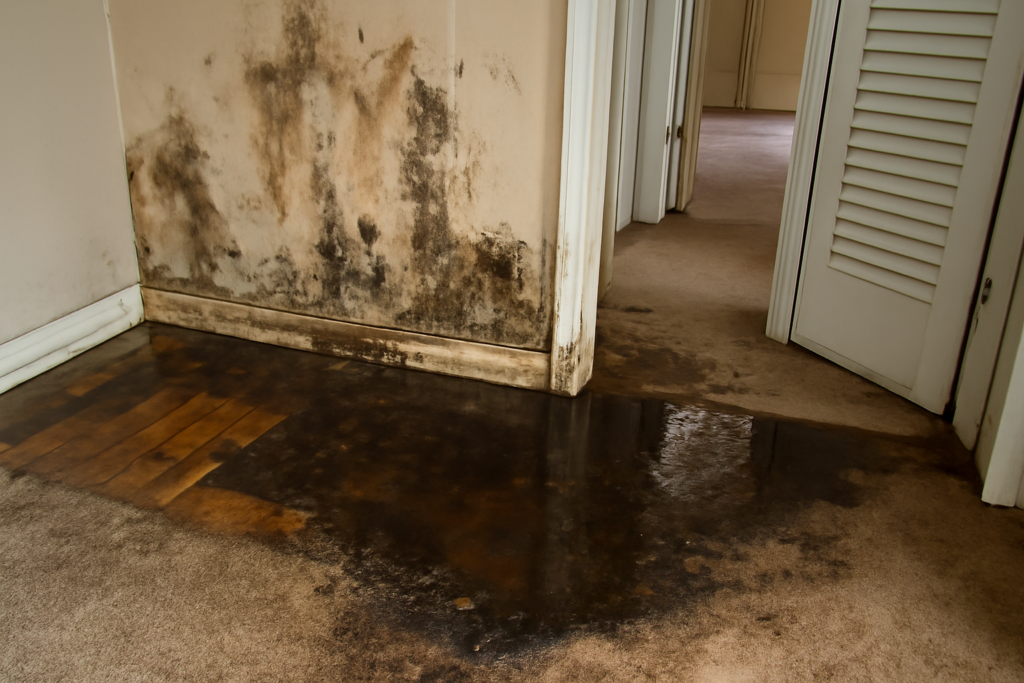
Brown or discolored water stains appearing on ceilings, walls, or floors can suggest water intrusion from a sewage source. Look for unusual water marks that weren’t there before.
Slow Drains or Toilet Backups
If multiple drains in your home are running slowly, or if your toilet is backing up, it could signal a blockage in the main sewer line. This is a warning of potential overflow.
Gurgling Sounds from Plumbing
Strange gurgling noises coming from your pipes, especially when water is running elsewhere in the house, can indicate air being pushed back by sewage. This often points to a plumbing system issue.
Mold or Mildew Growth
While often associated with water damage, mold and mildew can also appear in areas affected by sewage, especially if moisture has been present for a while. This is a sign of unhealthy air quality.
Sewage Damage Restoration vs. DIY: When To Call a Professional
| Situation | DIY? | Call a Pro? | Why |
|---|---|---|---|
| Minor toilet overflow (contained to the toilet bowl) | Yes | No | Usually manageable with basic cleaning supplies. |
| Small, contained spill on a hard surface (e.g., tile floor) from a clean water source | Yes | No | Can be disinfected and dried with household products. |
| Sewage backing up into a basement or crawl space | No | Yes | Involves hazardous blackwater and requires specialized equipment for safe removal and sanitation. |
| Any situation involving blackwater (sewage, floodwater from rivers/lakes) | No | Yes | Blackwater is a serious health hazard requiring professional containment and disinfection. |
| Water intrusion that has soaked into drywall, insulation, or subflooring | No | Yes | These materials need professional drying and often removal to prevent mold and structural damage. |
| Persistent foul odors after a water incident | No | Yes | Odors indicate unseen contamination or moisture that requires professional treatment. |
For any situation involving actual sewage or floodwater, calling a professional is the safest and most effective route. Attempting DIY cleanup of hazardous blackwater can expose you and your family to serious health risks and often leads to incomplete drying and subsequent mold problems. We ensure complete contamination removal and thorough drying.
Sewage Damage Restoration Cost In Conyers, GA
The cost of sewage damage restoration in Conyers, GA, can vary significantly based on the severity of the backup, the size of the affected area, and the type of materials contaminated. These figures are meant to give you a general idea; an on-site assessment is always needed for an accurate estimate. We aim to provide transparent pricing for your restoration needs.
| Service | Typical Price Range | What Affects Cost |
|---|---|---|
| Initial Inspection and Assessment | $200 – $750 | Complexity of the issue, travel time. |
| Water Extraction and Removal | $500 – $4,000+ | Volume of water, size of the affected space. |
| Containment and Safety Setup | $300 – $1,500 | Size of the area needing containment, specialized equipment. |
| Demolition and Debris Removal | $500 – $3,000+ | Amount of contaminated materials to be removed, disposal fees. |
| Cleaning and Sanitization | $750 – $5,000+ | Severity of contamination, type of cleaning agents used. |
| Drying and Dehumidification | $1,000 – $7,500+ | Duration of drying needed, number of machines required. |
| Odor Control Treatment | $500 – $2,500 | Type of odor treatment, size of the affected area. |
Exact pricing depends on a thorough on-site assessment by our trained technicians. We offer free, no-obligation estimates to help you understand the scope and cost of restoration for your property.
Service Areas Near Conyers, GA
Stockbridge, Lithonia, Ellenwood, Covington, Scottdale, Decatur, Atlanta, Powder Springs, Austell, Mableton, Smyrna, Marietta, Roswell, Johns Creek, Suwanee, Duluth, Norcross, Peachtree Corners, Buford, Lawrenceville.
Common Questions About Sewage Damage Restoration
What are the health risks associated with sewage backups?
Sewage contains a dangerous mix of bacteria, viruses, and other pathogens that can cause serious illnesses. Exposure can lead to gastrointestinal problems, infections, and respiratory issues. It’s crucial to address sewage contamination immediately to protect your family’s health and prevent long-term health consequences. Our team uses specialized disinfectants to ensure a thorough sanitization.
How quickly do I need to address sewage damage?
You need to address sewage damage as soon as possible. The longer sewage sits, the more it contaminates your home and the higher the risk of mold growth and structural damage. Within 24-48 hours, mold can begin to grow in damp conditions. Prompt action is key to minimizing damage and costs.
Will my homeowner’s insurance cover sewage damage?
Coverage varies greatly depending on your specific policy. Standard policies often exclude damage from sewer backups unless you have a specific rider or endorsement for it. We can help you navigate the insurance process and provide the necessary documentation, but it’s best to review your policy or speak with your insurance provider directly.
How long does sewage damage restoration typically take?
The timeline for sewage damage restoration depends heavily on the extent of the contamination and saturation. While extraction and initial cleanup might take a few days, the crucial drying and dehumidification process can take anywhere from a few days to over a week. We work efficiently to restore your home safely and as quickly as possible.
Can I prevent sewage backups from happening?
While some backups are unavoidable due to external factors, you can reduce the risk. Avoid flushing anything other than toilet paper down your drains, be mindful of what goes down your kitchen sink, and consider installing backwater valves in your plumbing system. Regular maintenance can also help prevent future issues.
Check Our Other Relevant Services
Serving Conyers, GA And Nearby Areas