Trusted by 165+ Homeowners
Sewer Backup Cleanup in Conyers, GA
- Over 165 5-Star Reviews
- Free Estimates and Quotes
- 100% Satisfaction Guaranteed
- Child, Family & Pet Safe Steps
- 24-Hour Emergency Service
- Fully Licensed & Insured

When Your Pipes Back Up in Conyers, GA
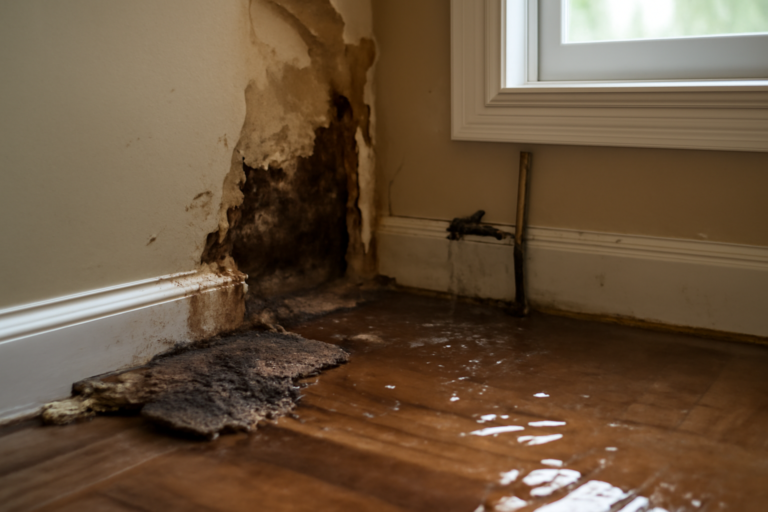
The smell hits you first. That unmistakable, unpleasant odor that signals something is seriously wrong. You notice water pooling on your floor, and a quick look reveals it’s not clean water. It’s coming from your drains, a clear sign of a sewer backup. This isn’t just an inconvenience; it’s a health hazard that needs immediate attention. Dealing with sewage in your home requires a specialized cleanup process, and you need it handled professionally, right away.
Homeowners around here trust us when they face this difficult situation. We’ve helped hundreds of families in your neighborhood restore their homes after a sewer backup. Our proven track record is reflected in over 165 five-star reviews from satisfied customers who counted on us for fast, effective service. You can count on our team too.
- We use advanced containment methods to prevent cross-contamination, protecting your family’s health.
- Our specialized equipment can remove sewage and thoroughly dry out affected materials, preventing mold growth.
- We handle the entire process, from removal to sanitization, so you don’t have to worry about the details.
The Proper Process For Sewer Backup Cleanup
A sewer backup isn’t something you can just mop up. It involves biohazards and requires a meticulous approach to ensure your home is truly safe and clean. Our team follows strict protocols, using specialized equipment to identify the source of the problem, contain the affected area, and then restore your property. Cutting corners in this process can lead to lingering odors, mold, and long-term health issues. We’re committed to doing it right, the first time.
Step 1: Emergency Assessment and Containment
As soon as you call, we dispatch a crew to your property. We’ll quickly assess the situation, identify the extent of the damage, and set up containment barriers to prevent the spread of contaminants. This initial step is crucial for limiting further damage and ensuring our safety protocols are in place.
Step 2: Sewage Extraction
Our technicians use powerful, truck-mounted vacuum systems to remove standing sewage water. This equipment is designed to handle even the most challenging situations, safely extracting contaminated water and debris. It’s a critical phase that removes the bulk of the mess.
Step 3: Structural Drying and Dehumidification
Once the visible water is gone, we use industrial-grade air movers and dehumidifiers. These machines work tirelessly to extract hidden moisture from carpets, subfloors, walls, and even the air. Achieving the correct moisture levels is key to preventing secondary damage like mold.
Step 4: Sanitization and Deodorization
Sewage backups leave behind harmful bacteria and viruses. We apply EPA-approved antimicrobial treatments to all affected surfaces to kill germs and neutralize odors at their source. This step ensures your home is not only dry but also hygienically clean and odor-free.
Step 5: Material Removal and Replacement
Sometimes, materials like drywall, insulation, or flooring are too saturated or contaminated to be saved. In these cases, our team carefully removes and disposes of affected items, then works to replace them, restoring your home to its pre-loss condition. We aim for a complete restoration.
Don’t wait when you suspect a sewer backup. Call us now to get our trained professionals on their way to your home immediately. We’re ready to handle this messy job for you.

Warning Signs You Need Sewer Backup Cleanup
Catching the early indicators of a sewer backup can save you from a much larger, more expensive, and more unpleasant cleanup. Many homeowners overlook subtle signs, only to face a full-blown sewage overflow later. Being aware of these warnings can help you act fast and prevent significant damage to your property.
Musty Odors That Won’t Go Away
A persistent, unpleasant smell, often described as musty, sewage-like, or like rotten eggs, is a strong indicator. This odor can originate from drains, toilets, or even from within walls, signaling a potential blockage or leak. Ignoring this persistent foul smell is a mistake.
Gurgling Sounds from Drains or Toilets
When you flush a toilet or run water, do you hear unusual gurgling sounds coming from other drains or the toilet bowl itself? This often means air is being pushed back up through the pipes, a clear sign that something is obstructing the flow. These unusual noises are a red flag.
Slow Draining or Standing Water
If water is draining much slower than usual in your sinks, tubs, or showers, or if water is backing up into the basin after use, it points to a clog. This slow drainage is often the first sign of a developing blockage that could lead to a backup.
Toilet Water Level Changes
Does your toilet bowl water level seem unusually high or low after flushing, or does it rise when other fixtures are used? This can indicate a problem further down the line in your plumbing system. Pay attention to abnormal water levels.
Sewage or Foul Water Outside
Look for wet spots or unusual odors around your yard, especially near your sewer line cleanout access point. You might even see standing water or evidence of sewage discharge. This is a serious warning sign of an external sewer line issue.
Plunger Not Working Effectively
If plunging a toilet or drain doesn’t resolve the slow draining issue, or if water backs up into other fixtures when you try, it suggests the clog is too severe or too far down the line for a simple plunger to fix. This means a professional intervention is likely needed.
Sewer Backup Cleanup vs. DIY: When To Call a Professional
| Situation | DIY? | Call a Pro? | Why |
|---|---|---|---|
| Minor sink clog, no backup | Yes, with caution. | No. | A simple plunger or snake might clear it without risk. |
| Toilet water rises but drains eventually | Maybe, with extreme caution. | Yes. | Risk of overflow and contact with hazardous waste is high. |
| Sewage water visible on floors | Absolutely Not. | Yes, immediately. | Biohazard risks are severe; specialized equipment is required. |
| Persistent foul odors after clearing a clog | No. | Yes. | Hidden moisture and bacteria require professional sanitization and drying. |
| Multiple fixtures backing up simultaneously | Absolutely Not. | Yes, immediately. | Indicates a major line blockage requiring professional assessment and equipment. |
| Suspected damage to the main sewer line | Absolutely Not. | Yes, immediately. | Requires specialized inspection and repair beyond typical homeowner capabilities. |
For anything involving visible sewage water, strong odors, or multiple fixtures backing up, calling a professional is not just recommended, it’s essential. These situations pose significant health risks and require specialized equipment and training. Our team is prepared to handle these complex emergencies safely and effectively.
Sewer Backup Cleanup Cost In Conyers, GA
The cost of sewer backup cleanup in Conyers, GA can vary widely depending on the severity of the backup, the size of your home, and the extent of the affected areas. These figures are estimates, and a proper assessment is needed for an accurate quote. We strive to provide clear pricing upfront.
| Service | Typical Price Range | What Affects Cost |
|---|---|---|
| Initial Assessment and Containment | $300 – $800 | Complexity of containment setup and travel time. |
| Sewage Water Extraction | $500 – $3,000+ | Volume of water to be removed and area size. |
| Structural Drying (Air Movers & Dehumidifiers) | $400 – $2,500+ | Duration of drying needed and number of units required. |
| Sanitization and Deodorization | $300 – $1,500+ | Area treated and type of antimicrobial solutions used. |
| Damaged Material Removal (e.g., carpet, drywall) | $200 – $1,000+ per room | Amount of material needing removal and disposal fees. |
| Reconstruction/Replacement of Materials | Varies widely | Type and extent of materials needing replacement. |
The best way to get an accurate estimate for your specific situation is to have our team perform an on-site inspection. We offer free, no-obligation estimates so you know exactly what to expect.
Service Areas Near Conyers, GA
Atlanta, Avondale Estates, Belvedere Park, Brookhaven, Chamblee, Clarkston, Covington, Decatur, Doraville, Druid Hills, Dunwoody, Ellenwood, Fayetteville, Forest Park, Grayson, Hampton, Hendersonville, High Point, Johns Creek, Jonesboro, Kennesaw, Lawrenceville, Lilburn, Lithia Springs, Lithonia, Locust Grove, Lovejoy, Mableton, Marietta, McDonough, Morrow, Mountain Park, Newnan, Norcross, North Atlanta, North Decatur, North Druid Hills, Peachtree City, Pine Lake, Powder Springs, Riverdale, Roswell, Sandy Springs, Scottdale, Smyrna, Snellville, Stockbridge, Stone Mountain, Suwanee, Tucker, Union City, Vinings, Winder, Woodstock.
Common Questions About Sewer Backup Cleanup
What should I do immediately after a sewer backup?
Your first priority is safety. Avoid touching contaminated water or surfaces. Turn off your main water valve if the backup is severe. Open windows for ventilation if it’s safe to do so. Then, call our team immediately. We’ll guide you through the next steps and get our crew dispatched.
How much does sewer backup cleanup cost?
Costs vary based on the extent of the damage, the volume of sewage, and the materials affected. Expect ranges from a few hundred dollars for minor issues to several thousand for extensive contamination. We provide detailed estimates after assessing your property to ensure transparency.
How long does sewer backup cleanup take?
The timeline depends on the severity. Minor backups might be resolved in 1-2 days, while severe cases requiring extensive drying and reconstruction can take a week or more. Our goal is always to work efficiently to restore your home as quickly as possible while ensuring thorough restoration.
Is sewer backup cleanup covered by insurance?
Often, yes, but it depends on your specific homeowner’s insurance policy and the cause of the backup. Some policies cover sewage backup, while others do not. We can help you document the damage and work with your insurance adjuster to streamline the claims process. We’ll help you navigate the claims.
Can I prevent future sewer backups?
Regular maintenance is key. Avoid flushing anything other than toilet paper. Be mindful of what goes down your drains. Consider installing a backwater valve if you’re in a flood-prone area. While not all backups are preventable, proactive steps significantly reduce the risk. We can offer advice on preventative measures.
Check Our Other Relevant Services
Serving Conyers, GA And Nearby Areas