Trusted by 165+ Homeowners
Sewage Damage Restoration in Hapeville, GA
- Over 165 5-Star Reviews
- Free Estimates and Quotes
- 100% Satisfaction Guaranteed
- Child, Family & Pet Safe Steps
- 24-Hour Emergency Service
- Fully Licensed & Insured
Expert Sewage Damage Restoration in Hapeville, GA
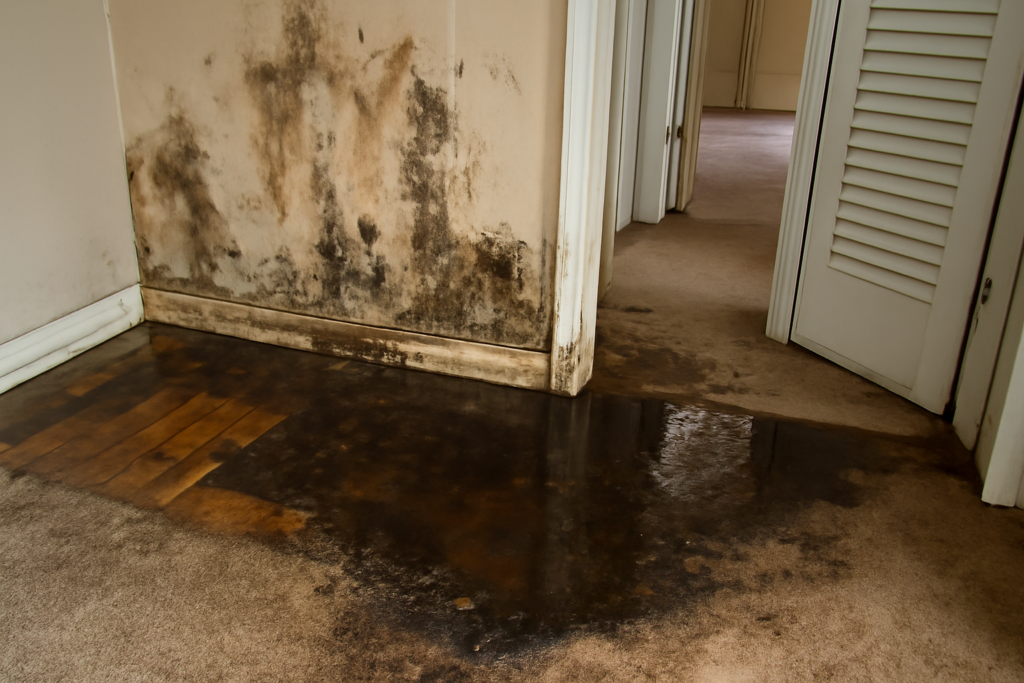
You’ve just walked into your home and the smell hits you. It’s that unmistakable, deeply unpleasant odor of sewage. Maybe you see water pooling on the floor, or perhaps you’re just trying to figure out where that foul smell is coming from. Dealing with sewage backups is a stressful and frankly, disgusting situation. It’s more than just an inconvenience; it’s a serious health hazard and requires immediate professional attention to prevent further damage and protect your family’s well-being. We understand how overwhelming this can be, and our team is ready to respond quickly when you need urgent sewage cleanup.
Homeowners around here trust us for their most challenging sewage damage situations. We’ve helped over 165 families in your neighborhood restore their homes, and we’re committed to providing a clear, effective restoration process. You need a team that knows the science behind proper sewage remediation and has the right tools to get the job done right, the first time. We’ve earned their trust by consistently delivering results that go beyond just cleaning up the mess; we focus on restoring your healthy environment.
- We contain the contamination immediately, preventing it from spreading to other areas of your home and creating further hazards.
- Our advanced drying and dehumidification equipment extracts hidden moisture, stopping mold growth before it can start.
- We thoroughly sanitize and deodorize affected materials, ensuring your home is not only clean but also safe and odor-free.
How Sewage Damage Restoration Actually Works
When sewage invades your home, it’s not just about mopping up water. It’s a complex process involving containment, removal of contaminated materials, and precise drying and sanitization. Cutting corners here can lead to lingering odors, mold growth, and serious health risks for your family. Our team follows strict protocols, utilizing specialized equipment and scientific principles to ensure every trace of contamination is eliminated. We believe in a thorough, methodical approach to effective sewage cleanup, so you can be confident in the safety of your home after we’re done.
Containment and Safety Protocols
The first, most crucial step is to establish a safe zone. Our crews use specialized barriers and negative air pressure systems to contain the affected area. This prevents contaminated particles from spreading throughout your house. Protecting your family’s health is our top priority during this phase, and we take every precaution. This containment typically takes a few hours, depending on the extent of the contamination.
Water and Contaminant Removal
Once containment is set, we begin the physical removal of sewage and contaminated water. We use powerful truck-mounted extraction units and specialized pumps to remove standing water. We also carefully remove saturated materials like carpet, padding, drywall, and insulation that cannot be effectively cleaned and sanitized. This is a physically demanding process that requires specialized extraction equipment and protective gear to ensure our technicians’ safety.
Structural Drying and Dehumidification
After the bulk of the sewage is removed, the real challenge is addressing hidden moisture. We deploy industrial-grade air movers and dehumidifiers to systematically dry out the affected structure. We monitor moisture levels with advanced meters to ensure materials dry to their original state. This phase is critical for preventing secondary damage like mold and structural rot, and it can take several days to a week or more, depending on the materials and the extent of the water intrusion.
Sanitization and Odor Elimination
Sewage is teeming with bacteria and viruses. We use EPA-approved disinfectants to thoroughly sanitize all affected surfaces and materials that are salvageable. We also employ specialized deodorizing treatments to neutralize stubborn odors at their source. This step is vital for restoring a healthy living environment and ensuring your home feels fresh again. This process can take a day or two, with ongoing monitoring for odors.
Reconstruction and Rebuilding
Once the area is thoroughly dried, sanitized, and deodorized, we can begin the reconstruction phase. This might involve reinstalling drywall, replacing flooring, or repainting. Our goal is to return your home to its pre-loss condition. We manage the entire process, from initial cleanup to the final touches, making it easier for you to recover from sewage damage.
Don’t let sewage backup linger. The sooner you call, the faster we can start the restoration. Contact us now for immediate sewage damage assessment and begin the recovery process today.

Warning Signs You Need Sewage Damage Restoration
Recognizing the signs of sewage contamination early is key to minimizing damage and health risks. Ignoring these signals can lead to more extensive problems and costly repairs down the line. Our team is trained to identify even subtle indicators of sewage intrusion, so you can get the help you need quickly. Pay close attention to these common warning signs around your property.
Musty Odors That Won’t Go Away
A persistent, unpleasant smell that seems to linger, especially in bathrooms or basements, is a major red flag. This odor often indicates that sewage or contaminated water has seeped into your flooring, walls, or subflooring. It’s a clear sign of potential sewage contamination that needs immediate investigation.
Visible Water or Moisture Intrusion
Any unexplained pooling of water, damp spots on floors or walls, or water stains on ceilings can signal a sewage issue. This is especially true if the water has a murky appearance or an unusual smell. You need to address unexplained water sources promptly.
Slow Drains or Toilet Backups
If your drains are running slowly, or if your toilet is backing up when flushed, it could mean a blockage in your main sewer line. This is a direct indicator of potential sewage overflow and requires urgent plumbing and restoration assessment.
Mold or Mildew Growth
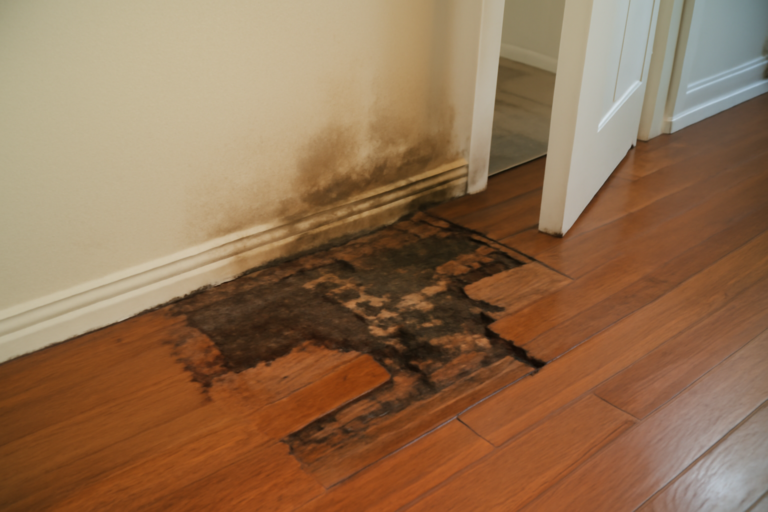
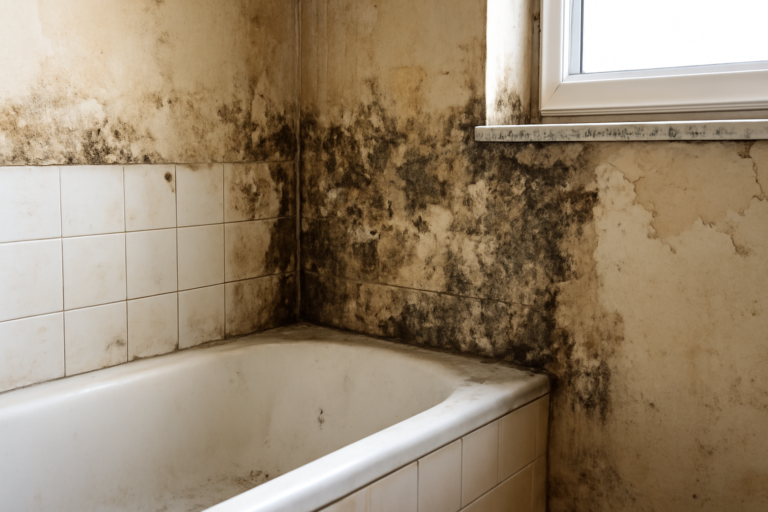
The appearance of mold or mildew, often accompanied by a musty odor, can be a secondary sign of sewage contamination. Moisture from sewage can create the perfect environment for mold to thrive within 24-48 hours. You must tackle hidden mold sources quickly.
Gurgling Sounds from Plumbing Fixtures
Strange gurgling noises coming from your drains or toilets, especially when water is being used elsewhere in the house, can indicate air being pushed back through the sewer lines. This suggests a blockage and potential for sewage to back up. Listen for unusual plumbing sounds.
Sewage Line Backups
The most obvious sign is sewage backing up into your sinks, toilets, or showers. This is a critical situation that poses significant health risks. Do not attempt to clean this up yourself; call for professional sewage cleanup now.
Sewage Damage Restoration vs. DIY: When To Call a Professional
| Situation | DIY? | Call a Pro? | Why |
|---|---|---|---|
| Minor toilet overflow with clear water | Yes, with gloves and disinfectant. | No, usually. | Typically not a biohazard and easy to clean. |
| Sewage backup in basement affecting carpet and drywall | No. | Yes, absolutely. | High risk of contamination and structural damage. |
| Sewer line backup causing water in shower drain | No. | Yes, immediately. | This indicates a serious line blockage and contamination risk. |
| Water damage from a clean source (e.g., burst pipe) | Yes, for small areas. | Yes, for large areas or hidden moisture. | DIY is fine for surface water, but professionals handle unseen moisture. |
| Lingering odors after a sewage incident | No, not effectively. | Yes, for complete elimination. | Odors often come from deep within materials and require specialized treatment. |
| Suspected contamination from a neighbor’s property | No. | Yes, for assessment and remediation. | Requires professional testing and containment to ensure safety. |
While minor cleanups from clear water might be manageable for a DIYer, any situation involving sewage or contaminated water requires professional intervention. The health risks are too significant, and the potential for hidden damage is too great. Relying on our team ensures the job is done safely and effectively, protecting your home and family from long-term sewage issues.
Sewage Damage Restoration Cost In Hapeville, GA
The cost of sewage damage restoration in Hapeville, GA, can vary widely depending on the extent of the damage, the type of sewage (Category 1, 2, or 3), the size of the affected area, and the materials that need to be removed or treated. These figures are estimates. A thorough on-site assessment is necessary for an accurate quote. We aim to provide transparent restoration pricing.
| Service | Typical Price Range | What Affects Cost |
|---|---|---|
| Initial Sewage Water Extraction | $500 – $2,500 | Volume of water, accessibility, and type of equipment needed. |
| Contaminated Material Removal (Carpet, Padding, Drywall) | $750 – $4,000+ | Square footage of affected materials, complexity of removal. |
| Structural Drying and Dehumidification | $1,000 – $5,000+ | Size of the affected space, duration of drying, number of units required. |
| Deep Cleaning and Sanitization | $500 – $2,000 | Square footage, type of sanitizing agents used, and level of contamination. |
| Odor Elimination Treatment | $300 – $1,500 | Severity of odor, size of the area, and methods required (e.g., ozone, thermal fogging). |
| Minor Reconstruction (Drywall, Flooring) | $1,000 – $7,000+ | Scope of repairs, materials chosen, and labor involved. |
These price ranges give you a general idea of what to expect for sewage cleanup and restoration. For a precise estimate tailored to your specific situation, please call us today. We offer free on-site damage assessments to give you a clear picture of the costs involved.
Service Areas Near Hapeville, GA
Atlanta, East Point, College Park, Forest Park, Riverdale, Jonesboro, Morrow, Union City, Chattahoochee Hills, Fairburn, Tyrone, Palmetto, Lovejoy, Hampton, Stockbridge, McDonough, Fayetteville, Lithonia, Conyers, Scottdale
Common Questions About Sewage Damage Restoration
What is considered “black water” sewage damage?
Black water, or Category 3 water, is sewage or highly contaminated water from plumbing backups or floodwaters that have been standing for a long time. It contains harmful bacteria, viruses, and other pathogens, making it a significant health hazard. Cleaning black water requires specialized containment and sanitization procedures that only trained professionals can safely perform. We follow strict protocols to ensure your home is decontaminated.
How long does sewage damage restoration typically take?
The timeline for sewage damage restoration can vary significantly. Simple extraction and sanitization might take a day or two, but if structural drying and reconstruction are involved, it can take anywhere from a few days to several weeks. Factors like the extent of contamination, the materials affected, and the drying process all influence the duration. We work efficiently to restore your home quickly, but thoroughness is paramount for your health and safety.
Is sewage damage covered by homeowner’s insurance?
Coverage for sewage damage depends heavily on your specific homeowner’s insurance policy. Most standard policies do not cover damage from sewer backups or sump pump failures unless you have purchased a specific endorsement or rider for this type of coverage. It’s always best to check with your insurance provider. We can help you document the damage for your claim, but understanding your policy is your responsibility.
What are the health risks associated with sewage backup?
Sewage contains a dangerous mix of bacteria, viruses, parasites, and toxins that can cause a wide range of illnesses, from gastrointestinal problems and skin infections to more serious diseases. Exposure can occur through direct contact, inhalation of contaminated air, or touching contaminated surfaces. It’s crucial to avoid the affected areas and call for professional biohazard cleanup immediately to minimize health risks.
Can I clean up sewage damage myself?
For minor overflows of clear water, some DIY cleaning might be possible with proper protective gear. However, for any sewage backup (black water), it is strongly advised not to attempt DIY cleanup. The risks of exposure to harmful pathogens and the potential for inadequate drying and sanitization, leading to mold and structural damage, are too high. Our trained technicians have the equipment and expertise for safe and effective sewage remediation.
Check Our Other Relevant Services
Serving Hapeville, GA And Nearby Areas