
Trusted by 165+ Homeowners
Sewage Damage Restoration in Lilburn, GA
- Over 165 5-Star Reviews
- Free Estimates and Quotes
- 100% Satisfaction Guaranteed
- Child, Family & Pet Safe Steps
- 24-Hour Emergency Service
- Fully Licensed & Insured
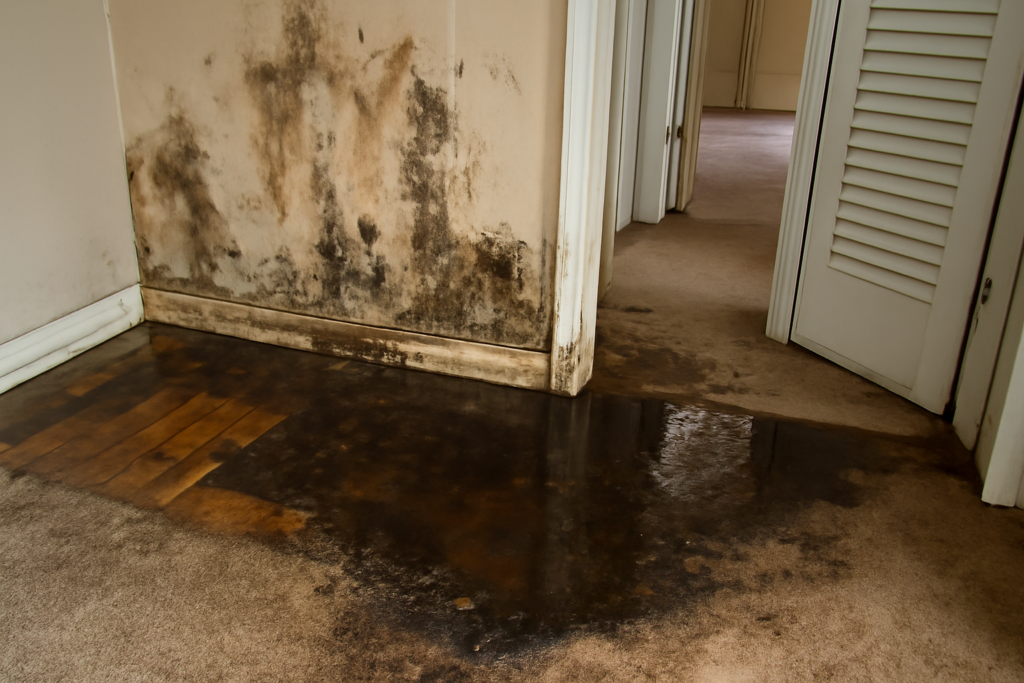
Expert Sewage Damage Restoration in Lilburn, GA
Did you know that a single inch of standing sewage water can spread contamination across up to 100 square feet of your home? That’s a startling fact, and it highlights just how quickly a sewage backup can turn a minor issue into a major health hazard. Dealing with this kind of damage in your Lilburn, GA property requires immediate, specialized attention. You’re likely feeling overwhelmed, and we understand that. Our team is here to help you navigate this difficult situation with clear communication and effective action, focusing on restoring your home’s safety and your sense of normalcy.
We’ve earned the trust of over 165 homeowners in the area who’ve relied on us for their sewage damage restoration needs. They choose us because we don’t just clean up the mess; we address the underlying issues and ensure your property is truly dry and safe. When sewage invades your home, you need a local team that knows the unique challenges of this neighborhood and can respond quickly. We’re committed to providing prompt, reliable service that homeowners can count on.
- We tackle the invisible threats: Our technicians use advanced tools to detect and neutralize bacteria and pathogens that sewage can leave behind, protecting your family’s health.
- We handle insurance complexities: Working directly with your insurance provider, we help document the damage thoroughly and manage the claims process to ease your financial burden.
- We focus on complete drying: Beyond surface cleanup, we utilize specialized equipment to extract moisture from deep within your structure, preventing mold and secondary damage.
How Sewage Damage Restoration Actually Works
A proper sewage damage restoration process isn’t just about removing water and cleaning surfaces. It’s a systematic approach to ensure your home is safe and healthy again. Cutting corners in this process can lead to lingering odors, structural damage, and serious health risks down the line. We follow a strict protocol to protect your property and your family. You can expect transparent communication throughout the entire job, with our crews explaining each step and answering your questions.
Emergency Water Extraction
Our first priority is to remove all standing sewage water as quickly as possible. We use powerful, truck-mounted extraction units to pull out the bulk of the water. This step is critical to stop further damage and begin the drying process. This often takes a few hours to a full day, depending on the volume of water.
Containment and Demolition
Next, we set up containment barriers to prevent the spread of contaminants to unaffected areas of your home. Affected materials like drywall, carpets, and subflooring that have been saturated with sewage are carefully removed and discarded. This is a necessary step for proper sanitation and reconstruction. This phase can take one to three days.
Cleaning and Sanitization
Once demolition is complete, we thoroughly clean and sanitize all affected surfaces. We use specialized antimicrobial and disinfectant solutions to kill bacteria and neutralize odors. This step is crucial for your family’s health and safety. This process typically takes one to two days.
Drying and Dehumidification
We then bring in industrial-grade air movers and dehumidifiers to thoroughly dry out your structure. We monitor humidity and moisture levels closely to ensure all materials are dried to safe standards. This is a longer process, often taking three to ten days, to prevent mold growth and ensure long-term structural integrity.
Odor Removal and Reconstruction
Finally, we address any lingering odors using professional deodorizing treatments. Once everything is dry and sanitized, we can begin the reconstruction phase to restore your home to its pre-loss condition. We’ll work with you to get your home back to normal, focusing on quality craftsmanship. Reconstruction timelines vary greatly depending on the scope of work.
Don’t delay when dealing with sewage backups. Prompt action is key to minimizing damage and ensuring a healthy environment. Contact us immediately to get started on the restoration process for your property.

Warning Signs You Need Sewage Damage Restoration
Recognizing the early signs of sewage issues can save you significant time, money, and stress. Ignoring these indicators can lead to more extensive damage and potential health problems. Catching these problems early allows our team to intervene before they escalate into a crisis.
Musty Odors That Won’t Go Away
A persistent, unpleasant smell, especially a musty or rotten odor, is often the first sign of sewage intrusion or lingering moisture. This smell can indicate that sewage has seeped into your floors or walls, or that mold is beginning to grow. It’s a clear signal that professional assessment is needed.
Visible Sewage or Wastewater Backup
If you see sewage backing up into your drains, toilets, or showers, this is an obvious and urgent sign. This indicates a blockage in your main sewer line or a problem with your plumbing system. You should avoid contact with the water and call for immediate assistance.
Water Seepage or Stains
Even if you don’t see standing water, damp spots or discolored stains on your walls, ceilings, or floors could mean water is seeping in from a sewage source. These stains are often accompanied by a foul odor. This is a sign of hidden water damage.
Gurgling Noises from Drains
Unusual gurgling sounds coming from your toilet or sink drains, especially when you’re not using them, can indicate air being pushed back through the pipes by wastewater. This is a common warning sign of a clogged sewer line.
Slow Draining Fixtures
If multiple drains in your home are draining slowly, or if toilets are not flushing properly, it could point to a partial blockage in your main sewer line. This is a precursor to a full backup and requires prompt plumbing attention.
Mold Growth
The presence of mold, often accompanied by a musty smell, is a strong indicator of past or present water damage, which can be a consequence of sewage issues. Mold spores can spread quickly and pose health risks. Addressing the source of moisture is critical for mold remediation.
Sewage Damage Restoration vs. DIY: When To Call a Professional
| Situation | DIY? | Call a Pro? | Why |
|---|---|---|---|
| Minor toilet overflow contained to tile floor | Yes, with gloves and disinfectant. | No, unless it spreads. | You can likely clean and disinfect a small, contained spill safely. |
| Sewage backing up into bathtub | No. | Yes. | This involves Category 3 water, which is highly contaminated and requires specialized equipment and safety protocols. |
| Standing sewage water in basement carpet | No. | Yes. | Carpet and padding absorb sewage and require professional extraction, drying, and likely replacement for health reasons. |
| Foul odor after a minor backup | Maybe, with thorough cleaning and ventilation. | Yes, if odor persists. | Lingering odors often indicate hidden moisture or contamination that DIY methods can’t reach. |
| Water stains on drywall from a pipe leak | Yes, if it’s clean water and minor. | Yes, if it’s sewage-related or extensive. | Sewage contamination requires specialized cleaning and drying to prevent health hazards. |
| Sump pump failure leading to basement flooding | Yes, for the water itself. | Yes, if the water is contaminated. | If sewage entered the basement, professional intervention is necessary for proper sanitation. |
While minor cleanups of clean water can sometimes be handled yourself, any situation involving sewage or contaminated water demands professional attention. The risks to your health and the potential for long-term structural damage are too great to ignore. Our trained technicians have the specialized equipment and knowledge to handle these situations safely and effectively.
Sewage Damage Restoration Cost In Lilburn, GA
The cost of sewage damage restoration in Lilburn, GA can vary significantly. Factors like the extent of the contamination, the size of the affected area, the type of materials damaged, and the complexity of the cleanup will all influence the final price. These figures are general estimates and not a guarantee of exact costs.
| Service | Typical Price Range | What Affects Cost |
|---|---|---|
| Emergency Water Extraction | $500 – $2,500 | Volume of water, accessibility of the area. |
| Containment and Demolition | $750 – $3,000+ | Amount of contaminated material removed, labor intensity. |
| Cleaning and Sanitization | $800 – $4,000+ | Square footage treated, types of cleaning agents used. |
| Drying and Dehumidification | $1,000 – $5,000+ | Duration of drying, number of machines required. |
| Odor Removal | $300 – $1,500 | Severity of odor, methods used (e.g., ozone, thermal fogging). |
| Reconstruction (per sq ft) | $50 – $200+ | Materials used, complexity of repairs, labor. |
These prices reflect the specialized equipment, training, and materials required for proper sewage damage restoration. We offer free on-site estimates to provide you with a precise cost breakdown for your specific situation.
Service Areas Near Lilburn, GA
Atlanta, Decatur, Norcross, Tucker, Stone Mountain, Snellville, Lawrenceville, Duluth, Suwanee, Johns Creek, Sandy Springs, Brookhaven, Chamblee, Doraville, Marietta, Smyrna, Kennesaw, Acworth, Roswell, Alpharetta.
Common Questions About Sewage Damage Restoration
What is considered “black water” and why is it dangerous?
Black water is sewage or water that has been contaminated with sewage, bacteria, viruses, and other pathogens. It’s the most dangerous type of water damage because it poses serious health risks, including infections and diseases. Our team uses specialized protective gear and EPA-approved disinfectants to safely neutralize contaminants and restore your home.
How long does sewage damage restoration usually take?
The timeline varies greatly depending on the severity of the backup and the extent of the damage. Basic extraction and cleaning might take a few days, but thorough drying and any necessary reconstruction can extend the process to one to three weeks or longer. We’ll provide you with a realistic estimate after our initial assessment.
Will my homeowner’s insurance cover sewage damage restoration?
Coverage depends on your specific policy. Many policies exclude damage from sewer backups unless you have a specific endorsement for it. We work closely with your insurance adjuster to document everything and help you understand your coverage. We aim to make the claims process as smooth as possible for you.
Can I try to clean up sewage damage myself?
For minor overflows of clean water, some DIY cleanup might be possible. However, with sewage backups, it’s strongly advised not to. The contamination risks are too high, and you likely lack the specialized equipment to properly dry, disinfect, and deodorize your home. Attempting DIY cleanup can lead to serious health issues and secondary damage.
How can I prevent sewage backups in the future?
Preventative measures include being mindful of what you flush down toilets and drains, avoiding pouring grease down sinks, and having your sewer lines inspected periodically for potential blockages or root intrusion. Consider installing a backwater valve if you live in an area prone to backups. Regular maintenance can help avoid costly future problems.
Check Our Other Relevant Services
Serving Lilburn, GA And Nearby Areas


