
Trusted by 165+ Homeowners
Sewage Damage Restoration in Sugar Hill, GA
- Over 165 5-Star Reviews
- Free Estimates and Quotes
- 100% Satisfaction Guaranteed
- Child, Family & Pet Safe Steps
- 24-Hour Emergency Service
- Fully Licensed & Insured
Expert Sewage Damage Restoration for Sugar Hill, GA Homes
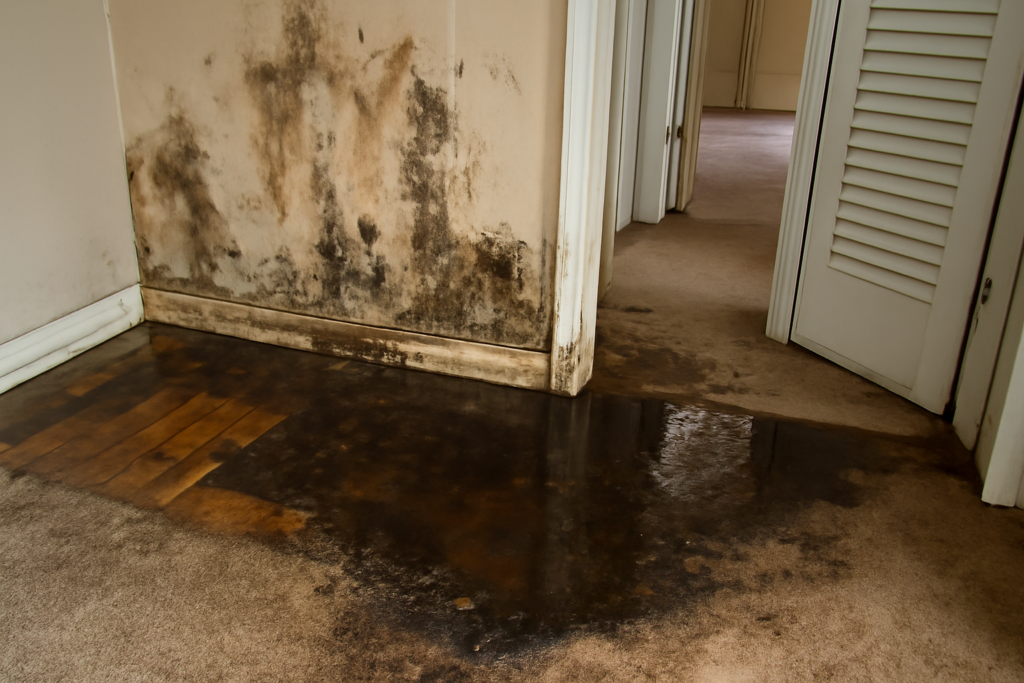
You walk into your bathroom, and it hits you. That unmistakable, foul odor. You see standing water pooling on the floor, murky and brown, with debris floating in it. It’s a deeply unsettling sight, and you know immediately that this isn’t just a minor leak. This is a serious sewage backup, and it needs immediate professional attention to protect your home and your family’s health. Dealing with sewage contamination is a stressful situation, but knowing you have a reliable local team ready to help makes a difference. We understand how overwhelming this can feel, and we’re here to guide you through it.
Over 165 five-star reviews from homeowners in your neighborhood speak to our commitment. They trust us because we don’t just clean up; we tackle the underlying issues and ensure your home is truly safe again. For sewage damage restoration, local residents count on our proven methods and rapid response. We get it right the first time, so you can get back to normal without further worry. You deserve a team that understands the urgency and has the tools to handle it effectively.
- We use specialized containment protocols to prevent the spread of biohazards, ensuring your entire home remains safe during the cleanup process.
- Our advanced drying and dehumidification systems go beyond surface drying to extract hidden moisture, preventing mold growth and structural damage long after the visible mess is gone.
- We provide thorough disinfection and deodorization services, not just masking odors but eliminating the bacteria and pathogens that cause them, making your home truly sanitary.
How Our Sewage Damage Restoration Process Works
Sewage backup isn’t just about the water you see; it’s about the hidden dangers and the potential for long-term damage. Our methodical approach to sewage damage restoration is designed to address every aspect of the problem. We employ strict safety measures and advanced technology because cutting corners with sewage contamination can lead to serious health risks and costly structural issues down the line. You need a team that understands the science and the best practices for restoring your property.
Containment and Safety Measures
First, our crews establish critical containment barriers. This uses specialized materials to isolate the affected area, preventing airborne contaminants from spreading throughout your home. We wear appropriate personal protective equipment (PPE) at all times to ensure our safety and prevent cross-contamination. This step is crucial for safeguarding your family’s health and maintaining a clean environment elsewhere in your house.
Water Extraction
Once the area is contained, we use powerful, truck-mounted extraction units. These machines remove the bulk of the standing sewage water quickly and efficiently. We pay close attention to all affected surfaces, including carpets, subfloors, and walls, to remove as much liquid as possible. The sooner this water is gone, the faster we can begin the drying process.
Demolition and Material Removal
Porous materials that have come into contact with sewage, such as drywall, insulation, and certain types of flooring, often cannot be salvaged. We meticulously remove these contaminated items following strict disposal guidelines. This ensures that no lingering bacteria or pathogens remain. It’s a necessary step for a complete and safe restoration.
Drying and Dehumidification
After the removal of contaminated materials, we bring in industrial-grade air movers and dehumidifiers. These machines work tirelessly to dry out the affected structural components. We monitor moisture levels closely with specialized meters to ensure every inch of your property is brought back to pre-loss dryness. This prevents secondary issues like mold.
Cleaning, Sanitization, and Deodorization
This is where we make your home safe and livable again. We use EPA-registered antimicrobial treatments to thoroughly clean and sanitize all affected surfaces. This process eliminates harmful bacteria and viruses. Following that, we employ advanced deodorizing equipment to neutralize any remaining odors, not just cover them up. Your home will smell clean and fresh.
Don’t wait when you discover sewage issues. Call us immediately to start the restoration process. The faster we begin, the better the outcome for your home and family. Protecting your property starts with a quick, decisive action.

Warning Signs You Need Sewage Damage Restoration
Recognizing the early signs of sewage contamination is vital. Ignoring these indicators can lead to more extensive damage, higher costs, and significant health risks. Catching these issues early allows us to intervene before they become major problems. Your awareness is the first line of defense.
Musty Odors That Won’t Go Away
A persistent, musty, or foul smell, especially in bathrooms, basements, or crawl spaces, is a strong indicator of sewage issues. Even if you can’t see standing water, these odors signal that sewage may be seeping into your subflooring or walls. This smell won’t disappear with air fresheners; it requires professional treatment.
Slow Drains or Gurgling Sounds
When your toilets, sinks, or showers drain unusually slowly, or if you hear gurgling sounds from your plumbing fixtures, it could mean a blockage in your main sewer line. This blockage can lead to sewage backing up into your home. Pay attention to these plumbing quirks; they’re often the first warning.
Water Pooling Around Fixtures
If you notice water pooling around the base of your toilet, sink, or shower, especially after use, this is a direct sign of a leak or backup. The water might be discolored and carry that tell-tale odor. This isn’t just a minor leak; it’s a potential entry point for sewage.
Visible Sewage or Black Water
The most obvious sign is seeing sewage, sludge, or dark, foul-smelling water on your floors or in your yard. This is a serious contamination event. Black water, as it’s often called, carries the highest risk of disease and requires immediate, specialized cleanup. Don’t attempt to handle this yourself.
Mold or Mildew Growth
While mold can grow from any moisture issue, sewage contamination creates a perfect breeding ground for aggressive strains. If you see unexplained mold growth, especially accompanied by a foul odor, it could be linked to a hidden sewage problem. Mold can spread rapidly and impact indoor air quality.
Damage to Your Lawn or Foundation
Sometimes, sewage leaks can occur outside your home. If you notice persistently wet or unusually green patches in your yard, or if you see damage to your foundation that seems related to underground leaks, it might be a sign of a sewer line issue. These external problems can eventually lead to indoor contamination.
Sewage Damage Restoration vs. DIY: When To Call a Professional
| Situation | DIY? | Call a Pro? | Why |
|---|---|---|---|
| Minor toilet overflow with clean water visible | Yes | No | Usually involves minimal water and no biohazard risk. |
| Standing water from a sewage backup | No | Yes | Sewage contains dangerous pathogens requiring specialized safety and cleaning protocols. |
| Damp carpet after a minor leak | Yes | No | Can often be dried with fans and dehumidifiers if caught quickly. |
| Visible sewage or black water on flooring | No | Yes | High risk of contamination; requires professional extraction, disinfection, and material removal. |
| Musty odor in a specific room | Maybe | Yes | If the odor is strong or persists, it indicates hidden moisture or contamination needing expert assessment. |
| Sump pump failure causing basement flooding | Maybe | Yes | Depends on the source of the water; if it mixes with ground sewage, professional intervention is necessary. |
For any situation involving actual sewage or black water, calling a professional is always the safest and most effective route. DIY attempts with sewage contamination carry significant health risks and are unlikely to fully address the problem. Our trained technicians have the proper equipment and safety knowledge to handle these hazardous conditions thoroughly.
Sewage Damage Restoration Cost In Sugar Hill, GA
The cost for sewage damage restoration in Sugar Hill, GA, can vary significantly. Factors include the extent of the contamination, the size of the affected area, the type of materials contaminated, and the complexity of the cleanup and drying process. These figures are general estimates to help you understand potential costs; an on-site assessment is always required for an accurate quote.
| Service Aspect | Typical Price Range | What Affects Cost |
|---|---|---|
| Initial Water Extraction | $500 – $2,500 | Volume of water, accessibility of the area, and equipment used. |
| Containment and Safety Setup | $300 – $1,000 | Size of the contained area and complexity of barriers needed. |
| Demolition and Debris Removal | $500 – $3,000+ | Amount of contaminated material needing removal and disposal fees. |
| Drying and Dehumidification | $1,000 – $5,000+ | Duration required for drying, number of units needed, and size of the space. |
| Cleaning, Sanitization, and Deodorization | $500 – $2,500 | Severity of contamination and the need for advanced odor removal techniques. |
| Mold Remediation (if secondary growth occurs) | $1,000 – $6,000+ | Extent of mold growth and the specific remediation protocols required. |
These costs reflect the specialized labor, equipment, and hazardous material handling involved. We offer free estimates to provide you with a clear understanding of the investment needed for your specific situation. Getting an accurate estimate is the first step towards a safe and complete restoration.
Service Areas Near Sugar Hill, GA
Buford, Suwanee, Cumming, Oakwood, Flowery Branch, Gainesville, Johns Creek, Duluth, Lawrenceville, Alpharetta, Norcross, Snellville, Lilburn, Tucker, Marietta, Roswell, Sandy Springs, Atlanta, Decatur, Smyrna.
Common Questions About Sewage Damage Restoration
What is the biggest risk of a sewage backup?
The biggest risk is exposure to harmful pathogens like E. coli, Salmonella, and Hepatitis A, which can cause serious illness. Untreated sewage can also lead to long-term structural damage and mold growth if not properly remediated. Our team follows strict safety protocols, including containment and specialized cleaning agents, to minimize health risks and ensure your home is safe.
How long does sewage damage restoration take?
The timeline varies greatly depending on the severity of the backup and the size of the affected area. Simple extraction and drying might take a few days, while extensive contamination requiring demolition and rebuilding could take weeks. We use advanced drying technology to expedite the drying process, but thoroughness always comes first. We’ll provide a projected timeline after our initial assessment.
Is sewage damage covered by homeowner’s insurance?
Coverage for sewage damage depends heavily on your specific policy. Many standard policies exclude damage from sewer backup unless you have a specific endorsement or rider. It’s crucial to review your policy or contact your insurance provider. We can help document the damage for your claim and work directly with your adjuster to ensure proper claim documentation.
Can I clean up sewage backup myself?
For minor overflows involving clean water, some DIY might be possible. However, for any situation involving actual sewage or black water, it is strongly advised against. The risks of disease transmission, inadequate cleaning, and potential for further damage are too high. Our trained technicians have the specialized equipment, protective gear, and cleaning agents to handle sewage safely and effectively, ensuring a complete and hygienic restoration.
How can I prevent future sewage backups?
Regular maintenance of your plumbing system is key. Avoid flushing anything other than toilet paper, and be mindful of what goes down your drains. Consider installing a backwater valve on your sewer line, especially if you live in an area prone to backups. Proper landscaping can also prevent tree roots from invading your pipes. We can assess your property and offer advice on preventative maintenance strategies.
Check Our Other Relevant Services
- French Drain Installation in Sugar Hill, GA
- Free Water Damage Restoration Estimate in Sugar Hill, GA
Serving Sugar Hill, GA And Nearby Areas


